Source Automatic Mobile Curb Slideform Machine for Roadways
Find and compare 30 Automatic Mobile Curb Slideform Machine listings for highway, urban, and industrial paving projects. Evaluate models like KB20 and YG-20 based on power, steering, and mobility features to select the right equipment for your construction needs.
Key considerations
Products List


High Efficiency Automatic Slipform Curb Machine Concrete Slipform Machine for Construction
$11500.00 - $16800.00
MOQ: 1 Pieces

Road Concrete Curb Slipform Machine Kerb Stone Making Machine Curb Slipform Forming Machine
$11500.00 - $16800.00
MOQ: 1 Pieces

$11500.00 - $16800.00
MOQ: 1 Pieces


Large Scale Curbstone Slipform Forming Machine
$89736.00 - $165984.00
MOQ: 1 Unit
Shandong Roadway Construction Machinery Manufacturing Co., Ltd.

Curb Making Machine Slipform with Optional Mold
$9240.00 - $17160.00
MOQ: 1 Pieces
Shandong Roadway Construction Machinery Manufacturing Co., Ltd.

Automatic Flipform Paver Machine, Slipform Curb Paver
$89376.00 - $165984.00
MOQ: 1 Pieces
Shandong Roadway Construction Machinery Manufacturing Co., Ltd.

Concrete Curb Paver machinery Roadside Sliding Form Machine
$4183.00 - $7768.00
MOQ: 1 Pieces
Shandong Roadway Construction Machinery Manufacturing Co., Ltd.


Big Flipform Paver Machine, Automatic Road Curbing Machine
$89376.00 - $165984.00
MOQ: 1 Pieces
Shandong Roadway Construction Machinery Manufacturing Co., Ltd.
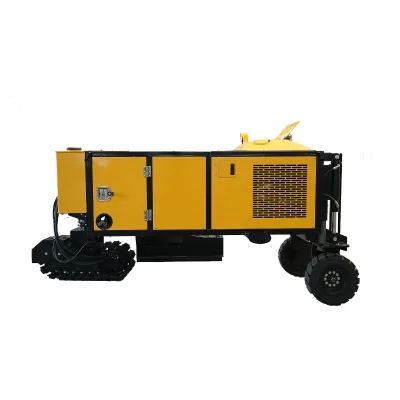
Factory Direct Sale Concrete Forming Curb Slide Machine Road Curb Paver Machine
$20369.53 - $25461.91
MOQ: 1 units

Automatic Concrete Curb Paver Machine Concrete Slipform Paver Sliding Forming Machine
$1850.00 - $2000.00
MOQ: 1 Boxes

Mobile Concrete Curb Slipform Machine for Road Border Construction with Easy Operation
$14999.00 - $16999.00
MOQ: 1 Pieces


Reliable Slipform Curb Machine with Advanced Hydraulic System for Road Border Construction
$14999.00 - $16999.00
MOQ: 1 Pieces

Wheeled Concrete Curb Slipform Machine for Road Curb Construction with Low Noise
$14999.00 - $16999.00
MOQ: 1 Pieces
Comprehensive Sourcing Guide
Automatic Mobile Curb Slideform Machine Sourcing Guide
Procuring an Automatic Mobile Curb Slideform Machine requires a disciplined approach to aligning technical capabilities with specific pavement construction needs. These machines are engineered for the continuous forming of concrete curbs, gutters, and drainage channels, offering significant efficiency gains over manual labor or stationary equipment. The core value proposition lies in the integration of automatic leveling and steering systems, which ensure consistent dimensional accuracy and smooth operation across varying site conditions. Buyers must evaluate how these automated features interact with the machine’s mobility, particularly when working on large-scale infrastructure projects such as highways, urban roads, and industrial parks.
The market presents a diverse range of models, from semi-automatic units to fully integrated automatic systems, each suited to different project scales and material types. Observed listings indicate a strong presence of machines designed for asphalt concrete, cement concrete, and gravel road applications, suggesting versatility in material handling. However, the distinction between a "paver," "grader," and a dedicated "curb slipform machine" can be subtle in supplier catalogs. It is critical for buyers to verify the specific function of the equipment, ensuring that the machine’s primary design intent matches the intended output, whether that is a simple curb, a complex gutter system, or a combined drainage structure.
Product Scope and Observed Listing Signals
The observed product landscape reveals a wide variance in pricing, ranging from approximately $599 to over $165,000 USD, which often reflects differences in automation level, power capacity, and brand positioning. A significant number of listings highlight an MOQ of 1, indicating that suppliers are open to single-unit purchases, which is advantageous for small contractors or pilot projects. However, the price disparity suggests that buyers should not equate lower costs with equivalent performance. Higher-priced units typically feature more robust hydraulic systems, advanced dual automatic steering mechanisms, and higher-rated power outputs, which are essential for maintaining consistent speed and pressure during continuous pouring operations.
Listing attributes frequently mention customization options, including color and specific model configurations such as KB20, YG-20, or DD-05W. These model designations often correlate with construction width and height capabilities, such as a 2000mm width or a construction height within 600mm. Buyers must carefully cross-reference these specifications with their project requirements, as a machine designed for narrow residential curbs may be inefficient for wide highway medians. Additionally, the presence of terms like "Diesel concrete leveling machine" or "Road Curb Forming Machine" in the same listing as slipform machines indicates that some suppliers offer a broad portfolio, requiring buyers to distinguish between the specific slipform technology and other paving or leveling equipment.
Technical Specifications to Verify
Power and voltage specifications are fundamental to the machine’s operational reliability. Observed data points to rated powers ranging from 12kw to 65kw, with voltage requirements typically at 380V or 220V. Buyers must ensure that their site’s power infrastructure can support the specific electrical demands of the chosen model, or verify if the machine includes an onboard diesel generator for autonomous operation. The startup method, often electric start, should be confirmed for ease of use, while the rated speed of components like the 1500rpm motor indicates the intensity of the vibration or mixing process, which directly affects the density and finish of the concrete curb.
Mobility and steering systems are critical for navigating complex job sites. The walking mode, whether wheel type or crawler, determines the machine’s stability on soft or uneven terrain, with crawler options generally offering better traction and less ground disturbance. The minimum turning radius, observed at 6800mm for certain models, is a key metric for maneuverability in confined spaces. Furthermore, the spreading and relocation speed, noted between 1-10m/min, influences overall project timelines. Buyers should verify if the dual automatic steering system provides precise control over the machine’s path, ensuring straight and accurate curb lines without excessive manual correction.
Compliance and Safety Documentation
Certification status is a primary indicator of manufacturing quality and regulatory compliance. Many observed listings explicitly state CE certification, which is mandatory for machinery sold within the European market and often serves as a baseline for international safety standards. Some suppliers also mention ISO9001:2008 or similar quality management certifications, which suggest a structured approach to production consistency. Buyers should request copies of these certificates and verify their validity with the issuing bodies, as counterfeit documentation is a risk in global trade. The presence of CE marking implies adherence to essential health and safety requirements, but it does not guarantee suitability for all local regulatory environments.
Safety features and operational documentation must be thoroughly reviewed before purchase. While specific safety interlocks are not detailed in the observed data, buyers should inquire about emergency stop mechanisms, hydraulic leak prevention, and operator protection guards. The video outgoing-inspection service provided by some suppliers offers a valuable opportunity to visually verify the machine’s condition and assembly quality before shipment. Buyers should request detailed operation manuals, maintenance schedules, and parts lists in English, ensuring that their technical teams can perform routine upkeep and troubleshoot issues without relying solely on supplier support.
Cost Drivers and Commercial Terms
Packaging and logistics are significant cost drivers that can impact the total landed cost of the machine. Observed packing methods include wooden cases, wooden boxes, and containerized shipping (e.g., 40hq), with standard dimensions often around 520024002800mm. Buyers must calculate the volumetric weight and freight costs associated with each packaging option, as improper packing can lead to damage during transit. The origin of the machines, primarily Henan, China, provides insight into the supply chain dynamics, but buyers should also consider the lead times and shipping routes to their destination port. Negotiating clear Incoterms, such as FOB or CIF, is essential to define responsibility for insurance and freight.
The commercial terms should also address warranty coverage and after-sales support. Given the variability in product models and specifications, buyers should clarify whether the warranty covers the entire machine or only specific components like the hydraulic pump or motor. Payment terms, such as T/T or L/C, should be structured to protect the buyer’s interests, potentially linking payments to milestones like factory inspection or successful commissioning. It is advisable to include clauses for spare parts availability, ensuring that critical components can be sourced quickly to minimize downtime during operation.
Supplier Qualification and Quality Control
Supplier verification is crucial to mitigate the risk of receiving substandard equipment. Buyers should conduct due diligence on the supplier’s business license, production capacity, and export history. The presence of a video outgoing-inspection service is a positive indicator, but buyers should also request third-party inspection reports or arrange for their own representative to visit the factory. Checking the supplier’s response to technical inquiries and their willingness to provide detailed specifications can reveal their level of expertise and commitment to customer service. Suppliers who provide comprehensive technical documentation and responsive support are more likely to deliver reliable products.
Quality control processes should be explicitly defined in the purchase agreement. Buyers should specify acceptance criteria based on the observed specifications, such as construction width, height, and power output. It is important to verify that the machine delivered matches the ordered model, as some listings may use generic images or descriptions. Implementing a pre-shipment inspection protocol, including functional tests of the automatic leveling and steering systems, can help identify defects before the machine leaves the factory. Clear communication regarding any deviations from the agreed specifications is essential to avoid disputes upon delivery.
Long-Term Procurement Checks
Sustainability and lifecycle management are increasingly important considerations in heavy equipment procurement. Buyers should assess the machine’s energy efficiency, particularly if it operates on electric power, and evaluate the availability of eco-friendly alternatives or upgrades. The durability of key components, such as the mold and vibration system, should be analyzed to estimate maintenance costs and replacement intervals. Suppliers that offer modular designs or upgradeable features can extend the machine’s useful life, providing better long-term value. Understanding the environmental impact of the machine’s operation and disposal is also part of responsible procurement.
Finally, buyers should establish a long-term relationship with the supplier for ongoing support and potential future purchases. This includes maintaining open lines of communication for technical assistance, spare parts ordering, and feedback on machine performance. Regular reviews of the machine’s operational data can help identify trends in wear and tear, allowing for proactive maintenance. By focusing on these long-term factors, buyers can ensure that their investment in an Automatic Mobile Curb Slideform Machine yields consistent performance and reliability throughout its service life.
FAQs
What is the standard construction width for the KB20 model?
The standard construction width for the KB20 model is 2000mm. This specification allows for the creation of curbs with a consistent and robust footprint suitable for various pavement types. The machine is designed to handle both asphalt concrete and cement concrete pavements effectively.
Can the machine be customized for specific project requirements?
Yes, customization is available for this Automatic Mobile Curb Slideform Machine. Buyers can request specific color options and potentially other adjustments to meet unique project needs. The machine supports electric start and dual automatic steering, enhancing its adaptability for different operational environments.
What certifications does the automatic curb forming machine hold?
The machine holds CE certification, ensuring compliance with European safety and quality standards. Some models may also include ISO9001 certification. These certifications indicate that the manufacturing process and final product meet recognized international benchmarks for quality and operational safety in construction equipment.
How fast can the machine relocate during operation?
The spreading and relocation speed of the machine ranges from 1 to 10 meters per minute. This mobility allows for efficient movement across the construction site. The walking mode can be either wheel type or crawler, providing flexibility depending on the terrain conditions.
What is the rated power and voltage for the KB20?
The KB20 model has a rated power of 65kw and operates on 380V/220V voltage. This power rating ensures sufficient energy for continuous operation. The electric start method provides reliable ignition, making it suitable for heavy-duty paving tasks in various weather conditions.
What is the minimum turning radius of the machine?
The minimum turning radius is 6800mm. This dimension allows the machine to navigate tight spaces on construction sites with relative ease. The dual automatic steering system contributes to precise maneuverability, which is essential for accurate curb placement in complex layouts.