Source Automatic Rhinestone Transfer Machine for Garment Shops, Retail, Home Use
Find 30 listings for the Automatic Rhinestone Transfer Machine designed for garment shops, retail, and home use. Buyers can compare specifications like speed, voltage, and core components to select the right equipment for fabric applications.
Key considerations
Products List
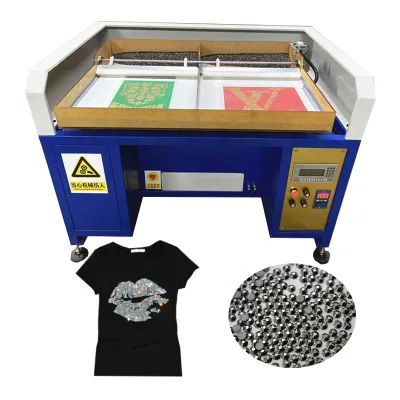
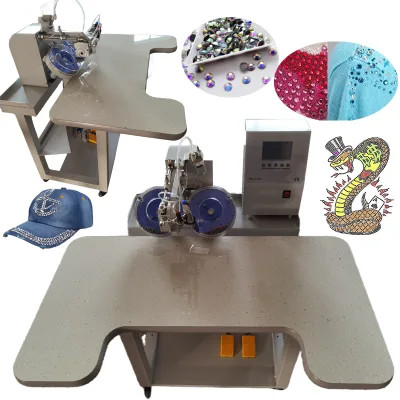
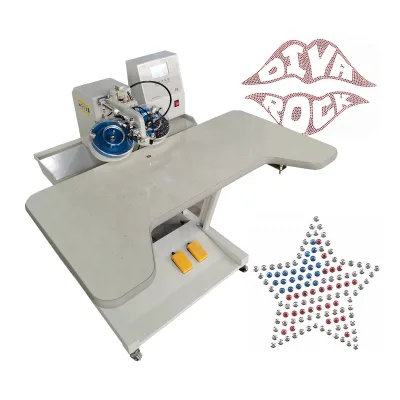
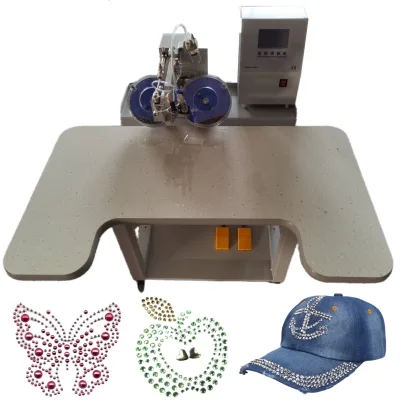
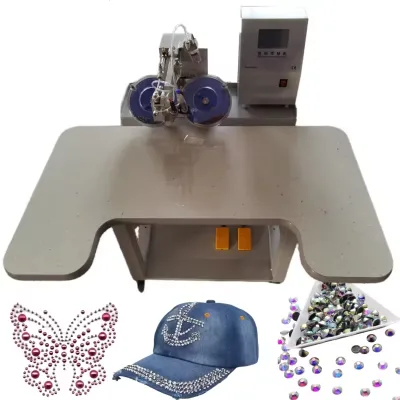
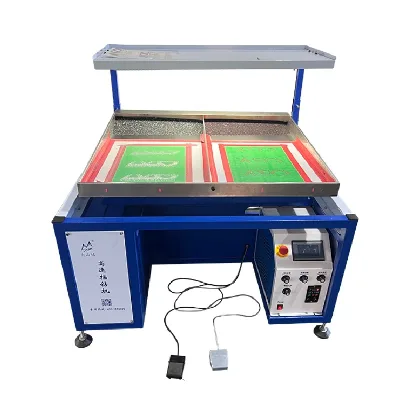
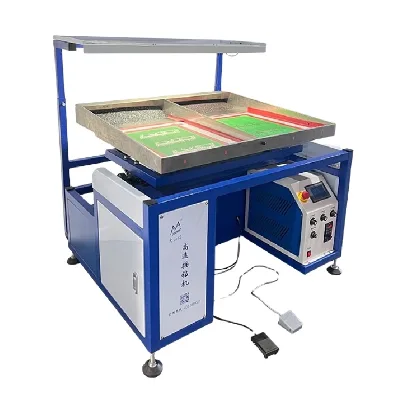
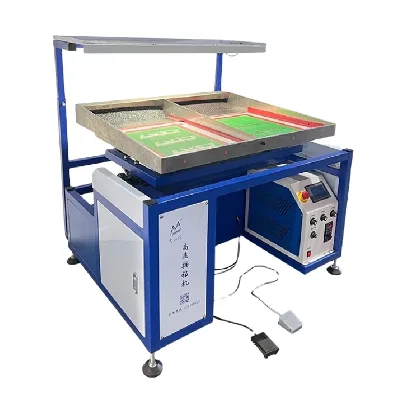
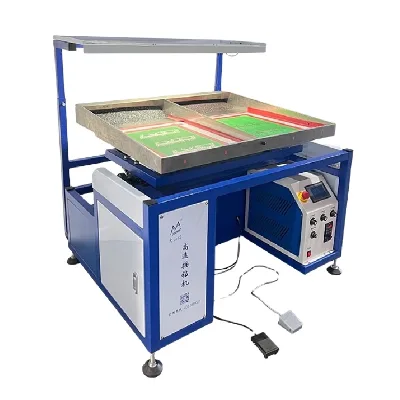
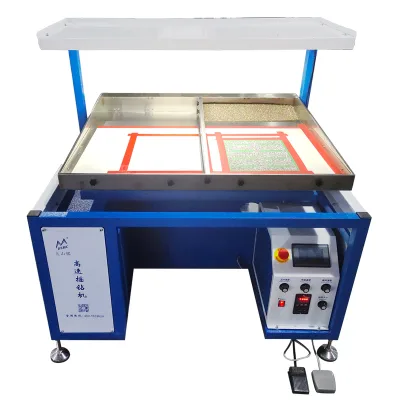
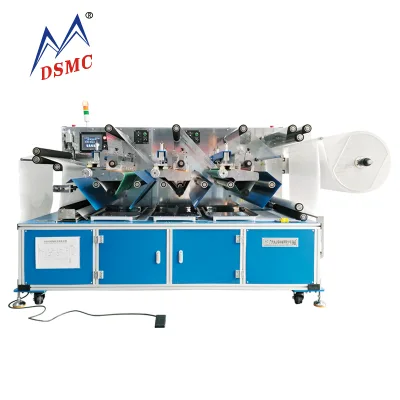
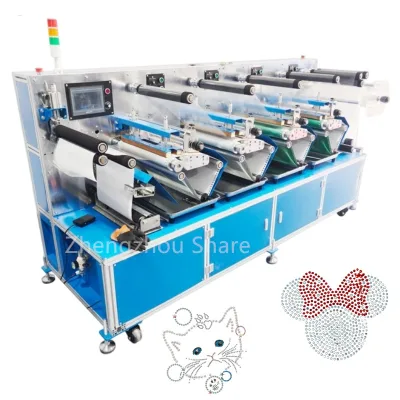
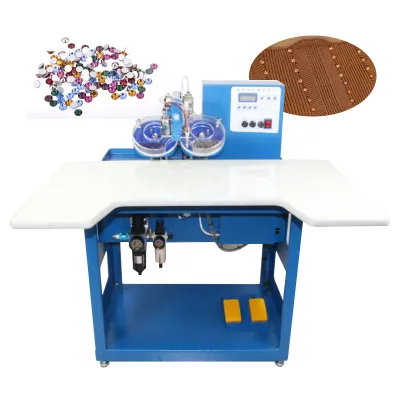
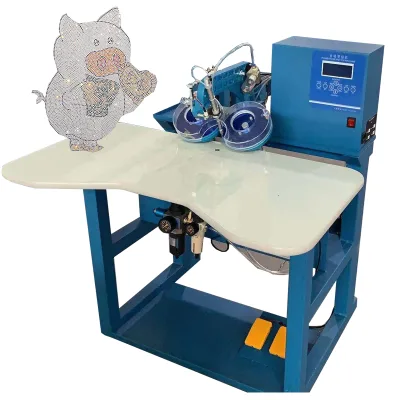
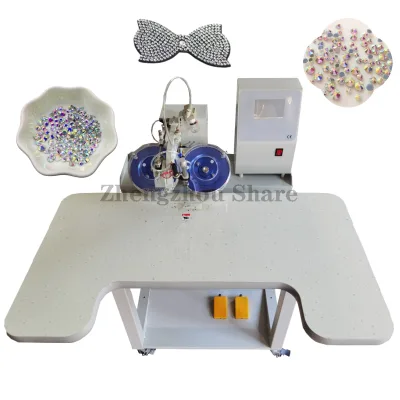
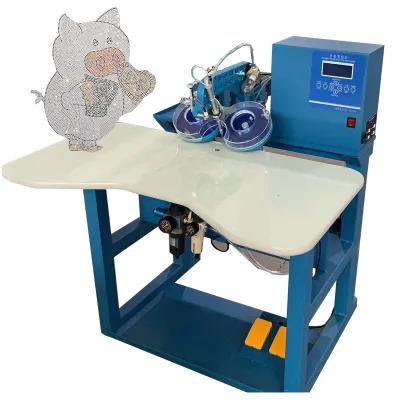
Rhinestone Brushing Machine Automatic Ultrasonic Rhinestone Hot Fix Machine
$1424.91 - $1628.61
MOQ: 1 sets
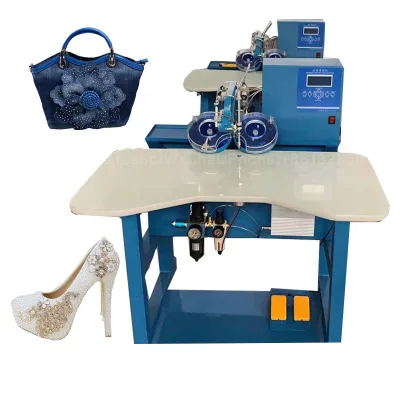
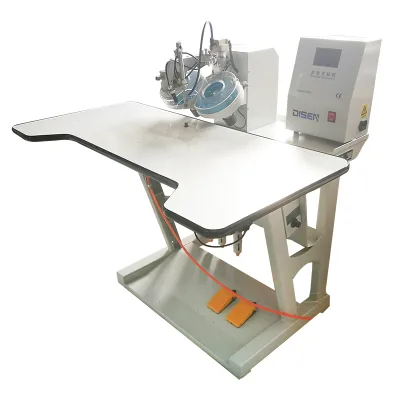
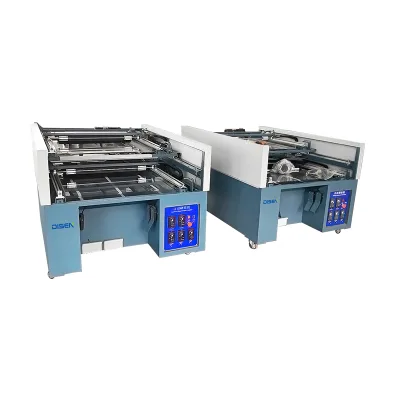

Rhinestone Transfer Paper Machine Automatic Rhinestone Transfer Brush Machine
$1250.00 - $1500.00
MOQ: 1 Pieces


Automatic Rhinestone Making Machine Rhinestone Transfer Paper Machine
$1450.00 - $8900.00
MOQ: 1 Pieces


Ornamental Stone Processing Machines Automatic Rhinestone Transfer Setting Machine
$1550.00 - $7000.00
MOQ: 1 Pieces


Stable Performance Rhinestone Transfer Machine / Hot Fix Rhinestone Machine
$766.00 - $1089.00
MOQ: 1 set


Comprehensive Sourcing Guide
Strategic Sourcing Guide for Automatic Rhinestone Transfer Machines
Understanding the Core Technology and Operational Mechanics
The Automatic Rhinestone Transfer Machine represents a specialized category of industrial equipment designed to automate the application of hot-fix rhinestones onto various substrates, primarily fabrics and garments. Unlike manual setting methods, these machines utilize a combination of mechanical vibration, ultrasonic energy, and thermal transfer principles to ensure precise placement. The core functionality relies on a shaking mechanism that aligns stones within a template or on a transfer paper, followed by a heat press application that bonds the stones to the target material.
In the current market, the terminology surrounding these devices can be fragmented, with listings frequently referencing "shaking rhinestone machines," "ultrasonic hot fix machines," or "automatic setting machines." Despite the varied nomenclature, the fundamental architecture remains consistent. The machinery typically integrates a motor-driven engine to power the shaking table, which is critical for the distribution of stones. The raw material size accommodated by these systems generally ranges from 2mm to 7.5mm, covering the spectrum of standard rhinestone sizes used in fashion and industrial decoration. The operational speed is a key differentiator, with observed performance metrics indicating a capacity of approximately 4 to 7 pages per minute. This throughput rate is significant for medium-to-large scale production environments where consistency and speed are paramount.
The physical construction of these units often involves aluminum components, selected for their balance of durability and weight management. A typical unit weighs between 65kg and 140kg, reflecting the robustness required to sustain continuous vibration cycles without structural fatigue. The dimensions of the machinery vary by model, with common configurations measuring around 1250mm in length, 1100mm in width, and 1000mm in height, or alternatively 800mm by 820mm by 1050mm. These footprint requirements must be accounted for during facility planning to ensure adequate space for operation and maintenance access.
Technical Specifications and Power Requirements
When evaluating the technical specifications of an Automatic Rhinestone Transfer Machine, buyers must focus on the power system and voltage compatibility to ensure seamless integration into existing production lines. The standard power consumption for these units is relatively low, typically around 0.12kW or 120 watts, which suggests an energy-efficient design suitable for facilities with multiple units. However, the electrical requirements are specific; the machines generally operate on a single-phase voltage of 220V at 50/60Hz. This specification is critical for buyers sourcing from international markets, as it dictates the need for appropriate transformers or voltage converters if the local grid differs from the machine's rated input.
The core components driving the machine's operation include the engine, motor, and in some configurations, a pressure vessel. The motor is the primary actuator for the shaking mechanism, while the engine provides the necessary torque for consistent performance. The inclusion of a pressure vessel in certain models indicates a pneumatic or hydraulic component, likely used in the heat press or stone alignment phase. The air strength required for these pneumatic systems is typically between 0.3 and 0.5 MPA, a standard range for industrial pneumatic tools. Buyers should verify that their facility's compressed air supply meets this pressure requirement to prevent operational failures or inconsistent stone placement.
The automatic grade of these machines is often classified as semi-automatic, implying that while the stone distribution and transfer processes are automated, human intervention may still be required for loading materials, initiating cycles, or unloading finished products. This classification distinguishes them from fully automated robotic systems but offers a cost-effective balance between labor reduction and operational flexibility. The condition of the equipment is typically listed as "New," and the marketing trends indicate a shift toward "paperless" transfer technologies, which aim to reduce waste and simplify the transfer process by eliminating traditional paper backing.
Cost Drivers and Pricing Dynamics
The pricing of automatic rhinestone transfer machines is influenced by a complex interplay of factors, including the level of automation, the inclusion of ultrasonic technology, and the specific brand reputation. Market observations indicate a significant price variance, with units ranging from approximately $580 to $9,500. This wide spectrum suggests that the "automatic" label can apply to both entry-level semi-automatic shakers and high-end ultrasonic systems with advanced computer controls.
Several key drivers contribute to this price differentiation. First, the complexity of the core components plays a major role. Machines featuring ultrasonic technology for stone setting often command a premium over those relying solely on mechanical shaking. The inclusion of a pressure vessel and more sophisticated motor systems also adds to the manufacturing cost. Second, the build quality and material composition, such as the use of high-grade aluminum versus standard steel, impact the final price. Third, the software integration and control interfaces, particularly in "computer rhinestone attaching machines," can significantly increase the cost due to the development and licensing of proprietary control systems.
Buyers should be aware that the minimum order quantity (MOQ) for these machines is typically one unit, allowing for flexible procurement strategies without the need for bulk purchasing. However, the total cost of ownership extends beyond the initial purchase price. Factors such as the warranty period, which is commonly one year, and the availability of spare parts like motors and engines, should be factored into the financial analysis. Additionally, the "marketing type" of the product, such as being labeled a "Hot Product 2023" or "New Product 2020," may influence pricing strategies, though buyers should prioritize technical specifications over marketing labels when assessing value.
Compliance, Certification, and Safety Standards
In the realm of industrial machinery procurement, compliance and safety are non-negotiable. While specific certification statuses for individual listings may vary, buyers must verify that the equipment adheres to relevant international safety standards. The presence of core components like motors and engines necessitates compliance with electrical safety regulations to prevent hazards such as short circuits, overheating, or mechanical failure.
Buyers should request documentation confirming that the machine's electrical systems meet the voltage and frequency standards of their operating region. For machines manufactured in China, as indicated by the place of origin "Henan, China," compliance with CE (Conformité Européenne) or other regional safety marks is often expected for export. Although specific certification numbers cannot be asserted without direct supplier confirmation, the buyer's due diligence must include a request for the manufacturer's declaration of conformity.
Furthermore, the operational safety of the machine involves the handling of high temperatures, as these devices utilize hot-fix technology. The machine's design should incorporate thermal shielding and safety interlocks to prevent operator burns. The air pressure requirements, specifically the 0.3-0.5 MPA range, also necessitate the use of pressure regulators and safety valves to prevent pneumatic system explosions or leaks. Buyers should ensure that the supplier provides clear operating manuals that detail these safety protocols and that the machine is equipped with emergency stop mechanisms.
Supplier Evaluation and Quality Assurance
Selecting the right supplier for an Automatic Rhinestone Transfer Machine requires a rigorous evaluation process that goes beyond the product listing. The "place of origin" is a critical data point, with Henan, China, being a identified manufacturing hub for these units. Buyers should investigate the supplier's history in this region and their capacity to support international logistics. The availability of video outgoing-inspection is a valuable asset, allowing buyers to visually verify the machine's condition and functionality before shipment.
Quality assurance should be a central pillar of the supplier selection process. Buyers must verify the warranty terms, which are typically one year, and understand the scope of coverage. Does the warranty cover the motor, engine, and pressure vessel, or are these considered consumables? The "condition" of the product being "New" should be confirmed through pre-shipment inspections or third-party quality audits. Additionally, the supplier's ability to provide technical support and spare parts is essential for long-term operational continuity.
When evaluating suppliers, buyers should look for those who demonstrate transparency regarding the machine's specifications. The consistency of data points such as weight (140kg vs. 65kg) and dimensions across different listings can indicate the reliability of the supplier's information. Discrepancies in these figures may suggest a lack of standardization or potential misrepresentation. Buyers should also assess the supplier's responsiveness to inquiries and their willingness to provide detailed technical drawings or schematics.
Typical Applications and Industry Suitability
The versatility of automatic rhinestone transfer machines makes them suitable for a diverse range of industries. The primary application is in the garment sector, where these machines are used to decorate clothing with rhinestone motifs. The "applicable industries" listed for these machines include manufacturing plants, machinery repair shops, and home use, indicating a broad market reach. However, the most significant volume of usage is likely in garment shops and retail environments where custom decoration is in high demand.
The machine's ability to handle a raw material size of 2-7mm allows for the application of various stone sizes, catering to different design requirements from subtle accents to bold, eye-catching patterns. The "shaking rhinestone" feature is particularly valuable for ensuring uniform distribution, which is critical for maintaining the aesthetic quality of the final product. The speed of 4-7 pages per minute makes these machines ideal for medium-batch production, where the efficiency of automation outweighs the need for high-volume, continuous manufacturing.
In addition to the garment industry, these machines may find applications in other sectors requiring decorative embellishments, such as home textiles or promotional merchandise. The "fabric" application specification confirms their suitability for textile-based products. Buyers should consider the specific needs of their target market when selecting a machine; for instance, a home user may prioritize ease of operation and compact dimensions, while a manufacturing plant may focus on throughput speed and durability.
Long-Term Procurement and Maintenance Considerations
Procuring an Automatic Rhinestone Transfer Machine is a long-term investment that requires careful planning for maintenance and lifecycle management. The "one year warranty" is a standard offering, but buyers should plan for post-warranty support. The core components, including the engine and motor, are subject to wear and tear and may require replacement or servicing after extended use. The availability of spare parts is crucial, and buyers should verify the supplier's inventory of these components before finalizing the purchase.
The "paperless" trend in rhinestone transfer technology suggests a move towards more sustainable and efficient processes. Buyers should consider how this technology aligns with their environmental goals and operational efficiency. The reduction of paper waste not only lowers material costs but also simplifies the disposal process. Additionally, the "ultrasonic" feature, while potentially more expensive, offers advantages in terms of precision and reduced mechanical stress on the stones, which can extend the lifespan of the machine and improve the quality of the finished product.
Buyers should also consider the training requirements for their staff. The semi-automatic nature of these machines implies that operators need to be trained in loading, unloading, and basic troubleshooting. The supplier should provide comprehensive training materials or on-site support to ensure that the workforce can maximize the machine's potential. Finally, the "marketing type" of the product, such as being a "Hot Product 2023," may indicate that the technology is relatively new, and buyers should be prepared for potential updates or iterations in the near future. Staying informed about industry trends and technological advancements will help buyers make informed decisions and maintain a competitive edge in their respective markets.
FAQs
What is the typical speed of an Automatic Rhinestone Transfer Machine?
The typical speed is 4 to 7 pages per minute. This throughput rate supports medium-to-large scale production environments where consistency and speed are paramount for garment decoration.
Which raw material sizes does the machine accommodate?
The machine accommodates raw material sizes ranging from 2mm to 7.5mm. This range covers the spectrum of standard rhinestone sizes used in fashion and industrial decoration applications.
How much does the machine weigh?
The machine typically weighs between 65kg and 140kg. This weight reflects the robust construction required to sustain continuous vibration cycles without structural fatigue during operation.
Can the machine operate on standard single-phase voltage?
Yes, the machine operates on single-phase voltage of 220V at 50/60Hz. Buyers must verify local grid compatibility or use transformers if the local voltage differs from this specification.
What core components drive the machine's operation?
Core components include the engine, motor, and in some configurations, a pressure vessel. The motor powers the shaking mechanism while the engine provides necessary torque for consistent performance.
Where are these machines typically manufactured?
These machines are typically manufactured in Henan, China. Buyers should investigate supplier history in this region and their capacity to support international logistics and video outgoing inspections.
What is the warranty period for the equipment?
The standard warranty period is one year. Buyers should verify if this warranty covers the motor, engine, and pressure vessel or if these are considered consumables requiring separate maintenance.