Source Automatic Rice Bagging Machine for Rice Flour Tea
Find and compare 30 automatic rice bagging machines for rice, flour, and tea applications. Buyers can evaluate forming, filling, and sealing capabilities across semi-automatic and automatic grades with varying packing speeds and accuracies.
Key considerations
Products List


10kg 50kg 25kg Stainless Steel Automatic Grain Rice Bag Packaging Bagging Machine
$30000.00 - $71000.00
MOQ: 1 Pieces


Fully Automatic and Highly Efficient Rice Grain Back-Sealing Packaging Machine
$8000.00 - $15000.00
MOQ: 1 Sets

Rice Sugar Packing Machine Pellet Bagger Pellet Bagging Machine for Sale
$3000.00 - $4990.00
MOQ: 1 Pieces


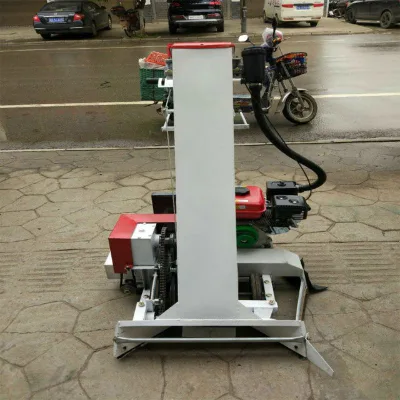


Multi-Function Automatic Packaging Bagging Machine for Food Packaging
$2000.00 - $10000.00
MOQ: 1 Sets
Comprehensive Sourcing Guide
Strategic Sourcing Guide for Automatic Rice Bagging Machines
Selecting the right Automatic Rice Bagging Machine is a critical decision for any operation looking to optimize throughput, ensure packaging integrity, and maintain product quality. The market for these machines is diverse, ranging from semi-automatic units designed for flexible, smaller-scale operations to fully automatic systems engineered for high-volume continuous output. This guide synthesizes available product attributes and industry standards to provide a structured approach for procurement professionals. By focusing on verified technical specifications and compliance requirements, buyers can navigate the complexities of sourcing equipment that aligns with their specific production needs without relying on unverified marketing claims.
Technical Specifications and Forming Capabilities
The core functionality of a rice bagging machine revolves around its ability to form, fill, and seal bags with precision. When evaluating potential equipment, buyers must distinguish between different forming species and functions. The market offers machines utilizing "Bag Moulding" as a primary forming species, which is essential for creating the bag structure before filling. The forming function typically encompasses three critical stages: forming, filling, and sealing. Some advanced units integrate these processes into a single continuous operation, while others may separate them depending on the automation level.
The driven type of the machine is another pivotal technical specification. Options observed in the market include electric, mechanical, and pneumatic drives. Electric-driven systems are common for their reliability and ease of integration with existing plant power grids, while pneumatic systems may offer specific advantages in speed or handling of delicate materials. The automatic grade is equally important; buyers should verify whether a machine is classified as "Semi-Automatic" or "Automatic." Semi-automatic units often require manual intervention for bag placement or sealing, whereas automatic systems are designed for continuous high output with minimal human oversight.
Speed and accuracy are the metrics that define operational efficiency. Observed packing speeds vary significantly based on the model and configuration, with ranges from 3 bags per minute to as high as 12 bags per minute. This variance directly impacts the total daily output capacity. Furthermore, the accuracy of the weighing system is paramount for rice, a commodity often sold by weight. High-precision sensors are utilized to achieve measuring accuracies ranging from ±0.1% to ±0.3%. Some specialized configurations, such as dual hopper systems, claim accuracies of ≤±0.1-0.2%, which is critical for minimizing product giveaway and ensuring regulatory compliance.
Material Compatibility and Packaging Standards
Rice is a granular material, but the specific physical properties of the product—whether it is grain, powder, or pellet—can influence the choice of machinery. The material type observed in the context of these machines includes solid, powder, and grain forms. The machine's contact parts must be compatible with food-grade requirements. Stainless steel is the standard material for contact surfaces, with specific grades like SS304 and SS316L being common. SS316L, in particular, offers superior corrosion resistance and is often preferred for food applications requiring high hygiene standards.
The packaging material and bag type are also critical considerations. The machines are designed to handle woven bags, which may include an outer film or a PE inner bag to protect the rice from moisture and contamination. The bag weight capacity is a key specification, with typical ranges covering 25kg to 50kg packages. Some units are configured for specific bag weights such as 25kg or 50kg, while others offer adjustable ranges. The sealing method is another technical detail to verify; four-side seam sealing is a common standard that ensures a robust closure, preventing spillage and maintaining the freshness of the rice during storage and transport.
| Feature | Common Observation | Verification Requirement |
|---|---|---|
| Forming Species | Bag Moulding | Confirm if the machine forms the bag or uses pre-made bags. |
| Driven Type | Electric, Mechanical, Pneumatic | Match with plant utility availability and maintenance capabilities. |
| Automatic Grade | Semi-Automatic to Automatic | Define the required level of labor reduction. |
| Contact Material | SS304, SS316L | Ensure food-grade certification for direct product contact. |
| Bag Weight | 25kg, 50kg | Verify if the machine supports the specific SKUs required. |
| Sealing Method | Four Side Seam Sealing | Check seal integrity for long-term storage needs. |
Compliance, Certification, and Safety Standards
In the food processing industry, compliance is not merely a formality but a prerequisite for market access. Buyers must verify that the machinery meets international safety and quality standards. While specific certification statuses can vary by manufacturer, the presence of CE and ISO certifications is a strong indicator of adherence to safety and quality management systems. These certifications suggest that the machine has undergone rigorous testing for electrical safety, mechanical integrity, and operational reliability.
The standard of construction is often linked to the material used. For instance, the use of 304 stainless steel is a common standard for contact parts, ensuring that the machine does not introduce contaminants into the food product. Additionally, the control system plays a vital role in compliance and safety. Modern machines often feature a PLC (Programmable Logic Controller) with a touch screen interface, which allows for precise control over the filling and sealing processes. This digital interface also facilitates data logging, which is essential for traceability and quality audits.
Buyers should also consider the environmental and operational safety standards. Features such as dust-proof chain conveyors are important for maintaining a clean working environment, especially when handling fine powders or granular materials like rice. The production performance should be continuous and high-output, but this must not come at the expense of safety protocols. Verifying that the machine includes necessary safety guards and emergency stop mechanisms is a fundamental step in the evaluation process.
Cost Drivers and Economic Considerations
The cost of an Automatic Rice Bagging Machine is influenced by several factors, including the level of automation, the complexity of the forming and sealing mechanisms, and the materials used in construction. The observed price range in the market is substantial, spanning from approximately $568 to $71,000. This wide variance reflects the difference between basic semi-automatic units and highly sophisticated fully automatic lines with advanced weighing systems and PLC controls.
When analyzing cost, buyers must look beyond the initial purchase price. The Minimum Order Quantity (MOQ) is another economic factor, with observed ranges from 1 to 32 units. For small-scale operations or pilot projects, a lower MOQ allows for a more manageable capital investment. However, for large-scale deployments, negotiating volume discounts may be necessary. The packaging of the machine itself, often in wooden boxes or cases, adds to the logistics cost and must be factored into the total landed cost.
Customization is a significant cost driver. While customization is available for many machines, tailored solutions for specific bag types, filling speeds, or integration with existing conveyor systems will incur additional expenses. Buyers should clearly define their requirements to avoid paying for unnecessary features while ensuring that the machine meets their specific operational needs. The weighing system accuracy, such as the dual hopper 0.2% accuracy, is a premium feature that justifies a higher price point due to the reduction in product loss and improved compliance.
Supplier Evaluation and Operational Fit
Evaluating a supplier requires a holistic view of their capabilities, not just the specifications of a single machine. The origin of the product is a key indicator of supply chain logistics. Many machines are manufactured in China, with specific origins noted in regions like Fujian and Zhangzhou. Understanding the location of the manufacturer helps in estimating lead times and shipping costs. However, buyers should not rely solely on location; the supplier's reputation for after-sales support and spare parts availability is equally critical.
The operation mode of the machine, such as manual bag plating, indicates the level of human involvement required. For facilities aiming to reduce labor costs, a fully automatic mode is preferable. Conversely, facilities with flexible production needs might benefit from semi-automatic options that allow for easier changeovers between different bag sizes or types. The conveyor system, such as a dust-proof chain, should be evaluated for its compatibility with the existing factory layout and its ability to handle the specific flow of rice bags.
Buyers should also assess the supplier's ability to provide documentation and training. A machine with a PLC touch screen interface is only as good as the operator's ability to use it. Suppliers who offer comprehensive training and clear documentation in the buyer's language add significant value. Furthermore, the availability of a warranty and the responsiveness of the technical support team are essential for minimizing downtime. A supplier that provides a robust support network ensures that the machine remains operational for its intended lifespan.
Quality Control and Long-Term Procurement Strategy
Implementing a robust quality control (QC) strategy is essential for maintaining the integrity of the rice bagging process. The accuracy of the weighing system, typically ranging from ±0.1% to ±0.3%, must be verified through regular calibration and testing. The use of high-precision sensors is a standard feature, but their performance must be validated under actual operating conditions. Buyers should establish a protocol for routine checks to ensure that the machine continues to meet accuracy standards over time.
Long-term procurement considerations extend beyond the initial purchase. The durability of the machine, determined by the quality of materials like SS304 or SS316L, is a key factor in its lifespan. The production performance, described as continuous high output, suggests that the machine is designed for heavy-duty use, but this requires regular maintenance. Buyers should plan for the procurement of spare parts, such as sealing elements, sensors, and conveyor chains, to prevent production stoppages.
The application of the machine is another long-term consideration. While the primary application is for rice, many machines are versatile enough to handle flour, tea, and other granular or powdery materials. This versatility can be a strategic advantage, allowing the facility to adapt to changing market demands without investing in new equipment. However, buyers must verify that the machine's specifications, such as the packing speed and bag type, remain suitable for these alternative applications.
In conclusion, sourcing an Automatic Rice Bagging Machine requires a meticulous approach that balances technical specifications, compliance requirements, and economic factors. By focusing on verified attributes such as forming species, material grades, and accuracy ranges, buyers can make informed decisions that enhance their production efficiency and product quality. The wide range of options available, from semi-automatic to fully automatic systems, offers flexibility for different operational scales. Ultimately, the success of the procurement lies in selecting a machine that not only meets current needs but also supports future growth and adaptability in the dynamic food processing industry.
FAQs
What forming functions do automatic rice bagging machines perform?
These machines typically perform forming, filling, and sealing functions in a single operation. Some models utilize bag moulding to create the bag structure before filling, ensuring a complete packaging process for rice and flour products.
Which automatic grade options are available for rice bagging equipment?
Buyers can choose between semi-automatic and automatic grades depending on their production needs. Semi-automatic units often require manual bag placement, while automatic systems are designed for continuous high output with minimal human oversight.
How accurate are the weighing systems in these bagging machines?
High-precision sensors are used to achieve measuring accuracies ranging from plus or minus 0.1% to plus or minus 0.3%. Some specialized configurations, such as dual hopper systems, claim accuracies of less than or equal to plus or minus 0.1 to 0.2 percent.
What materials are used for the contact parts of these machines?
Contact parts are commonly made from food-grade stainless steel, specifically grades SS304 and SS316L. SS316L offers superior corrosion resistance, making it suitable for food applications requiring high hygiene standards during the packaging of rice and grains.
Can these machines handle different bag weights and types?
Yes, the machines are designed to handle bag weights ranging from 25kg to 50kg. They support various bag types including woven bags with outer films or PE inner bags, accommodating both open mouth and sealed bag requirements.
What certifications should buyers look for in these machines?
Buyers should verify that the machinery meets international safety standards, with CE and ISO certifications being strong indicators of compliance. These certifications suggest the machine has undergone rigorous testing for electrical safety and mechanical integrity.
What is the typical packing speed for these automatic machines?
Observed packing speeds vary significantly, ranging from 3 bags per minute to as high as 12 bags per minute. This variance directly impacts the total daily output capacity and should be matched against specific production throughput requirements.