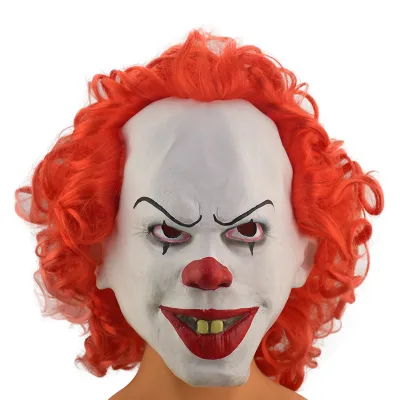
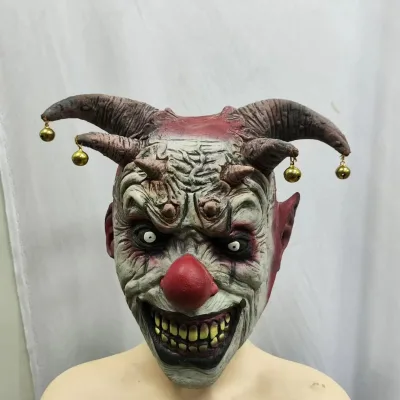
Source Eco-Friendly Western Halloween Clown Mask for parties
Compare 30 listings for Eco-Friendly Western Halloween Clown Mask from verified suppliers. Buyers can review materials like plastic and latex, print methods, and MOQs to find suitable options for costume parties and festival celebrations; compare the available evidence and request quotations based on your requirements.
Key considerations
Products List
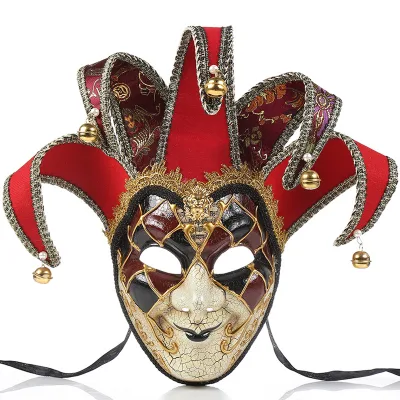
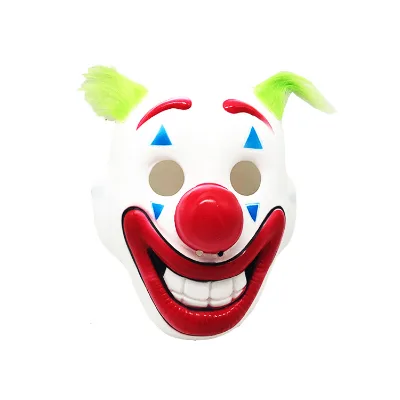
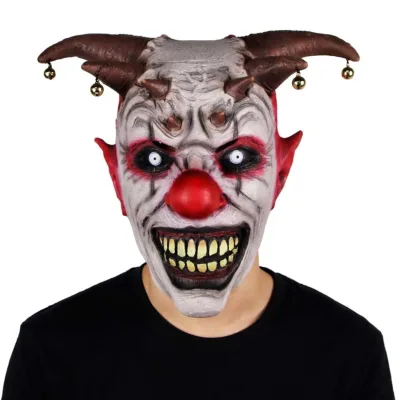

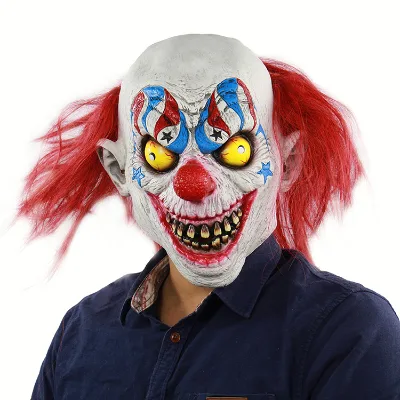


High Quality Custom Masquerade Clowns Carnival Clown Halloween Scary Full Face Party Masks
$0.29 - $0.35
MOQ: 2900 Pieces


![Clown Cosplay Masks] Halloween Clown Cosplay Masks Joker Mask](https://file.focusaim.com/api/image/preview/e9d57cda1d8386f38a8e048230524668.png?bi=true&local=true)


2024 Latest Halloween Party Scary Evil Clown Horror Face Zombie Costume Cosplay Mask
$5.13 - $5.15
MOQ: 200 Pieces


Halloween Horror Clown Cosplay Party Plastic Full Face Terror Props Mask
$0.29 - $0.35
MOQ: 1000 Pieces


Printed Design Reusable Party Supply Halloween Horror Latex Michael Mask
$4.18 - $4.25
MOQ: 300 Pieces



Comprehensive Sourcing Guide
Eco-Friendly Western Halloween Clown Mask Sourcing Guide
Procuring eco-friendly western-style clown masks requires navigating a market where traditional plastic and latex dominate, making sustainable material verification a critical first step. Buyers must scrutinize product listings for explicit claims regarding biodegradable polymers or recycled content, as many suppliers default to standard PVC or non-recycled latex without clear environmental disclosures. The observed product data indicates a prevalence of standard plastic and latex materials, necessitating a rigorous request for material safety data sheets to confirm any deviation toward greener alternatives.
Sourcing strategies should prioritize suppliers who can demonstrate a clear supply chain for sustainable inputs, as the "eco-friendly" label is often applied loosely in the current marketplace. Procurement teams should verify if the "plastic" or "latex" mentioned in listings refers to specific bio-based formulations rather than conventional petrochemical derivatives. Without concrete evidence of material composition, buyers risk receiving standard masks that fail to meet corporate sustainability goals or consumer expectations for environmentally responsible party supplies.
Product Scope and Observed Listing Signals
The current market landscape for western clown masks reveals a diverse range of specifications, including adult sizes and full-face coverage options that cater to costume parties and holiday celebrations. Observed listings feature various printing methods such as gravure, digital, and embossing, alongside patterns ranging from cartoon to animal themes, which suggests a broad scope of design capabilities available to buyers. However, the presence of standard plastic and latex materials in the majority of observed data highlights a gap between the desired eco-friendly attributes and the typical product offerings found in general catalogs.
Buyers must carefully distinguish between generic party masks and those specifically engineered with sustainable materials, as the term "eco-friendly" is not universally applied across all listed items. The observed data includes specific model numbers and sizes like 16*33cm or adult sizes, indicating that customization is possible but material composition varies significantly between suppliers. Procurement teams should focus on filtering for products that explicitly state the use of recycled or biodegradable components to ensure alignment with the core keyword requirements.
Technical Specifications to Verify
Technical verification must begin with the material composition, as the observed listings frequently cite "plastic" or "latex" without specifying the environmental impact of these substances. Buyers should demand detailed specifications regarding the polymer type, ensuring that any "plastic" used is either recycled or bio-based, and that latex is sourced from sustainable plantations or is a certified natural rubber alternative. The absence of specific eco-material data in standard listings necessitates a proactive request for technical sheets that define the exact chemical makeup and end-of-life disposal properties of the mask.
Dimensional and functional specifications also require close attention, as the observed data includes varying sizes and single package dimensions that may affect shipping efficiency and material usage. While some listings mention features like "trendy" designs or specific color options, the physical attributes such as weight and package size must be evaluated for their contribution to the overall carbon footprint. Buyers should verify if the manufacturing process utilizes low-impact printing techniques, such as water-based inks, to complement the material sustainability claims found in the product specifications.
Compliance and Safety Documentation
Safety compliance is paramount for masks intended for adult use, particularly given the observed "18+ Years" age group designation in several product listings. Buyers must ensure that all masks, regardless of material claims, meet international safety standards for respiratory safety and skin contact, as clown masks often cover the entire face and can pose suffocation risks if not properly ventilated. Documentation should include test reports verifying that the materials do not release harmful volatile organic compounds (VOCs) or heavy metals, which are common concerns with standard plastic and latex products.
Environmental compliance documentation is equally critical when sourcing "eco-friendly" items, as buyers need proof that the product meets relevant green certifications or regulatory frameworks. Since the observed data does not explicitly list certifications, procurement teams must request third-party verification for claims regarding biodegradability or recycled content. This documentation should cover the entire lifecycle of the product, from raw material extraction to manufacturing, ensuring that the "eco-friendly" label is backed by verifiable data rather than marketing assertions.
Cost Drivers and Commercial Terms
Cost structures for eco-friendly masks are heavily influenced by the premium associated with sustainable materials and specialized manufacturing processes. While observed listings show a wide price range from $0.29 to $27.80, the lower end typically reflects standard plastic or latex products, whereas higher prices may indicate the use of recycled or bio-based materials. Buyers should anticipate a cost premium for verified eco-friendly options and factor this into their budgeting, understanding that sustainable sourcing often involves higher raw material costs and more complex supply chain management.
Commercial terms such as Minimum Order Quantity (MOQ) and payment conditions also play a significant role in the total cost of ownership. The observed MOQ range of 1 to 10,000 pieces suggests flexibility, but suppliers of specialized eco-materials may enforce higher MOQs to justify production runs. Payment terms like T/T are common, but buyers should negotiate favorable conditions that account for the longer lead times often associated with sourcing sustainable materials, ensuring that cash flow is not strained by extended production cycles.
Supplier Qualification and Quality Control
Supplier qualification for eco-friendly masks requires a deep dive into their manufacturing capabilities and commitment to sustainability. Buyers should assess whether suppliers have dedicated production lines for green materials or if they simply blend standard materials with eco-friendly claims. The observed data indicates suppliers in Zhejiang and Guangdong, China, but the specific environmental practices of these facilities must be verified through audits or third-party assessments to ensure they adhere to strict quality and sustainability standards.
Quality control protocols must be robust to prevent the mixing of non-compliant materials with eco-friendly batches, a risk that is higher in complex supply chains. Buyers should implement strict incoming inspection procedures that include material testing to verify the presence of claimed sustainable components. Regular audits of the supplier's facility are essential to ensure that the "eco-friendly" attributes are maintained throughout the production process, from raw material storage to final packaging, preventing any degradation of product integrity.
Long-Term Procurement Checks
Establishing a long-term procurement strategy for eco-friendly masks involves continuous monitoring of market trends and supplier performance regarding sustainability claims. Buyers should regularly review the supplier's ability to maintain material consistency and their responsiveness to evolving environmental regulations. The dynamic nature of the eco-friendly market means that what is considered sustainable today may change, requiring ongoing dialogue with suppliers to ensure that the product specifications remain aligned with the latest green standards and consumer expectations.
Building a resilient supply chain also requires diversifying suppliers to mitigate risks associated with material shortages or production disruptions. Buyers should cultivate relationships with multiple vendors who can demonstrate a track record of delivering verified eco-friendly products, ensuring that the procurement pipeline remains stable. Regular performance reviews should include metrics on sustainability, such as the percentage of recycled content or carbon footprint reduction, to drive continuous improvement and ensure that the long-term procurement goals are met without compromising on quality or compliance.
FAQs
What materials are used for these masks?
The masks are primarily made from plastic and latex. Plastic versions offer durability for party wear, while latex options provide a flexible fit. Buyers can choose based on comfort preferences and intended usage for costume events or holiday celebrations.
What is the minimum order quantity?
The minimum order quantity varies by supplier, typically ranging from 2 pieces to 10,000 pieces. Some vendors accept small MOQs of just 2 pcs for testing, while others require bulk orders. Buyers should verify specific MOQ requirements with each manufacturer before placing an order.
Can I customize the logo on the mask?
Yes, many suppliers accept customized logos for these masks. You can request branding on the product surface using methods like digital or gravure printing. This allows businesses to add their own designs or company marks to the Halloween party supplies for promotional purposes.
Where are these masks manufactured?
These masks are manufactured in China, specifically in regions like Zhejiang and Guangdong. Buyers sourcing from these locations can access a wide range of suppliers offering various printing methods and materials. The origin ensures competitive pricing and established supply chains for bulk orders.
What printing methods are available?
Available printing methods include gravure, digital, and embossing printing. Some products support 1 to 6 color printing options. Buyers can select the method that best suits their design complexity and aesthetic requirements for the Halloween clown mask or other party accessories.
What is the packaging for these masks?
The masks are typically packed in OPP bags for individual protection. This packaging method is standard for single-item sales and helps maintain product hygiene during shipping. Buyers should confirm if bulk carton packaging is available for larger orders to optimize logistics and storage.