Source B5 Size Sketchbook for Students and Artists
Explore 30 options for a B5 Size Sketchbook for Students, featuring perfect binding, spiral, and saddle-stitched styles. Compare paper materials, cover types, and customization availability to find the right fit for school, gifts, or daily drawing.
Key considerations
Products List
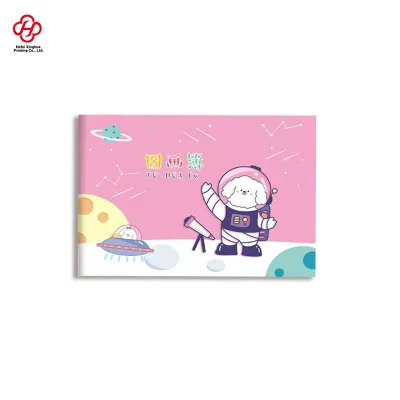
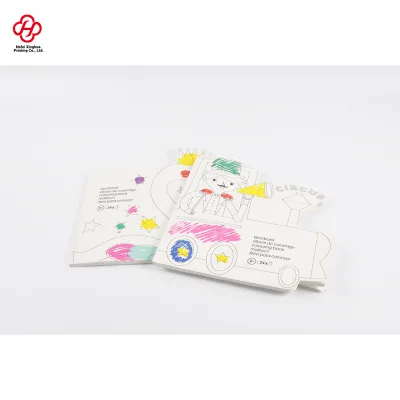


Sketch Notebook A3/A4 for Drawing for School Paper Customized Sketch Book
$1.80 - $2.00
MOQ: 500 Pieces

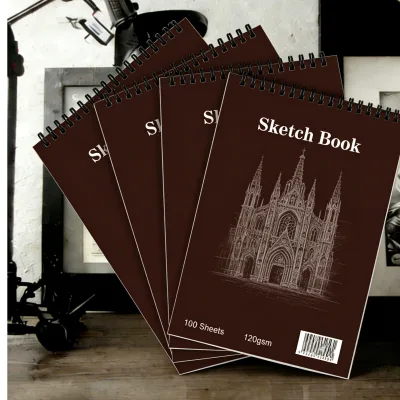
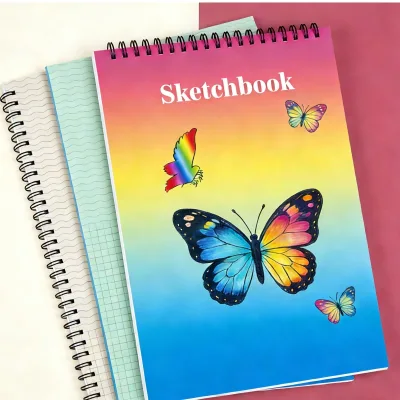
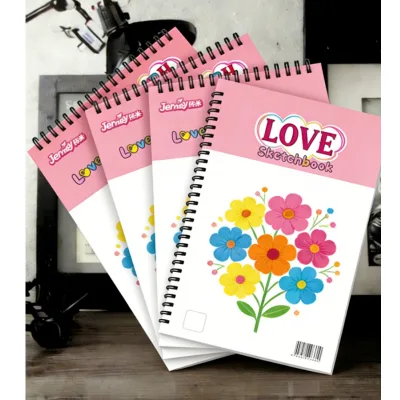


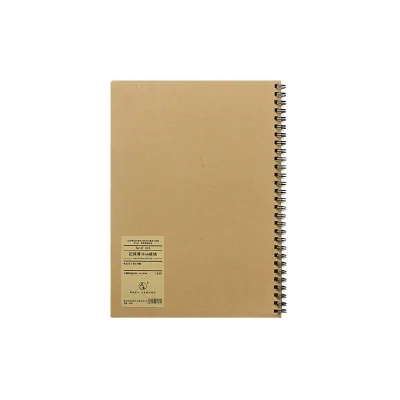
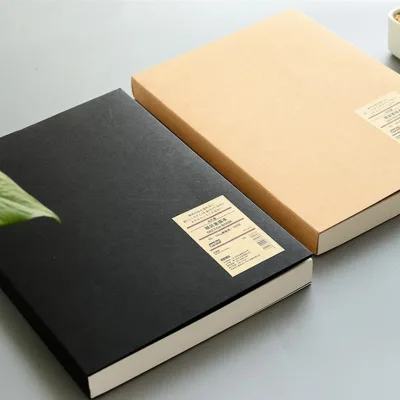
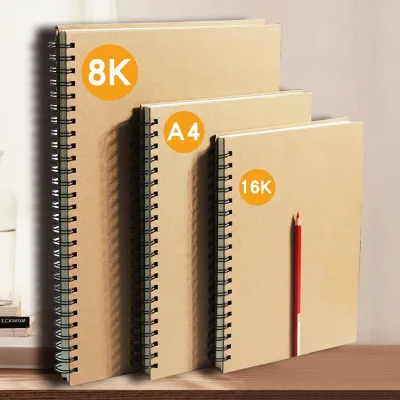
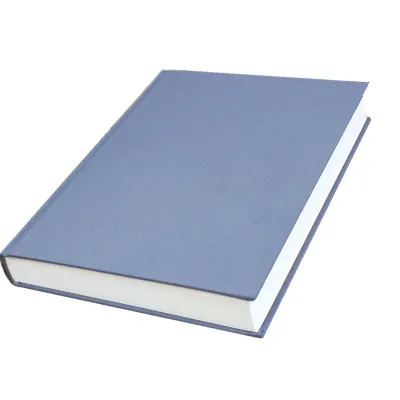
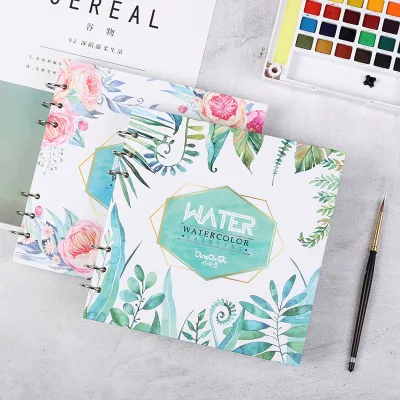
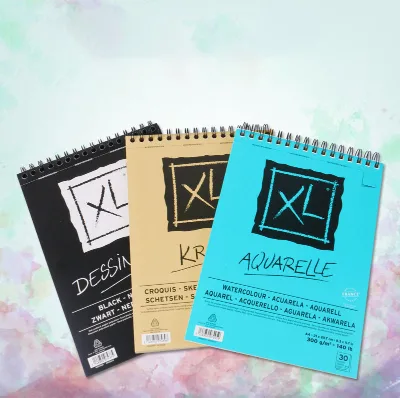


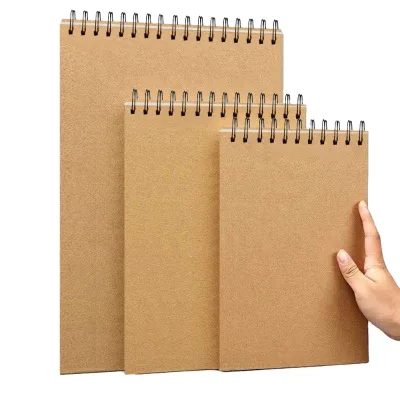
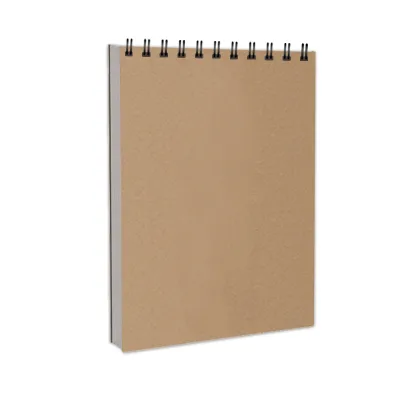
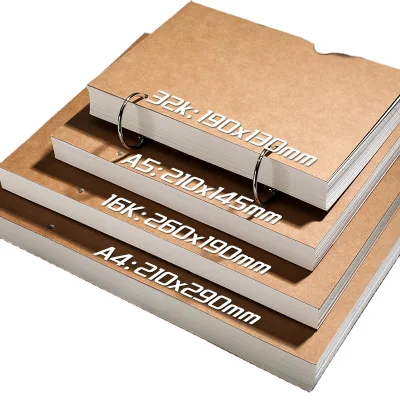

160g Thicken Portable Recyclal Drawing Book 8K Sketchbook for Students
$0.05 - $0.08
MOQ: 10000 Pieces
Comprehensive Sourcing Guide
B5 Size Sketchbook for Students Sourcing Guide
Product Scope and Observed Listing Signals
The current market landscape for B5 size sketchbooks reveals a diverse array of options tailored to student needs, with observed listing prices ranging from $0.05 to $18.50 USD. This wide variance suggests that buyers can find entry-level options for bulk classroom distribution as well as premium, branded products intended for promotional gifts or high-end retail. The minimum order quantities (MOQs) observed span from 1 to 10,000 units, indicating flexibility for both small-scale trial orders and large-volume institutional procurement. Buyers should note that while B5 dimensions (252*170mm) are a specific offering, many suppliers also provide customized sizes, allowing for greater adaptability to specific curriculum requirements or branding preferences.
Product attributes indicate a strong emphasis on customization and branding, with many listings highlighting "Printed" styles and "Gift" or "Promotion" usage scenarios. The core material is consistently identified as paper-based, with covers ranging from standard paper products to hard paper and laminated coated paper options. Binding methods vary significantly across the supply base, including perfect binding, spiral binding, and saddle stitching, which directly impacts the durability and usability of the sketchbook for daily student use. Additionally, the inner pages are frequently described as blank, suitable for pencil drawing, with sheet counts varying from as few as 10 sheets to over 60 sheets, allowing buyers to match the product to the intensity of the intended artistic activity.
Technical Specifications to Verify
When evaluating B5 sketchbooks, the binding method is a critical technical specification that determines the product's longevity and user experience. Perfect binding is common for composition-style books, offering a clean, professional look but potentially limiting how flat the book lies when open. In contrast, spiral binding provides superior flexibility, allowing the sketchbook to lay completely flat, which is often preferred by students for drawing and sketching tasks. Saddle stitching is another option, typically used for thinner notebooks, but may not support the higher page counts found in premium sketchbooks. Buyers must verify the specific binding type for each SKU to ensure it aligns with the durability expectations for school environments.
The paper specifications, including weight, finish, and inner page count, are equally important for determining the sketchbook's suitability for different artistic mediums. While many listings specify "Pencil" as the painting paper type, indicating a standard matte or slightly textured finish suitable for graphite and charcoal, buyers should confirm if the paper is acid-free to prevent yellowing over time. The inner page count varies widely, with some products offering as few as 10 sheets and others providing 40-60 sheets or more. It is essential to verify whether the pages are truly blank or if they feature any pre-printed guidelines, as this affects the product's versatility for both freehand drawing and structured exercises.
Compliance and Safety Documentation
For products intended for student use, verifying compliance with safety standards is paramount, particularly regarding the materials used in the cover and inner pages. While specific certification statuses are not universally listed in the observed data, buyers should request documentation confirming that the paper products and any coatings, such as laminated finishes, are free from harmful substances like heavy metals or toxic adhesives. This is especially relevant for younger students who may handle the materials frequently. Ensuring that the manufacturing process adheres to recognized environmental and safety standards can mitigate risks associated with chemical exposure and ensure the product is safe for daily classroom use.
Additionally, buyers should verify the origin of the materials and the manufacturing location to ensure alignment with import regulations and sustainability goals. The observed data indicates that many of these sketchbooks originate from Anhui, China, a region known for its paper manufacturing capabilities. Understanding the supply chain origin helps in assessing the reliability of the source and potential logistical considerations. Buyers should also inquire about the packaging materials, such as PP bags or cartons, to ensure they meet any local recycling or waste management regulations in the destination market.
Cost Drivers and Commercial Terms
The cost of B5 sketchbooks is influenced by several key factors, including the complexity of the binding, the quality of the paper, and the level of customization required. Products with spiral binding or hard covers typically command higher prices due to the additional materials and labor involved in their construction. Similarly, customized sizes and printed covers add to the production cost, which is reflected in the observed price range. Buyers should carefully evaluate the trade-off between cost and quality, considering that lower-priced items may use thinner paper or less durable binding methods that could lead to higher replacement costs in the long run.
Commercial terms, such as MOQs and payment conditions, also play a significant role in the total cost of ownership. The observed MOQs range from 1 to 10,000 units, offering flexibility for different procurement strategies. Small buyers may face higher per-unit costs due to lower economies of scale, while large-volume buyers can negotiate better pricing and potentially more favorable payment terms. It is advisable to clarify all shipping and handling costs, as well as any potential tariffs or duties, to get a complete picture of the landed cost. Understanding these commercial dynamics helps in budgeting accurately and selecting the most cost-effective supplier for the specific procurement volume.
Supplier Qualification and Quality Control
Selecting a reliable supplier requires a thorough assessment of their production capabilities and quality control processes. Buyers should verify the supplier's experience in manufacturing paper products and their ability to meet specific technical requirements, such as precise B5 dimensions and consistent binding quality. Requesting samples is a crucial step in this process, allowing buyers to physically inspect the product for defects, such as loose pages, uneven cuts, or poor adhesive application. This hands-on evaluation helps ensure that the supplier can deliver products that meet the expected standards of durability and aesthetics.
Furthermore, buyers should inquire about the supplier's quality assurance protocols, including in-process inspections and final random inspections before shipment. A robust quality control system minimizes the risk of receiving defective batches and ensures consistency across large orders. Suppliers who provide detailed packing information, such as "1PC/PP Bag, 50PCS/Carton," demonstrate a level of organization and attention to detail that is indicative of a professional operation. Establishing clear communication channels and defining quality expectations upfront helps build a strong partnership and reduces the likelihood of disputes or dissatisfaction with the delivered goods.
Long-Term Procurement Checks
Establishing a long-term procurement strategy for B5 sketchbooks involves regular monitoring of supplier performance and market trends. Buyers should track key performance indicators such as on-time delivery rates, product defect rates, and responsiveness to issues. Consistent performance in these areas is a strong indicator of a supplier's reliability and commitment to quality. Additionally, staying informed about changes in paper prices and manufacturing costs can help buyers anticipate price fluctuations and negotiate more effectively in future contracts. This proactive approach ensures that the procurement process remains efficient and cost-effective over time.
It is also important to periodically reassess the product specifications to ensure they continue to meet the evolving needs of students and educational institutions. As artistic tools and techniques change, the demand for specific paper types, binding styles, or cover materials may shift. Engaging with end-users, such as teachers and students, can provide valuable feedback on product usability and durability, guiding future purchasing decisions. By maintaining a flexible and responsive procurement strategy, buyers can ensure that the sketchbooks they source remain relevant, high-quality, and suitable for their intended educational purposes.
FAQs
What is the standard size for this sketchbook?
The standard size is B5 measuring 252 by 170 millimeters. Some models also offer customized dimensions to meet specific student needs or classroom requirements.
How many inner pages does the sketchbook contain?
Inner page counts vary between 10 sheets and up to 60 sheets depending on the specific model selected. Buyers should verify the exact sheet count before ordering.
Which binding types are available for these notebooks?
Available binding options include perfect binding, spiral binding, and saddle stitching. The choice depends on the specific product model and intended usage for students.
Can I request customization for the cover design?
Customization is available for the cover design and specifications. Buyers can request printed styles or specific dimensions to align with promotional or gift purposes.
What material is used for the cover?
The cover is made from paper products, including laminated coated paper or hard paper options. This ensures durability while maintaining a lightweight profile for students.
Where are these sketchbooks manufactured?
These products originate from Anhui, China. The manufacturing location ensures consistent quality standards for paper materials used in composition books and sketch notebooks.
What is the minimum order quantity for purchase?
The minimum order quantity ranges from 1 to 10,000 units depending on the supplier and specific product configuration. Buyers should confirm the exact MOQ for their order.