Source BA Surface Stainless Steel Sheet for boilers, containers, and molds
Explore 30 listings for BA Surface Stainless Steel Sheet with thickness from 0.02mm to 300mm and various grades like 304 and 316L. Buyers can compare cold rolled options, surface finishes, and customization availability for industrial applications.
Key considerations
Products List


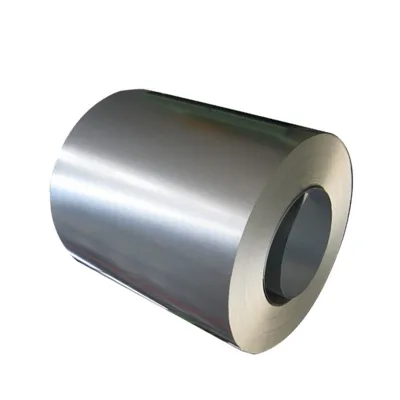
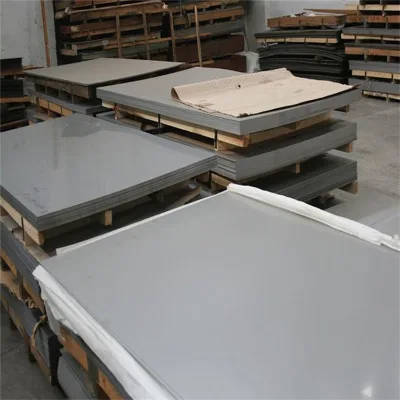
High Quality Thickness Stainless Steel Sheet 304 Stainless Steel Plate 12 mm Sus Steel Sheet
$21.99 - $60.09
MOQ: 500 kilograms
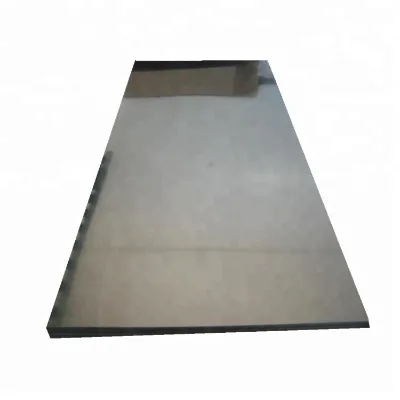


304 Stainless Steel Plate / Stainless Steel Sheet 304 with Mirror Surface
$1300.00 - $1900.00
MOQ: 1 Tons

304 Stainless Steel Plate / Stainless Steel Sheet 304 with Mirror Surface
$725.00 - $880.00
MOQ: 1 Tons


Stainless Steel Factory 201 304 0.8mm 1.0mm Stainless Steel Sheet/Plate
$700.00 - $1200.00
MOQ: 5 Tons

Comprehensive Sourcing Guide
Strategic Sourcing Guide for BA Surface Stainless Steel Sheet
Understanding the BA Surface Finish and Technical Specifications
The "BA" designation in stainless steel terminology refers to a Bright Annealed finish, a specific surface treatment process that distinguishes the material from standard cold-rolled or pickled sheets. In the context of procurement, the BA surface is characterized by a highly reflective, mirror-like appearance achieved by annealing the steel in a controlled atmosphere furnace. This process prevents oxidation during heat treatment, resulting in a surface that requires no further polishing to achieve a high luster. When sourcing this specific material, buyers must recognize that the surface finish is a critical performance attribute that directly influences both the aesthetic value and the corrosion resistance of the final product.
Based on the available product data, the BA surface is often listed alongside other finishes such as 2b, No.1, No.4, Hl, and 8K. This indicates that the BA finish is one of several standardized surface treatments available in the market, each serving different functional requirements. The technical specifications for these sheets vary significantly depending on the intended application. For instance, thickness ranges observed in the market span from as thin as 0.02mm to as thick as 300mm, with specific BA-finished products often falling within the 0.03mm to 3.0mm range for coil applications and 0.3mm to 6.0mm for plate applications. Widths are similarly flexible, ranging from 2mm to 1219mm or customized to specific project requirements.
The material grade is another pivotal specification. The supply chain for BA surface stainless steel sheets typically includes grades such as 201, 304, 316L, 309S, and 310S. The 304 and 316L grades are particularly common for general industrial and food-grade applications due to their excellent oxidation resistance and high chromium and nickel content. Buyers should verify that the specific sheet they are ordering matches the required grade, as the alloy composition directly impacts the material's ability to withstand corrosive environments and high temperatures. The production technique for these sheets is predominantly cold rolled, which ensures dimensional accuracy and a smooth surface texture essential for the BA finish.
Compliance, Certification, and Standard Verification
Navigating the compliance landscape is essential for ensuring that the sourced stainless steel sheets meet international quality benchmarks and regulatory requirements. The supply data indicates that reputable suppliers often hold certifications such as ISO, RoHS, and IBR. These certifications serve as third-party validations of the manufacturer's quality management systems and adherence to environmental and safety standards. For example, ISO certification implies that the supplier operates under a recognized quality management framework, while RoHS compliance ensures the material is free from specific hazardous substances, which is critical for electronics and consumer goods applications.
In addition to general certifications, the material standards governing the production of these sheets are equally important. The observed product data references a wide array of international standards, including AISI, ASTM, DIN, GB, JIS, and BS. These standards define the chemical composition, mechanical properties, and dimensional tolerances of the stainless steel. For instance, ASTM standards are widely used in North America, while JIS standards are prevalent in Japan and often influence Asian manufacturing practices. Buyers must explicitly request documentation confirming that the product conforms to the specific standard required for their application, such as ASTM A240 for chromium and chromium-nickel stainless steel plate, sheet, and strip.
It is crucial to distinguish between the product's internal standards and external regulatory certifications. While some background information may reference standards like EN 10204, the primary verification should focus on the specific standard listed in the product specification, such as the GMP, FDA, SMS, and 3A standards mentioned for certain food and pharmaceutical applications. These specialized standards ensure the material is safe for contact with food and beverages. When evaluating a supplier, procurement teams should request a Mill Test Certificate (MTC) that details the chemical analysis and mechanical test results, ensuring the material meets the claimed standards. Without this documentation, the risk of receiving substandard material increases significantly, potentially leading to product failure or regulatory non-compliance.
Cost Drivers and Pricing Dynamics in the Stainless Steel Market
The pricing of BA surface stainless steel sheets is influenced by a complex interplay of factors, including raw material costs, processing complexity, and market demand. The observed price range in the market spans from approximately $18.04 to $4,000, reflecting the vast diversity in product specifications. This wide variance is primarily driven by the thickness, width, and grade of the steel. Thinner gauges, such as those in the 0.02mm to 0.3mm range, often command different price points compared to thicker plates, which require more raw material and energy to produce.
The grade of the stainless steel is another significant cost driver. Grades with higher nickel content, such as 316L, are generally more expensive than standard grades like 201 or 304 due to the fluctuating prices of nickel and chromium on the global commodities market. The BA surface finish itself adds a layer of processing cost, as the bright annealing process requires specialized equipment and controlled atmospheres to prevent surface oxidation. This additional step differentiates BA sheets from standard 2b finish sheets, which are typically less expensive.
Order volume and customization also play a critical role in determining the final price. The market data shows a minimum order quantity (MOQ) range from 1 to 1000 units, indicating that suppliers are willing to accommodate both small experimental orders and large-scale industrial procurement. Small orders may incur a higher per-unit cost due to the setup and handling fees associated with smaller production runs. Conversely, larger orders often benefit from economies of scale, resulting in a lower unit price. Customization options, such as specific widths, lengths, or thickness tolerances of +/-5%, can further influence the cost. Buyers should be prepared to negotiate based on their volume requirements and the degree of customization needed to optimize their total cost of ownership.
Typical Applications and Industry Use Cases
The versatility of BA surface stainless steel sheets makes them suitable for a broad spectrum of applications across various industries. The high reflectivity and smooth surface finish make these sheets ideal for decorative and architectural applications where aesthetics are paramount. Common uses include elevator interiors, wall cladding, and signage, where the mirror-like finish enhances the visual appeal of the space. The durability and corrosion resistance of the material ensure that these decorative elements maintain their appearance over time, even in high-traffic areas.
Beyond aesthetics, BA surface sheets are extensively used in the food and beverage industry. The smooth surface prevents bacteria buildup and facilitates easy cleaning, making it a preferred choice for food processing equipment, kitchen countertops, and storage tanks. The availability of FDA and 3A certified materials further supports their use in these sensitive environments. In the medical and pharmaceutical sectors, the non-porous surface and compliance with GMP standards make these sheets suitable for surgical instruments, hospital equipment, and cleanroom panels.
Industrial applications also leverage the properties of BA surface stainless steel. The material is used in the manufacturing of boilers, containers, flanges, and ship plates, where structural integrity and resistance to harsh environments are critical. The specific grades available, such as 309S and 310S, offer enhanced heat resistance, making them suitable for high-temperature applications like furnace components and exhaust systems. Additionally, the material is utilized in the production of molds, dies, and cutting tools, where the precision and strength of the steel are essential for maintaining tool life and product quality.
Supplier Evaluation and Selection Criteria
Selecting the right supplier for BA surface stainless steel sheets requires a thorough evaluation of their capabilities, reputation, and operational standards. Buyers should prioritize suppliers who demonstrate a clear understanding of the technical requirements associated with the BA finish. This includes verifying their ability to produce sheets with the correct surface finish, thickness tolerances, and material grades. The presence of certifications such as ISO, RoHS, and IBR is a strong indicator of a supplier's commitment to quality and compliance.
The supplier's production capacity and flexibility are also critical factors. The ability to offer customization, such as specific widths, lengths, and thicknesses, indicates a supplier that can adapt to unique project requirements. The observation that small orders are accepted suggests that the supplier is flexible and capable of handling diverse order sizes, which is beneficial for buyers with varying procurement needs. Additionally, the supplier's location, such as Ningbo, China, and their logistics capabilities, including the use of seaworthy wooden pallets and waterproof paper packaging, should be considered to ensure safe and timely delivery.
Lead time and delivery terms are other important considerations. The market data indicates a delivery time range of 1-15 days, which suggests that suppliers can generally fulfill orders quickly. However, buyers should confirm the specific lead time for their order size and customization requirements. Trade terms such as FOB (Free on Board) are common, and buyers should understand their responsibilities under these terms regarding shipping and insurance. Finally, the supplier's willingness to provide samples, even if the buyer bears the express charges, demonstrates confidence in their product quality and allows buyers to verify the material before committing to a larger order.
Quality Control and Long-Term Procurement Considerations
Implementing a robust quality control (QC) strategy is essential for ensuring the consistent quality of BA surface stainless steel sheets. Buyers should establish clear acceptance criteria based on the product specifications, including surface finish, dimensional tolerances, and material composition. Regular inspections, both during production and upon delivery, can help identify and address any quality issues early in the supply chain. The use of standardized testing methods and the requirement for Mill Test Certificates are fundamental steps in this process.
Long-term procurement considerations involve building a sustainable relationship with suppliers who can consistently meet quality and delivery expectations. This includes monitoring the supplier's performance over time, tracking their ability to meet lead times, and assessing their responsiveness to any issues that arise. Buyers should also stay informed about market trends and price fluctuations, as these factors can impact the cost and availability of stainless steel. By maintaining a strategic approach to procurement, buyers can mitigate risks and ensure a steady supply of high-quality BA surface stainless steel sheets for their operations.
| Feature | Observation from Data | Procurement Verification Action |
|---|---|---|
| Surface Finish | BA, 2b, No.1, No.4, Hl, 8K | Request sample to verify reflectivity and smoothness. |
| Thickness | 0.02mm - 300mm (varies by product) | Confirm specific thickness tolerance (e.g., +/-5%). |
| Material Grade | 201, 304, 316L, 309S, 310S | Verify Mill Test Certificate for chemical composition. |
| Certifications | ISO, RoHS, IBR, FDA, 3A | Request valid certification documents for current year. |
| Packaging | Pallet, Waterproof Paper, Wooden Pallet | Inspect packaging for damage upon delivery. |
| Lead Time | 1-15 Days | Confirm specific timeline for order size and customization. |
By adhering to these guidelines and maintaining a rigorous approach to supplier evaluation and quality control, buyers can successfully navigate the complexities of sourcing BA surface stainless steel sheets. This disciplined strategy ensures that the procured materials meet the highest standards of quality and performance, supporting the success of diverse industrial and commercial applications.
FAQs
What surface finishes are available for stainless steel sheets?
Available surface finishes include 2b, Ba, No.1, No.4, Hl, and 8K. The BA finish offers a bright annealed, mirror-like appearance without further polishing. Other options like 2b are standard cold-rolled surfaces suitable for different industrial needs.
Which certifications do these stainless steel sheets hold?
Products commonly hold ISO, RoHS, and IBR certifications. Some specialized grades also meet GMP, FDA, SMS, and 3A standards for food and pharmaceutical use. These certifications validate quality management and safety compliance for various applications.
Can I order small quantities of stainless steel sheets?
Yes, small orders are accepted with minimum order quantities ranging from 1 to 1000 units. Suppliers accommodate both experimental small orders and large-scale industrial procurement to suit diverse buyer needs and budget constraints effectively.
What are the standard thickness tolerances for these sheets?
Thickness tolerances are typically set at plus or minus 5 percent. Specific thickness ranges vary from 0.02mm to 300mm depending on the product type. Buyers should verify exact tolerances for their specific project requirements before ordering.
How long does delivery take for these stainless steel products?
Delivery times generally range from 1 to 15 days for standard orders. Actual lead times may vary based on order volume and customization requirements. Suppliers often use seaworthy wooden pallets and waterproof paper for secure packaging during transit.
Which material grades are available for BA surface sheets?
Common material grades include 201, 304, 316L, 309S, and 310S. These grades offer varying levels of corrosion resistance and heat tolerance. Buyers should select grades based on specific application requirements like food safety or high-temperature environments.