Source Baby Milk Powder Storage Container for Travel, Home, and School
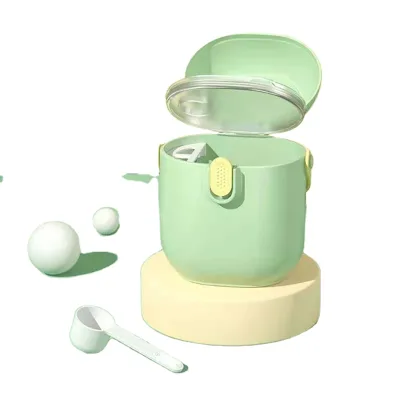
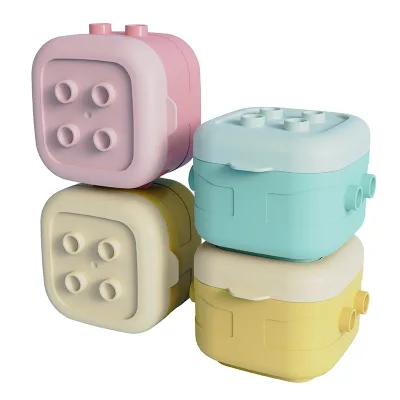
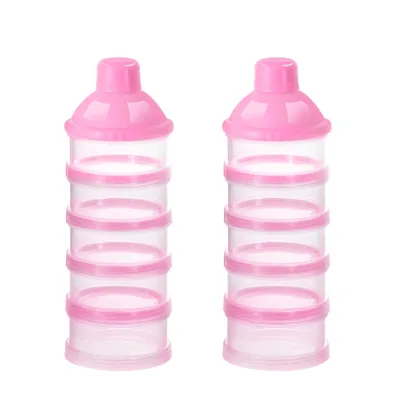
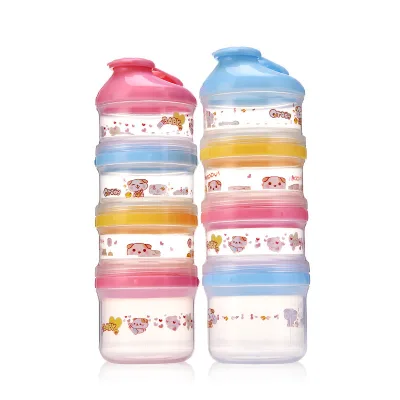
Find 30 Baby Milk Powder Storage Container options from Chinese manufacturers. Buyers can compare models like TLT0310A and RR41, noting features such as PP material, ISO certification, and customizable colors for portable milk powder storage.
Key considerations
Products List


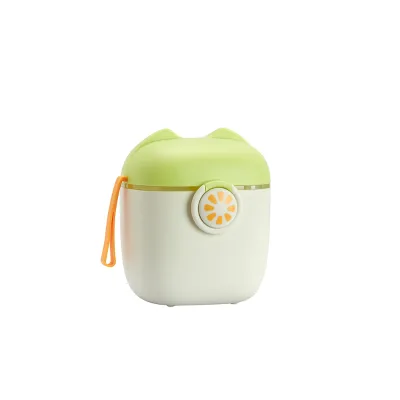
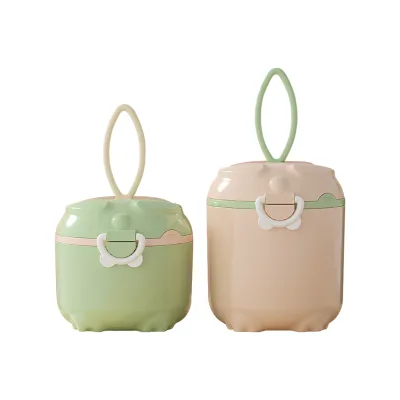
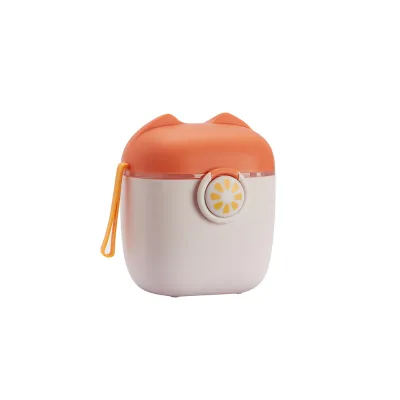
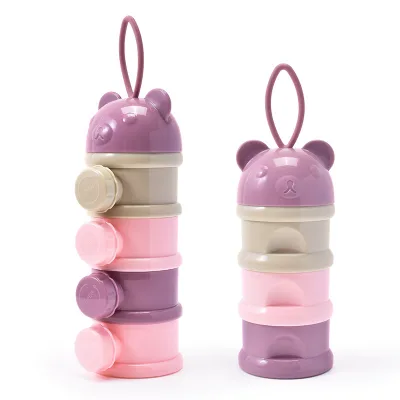
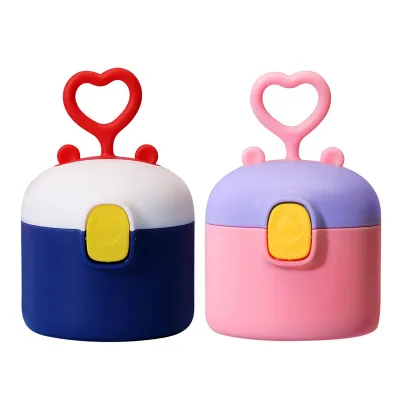
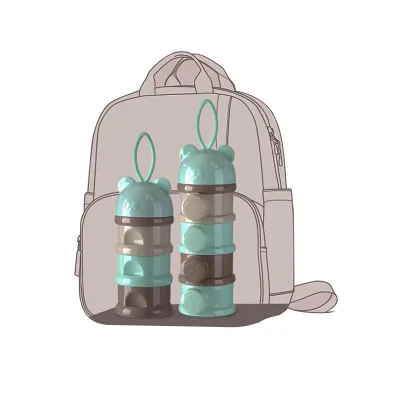
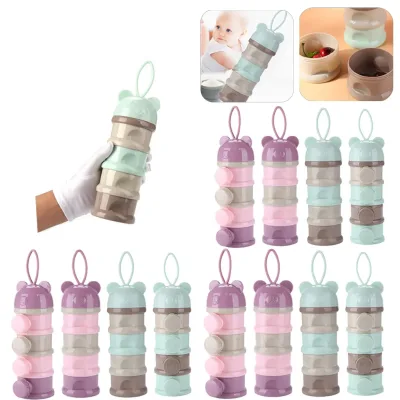

Factory Direct Sale Baby Formula Container Food Storage Milk Powder Box
$1.25 - $1.55
MOQ: 1000 Pieces
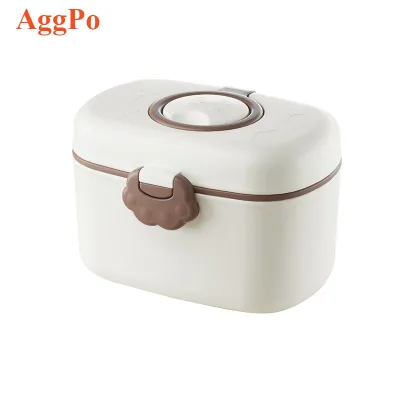
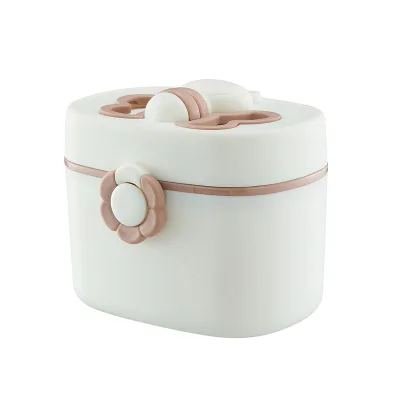
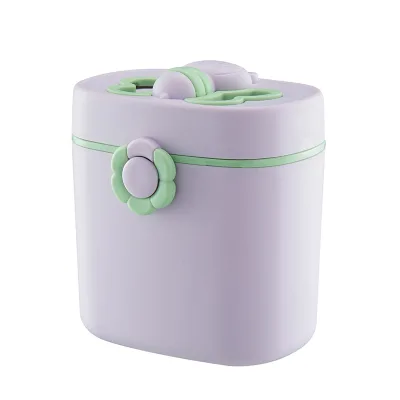
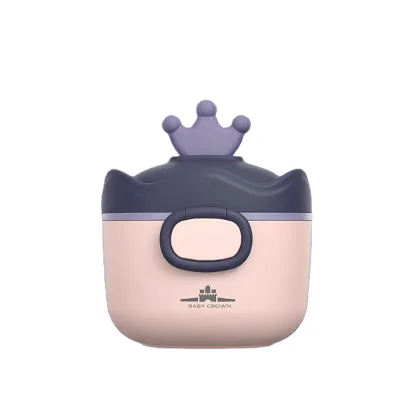
Comprehensive Sourcing Guide
Strategic Sourcing Guide for Baby Milk Powder Storage Containers
The global demand for specialized infant feeding accessories has driven a significant expansion in the market for baby milk powder storage containers. For B2B procurement professionals, navigating this sector requires a rigorous understanding of material science, regulatory compliance, and supply chain logistics. The core product category, often identified as portable baby milk powder storage boxes, serves a critical function in maintaining the hygiene and freshness of infant nutrition during travel and daily routines. This guide synthesizes available market data to provide a structured approach for sourcing these essential items, focusing on technical specifications, compliance verification, and cost management strategies without relying on unverified claims.
Technical Specifications and Material Composition
The foundation of a reliable sourcing strategy begins with a detailed analysis of technical specifications. The primary material observed in this product category is Polypropylene (PP). This polymer is selected for its durability, chemical resistance, and ability to withstand repeated cleaning cycles without degrading. Unlike single-use plastics, the products in this segment are explicitly categorized as non-disposable, indicating a design intent for long-term utility. The structural integrity of these containers is often reinforced by specific design features, such as a standard neck style, which ensures a secure seal against moisture and contamination.
Capacity and dimensions vary significantly across the product range, catering to different usage scenarios. Market observations indicate models with capacities ranging from 90ml to 450ml. Smaller units, such as those with a 90ml specification, are ideal for short trips or portion control, while larger 450ml containers support longer outings or bulk storage needs. Physical dimensions also play a role; for instance, specific models are noted with dimensions around 11*10.5cm, while others are classified generally as "Middle" size. Weight is another critical specification, with observed values ranging from 125g to 145g per piece. These weight metrics are essential for logistics planning, as they directly impact shipping costs and the portability of the final product for end-users.
Compliance and Certification Verification
In the infant care sector, regulatory compliance is not merely a formality but a prerequisite for market entry. Buyers must verify that suppliers possess valid certifications that align with international safety standards. The supply chain data indicates that products in this category often carry certifications such as ISO, FDA, EN71, SGS, and EN14350. These certifications cover various aspects of safety, including material toxicity, mechanical safety, and general product quality. Specifically, the FDA certification is a critical benchmark for food-grade materials, ensuring that the PP used does not leach harmful substances into the milk powder.
The classification of these products as "Food Grade" is a fundamental requirement. Procurement teams must demand evidence of this classification through third-party testing reports rather than relying solely on supplier assertions. The presence of multiple certifications, such as the combination of FDA and EN71, suggests a robust quality management system. However, buyers should remain vigilant; the existence of a certificate does not guarantee that every batch of production meets the same standard. It is imperative to request current, batch-specific test reports that confirm the material composition and safety of the specific models being ordered, such as the TLT0310A or RR41 series.
Cost Drivers and Pricing Dynamics
Understanding the cost structure of baby milk powder storage containers is vital for budgeting and margin analysis. The observed price range for these products in the market spans from $0.42 to $2.54 USD. This wide variance is influenced by several factors, including the complexity of the mold, the volume of the order, and the level of customization required. The "Competitive Price" and "Wholesale Price" advantages often cited by suppliers are relative to the order volume and the specific configuration of the product.
A significant cost driver is the Minimum Order Quantity (MOQ). The data reveals a standard MOQ of 3000 pieces for many models, though some suppliers may accept orders as low as 5 pieces, with others requiring up to 3000 units. Adhering to the 3000-piece threshold is often necessary to unlock the lower end of the price spectrum. Additionally, customization costs can impact the final unit price. Options such as custom colors (Blue, Yellow, Green, Pink), custom branding (logos), and specialized packaging (OPP packing or custom cartons) introduce variable costs. The payment terms, typically structured as a 30% deposit and 70% balance before shipment, also affect cash flow and financial planning. Buyers must balance the desire for customization against the economies of scale provided by higher MOQs to optimize total cost of ownership.
Typical Applications and Usage Scenarios
The functional application of these containers extends beyond simple storage. They are designed primarily for the transportation and organization of milk powder, ensuring that the product remains dry and free from bacterial contamination. The "Portable Baby Milk Powder Storage Box" is a key application, highlighting the need for mobility and ease of use for parents on the go. The design often includes features that facilitate one-handed operation, which is crucial when handling an infant.
Beyond milk powder, the versatility of these containers allows for the storage of other baby food powders and small snacks. The "Colorful Baby Food Powder Storage Container" designation suggests a broader utility in organizing various nutritional supplements. The "Drinking" and "Eating" usage classifications indicate that these containers are part of a larger feeding ecosystem. The standard packing method, often involving a single packing or a 1 PC/Poly Bag configuration, ensures that the product is protected during transit and ready for retail display. The ability to customize the package allows suppliers to tailor the product for specific retail environments, from mass-market pharmacies to boutique baby stores.
Supplier Evaluation and Production Capabilities
Evaluating a supplier for this product category requires a focus on production capacity and logistical reliability. The data indicates that many suppliers operate their own factories, which can be a significant advantage in terms of quality control and pricing. An "Own Factory" status often implies direct oversight of the manufacturing process, reducing the risk of communication errors and ensuring that production standards are met consistently.
Lead times are a critical factor in supply chain planning. Observed delivery times for these products range from 35 to 45 days. This timeframe must be factored into inventory management strategies to prevent stockouts, especially during peak seasons. Buyers should verify if this lead time includes the time required for mold creation, sample approval, and mass production. The origin of the products is consistently listed as China, a major hub for plastic manufacturing. While this offers access to a vast supply network, it also necessitates a thorough evaluation of the supplier's export capabilities and compliance with international shipping regulations.
Quality Control and Long-Term Procurement Considerations
Maintaining quality over the long term requires a proactive approach to quality control (QC). Given the sensitivity of the product to hygiene and safety, buyers should implement a rigorous QC protocol. This includes pre-shipment inspections to verify dimensions, weight, and color accuracy. The "Standard Carton" packing method should be inspected to ensure it provides adequate protection against damage during transit. Furthermore, the "Recyclable" feature of the PP material is an important selling point that must be verified to ensure it meets the environmental claims made by the supplier.
Long-term procurement considerations also involve the flexibility of the supply chain. The availability of customization options, such as logo printing and color variations, allows buyers to adapt to changing market trends and brand requirements. However, the MOQ of 3000 pieces can be a barrier for smaller buyers or those testing new markets. Buyers should negotiate terms that allow for flexibility in order sizes or explore partnerships with suppliers who can accommodate smaller initial runs. Finally, the payment terms, which typically require a 30% deposit, should be structured to protect the buyer's interests, ensuring that the balance is only paid upon satisfactory completion of the order and verification of the goods.
Comparative Analysis of Product Models
To assist in decision-making, the following table summarizes key specifications observed across different product models in the market. This comparison highlights the diversity in capacity, weight, and certification, aiding buyers in selecting the most suitable product for their specific needs.
| Product Model | Capacity | Weight | Material | Key Certifications | Standard Packing |
|---|---|---|---|---|---|
| TLT0310A | 450ml | 145g | PP | ISO | Standard Carton |
| RR41 | 60g (3 layer) | - | PP | FDA, EN71, SGS | 1 PC/Poly Bag |
| RR06 | 11*10.5cm | 125g | PP | FDA, EN14350 | OPP Packing |
| RR101 | 90ml | - | PP | FDA | Single Packing |
| Generic | 90ml - 450ml | 125g - 145g | PP | ISO, FDA, SGS | Customizable |
This table illustrates that while the core material (PP) remains consistent, the specific applications and certifications vary. Buyers should match these specifications to their target market requirements, ensuring that the chosen model meets both functional and regulatory needs. By carefully analyzing these attributes, procurement professionals can build a resilient supply chain that delivers high-quality, safe, and compliant baby milk powder storage containers to consumers worldwide.
FAQs
What material is used for baby milk powder storage containers?
The primary material used is Polypropylene (PP), which ensures durability and chemical resistance. This non-disposable plastic is selected for its ability to withstand repeated cleaning cycles without degrading, making it suitable for long-term utility in infant feeding.
Which certifications verify the safety of these containers?
Products often carry certifications such as ISO, FDA, EN71, SGS, and EN14350. These verify compliance with international safety standards for material toxicity and mechanical safety, ensuring the PP used does not leach harmful substances into the milk powder.
How much is the minimum order quantity for these products?
The standard Minimum Order Quantity is 3000 pieces for many models, though some suppliers may accept orders as low as 5 pieces. Adhering to the 3000-piece threshold is often necessary to unlock the lower end of the price spectrum.
Can buyers customize the color and logo on the containers?
Yes, customization is available for colors like Blue, Yellow, Green, and Pink, as well as for custom logos. Buyers can also request specialized packaging options such as OPP packing or custom cartons to tailor the product for specific retail environments.
What is the typical delivery time for these storage boxes?
The observed delivery time ranges from 35 to 45 days. This timeframe must be factored into inventory management strategies to prevent stockouts, especially during peak seasons, and should include time for mold creation and sample approval.
What capacity options are available for baby milk powder containers?
Market observations indicate models with capacities ranging from 90ml to 450ml. Smaller units like the 90ml specification are ideal for short trips, while larger 450ml containers support longer outings or bulk storage needs for parents on the go.