Source Baby Gender Reveal Latex Balloon for parties, festivals, and events
Explore 30 listings for Baby Gender Reveal Latex Balloon options suitable for gender reveal parties, festivals, and Christmas decorations. Buyers can compare customization, sizes, and materials from suppliers in China.
Key considerations
Products List


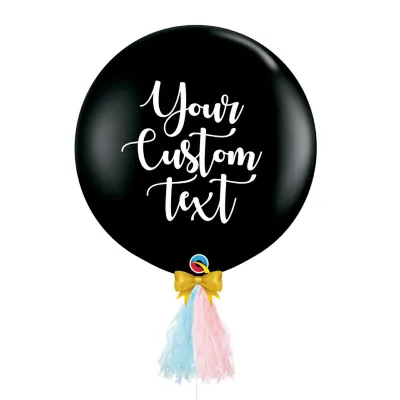
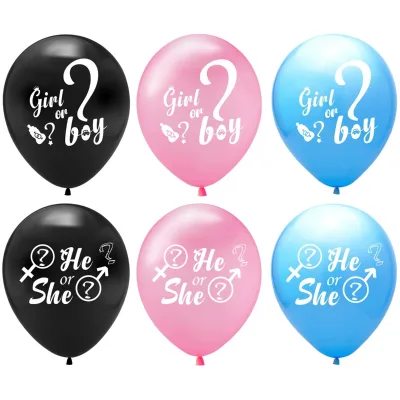
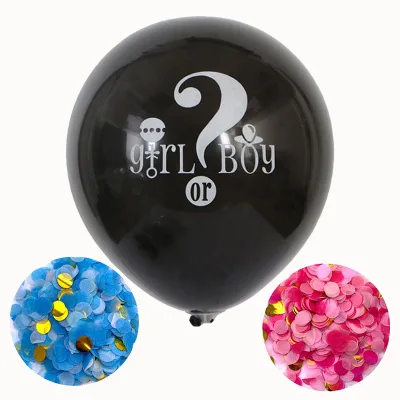


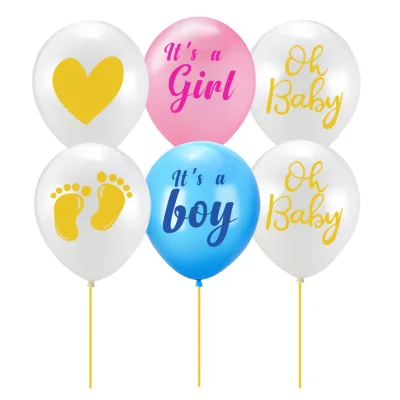
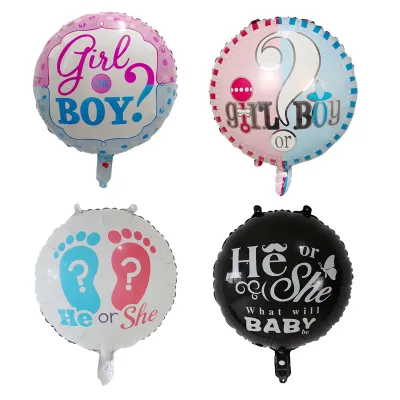

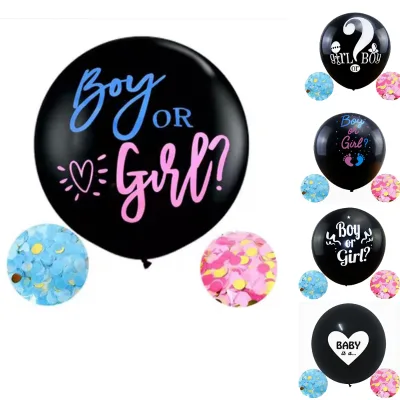
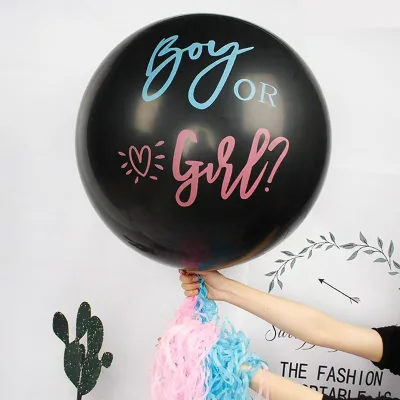
New Gender Reveal Latex Balloon Baby Birthday Party Arrangement Decoration Balloon
$0.02 - $0.03
MOQ: 50000 Pieces

Wholesale Wedding Room Decoration Birthday Party Arrangement Latex Balloons
$0.70 - $0.90
MOQ: 1200 Pieces

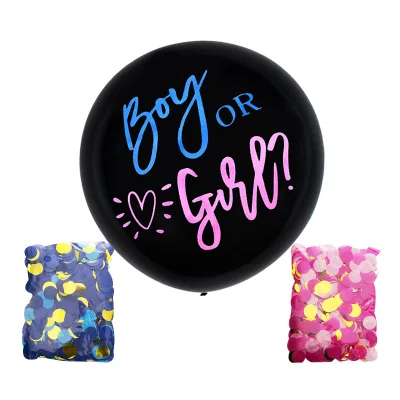
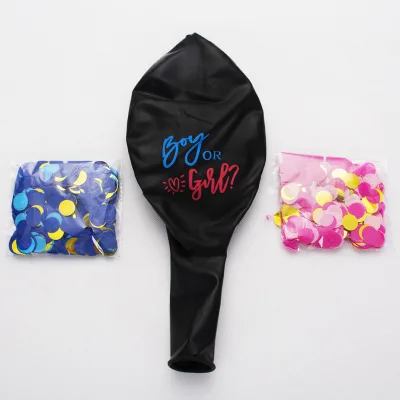

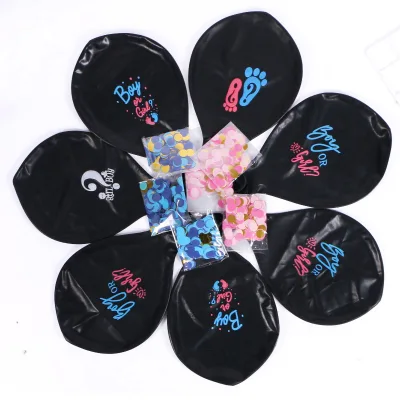





Comprehensive Sourcing Guide
Strategic Sourcing Guide for Baby Gender Reveal Latex Balloons
The global demand for gender reveal events has elevated the latex balloon to a central role in party logistics and visual storytelling. For B2B procurement professionals, sourcing these items requires a nuanced understanding of material composition, safety compliance, and supply chain variability. The core keyword "Baby Gender Reveal Latex Balloon" encompasses a diverse range of products, from standard round balloons to specialized shapes designed for specific reveal mechanisms. This guide synthesizes available product data to provide a disciplined framework for evaluating suppliers, ensuring that the final procurement aligns with safety standards and event requirements.
Material Composition and Physical Specifications
The foundation of any latex balloon procurement lies in the material properties. The supplied data confirms that the primary material is 100% non-toxic natural latex, which is explicitly noted as environment-friendly. This distinction is critical for gender reveal events, where the balloons are often popped or burst to release colored powder or confetti. The material must be robust enough to hold helium or air without premature failure, yet elastic enough to burst cleanly when triggered.
Physical specifications vary significantly across the market. The observed product range includes sizes from 3 inches up to 18 inches, with specific models listed at 12 inches and 36 inches. For gender reveal applications, the 12-inch and 18-inch variants are often preferred for their visibility, while smaller 3-inch balloons may be used for bulk filling or specific game mechanics. The data indicates a weight variance, with some units weighing as little as 0.11 grams per piece for 3-inch variants, while others reach 62 grams for larger, specialized units.
The shape is predominantly round, but the product series also includes heart-shaped, animal-shaped, spiral, and twisty options. This variety allows buyers to customize the aesthetic of the reveal. For instance, a heart-shaped balloon might be used for the initial reveal, while round balloons serve as background decoration. The finish options, ranging from standard to crystal, metallic-shining, and fluorescent, offer further customization. Buyers must verify that the specific finish chosen does not compromise the structural integrity of the latex, especially if the balloon is intended to be filled with helium for floating displays.
Compliance, Safety Standards, and Regulatory Verification
Safety is the paramount concern when sourcing balloons for events involving children and infants. The supplied product information highlights several critical attributes: the balloons are phthalate-free, harmless, contain low cadmium, and are designed to cause no pollution. These claims align with general safety expectations for children's party supplies, but they must be rigorously verified against international standards.
The data references ISO, CE, and SGS standards as part of the product standard. While these are listed as observed facts, procurement professionals must treat them as verification targets rather than automatic guarantees. The CE mark, for instance, indicates conformity with health, safety, and environmental protection standards for products sold within the European Economic Area. However, the specific directives, such as EN 71-1/2/3/12, which cover mechanical and physical properties, flammability, and chemical migration, should be explicitly requested in the supplier's documentation.
Buyers should not assume that every listed product satisfies all certifications. The distinction between "High-confidence facts" and "Low-confidence background" in the source data suggests that while some products may carry these marks, others might not. Therefore, the procurement strategy must include a request for current, valid test reports from accredited laboratories. The verification process should confirm that the latex is indeed 100% non-toxic and free from harmful chemicals that could pose a risk during the burst event, particularly if colored powder is involved.
Cost Drivers and Pricing Dynamics
Understanding the cost structure of latex balloons is essential for budgeting. The observed price range in the market spans from $0.01 to $3.86 per unit. This wide variance is driven by several factors, including size, material thickness, printing complexity, and packaging. Smaller balloons, such as the 3-inch variants weighing 0.11 grams, tend to fall at the lower end of the price spectrum, while larger, specialized balloons with complex finishes or custom printing command higher prices.
The Minimum Order Quantity (MOQ) is another significant cost driver. The observed MOQ range is extensive, from 2 units to 50,000 units. For small-scale event planners or boutique retailers, a low MOQ allows for testing the market with minimal capital risk. Conversely, large-scale distributors or event planning agencies may leverage high-volume orders to secure better unit economics. The packaging details, such as 100 pieces per bag and 30,000 pieces per carton, also influence logistics costs. Buyers must calculate the total landed cost, including shipping and handling, which can be substantial for low-density items like balloons.
Customization is a key value-add that impacts pricing. The data confirms that customization is available, including multi-color printing on one or two sides. Custom branding or specific color schemes for gender reveals (typically pink or blue) may incur additional setup fees. The "Target End User" is listed as "customize," indicating that suppliers are prepared to tailor products to specific client needs, which often comes at a premium compared to standard stock items.
Typical Applications and Usage Scenarios
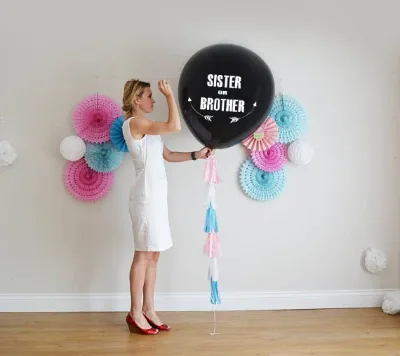
The versatility of latex balloons makes them suitable for a wide array of applications beyond simple decoration. The supplied data lists usage scenarios including gifts, promotions, advertisements, weddings, carnivals, birthdays, Christmas, New Year, and anniversaries. Specifically for the gender reveal niche, the balloons are designed for "gender reveal party" occasions.
The application extends to active games as well. The data notes a destination for "Water Bomb Fight/War, Funny Summer Activities/Game," suggesting that these balloons can be repurposed for water-based events or party games. This dual functionality allows buyers to source a single product line for multiple event types, maximizing inventory utility. The filling gas options, which include normal air or helium gas, further expand the application scope. Helium-filled balloons can be used for floating displays or ceiling decorations, while air-filled balloons are suitable for floor arrangements or popping games.
The packaging details, such as "with paper card" or "1 Pc/OPP Bag," indicate that the product is ready for retail display or direct gifting. The "Single package size" and "Single gross weight" data points are crucial for logistics planning, ensuring that the shipping containers are optimized for the specific product configuration.
Supplier Evaluation and Origin Verification
When evaluating potential suppliers, the origin of the product is a critical factor. The data presents conflicting origin locations, listing Hubei, China, Hunan, China, and Zhejiang, China. This discrepancy highlights the importance of verifying the actual place of origin for each specific order. Different regions in China may have varying levels of manufacturing expertise, labor costs, and quality control standards.
Buyers should request detailed information regarding the manufacturing facility's location and capacity. The brand names mentioned, such as "leyan" and "party dream," serve as identifiers but should not be the sole basis for selection. Instead, the focus should be on the supplier's ability to meet the specific technical and compliance requirements of the buyer. The "Cross-industry procurement" note suggests that these suppliers may serve multiple sectors, which can be a positive indicator of supply chain flexibility.
The "Target End User" being "customize" implies that the supplier is capable of handling bespoke orders. However, buyers must assess the supplier's responsiveness and communication channels. The ability to provide custom packaging, such as boxes for larger quantities, is a valuable service that can enhance the end-user experience.
Quality Control and Long-Term Procurement Considerations
Quality control is the final pillar of a successful sourcing strategy. The data mentions "Standard, Crystal, Matal- Shining & Fluorescent" finishes, but the consistency of these finishes across large batches must be verified. Buyers should implement a quality control protocol that includes visual inspection for defects, such as pinholes or uneven coloring, and stress testing to ensure the balloons meet the required burst pressure.
Long-term procurement considerations involve building a relationship with a reliable supplier who can maintain consistent quality over time. The "prod_model" and "Model Number" variations (e.g., WH-BLN, HGRB01, TZ08B01) indicate that different product lines may have different quality profiles. Buyers should standardize their orders around specific models that have proven reliable in the past.
The "Single gross weight" and "Single package size" data are essential for inventory management and warehouse planning. Accurate data ensures that storage costs are minimized and that the supply chain remains efficient. Furthermore, the "prod_packing" details, such as 300 bags per carton, help in planning for bulk storage and distribution.
In conclusion, sourcing baby gender reveal latex balloons requires a balanced approach that prioritizes safety, compliance, and cost-effectiveness. By carefully evaluating material specifications, verifying certifications, and understanding the cost drivers, buyers can secure high-quality products that meet the demands of their clients. The flexibility of the market, with its wide range of sizes, shapes, and customization options, offers ample opportunity for strategic procurement, provided that the buyer remains diligent in their due diligence and quality assurance processes.
FAQs
What material is used for baby gender reveal latex balloons?
The primary material is 100% non-toxic natural latex, which is explicitly noted as environment-friendly. This composition ensures the balloons are safe for events involving children and infants while remaining robust enough to hold helium or air without premature failure.
Which certifications should buyers verify for these balloons?
Products often reference ISO, CE, and SGS standards as part of their product standard. Buyers must treat these as verification targets rather than automatic guarantees and should request current, valid test reports from accredited laboratories to confirm compliance with safety directives.
How much do baby gender reveal latex balloons cost per unit?
The observed price range in the market spans from 0.01 to 3.86 USD per unit. This variance is driven by factors including size, material thickness, printing complexity, and packaging, with smaller balloons typically falling at the lower end of the spectrum.
Can buyers customize the printing and packaging for these balloons?
Customization is available, including multi-color printing on one or two sides. Suppliers can also tailor packaging, such as using boxes for larger quantities, though custom branding or specific color schemes may incur additional setup fees compared to standard stock items.
What sizes are available for baby gender reveal latex balloons?
The product range includes sizes from 3 inches up to 18 inches, with specific models listed at 12 inches and 36 inches. For gender reveal applications, the 12-inch and 18-inch variants are often preferred for their visibility during the event.
Where are these balloons typically manufactured?
The data presents origin locations including Hubei, China, Hunan, China, and Zhejiang, China. Buyers should verify the actual place of origin for each specific order as different regions may have varying levels of manufacturing expertise and quality control standards.