Source Baby Hooded Towel for Home, Hotel, and Gifts
Find 30 Baby Hooded Towel options featuring 100% cotton or bamboo materials with custom embroidery and quick-dry properties. Compare specifications like GSM weight, size, and packaging from suppliers in Hebei, China for home, hotel, and gift applications.
Key considerations
Products List


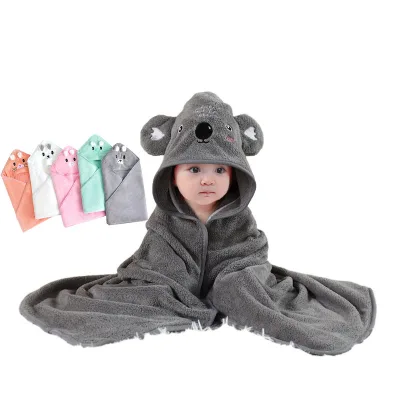

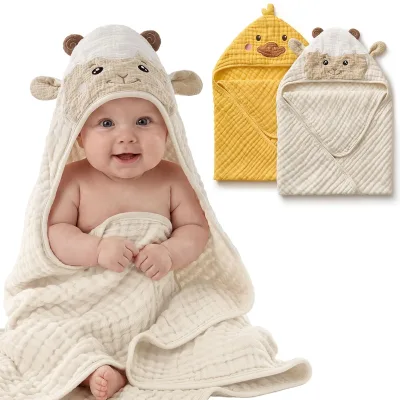
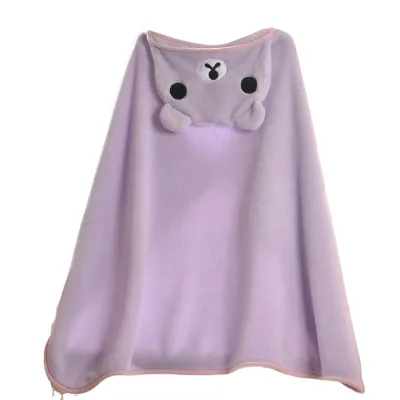
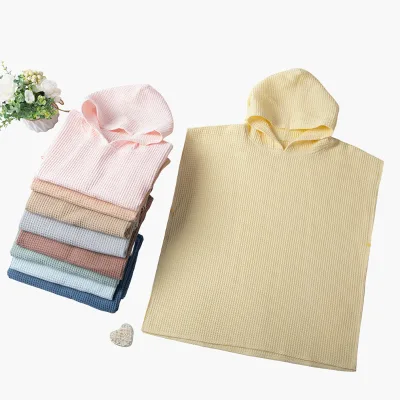

$0.50 - $1.00
MOQ: 20000 Bags




Comprehensive Sourcing Guide
Strategic Sourcing Guide for Baby Hooded Towels
The global demand for specialized infant care products has elevated the Baby Hooded Towel from a simple utility item to a critical component of early childhood hygiene and comfort. For B2B procurement professionals, sourcing these items requires a nuanced understanding of material science, safety compliance, and supply chain logistics. The market offers a diverse array of options, ranging from standard cotton blends to premium bamboo fiber constructions, each presenting unique value propositions and risk profiles. This guide provides a structured framework for evaluating suppliers, verifying product specifications, and establishing a robust procurement strategy for baby hooded towels.
Technical Specifications and Material Composition
The foundation of a successful procurement strategy lies in the precise definition of technical specifications. When sourcing baby hooded towels, the material composition is the primary determinant of performance, safety, and cost. Based on observed market data, the dominant material is 100% cotton, valued for its natural breathability and softness. However, a significant segment of the market also utilizes bamboo fiber, which offers distinct advantages in moisture absorption and antibacterial properties. Procurement teams must explicitly define the required material in their requests for quotation (RFQ) to avoid ambiguity, as the choice between cotton and bamboo directly impacts the final product's tactile feel and drying efficiency.
Gram weight, or GSM (grams per square meter), is another critical technical parameter. The observed range for these products typically spans from 280 GSM to 600 GSM, with a common cluster between 300 and 500 GSM. A higher GSM generally indicates a thicker, more absorbent towel, which is desirable for post-bath drying but may increase shipping costs due to weight. Conversely, lower GSM towels are lighter and dry faster, potentially suitable for travel or specific hotel amenities. Buyers should verify the specific GSM range for their target market, as a standard 300-400 GSM range is often cited for premium baby products, while broader ranges up to 600 GSM exist for heavy-duty applications.
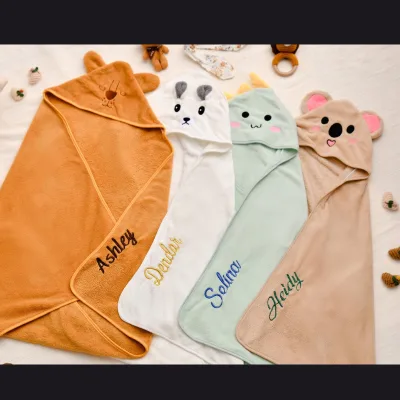
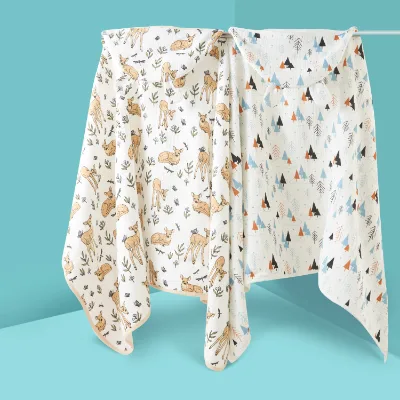
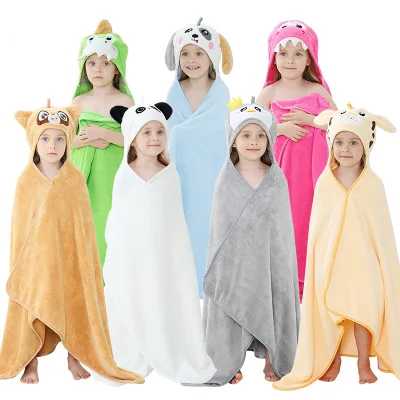
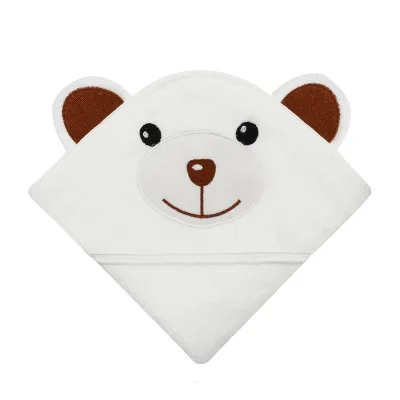
Dimensions and design features also require strict adherence to specifications. Standard sizes observed in the market include 68125 cm and 7575 cm, though many suppliers offer customization to meet buyer requests. The hooded design is a defining feature, often incorporating animal prints or solid colors with embroidered details. The "Plain Dyed" and "Embroidered" techniques are common, with some models featuring "Solid+Animal Hooded" designs. Procurement contracts must specify the exact dimensions, the type of embroidery (customized vs. standard), and the preferred design style to ensure the final product aligns with brand expectations.
Compliance, Certification, and Safety Standards
Safety is the paramount concern when sourcing products for infants. While specific certification status varies by supplier, the presence of recognized standards is a key indicator of a supplier's commitment to quality. The BSCI (Business Social Compliance Initiative) certification is a documented attribute found in the current market data, indicating that the supplier adheres to specific social compliance standards regarding labor practices. This is a valuable metric for corporate social responsibility (CSR) reporting and risk mitigation.
Buyers must also be vigilant regarding chemical safety standards. While the provided data mentions OEKO-TEX and GOTS as background standards, these should not be assumed as universal guarantees without direct verification. Procurement teams should explicitly request test reports confirming that the towels are free from harmful substances such as formaldehyde, heavy metals, and azo dyes. The "Baby" age group specification, particularly for infants aged 6-12 months, necessitates a higher threshold for safety. It is essential to verify that the dyes used are non-toxic and that the fabric does not contain allergens that could irritate sensitive infant skin.
Furthermore, the "No Logo Printing" attribute observed in some listings suggests a preference for minimalist designs, but this does not preclude the need for branding. Many suppliers offer OEM services with customized embroidery or hangtags. Buyers should clarify whether the "No Logo Printing" refers to the absence of screen printing or if it simply means the base product is unbranded. Ensuring that any added branding does not compromise the softness or safety of the fabric is crucial.
Cost Drivers and Pricing Dynamics
Understanding the cost structure of baby hooded towels is essential for effective budget management. The observed price range in the market spans from $0.10 to $8.00 USD, a wide variance that reflects differences in material quality, GSM, customization level, and order volume. The primary cost drivers include the raw material price (cotton vs. bamboo), the complexity of the hooded design, and the embroidery work.
Order volume plays a significant role in pricing. The Minimum Order Quantity (MOQ) observed ranges from 30 pieces to 20,000 pieces. Suppliers often offer tiered pricing structures where the unit cost decreases significantly as the order volume increases. For buyers with smaller budgets or those testing new markets, suppliers accepting small orders (e.g., MOQ of 30 pieces) are valuable, though the per-unit cost will be higher. Conversely, large-scale retailers should leverage high-volume orders to negotiate better rates and secure priority production slots.
Packaging is another hidden cost factor. The market data indicates various packaging options, including seaworthy cartons, organza bags, PVC bags, and PP bags with hangtags. The choice of packaging affects both the unit cost and the shipping logistics. Seaworthy cartons are essential for bulk international shipping to prevent damage, while individual bags like organza or PVC add to the retail-ready value but increase the overall weight and volume. Buyers must calculate the total landed cost, including packaging, to ensure the final product remains competitive in their target market.
Typical Applications and Market Segmentation
Baby hooded towels serve multiple applications, influencing the specific requirements for each product line. The primary usage categories identified include Home, Hotel, Gifts, and Sports. In the home sector, the focus is on ultra-softness and quick-drying capabilities, making these towels ideal for daily infant care. The "Quick Dry Towel" and "Ultra Soft Towel" features are highly valued here, as parents prioritize convenience and comfort.
The hotel and hospitality sector often seeks towels that are durable, washable, and aesthetically pleasing. The "Mothproof Towel" feature, observed in some listings, is particularly relevant for this segment, ensuring the product remains pristine during storage and repeated use. Gift markets, on the other hand, demand high-quality packaging and unique designs, such as animal prints or customized embroidery. The "Gifts" usage category often overlaps with the "Home" segment, where premium towels are packaged as baby shower gifts or newborn essentials.
The "Sports" application, while less common for baby-specific items, may refer to swim towels or post-activity drying for older children. In this context, the "Quick Dry" feature becomes even more critical. Understanding the specific application for the target market allows buyers to prioritize the correct features. For instance, a hotel buyer might prioritize washability and durability, while a gift buyer might prioritize the aesthetic appeal of the hood design and the quality of the packaging.
Supplier Evaluation and Quality Control
Evaluating suppliers requires a multi-faceted approach that goes beyond price comparison. The "Place of Origin" is a key indicator, with Hebei, China, emerging as a significant manufacturing hub for these products. While this location offers competitive pricing and established supply chains, buyers must conduct thorough due diligence to ensure consistent quality. The "OEM Service: Yes" attribute indicates that suppliers are capable of custom manufacturing, but this capability must be validated through sample reviews.
Quality control protocols should be a central part of the supplier evaluation. Buyers should request samples that match the exact specifications of the intended order, including the specific GSM, material blend, and embroidery style. Visual inspection of the samples should focus on the stitching quality of the hood, the softness of the fabric, and the consistency of the color. The "Plain Dyed" and "Embroidered" techniques should be examined for any loose threads or uneven coloring that could indicate poor craftsmanship.
Additionally, the "Customization: Available" attribute suggests flexibility, but buyers must establish clear communication channels to manage these customizations effectively. A robust quality control plan should include pre-production sample approval, in-process inspections, and final random sampling before shipment. The "Seaworthy Carton" packaging requirement should be verified to ensure the products arrive in perfect condition, especially for long-distance shipping.
Long-Term Procurement Considerations
Sourcing baby hooded towels is not a one-time transaction but a long-term partnership that requires strategic planning. The "Small Orders: Accepted" attribute is beneficial for initial market entry, but sustainable growth often requires scaling up production. Buyers should aim to build relationships with suppliers who can accommodate increasing order volumes without compromising quality or lead times.
Sustainability is an emerging trend in the baby product market. While the provided data does not confirm GOTS certification for all products, the use of bamboo fiber suggests a potential for more eco-friendly sourcing. Buyers interested in sustainability should explore suppliers who can provide documentation on their environmental practices, such as water usage in dyeing processes and waste management.
Finally, the "Standard: 68*125cm or as per your request" and similar flexibility in specifications highlight the importance of maintaining a dynamic procurement strategy. As market trends shift, the ability to adapt product specifications quickly will be a competitive advantage. Buyers should maintain open dialogue with suppliers to stay informed about new materials, designs, and technologies that could enhance their product offerings. By focusing on these long-term considerations, procurement professionals can build a resilient supply chain that delivers value and safety to their customers.
FAQs
What materials are used for baby hooded towels?
Baby hooded towels are typically made from 100% cotton or bamboo fiber. These materials offer breathability and softness suitable for infants aged 6-12 months, ensuring comfort and safety during daily use.
Which certifications should I look for in suppliers?
You should look for suppliers with BSCI certification to ensure social compliance. While OEKO-TEX and GOTS are relevant standards, they are not universally guaranteed, so verify specific test reports for chemical safety.
How much does a Baby Hooded Towel cost?
The price ranges from 0.1 to 8 USD depending on material and customization. Costs vary significantly based on GSM weight, which typically falls between 280 and 600, and the specific packaging requirements chosen.
Can I customize the size and design of the towel?
Yes, customization is available for size, pattern, and embroidery. Standard sizes include 68*125 cm or 75*75 cm, but buyers can request specific dimensions and designs like animal prints or solid colors.
What is the minimum order quantity for these towels?
Minimum order quantities range from 30 pieces to 20,000 pieces depending on the supplier. Small orders are accepted for testing markets, while larger volumes often secure better pricing and priority production slots.
Where are these baby hooded towels manufactured?
Most products originate from Hebei, China, which is a major manufacturing hub. This location offers competitive pricing and established supply chains, though buyers must verify quality control protocols for consistent results.