Source BBQ Pergola for Garden, Balcony, and Pool Areas
Compare 30 BBQ Pergola options featuring aluminum alloy frames, waterproof louvered roofs, and customizable sizes. Buyers can evaluate motorized or manual zip screens, LED lighting, and OEM services for outdoor sun and rain protection.
Key considerations
Products List

Outdoor Garden Eco Friendly Aluminiumpavilion Pergola for BBQ SPA Family Parties
$80.00 - $275.00
MOQ: 4 Square Meters
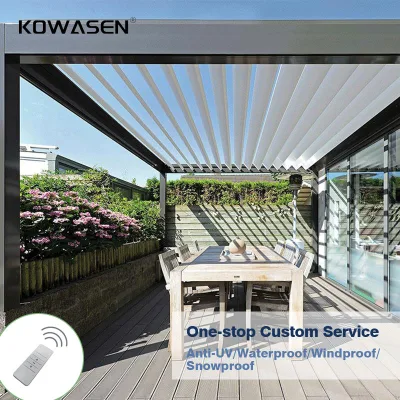
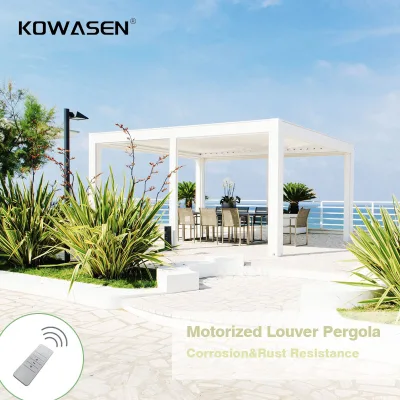


Customizable Outdoor BBQ Pergola with Reinforced Beam Structure for Heavy Hanging Accessories
$129.00 - $169.00
MOQ: 1 Square Meters


Aluminum Pergola with Louvered Roof for Backyard BBQ and Family Gathering
$75.00 - $169.00
MOQ: 6 Square Meters

Luxury Aluminum Pergola with Louvered Roof for Outdoor BBQ Space
$199.00 - $215.00
MOQ: 6 Square Meters


Easily Assembled Aluminum Pergola with Louvered Roof for Poolside and BBQ Area
$199.00 - $215.00
MOQ: 6 Square Meters
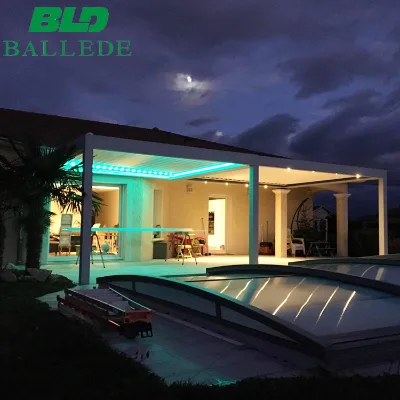


All Aluminum Pergola with Adjustable Louvered Roof Outdoor BBQ Gazebo
$210.00 - $230.00
MOQ: 10 square meters


Garden Pergola Gazebo Aluminum Pergola Bioclimatic Roof Bioclimatica Outdoor
$80.00 - $160.00
MOQ: 9 Square Meters




Comprehensive Sourcing Guide
BBQ Pergola Sourcing Guide
Sourcing a high-quality aluminum louvered pergola for outdoor cooking and dining areas requires a disciplined approach to technical verification and supplier qualification. The market offers a wide range of structures, from basic shade covers to complex motorized systems with integrated screens and lighting. Buyers must navigate a landscape where product names often overlap, with terms like "pavilion," "gazebo," and "pergola" used interchangeably. To secure a reliable supply chain, procurement teams must focus on material integrity, mechanical reliability, and clear commercial terms rather than relying solely on marketing imagery. This guide provides a structured framework for evaluating BBQ pergolas based on observed market signals and essential engineering principles.
The primary value proposition of these structures lies in their dual functionality: providing robust sun protection while offering waterproof coverage during unexpected rain. This is achieved through adjustable aluminum louvers that can be tilted to control airflow and light penetration. For BBQ applications, the ability to vent smoke and heat is critical, making the louver angle adjustment feature a non-negotiable requirement. Buyers should prioritize models that offer precise control over blade orientation, ensuring that the structure can adapt to varying weather conditions and cooking needs. Understanding these core functional attributes is the first step in defining accurate technical specifications for your procurement request.
Product Scope and Observed Listing Signals
The current market for aluminum pergolas exhibits significant variation in pricing and minimum order quantities, reflecting the diversity of customization options available. Observed listing prices range widely, indicating that costs are heavily influenced by the complexity of the motorization system, the thickness of the aluminum profiles, and the inclusion of optional add-ons such as zip screens or LED lighting. Minimum order quantities also vary, allowing both small-scale residential projects and large commercial developments to find suitable suppliers. Buyers should interpret these ranges as indicators of the customization depth rather than fixed retail prices, negotiating terms based on specific design requirements and volume commitments.
Product listings frequently highlight key aesthetic and functional features that directly impact the user experience in outdoor dining environments. Common observations include the availability of multiple color finishes, such as white, black, grey, bronze, and custom powder-coated options, which allow for seamless integration with existing architectural styles. The frame material is consistently identified as aluminum alloy, often specified as 6063-T5, which provides a favorable strength-to-weight ratio and corrosion resistance. Additionally, many suppliers offer bi-folding doors and motorized zip screens, enhancing the versatility of the space by creating enclosed areas that protect against insects and wind while maintaining an open-air feel.
Technical Specifications to Verify
Material thickness and alloy grade are critical determinants of structural integrity, particularly for structures exposed to high winds or heavy snow loads. Buyers must verify the exact aluminum thickness of the main beams and columns, as thinner profiles may compromise stability over time. The 6063-T5 alloy is a common standard for architectural aluminum due to its extrudability and mechanical properties, but the specific wall thickness should be confirmed in the technical datasheet. Thicker frames, such as those with 2mm or greater wall thickness, generally offer superior durability and resistance to deformation, ensuring that the pergola remains stable and secure throughout its lifespan.
The louver blade design and motorization system require careful evaluation to ensure long-term reliability and ease of maintenance. Aerofoil-shaped blades are often preferred for their aerodynamic efficiency, allowing for better water runoff and reduced wind resistance compared to flat-type blades. The motor system should be rated for outdoor use, with a waterproof rating of at least IP67 to protect internal components from moisture ingress. Buyers should also confirm the angle adjustment range, with 0-105 degrees providing sufficient flexibility for both full shade and maximum ventilation. Additionally, the availability of both electric and manual operation options can be a valuable feature for redundancy in case of power failures.
Compliance and Safety Documentation
While specific certification statuses may vary by supplier and region, buyers should insist on documentation that verifies the structural safety and electrical compliance of the pergola. In many markets, CE marking is a common requirement for products sold within Europe, indicating conformity with health, safety, and environmental protection standards. However, the presence of a certification mark alone is not sufficient; buyers must request the underlying test reports and calculation sheets that support the certification. These documents should detail the wind load resistance, snow load capacity, and seismic performance of the structure, providing objective evidence of its engineering robustness.
Electrical components, including motors, controllers, and LED lighting systems, must comply with relevant international safety standards to prevent fire hazards and electric shock. Buyers should verify that all electrical parts are rated for outdoor use and feature appropriate ingress protection ratings. The wiring and connections should be concealed within the aluminum profiles to protect them from weather damage and physical impact. Additionally, suppliers should provide clear installation manuals and wiring diagrams to ensure that the electrical systems are installed correctly by qualified technicians. Proper documentation of these safety aspects is essential for insurance purposes and regulatory compliance in the destination market.
Cost Drivers and Commercial Terms
The final cost of a BBQ Pergola is influenced by several key factors, including the size of the structure, the complexity of the design, and the level of customization required. Standard sizes, such as 3x3, 3x4, or 4x4 meters, may offer more competitive pricing due to economies of scale in production. However, custom dimensions and unique architectural features will likely increase manufacturing costs and lead times. Buyers should also consider the cost of optional add-ons, such as zip screens, sliding glass doors, and integrated lighting, which can significantly impact the overall budget. Understanding these cost drivers allows for more accurate budgeting and negotiation with suppliers.
Packaging and logistics are often overlooked but can have a substantial impact on the total landed cost. Pergolas are typically packed in solid plywood boxes or crates to protect the aluminum profiles and components during transit. The weight and volume of the packaging will determine shipping costs, so buyers should request detailed packing lists and dimensions to calculate freight expenses accurately. Additionally, the supplier's location, often in manufacturing hubs like Foshan, China, can influence lead times and shipping options. Buyers should clarify Incoterms, payment terms, and warranty conditions to avoid unexpected costs and ensure a smooth procurement process.
Supplier Qualification and Quality Control
Supplier qualification is a critical step in mitigating procurement risk, requiring a thorough assessment of the manufacturer's capabilities and track record. Buyers should verify the supplier's R&D capacity, including their ability to provide OEM, ODM, and own-brand services. This indicates a level of technical expertise and flexibility that is essential for custom projects. Additionally, suppliers should offer comprehensive service content, such as 3D modeling, 3D sampling, and detailed installation guides, to ensure that the product meets the buyer's specific requirements. A supplier that invests in these services is more likely to deliver a high-quality product that aligns with the buyer's expectations.
Quality control measures should be clearly defined and enforced throughout the manufacturing process. Buyers should request evidence of the supplier's quality management systems, including inspection protocols for raw materials, in-process checks, and final product testing. The structure warranty, often cited as 15 years for the frame, is a strong indicator of the supplier's confidence in their product's durability. However, buyers should clarify the specific terms and conditions of the warranty, including what is covered and what constitutes void coverage. Establishing a clear quality assurance framework with the supplier helps to ensure that the delivered pergolas meet the required standards and perform reliably over time.
Long-Term Procurement Checks
Long-term success in sourcing BBQ pergolas depends on establishing a robust relationship with suppliers who can support ongoing maintenance and future expansions. Buyers should verify the availability of spare parts, such as replacement motors, controllers, and louver blades, to ensure that the structures can be easily repaired if needed. A supplier that maintains a comprehensive inventory of spare parts demonstrates a commitment to long-term customer support. Additionally, buyers should inquire about the supplier's ability to provide technical support and troubleshooting assistance, which can be invaluable in resolving issues quickly and minimizing downtime.
Regular performance reviews and feedback loops with suppliers are essential for continuous improvement and risk management. Buyers should monitor the performance of the pergolas in the field, tracking issues related to structural integrity, motor reliability, and finish durability. This data can be used to negotiate better terms, request design improvements, or identify alternative suppliers if necessary. By maintaining a proactive approach to supplier management, buyers can ensure that their procurement strategy remains aligned with their business goals and customer expectations. This disciplined approach to long-term procurement checks helps to build a resilient and efficient supply chain for outdoor living solutions.
FAQs
What materials are used for the pergola frame?
The frame is constructed from Aluminum Alloy 6063-T5 with a powder-coated finish. This material ensures durability and resistance to corrosion for outdoor applications like gardens and swimming pools.
Can the pergola roof be customized for specific sizes?
Yes, the product offers fully customized sizes including DIY options and OEM/ODM specifications. Buyers can request specific dimensions to fit their unique garden or balcony requirements.
How does the louvered roof handle rain and sun?
The roof provides waterproof and sunshade protection with an IP67 waterproof rating. The angle is adjustable from 0 to 105 degrees to control light and water entry effectively.
What customization options are available for the structure?
Customization is available for colors like white, black, gray, and bronze, as well as blade types. Additional add-ons include motorized zip screens, sliding glass doors, and LED lighting.
Where are these pergola manufacturers located?
The products originate from Foshan, China, with R&D capacity for OEM, ODM, and own brand production. Buyers can expect factory-direct sourcing from this established manufacturing hub.
What is the warranty period for the pergola structure?
The structure comes with a 15-year warranty to ensure long-term reliability. This coverage applies to the main frame and structural components of the aluminum alloy pergola.
How are the pergolas packed for shipping?
Products are packed in solid plywood boxes or plywood crates to prevent damage during transit. This robust packaging ensures the aluminum frames and accessories arrive safely at the destination.