Source Beverage Packaging Heat Shrink Film for Logistics, Food, and Medicine
Find 30 options for Beverage Packaging Heat Shrink Film tailored for logistics, food, and medicine applications. Buyers can compare customization, thickness, and material properties to select the right film for their specific needs.
Key considerations
Products List


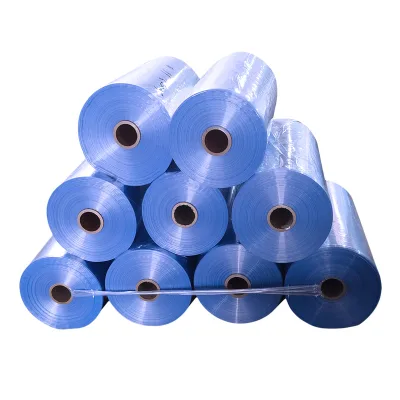
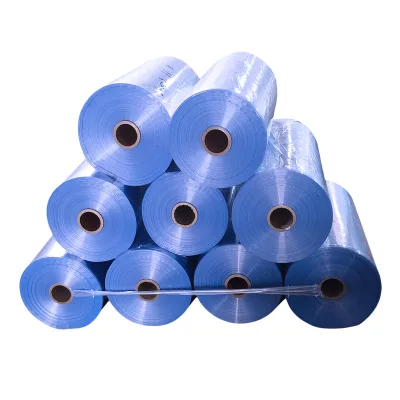
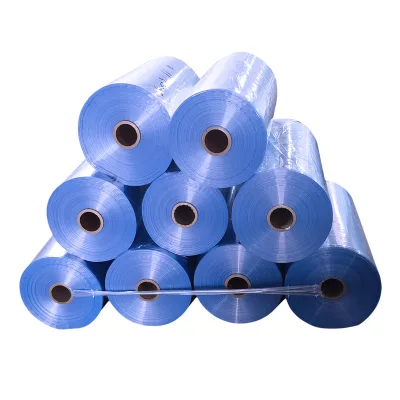

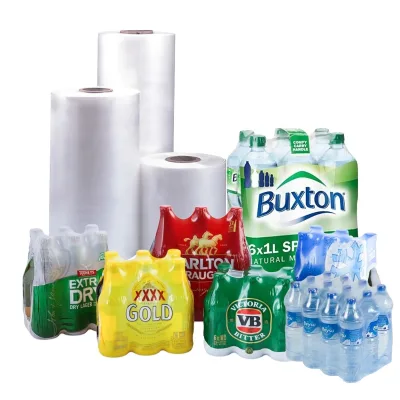


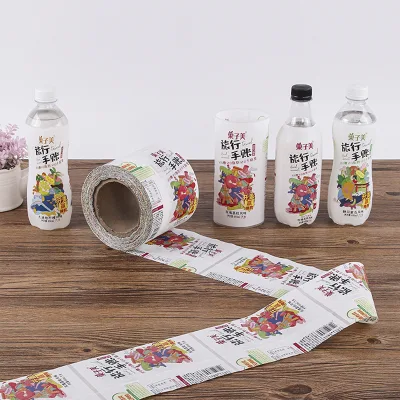
PE Film Custom PE Heat Shrink Film Beverage Bottle Packaging Shrink Film
$1500.00 - $1700.00
MOQ: 15 Tons




Comprehensive Sourcing Guide
Strategic Sourcing Guide for Beverage Packaging Heat Shrink Film
Selecting the appropriate heat shrink film for beverage packaging requires a rigorous evaluation of material science, processing capabilities, and supply chain reliability. The beverage industry demands films that can withstand rigorous handling, provide high clarity for brand visibility, and offer robust protection against moisture and tampering. This guide synthesizes available product attributes and industry standards to assist procurement professionals in identifying suitable solutions without relying on unverified claims or speculative data.
Material Selection and Technical Attributes
The foundation of any successful beverage packaging solution lies in the polymer choice. The market currently offers distinct material profiles, primarily Polyethylene (PE), Polyvinyl Chloride (PVC), and Linear Low-Density Polyethylene (LLDPE), each presenting unique trade-offs in performance and application.
PE-based films are characterized by their softness and high transparency. These materials are versatile, serving applications ranging from general packaging and logistics to food and medicine films. A critical technical attribute for beverage applications is the shrinkage rate, which typically ranges from fifty percent to sixty percent for high-performance variants. This range ensures the film conforms tightly to the bottle shape without excessive tension that could damage the container. Furthermore, PE films often feature high toughness and puncture resistance, essential for protecting products during transit.
In contrast, PVC films are noted for their rigid hardness and specific thickness profiles. While some PVC options are designed for hardware and product packaging, their application in beverage shrink wrapping requires careful verification of clarity and safety standards. PVC products may offer customizable anti-static properties and eco-friendly degradability, but the rigidity must be balanced against the need for a tight seal on cylindrical beverage containers.
LLDPE stands out for its exceptional stretch capabilities, with percentage stretch values ranging from 200% to 500%. This elasticity is crucial for multi-pack configurations where the film must stretch over multiple bottles simultaneously. LLDPE films are often translucent and can be customized in various colors, including transparent, black, blue, red, yellow, green, and orange. The moisture-proof feature of LLDPE makes it particularly suitable for environments where humidity control is vital for product integrity.
Processing Technologies and Customization Capabilities
The manufacturing process significantly influences the final film's performance. Multiple extrusion is a common processing type for high-grade shrink films, allowing for the creation of complex layer structures that enhance barrier properties and mechanical strength. For specific applications, casting processes are utilized to produce films with precise thickness uniformity and optical clarity.
Customization is a central pillar of modern beverage packaging procurement. Buyers should verify that suppliers offer single-sheet folded tubular specifications, which are ideal for sleeve labeling and shrink wrapping. The width of the film can vary from eight to one hundred and twenty inches, accommodating everything from single-can sleeves to large multi-pack bundles. Length is typically customized on demand to match production line speeds and bottle dimensions.
Thickness is another critical variable. While some standard ranges exist, such as twelve to fifty microns for PE films or twelve point five to fifty microns for PVC, the optimal thickness depends on the specific beverage container and the required protection level. Thinner films reduce material costs but may compromise puncture resistance, while thicker films offer superior durability at a higher weight. The heat sealing temperature is adjustable according to thickness, ensuring a secure bond without melting the film or damaging the beverage container.
Compliance, Safety, and Environmental Standards
Environmental compliance and food safety are non-negotiable in the beverage sector. Procurement teams must verify that the film meets relevant food contact regulations. While specific certification names are not universally applicable without supplier verification, the availability of customizable eco-friendly and degradable attributes is a key market trend. Buyers should explicitly request documentation confirming that the PE or PVC films used are suitable for food and medicine applications.
Anti-static performance is another compliance factor, particularly for automated packaging lines where static electricity can cause film jams or attract dust. Customizable anti-static PE and PVC films are available to mitigate these risks. Additionally, the transparency and haze levels must be controlled to ensure high-clarity presentation. The film should not introduce visual distortions that obscure the product label or branding.
When evaluating suppliers, buyers should look for evidence of adherence to industry standards rather than relying on generic claims. For instance, specific thickness standards like 40-120 microns or 1.2 to 3.8 microns may be referenced in product models, but these must be validated against the actual production capability of the supplier. The origin of the product, such as shipments from Shandong or other regions in China, should be verified for logistical consistency and quality control history.
Cost Drivers and Economic Considerations
The total cost of ownership for beverage shrink film is driven by several factors beyond the unit price. Material composition is the primary driver; LLDPE films with high stretch ratios often command different pricing structures compared to standard PE or PVC options. The thickness of the film directly correlates with material usage, meaning that a shift from a 12-micron to a 50-micron film will significantly impact the cost per square meter.
Customization levels also influence pricing. Films with specific color requirements, such as the colored wound film options available in various hues, may incur additional setup costs. Similarly, custom widths and lengths require dedicated production runs, which can affect the Minimum Order Quantity (MOQ) and lead times. While observed MOQ ranges in the market span from 1 to 10,000 units, buyers should negotiate based on their annual volume to secure favorable terms.
Packaging details, such as the number of rolls per carton (e.g., 4 or 6 rolls), affect shipping efficiency and storage costs. Standard shipping packages are common, but customized packing solutions may be necessary for specific warehouse configurations or automated loading systems. Buyers should also consider the core size of the rolls, which typically ranges from 1 inch to 3 inches, as this impacts compatibility with existing dispensing equipment.
Typical Applications and Performance Requirements
Beverage Packaging Heat Shrink Film serves diverse applications, from single-can sleeves to multi-bottle bundles. The primary usage categories include packaging film, logistics film, food and medicine film, and decorative film. For beverage applications, the film must provide a tight seal that prevents tampering and maintains product freshness.
The puncture resistance of the film is critical for logistics. High-toughness films are required to withstand the rigors of stacking, palletizing, and transportation. In agricultural and industrial contexts, the film must also resist environmental factors such as UV exposure and temperature fluctuations. For gift packaging, the aesthetic quality of the film, including color and transparency, becomes a primary performance metric.
The stretch percentage is a vital performance indicator for LLDPE films. A range of 200% to 500% allows the film to conform to irregular shapes and provide a snug fit without tearing. This elasticity is particularly useful for multi-pack configurations where the film must stretch over multiple bottles simultaneously. The heat sealing temperature must be adjustable to ensure a consistent seal across different production speeds and ambient conditions.
Supplier Evaluation and Quality Control Protocols
Selecting a reliable supplier requires a systematic evaluation of their technical capabilities and quality assurance processes. Buyers should verify the supplier's ability to provide customized weight and length specifications on demand. The production model, such as jybz2001 or jybz5001, should be matched to the specific requirements of the beverage packaging line.
Quality control should focus on consistency in thickness, transparency, and shrinkage rates. Suppliers must demonstrate the ability to maintain tight tolerances, especially for high-clarity films where haze can be a defect. The ability to customize printing technology is also a key differentiator, allowing for direct branding on the film itself.
Buyers should request samples that match their specific application requirements. Testing should include verification of the heat sealing temperature, puncture resistance, and anti-static performance. The supplier's location, such as Shandong or other regions in China, should be considered in the context of logistics and lead times. While specific lead times are not provided in the general data, buyers should establish clear expectations for delivery schedules based on order volume and customization complexity.
Long-Term Procurement and Supply Chain Resilience
Sourcing beverage packaging film is a long-term strategic decision that impacts brand reputation and operational efficiency. Buyers should prioritize suppliers who offer flexible customization options and can scale production to meet fluctuating demand. The ability to adjust film thickness, width, and color on demand ensures that the supply chain can adapt to new product launches or seasonal variations.
Sustainability is becoming a central consideration in long-term procurement. The availability of customizable degradable PE and PVC films allows companies to align their packaging strategies with environmental goals. Buyers should work with suppliers to develop a roadmap for transitioning to more sustainable materials without compromising performance.
Finally, maintaining a robust relationship with suppliers is essential for quality control and innovation. Regular communication regarding technical specifications, such as the 40-120 micron standard or specific thickness ranges, ensures that both parties remain aligned on product requirements. By focusing on these strategic factors, buyers can secure a reliable supply of high-performance heat shrink film that meets the rigorous demands of the beverage industry.
FAQs
What materials are available for Beverage Packaging Heat Shrink Film?
The available materials include PE, PVC, and LLDPE. PE films offer softness and high transparency, while PVC provides rigid hardness suitable for specific hardware packaging. LLDPE features exceptional stretch capabilities ranging from 200% to 500%.
How is the thickness of the shrink film customized?
Thickness can be customized on demand or selected from specific ranges like twelve to fifty microns for PE. Some PVC options range from twelve point five to fifty microns, while others may follow standards like 40-120 microns depending on the model.
Which processing types are used to manufacture these films?
Multiple extrusion is a common processing type for creating complex layer structures. Casting processes are also utilized for specific applications requiring precise thickness uniformity and optical clarity for high-clarity presentation.
Can the film be customized for anti-static performance?
Yes, customizable anti-static PE and PVC films are available to mitigate static electricity risks. This feature is particularly important for automated packaging lines where static can cause film jams or attract dust during operation.
What are the standard width and length specifications?
Widths typically range from eight to one hundred and twenty inches to accommodate various bundle sizes. Length is usually customized on demand to match specific production line speeds and bottle dimensions for optimal efficiency.
How does the shrinkage rate affect beverage packaging?
The shrinkage rate typically ranges from fifty percent to sixty percent for high-performance variants. This ensures the film conforms tightly to the bottle shape without excessive tension that could damage the container during the shrinking process.
Are eco-friendly and degradable options available?
Customizable degradable PE and PVC films are available to align with environmental goals. Buyers should verify that these eco-friendly attributes meet relevant food contact regulations and safety standards for beverage applications.