Source Bidentate Pattern Diamond Files for Metal, Wood, Masonry
Find 30 Bidentate Pattern Diamond Files from verified suppliers for metal drilling, wood drilling, and masonry drilling. Compare specifications including grit, material, and customization options to select the right tool for your industrial needs.
Key considerations
Products List


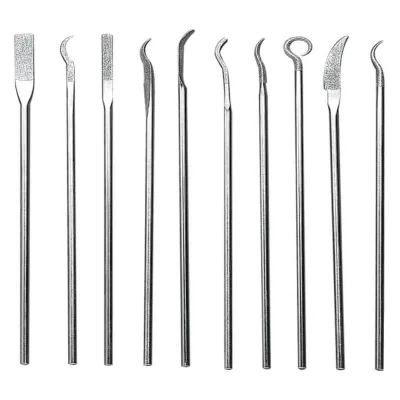
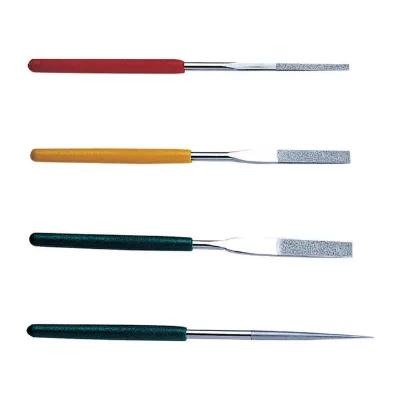
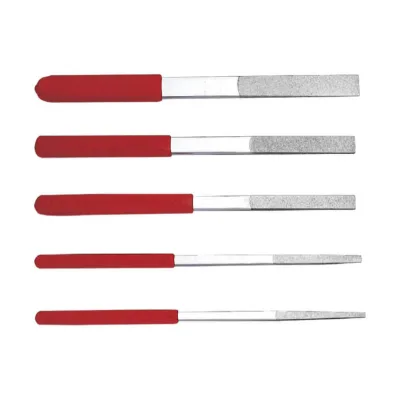


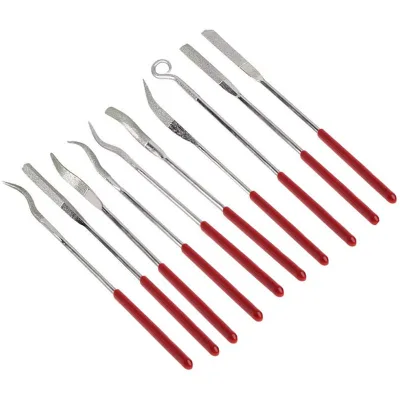
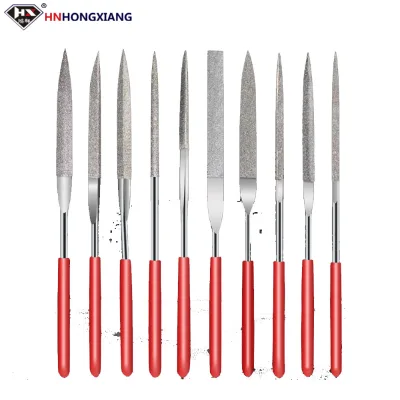
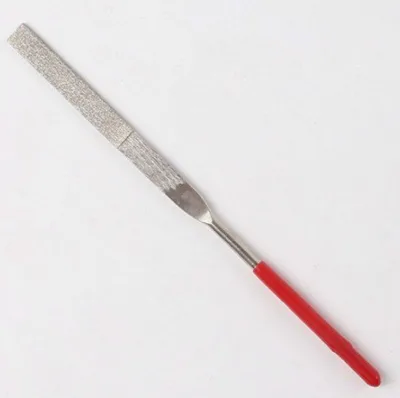
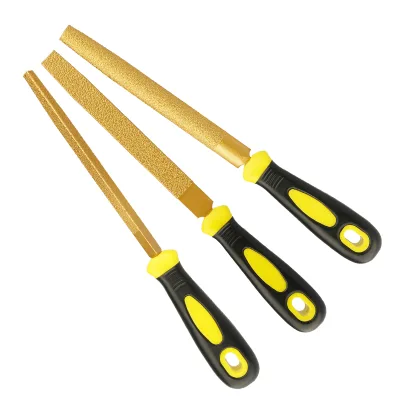
Factory Direct Sell Electroplated Diamond Needle Files for Grinding Stone
$0.90 - $5.00
MOQ: 100 Pieces

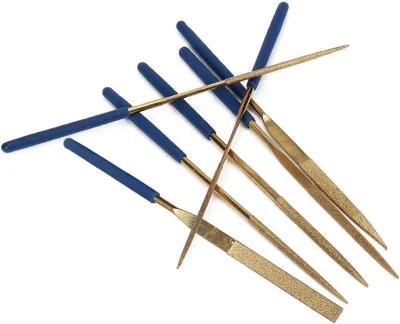


Comprehensive Sourcing Guide
Strategic Sourcing Guide for Bidentate Pattern Diamond Files
Understanding the Core Product Architecture and Technical Specifications
When initiating a procurement strategy for Bidentate Pattern Diamond Files, buyers must first establish a precise understanding of the product's physical and functional architecture. The term "bidentate pattern" refers to a specific tooth configuration where the cutting edges feature a two-pronged or double-tooth arrangement. This geometry is distinct from single-tooth or knife-edge patterns and is engineered to provide a specific balance between material removal rates and surface finish quality. In the context of the available market data, this specific tooth pattern is a critical differentiator that influences the file's performance in various drilling and filing applications.
The material composition of these tools is a primary technical consideration. High-performance diamond files typically utilize a substrate of T12 steel or carbon steel, which provides the necessary structural rigidity to withstand high-torque operations without bending or breaking. The cutting surface itself is often created through an electroplated diamond process, where industrial-grade diamond grit is bonded to the steel substrate. This manufacturing method ensures that the abrasive particles are securely held, allowing for efficient cutting of hard materials. The grit size is a variable parameter that buyers must specify according to their demand, ranging from coarse to fine finishes, with specific market observations noting grit levels such as 120 for general-purpose applications.
The physical dimensions and shape of the file are equally critical for compatibility with existing machinery and hand tools. Standard lengths observed in the market include 140mm, 160mm, 180mm, and 150mm, with some specialized units reaching 8 inches. The cross-sectional shape often varies, with flat-shaped and knife-shaped profiles being common. For bidentate pattern files, the section shape is frequently flat, which maximizes the contact area with the workpiece. The handle material is another specification that impacts operator comfort and safety; options include rubber handles for enhanced grip and vibration dampening, as well as wood handles for traditional applications. The condition of the product is universally listed as "new," ensuring that the abrasive surface has not been degraded by prior use.
Compliance, Certification, and Standard Verification Protocols
In the B2B procurement of industrial cutting tools, verifying compliance with international standards is a non-negotiable step to ensure safety and performance consistency. While specific certification bodies are not explicitly named in the general product listings, buyers must rigorously verify that the supplier adheres to recognized manufacturing standards. The product origin is consistently identified as China, a major global hub for tool manufacturing, which necessitates a thorough due diligence process regarding the supplier's quality management systems.
Buyers should request documentation confirming that the manufacturing process aligns with the stated specifications, particularly the "Electroplated Diamond" process and the "Cutting Tooth File" classification. The HS Code 8203100000 is a crucial identifier for customs and trade compliance, categorizing these items correctly under tools for working metal or other hard materials. Ensuring that the supplier can provide accurate HS Code documentation is essential for smooth logistics and tariff classification.
Furthermore, the "prod_standard" field often lists specific dimensional tolerances, such as 140/160/180mm or 150mm. Buyers must verify that the delivered goods match these dimensional standards exactly, as deviations can lead to compatibility issues with honing machines like the Sunnen, which is mentioned as a relevant processing machine in the supply chain context. The absence of explicit certification names in the raw data does not imply a lack of standards; rather, it underscores the need for the buyer to actively request and validate certificates of conformity, material safety data sheets (MSDS), and adherence to ISO standards for tool manufacturing.
Cost Drivers and Pricing Structure Analysis
The pricing of Bidentate Pattern Diamond Files is influenced by a complex interplay of material costs, manufacturing complexity, and order volume. The observed price range in the market spans from $0.30 to $21.00 USD, a wide variance that reflects differences in grit quality, file length, handle material, and the volume of the order. The lower end of this spectrum typically corresponds to standard, single-unit purchases with basic specifications, while the higher end reflects specialized, custom-configured units or bulk orders with premium features.
The Minimum Order Quantity (MOQ) is a significant cost driver. Market data indicates an MOQ range from 1 to 3,000 units, with a specific high-confidence observation of 10 pieces for certain product lines. Buyers purchasing below the standard MOQ may face a higher per-unit cost due to the fixed costs of setup and packaging. Conversely, orders exceeding the MOQ threshold often benefit from economies of scale, reducing the unit price significantly. The "Customized" attribute is another variable; while customization is available, it often incurs additional tooling or setup fees, which can elevate the base price.
Packaging also impacts the final cost. Options range from standard plastic bags to cartons, with specific package dimensions noted as 90 x 18mm. Bulk packaging in cartons is generally more cost-effective for large shipments, reducing per-unit shipping costs and protecting the tools during transit. Buyers should analyze the total landed cost, including shipping and duties, rather than focusing solely on the unit price, as the wide price range suggests that value is derived from the specific configuration and volume of the order.
Typical Applications and Operational Use Cases
Bidentate Pattern Diamond Files are versatile tools designed for a wide array of industrial applications. The primary usage categories identified include metal drilling, wood drilling, well drilling, masonry drilling, and general woodworking. The specific bidentate tooth pattern makes these files particularly effective for tasks requiring a balance of aggressive material removal and fine finishing. In metalworking, they are used for deburring, shaping, and smoothing hard alloys. In woodworking, the pattern allows for efficient chip removal while maintaining a smooth surface finish on the workpiece.
The application extends to specialized tasks such as grinding glass and stained glass, where the precision of the diamond coating is paramount. The "Applicable" attribute lists "Polishing Tool," indicating that these files can be used in conjunction with other equipment for final surface treatments. The "Advantage" of a longer working life is a key selling point for these tools, suggesting that the bidentate pattern and diamond coating combination offers superior durability compared to standard steel files. This longevity is crucial for high-volume production environments where tool replacement frequency directly impacts operational efficiency and costs.
The versatility of the tool is further enhanced by its compatibility with various honing machines and manual operations. Whether used in a stationary setup or handheld, the file's design ensures consistent performance across different drilling and filing scenarios. Buyers should match the specific file geometry and grit size to the material being processed to maximize the tool's effectiveness and lifespan.
Supplier Evaluation and Quality Control Framework
Selecting the right supplier for Bidentate Pattern Diamond Files requires a rigorous evaluation framework that goes beyond price comparisons. Buyers should prioritize suppliers who demonstrate a clear understanding of the "Electroplated Diamond" process and can provide evidence of consistent quality control. The "Customized Support" for OEM and ODM indicates that many suppliers are capable of tailoring products to specific client needs, but this capability must be validated through sample testing and reference checks.
Quality control should focus on the integrity of the diamond coating and the structural stability of the T12 or carbon steel substrate. Buyers should verify that the "File Surface Condition" is consistently "Diamond Coated" on both sides where applicable, and that the "Section Shape" matches the specified flat or knife-shaped profiles. The "Condition" of the product must be verified as "New" upon receipt, with no signs of damage or degradation.
The "prod_packing" method is also a proxy for supplier quality; robust packaging in cartons or plastics suggests a supplier that values product protection and logistics reliability. Buyers should request quality assurance reports that detail the grit size consistency, coating adhesion strength, and dimensional accuracy. The "Standard Packaging" and "Plastics" options should be evaluated for their ability to prevent damage during international shipping, especially given the brittle nature of diamond coatings.
Long-Term Procurement Considerations and Supply Chain Resilience
For long-term procurement success, buyers must consider the sustainability of the supply chain and the potential for future customization. The availability of "Customization" and "Customized Support" suggests that suppliers can adapt to evolving market needs, but this requires a stable and communicative partnership. The "Advantage" of a longer working life implies that investing in higher-quality files can reduce total cost of ownership over time, even if the initial unit price is higher.
Buyers should also monitor the "prod_origin" and "location" to ensure supply chain resilience. With the origin consistently listed as China, buyers should assess the supplier's ability to manage logistics, handle customs clearance, and mitigate risks associated with geopolitical or trade policy changes. The "MOQ" flexibility, ranging from 1 to 3,000 units, offers opportunities for both trial runs and large-scale production, but buyers must balance this flexibility with inventory management strategies to avoid overstocking or stockouts.
Finally, the "Feature" of durability and the "Advantage" of extended working life should be factored into the total cost of ownership analysis. By selecting suppliers who prioritize quality and offer reliable customization support, buyers can ensure a steady supply of high-performance Bidentate Pattern Diamond Files that meet their specific operational requirements. Continuous communication with suppliers regarding product updates, material changes, and process improvements will help maintain a competitive edge in the market.
Comparative Analysis of Product Variants
To assist buyers in making informed decisions, the following table compares key attributes of common bidentate pattern diamond file variants based on available market data. This comparison highlights the variations in material, dimensions, and packaging that influence procurement choices.
| Attribute | Variant A (Standard) | Variant B (Custom/OEM) | Variant C (Specialized) |
|---|---|---|---|
| Material | T12 Steel | Carbon Steel, Diamond | Diamond, Steel |
| Tooth Pattern | Bidentate Pattern | Bidentate Pattern | Single-tooth Pattern |
| Length Standard | 140/160/180mm | 150mm | 8 inchinch |
| Grit Size | According to Demand | 120 | Variable |
| Handle Material | Rubber Handle | Wood | Rubber |
| Packaging | Carton | Plastic Bag | Standard Packaging |
| Customization | Non-Customized | Customized | Customized |
| Primary Usage | Metal, Wood Drilling | Grinding Glass | Woodworking |
| MOQ | 10PCS | Variable | 1-3000 |
This table illustrates that while the core function remains consistent, the specific configuration of the file can vary significantly based on the intended application and the buyer's customization needs. Buyers should use this framework to align their procurement strategy with their specific operational requirements, ensuring that the selected variant offers the optimal balance of performance, cost, and durability.
FAQs
What material is used for Bidentate Pattern Diamond Files?
These files typically use T12 steel or carbon steel substrates with an electroplated diamond coating. The specific grit size is often available according to demand, such as 120 grit, to ensure durability and effective cutting performance.
Which tooth patterns are available for diamond file tools?
Both bidentate and single-tooth patterns are available in the market. The bidentate pattern offers a specific balance between material removal and finish, while single-tooth patterns are also common for various woodworking and metal drilling applications.
Can buyers request customized dimensions for these files?
Yes, customization is available for specific product requirements. Buyers can request standard lengths like 140mm, 150mm, or 180mm, and the product origin is consistently China with standard packaging options provided for safe shipping.
What is the minimum order quantity for these tools?
The minimum order quantity ranges from 1 to 3000 units depending on the supplier. A specific high-confidence observation notes an MOQ of 10 pieces for certain product lines, allowing flexibility for both trial and bulk orders.
How are these files packaged for international shipping?
Products are typically packed in plastic bags, cartons, or standard packaging materials. Specific package dimensions like 90 by 18mm are noted, ensuring the tools are protected during transit while maintaining a compact profile for logistics.
What are the primary applications for bidentate pattern files?
These files are designed for metal drilling, wood drilling, masonry drilling, and general woodworking. They are also applicable for polishing tools and grinding glass or stained glass, offering a longer working life for diverse industrial tasks.