Source Biodegradable Child Resistant Ziplock Pouch for Food, Medical, and Gift Packaging
Compare 30 Biodegradable Child Resistant Ziplock Pouch options featuring moisture-proof and recyclable designs. Buyers can evaluate sizes, sealing methods, and customization availability for food, medical, and gift packaging needs.
Key considerations
Products List
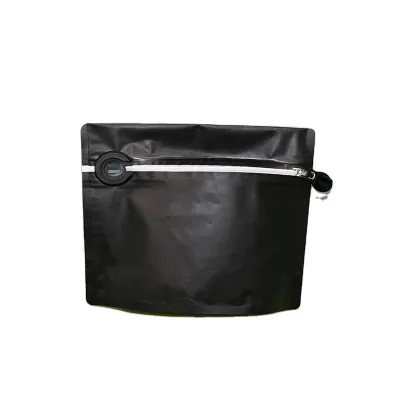


1/2oz Stand up Pouches Custom Printed Child Resistant Ziplock 14G Mylar Bags
$0.07 - $0.10
MOQ: 500 Pieces


Child Resistant Stand up Pouch Mylar Bag for Jelly Packaging and Storage
$0.10 - $0.50
MOQ: 1000 Pieces

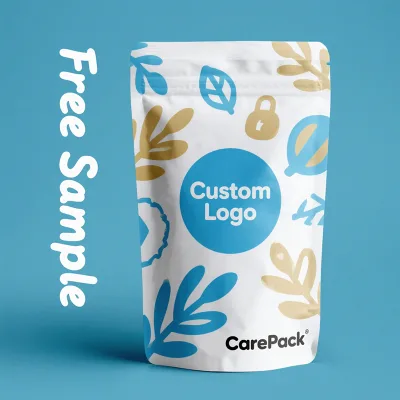
Custom Ziplock Childproof Child Resistant Stand up Pouch Candy Edible Exit Mylar Bags
$0.02 - $0.35
MOQ: 1000 pieces


Resealable Customized Child Resistant Bag Medical Zip Packaging Bag 
$0.10 - $0.30
MOQ: 10000 Pieces


Comprehensive Sourcing Guide
Strategic Sourcing Guide for Biodegradable Child Resistant Ziplock Pouches
Understanding Product Specifications and Material Composition
When sourcing biodegradable child-resistant ziplock pouches, buyers must first navigate the complex intersection of material science and functional design. The core product category involves flexible packaging solutions designed to prevent accidental ingestion by children while maintaining the integrity of the contents. Based on observed market data, these pouches are frequently constructed from plastic materials, though the specific biodegradable formulation requires careful verification. The physical dimensions of these bags vary significantly to accommodate different product weights and volumes. Common specifications include sizes such as 304.2*228.6mm, as well as imperial measurements like 5" X 8 1/7" X 2 1/3" (127X207+60mm) and 3" X 4 1/2" (115mm X 76.2mm).
The transparency of the packaging is a critical variable. Market listings indicate a wide range of visual properties, from fully transparent options to non-transparent variants, including matte black, glossy black, and custom colors. This diversity allows buyers to select packaging that aligns with brand identity while ensuring the child-resistant features remain visible or obscured as necessary. The sealing mechanism is equally diverse, with options ranging from self-sealing methods to specific zipper closures such as pinch slide, grip, and thumbs release mechanisms. The presence of a tear notch is also a common feature, facilitating easy opening for adults while maintaining security against children.
The shape of the pouch is predominantly an upright or stand-up bag, which offers superior shelf presence and stability. Popular sizes in the market are often categorized by weight capacity, with standard offerings including 1g, 3.5g, 7g, 14g (half ounce), 28g (1oz), 50g, 100g, 200g, 500g, and 1kg. These standardized sizes suggest a mature supply chain capable of producing specific increments for various industries. However, buyers should note that "biodegradable" is a claim that requires rigorous substantiation, as standard plastic pouches listed in general catalogs may not inherently possess this property without specific additive technologies or material substitutions.
Compliance and Certification Verification Protocols
The term "child resistant" implies a specific safety standard that the packaging must meet to be legally compliant in many jurisdictions. While the provided data lists features such as "Child Resistant," "Child Proof," and "Child Resistant Ziplock," it does not explicitly confirm adherence to specific international testing standards like ASTM D3475 without further verification. Buyers must understand that a product labeled as child-resistant must undergo independent testing to prove that a significant percentage of children cannot open the package within a set timeframe, while a majority of adults can.
Certification status is not automatically guaranteed by the product description. Procurement teams must request current test reports from the supplier to verify that the specific model, such as those designated by models like CRBAG06 or CR-28G, meets the required safety benchmarks. The standard 21*18cm or custom sizes mentioned in the data are physical dimensions, not safety certifications. Buyers should verify if the supplier holds certifications for the biodegradability claim, as this is distinct from the child-resistant feature. The presence of a "Recyclable" feature is also noted in several listings, but this must be distinguished from "biodegradable." Recyclability refers to the ability to process the material into new products, whereas biodegradability refers to the breakdown of the material by microorganisms.
When evaluating compliance, buyers should look for documentation that confirms the material composition meets the criteria for biodegradation under specific conditions (e.g., industrial composting vs. home composting). The data indicates that products are often used for food, medical, and dried flower applications, which may trigger additional regulatory requirements depending on the region. For instance, food-grade packaging must comply with specific migration limits, and medical packaging may require sterile processing validation. The origin of the products is listed as China, which is a major manufacturing hub, but the specific factory certifications and audit history should be part of the supplier evaluation process.
Cost Drivers and Pricing Structure Analysis
The pricing of biodegradable child-resistant ziplock pouches is influenced by several dynamic factors, including material costs, order volume, and customization requirements. The observed price range in the market spans from $0.01 to $16,870, a vast disparity that reflects the difference between single-unit samples and bulk industrial orders. The minimum order quantity (MOQ) typically ranges from 1 to 10,000 units, with specific listings indicating an MOQ of 500 pieces for certain models. This suggests that smaller buyers may face higher per-unit costs or need to pool orders to meet the threshold.
Material costs are a primary driver of the final price. Biodegradable plastics generally command a premium over conventional plastics due to the specialized additives or alternative polymers required to achieve the desired degradation profile. The complexity of the zipper mechanism also impacts cost; a high-quality pinch-slide or grip zipper that ensures child resistance while remaining user-friendly for adults requires precise molding and assembly. Customization further increases costs. Options for custom colors, custom printing, and custom sizes (such as the 14g or 1lb specifications) involve additional setup fees and longer production runs.
Packaging and logistics also contribute to the total cost. The products are typically packed in cartons or on pallets, and the dimensions of the packed units affect shipping efficiency. For example, a 1kg bag will take up more space than a 1g bag, influencing the cost per unit when shipped internationally. Buyers should also consider the cost of samples, which are often available as free stock samples, allowing for quality assessment before committing to a large order. However, custom samples may incur charges. The lead time, while not explicitly detailed in the provided data, is a critical cost factor; longer lead times can disrupt supply chains and increase inventory holding costs.
Typical Applications and Usage Scenarios
The versatility of biodegradable child-resistant ziplock pouches is evident in their diverse application sectors. The data highlights usage in food packaging, gift packaging, and medical packaging, indicating a broad market reach. In the food industry, these pouches are utilized for dried flowers, candies, gummies, and various edibles. The moisture-proof feature is particularly valuable here, ensuring the freshness and safety of consumable products. The child-resistant aspect is crucial for products that might be mistaken for candy or snacks, such as certain supplements or herbal products.
In the medical sector, the application extends to the storage of pharmaceuticals and medical supplies. The requirement for child resistance is paramount in this context to prevent accidental poisoning. The ability to customize the bag for specific medical needs, such as specific weight capacities like 1g or 28g, allows for precise dosing and storage. The "Smell Proof" and "Moisture Proof" features are also highly relevant for medical applications where product integrity must be maintained over time.
Beyond food and medicine, these pouches are used for promotional items and household storage. The "Upright Bag" shape and the availability of custom printing make them attractive for branding and marketing purposes. The recyclable and biodegradable attributes align with the growing consumer demand for sustainable packaging solutions. This is particularly important for brands in the dried flower and gifting industries, where environmental consciousness is a key selling point. The ability to offer custom colors and designs allows businesses to differentiate their products in a crowded market while adhering to safety and sustainability standards.
Supplier Evaluation and Quality Control Standards
Selecting the right supplier is critical for ensuring the reliability and safety of biodegradable child-resistant ziplock pouches. Buyers should evaluate suppliers based on their ability to provide consistent quality, adherence to specifications, and transparency in their manufacturing processes. The data indicates that products are made via a "Plastic Packaging Bags" process, but the specific machinery and quality control measures used by the supplier are not detailed. Buyers must inquire about the supplier's quality assurance protocols, including in-line inspections and final product testing.
Quality control should focus on the integrity of the child-resistant mechanism. The zipper must be tested to ensure it meets the required resistance levels without compromising the ease of use for adults. The sealing method, whether self-sealing or zipper closure, must be robust to prevent leakage and maintain the moisture-proof barrier. The transparency and color consistency are also important quality indicators, especially for custom-printed bags. Buyers should request samples to verify that the physical attributes, such as the dimensions and the tear notch, match the specifications provided.
Supplier reliability is another key factor. The origin of the products is listed as China, a region with a vast number of manufacturers. Buyers should verify the supplier's production capacity, lead times, and ability to scale up production if demand increases. The availability of free stock samples is a positive indicator, suggesting the supplier is confident in their standard products. However, for custom orders, the supplier's ability to manage the complexity of customization and maintain quality standards is essential. Buyers should also check for any history of product recalls or compliance issues to mitigate risk.
Long-Term Procurement Considerations and Sustainability
Long-term procurement of biodegradable child-resistant ziplock pouches requires a strategic approach that balances cost, quality, and sustainability. As regulations regarding biodegradability and child safety evolve, buyers must ensure that their suppliers remain compliant with new standards. The "biodegradable" claim should be supported by verifiable data, such as certification from recognized bodies, to avoid greenwashing risks. Buyers should also consider the end-of-life disposal options for the packaging, ensuring that the biodegradable properties are realized in the intended disposal environment.
Scalability is another consideration. As the business grows, the demand for these pouches may increase. Buyers should evaluate the supplier's ability to handle larger volumes without compromising quality or increasing lead times significantly. The flexibility of the supplier to offer custom sizes and designs will be crucial for adapting to changing market needs. Additionally, the cost of raw materials for biodegradable plastics can fluctuate, so buyers should negotiate contracts that account for potential price changes.
Sustainability is a long-term trend that will likely influence procurement decisions. The "Recyclable" and "Biodegradable" features are increasingly important to consumers and regulators. Buyers should prioritize suppliers who are transparent about their material sourcing and manufacturing processes. The ability to provide detailed information about the environmental impact of the packaging will be a competitive advantage. Finally, maintaining a strong relationship with the supplier, including regular communication and joint quality improvement initiatives, will help ensure a stable and reliable supply chain for these essential packaging solutions.
FAQs
What materials are used for biodegradable child resistant ziplock pouches?
These pouches are constructed from plastic materials, though specific biodegradable formulations require verification. Listings indicate options include matte black, glossy black, and custom colors. Buyers must confirm if the plastic additive technology meets biodegradation standards before purchase.
Which sealing methods are available for these child resistant bags?
Available sealing methods include self-sealing mechanisms and zipper closures. Specific zipper types observed are pinch slide, grip, and thumbs release. A tear notch is often present to facilitate easy adult opening while maintaining child safety.
Can I order custom sizes for these moisture proof packaging bags?
Yes, customization is available for various dimensions and weight capacities. Popular sizes range from 1g to 1kg, with specific models like CRBAG06 offering custom sizes. Buyers can request specific dimensions such as 304.2*228.6mm or 5 inches by 8 inches.
How do I verify the child resistant certification for these pouches?
Product labels like child proof do not guarantee compliance without independent testing reports. Buyers must request current test reports to verify adherence to safety benchmarks like ASTM D3475. The specific model number should be included in the verification request.
What is the minimum order quantity for custom printed child resistant bags?
The minimum order quantity typically ranges from 1 to 10,000 units depending on the supplier. Specific listings indicate an MOQ of 500 pieces for certain models. Free stock samples are often available for standard sizes before committing to a bulk order.
Which applications are suitable for these recyclable stand up pouch bags?
These bags are suitable for food, medical, gift, and dried flower packaging. They are designed to store edibles, candies, gummies, and pharmaceuticals securely. The moisture proof and smell proof features make them ideal for preserving product integrity across these diverse sectors.
Where are these plastic packaging bags manufactured and shipped from?
The products originate from China, a major manufacturing hub for flexible packaging. They are typically packed in cartons or on pallets for shipping. Buyers should verify specific factory certifications and audit history to ensure quality and compliance with local regulations.