Source Biodegradable PLA Sushi Takeout Box for Dessert Sushi Sashimi
Find 30 verified suppliers offering biodegradable pla sushi takeout boxes suitable for dessert, sushi, and sashimi. Compare specifications including material options like PET, PP, and paper pulp, along with customization and certification details for your food packaging needs.
Key considerations
Products List


Take-out Environmental Food Packaging Container Sushi Tray Take-out Box
$0.02 - $0.06
MOQ: 1000 Pieces


Eco Friendly Square Container Recyclable Plastic Disposable Sushi Take out Box
$0.12 - $0.13
MOQ: 5000 Pieces


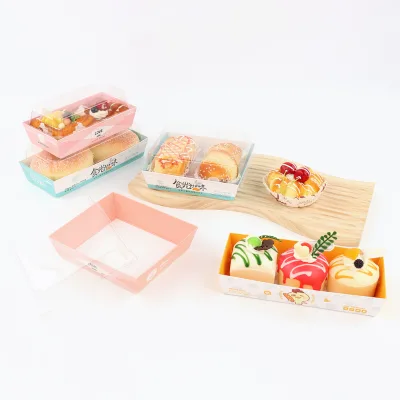

Disposable Plastic Sushi Box for Takeaway
$0.04 - $0.36
MOQ: 50000 Pieces
JIANGSU JINCAI POLYMER MATERIALS SCIENCE AND TECHNOLOGY CO., LTD.


Comprehensive Sourcing Guide
Strategic Sourcing Guide for Biodegradable PLA Sushi Takeout Boxes
The global shift toward sustainable food packaging has elevated the demand for biodegradable solutions, particularly within the sushi and sashimi sectors where presentation and hygiene are paramount. Buyers searching for a Biodegradable PLA Sushi Takeout Box must navigate a complex landscape of material science, regulatory compliance, and supply chain logistics. This guide provides an evidence-based framework for evaluating potential suppliers and products, ensuring that procurement decisions align with both environmental goals and operational requirements. The focus remains strictly on verified attributes, technical specifications, and compliance standards relevant to the market.
Material Composition and Technical Specifications
The core of any biodegradable sushi box lies in its material composition. While the search term specifies PLA (Polylactic Acid), the market reality involves a mix of materials designed to meet specific performance needs. Available options include PET, PP, PS, and paper pulp, often combined with PLA or other biodegradable coatings. For a true biodegradable solution, the raw material is frequently food-grade paper treated with a lining such as PLA, PHA, or aqueous coatings to ensure water and oil resistance.
Technical specifications for these containers vary significantly based on the intended application. The product models observed in the market include both square and round configurations, specifically tailored for sushi, sashimi, dumplings, and other takeaway foods. Volume capacities range widely, with standard sizes including 330ml, 345ml, 600ml, 750ml, 900ml, 998ml, 1000ml, and 1300ml. The shape is not limited to standard geometries; suppliers offer square, rectangular, oval, and round options, with the possibility of custom dimensions to fit unique branding or portioning needs.
Performance attributes are critical for sushi packaging. The product must exhibit excellent waterproof and oilproof performance to prevent leakage from sauces and moisture from raw fish. Additionally, the material should be suitable for both hot and cold applications, as well as wet and dry products. Some advanced variants claim to be microwavable and freezer-safe, allowing for versatile use in reheating or storage. The lid design often features an antifog property to maintain the visual appeal of the food inside, a crucial factor for high-end sushi presentation.
Compliance and Certification Verification
When sourcing biodegradable packaging, verifying compliance with international standards is non-negotiable. Buyers must ensure that the supplier can provide documentation proving that the product meets specific food safety and environmental criteria. The supply chain data indicates that reputable manufacturers often hold certifications such as LFGB and FDA for food safety, ensuring the materials do not leach harmful substances into food.
Environmental certifications are equally vital for validating the "biodegradable" claim. The relevant standards include EN13432, NF-T51:800, and AS5810, which define the criteria for compostability. A product claiming to be biodegradable should ideally meet one or more of these standards. Furthermore, the manufacturing facility itself should be audited for quality and environmental management. Certifications such as ISO 9001 for facility quality systems, ISO 14001 for environmental production, and BRC for factory food safety are strong indicators of a reliable supplier. Additional accreditations like BSCI (Business Social Compliance Initiative) and GSV (Global Standards Verification) may also be present, reflecting a commitment to social responsibility and supply chain transparency.
Buyers should not assume that all listed products meet these standards. It is essential to request specific test reports and certification copies for the exact batch or model being ordered. The presence of SGS, EU, CIQ, and CE marks in the product metadata suggests a broader compliance framework, but these must be cross-referenced with the specific product attributes to ensure accuracy.
Cost Drivers and Pricing Structures
Understanding the cost structure of biodegradable PLA sushi boxes requires analyzing several variables. The observed price range in the market is approximately $0 to $0.47 USD per unit, though this is highly dependent on volume, material composition, and customization levels. The primary cost drivers include the type of raw material (e.g., pure PLA vs. paper pulp with PLA coating), the complexity of the mold (square vs. custom shapes), and the printing requirements.
Customization is a significant factor in pricing. While standard products may be available at lower price points, options for custom logos, specific colors (such as brown or custom shades), and unique dimensions will increase the unit cost. The Minimum Order Quantity (MOQ) also plays a critical role in the final price. Data indicates an MOQ range from 30 units to 50,000 units. Higher volumes generally result in lower per-unit costs, but the high-end MOQ of 50,000 pieces may be a barrier for smaller buyers.
Packaging details also influence the total landed cost. Standard packing configurations include 50 pieces per bag and 20 bags per carton, or 500 pieces per carton. Some suppliers offer seaworthy packing with 1,000 pieces per carton. The choice of packaging must align with the buyer's storage and distribution capabilities to avoid unnecessary handling costs or damage during transit.
Typical Applications and Usage Scenarios
Biodegradable PLA sushi boxes are designed for a wide array of food applications, with a primary focus on the Japanese cuisine sector. The specific applications identified include dessert, sushi, sashimi, dumplings, and other takeaway foods. The versatility of these containers allows them to be used for both hot and cold items, making them suitable for a full range of sushi offerings, from raw fish to cooked rolls.
The "Takeaway Togo Food" application is particularly relevant for modern dining trends. These boxes are engineered to maintain food integrity during transport, preventing leaks and preserving temperature. The antifog lid feature is specifically beneficial for sushi, as it prevents condensation from obscuring the view of the food, which is a key aesthetic element in sushi presentation.
For businesses focusing on eco-conscious branding, the biodegradable and compostable nature of these boxes serves as a marketing advantage. The ability to use these containers for wet and dry products simultaneously simplifies inventory management for restaurants and food service providers. Whether used for immediate consumption or delivery, the packaging must withstand the rigors of the supply chain without compromising the food's quality or the environment.
Supplier Evaluation and Sourcing Criteria
Selecting the right supplier requires a rigorous evaluation process that goes beyond price comparisons. Buyers should prioritize suppliers who demonstrate transparency in their material sourcing and manufacturing processes. The origin of the products is predominantly China, with specific manufacturing hubs identified in Anhui. While this location is common for packaging production, buyers should verify the specific factory capabilities and audit reports.
Key evaluation criteria include the supplier's ability to handle customization. The market data confirms that customization is available, including custom logos, colors, and shapes. Suppliers should be willing to accept OEM (Original Equipment Manufacturer) and ODM (Original Design Manufacturer) orders, allowing buyers to create unique packaging solutions. The printing capabilities, such as flexographic or offset printing, should be assessed to ensure the quality of branding on the final product.
Additionally, the supplier's production capacity and lead times are critical. While specific lead times are not universally standardized, the MOQ requirements suggest that suppliers have varying levels of capacity. A supplier offering an MOQ of 30 units may be a small workshop, whereas one requiring 50,000 units likely operates at an industrial scale. Buyers must align their order volume with the supplier's capabilities to ensure timely delivery.
Quality Control and Long-Term Procurement Considerations
Quality control is essential to ensure that the biodegradable claims are genuine and that the products perform as expected. Buyers should implement a robust QC strategy that includes pre-production sample approval, in-process inspections, and final random sampling. The product attributes, such as "Great Performance" for waterproofing and "Eco-Friendly" status, must be verified through third-party testing.
Long-term procurement considerations involve building a sustainable supply chain. This includes evaluating the supplier's commitment to continuous improvement in environmental standards. The presence of certifications like ISO 14001 and BRC indicates a mature quality management system, but buyers should also inquire about the supplier's plans for future compliance with evolving regulations.
The recyclability of the product is another long-term factor. While the product is marketed as biodegradable, the "Recyclable: Yes" attribute suggests that some variants may also be suitable for recycling streams. Buyers should clarify the end-of-life disposal options with their suppliers to ensure that the packaging aligns with their corporate sustainability goals.
Comparative Analysis of Product Attributes
To assist in decision-making, the following table summarizes the key attributes observed in the market for biodegradable PLA sushi takeout boxes. This comparison highlights the diversity of options available and the specific features that buyers should prioritize based on their needs.
| Attribute Category | Standard Options | Customizable Options | Verification Requirement |
|---|---|---|---|
| Material | PET, PP, PS, Paper Pulp | Custom blends (PLA, PHA, Aqueous) | Request Material Safety Data Sheets |
| Shape | Square, Round | Oval, Rectangle, Custom | Review 3D CAD drawings |
| Capacity | 330ml to 1300ml | Custom Dimensions | Verify volume with physical samples |
| Coating | PLA, PHA, PE, Aqueous | Custom Lining | Check Compostability Certificates |
| Printing | Flexo, Offset | Custom Logo/Color | Proof print approval required |
| Certifications | LFGB, FDA, ISO 9001 | BRC, ISO 14001, BSCI | Validate current certification dates |
| MOQ | 30 - 50,000 units | Negotiable based on volume | Confirm production lead time |
This table illustrates that while standard options exist, the true value of sourcing lies in the ability to customize. Buyers must balance the cost of customization against the benefits of brand differentiation and specific functional requirements.
Final Procurement Recommendations
Sourcing biodegradable PLA sushi takeout boxes is a strategic decision that requires careful attention to material science, regulatory compliance, and supplier reliability. Buyers should prioritize suppliers who can provide comprehensive documentation for food safety and environmental standards. The ability to customize the product, from shape to printing, offers significant opportunities for brand enhancement, but it must be balanced against the associated costs and MOQ requirements.
By adhering to the verification protocols outlined in this guide, buyers can mitigate risks and ensure that their procurement of biodegradable packaging meets both operational and sustainability goals. The market offers a wide range of options, from basic disposable trays to high-performance, fully compostable solutions. The key to success lies in rigorous due diligence and a clear understanding of the specific needs of the sushi and takeaway food sector.
FAQs
What materials are used for biodegradable PLA sushi takeout boxes?
These boxes are typically made from PET, PP, PS, or food-grade paper pulp. Some variants feature PLA or PHA linings to ensure water and oil resistance while maintaining biodegradability for eco-friendly disposal.
Which certifications verify food safety and environmental compliance?
Reputable products often hold LFGB and FDA certifications for food safety. Environmental claims are validated by standards such as EN13432, NF-T51:800, and AS5810 for compostability, alongside ISO 9001 and ISO 14001 for facility management.
Can these boxes be customized with logos and specific shapes?
Yes, customization is available for logos, colors, and shapes like square, round, or oval. Suppliers accept OEM and ODM orders, allowing for custom dimensions and flexographic or offset printing to match your brand requirements.
What is the typical minimum order quantity for these boxes?
The minimum order quantity ranges from 30 to 50,000 pieces depending on the supplier and customization level. Standard orders may start low, while fully customized runs often require higher volumes to justify production costs.
How are these boxes packed for shipping and export?
Standard packing includes 50 pieces per bag and 20 bags per carton, or 500 pieces per carton. Export-grade options may offer seaworthy packing with 1,000 pieces per carton to ensure safe transit and storage.
Are these containers suitable for hot and cold food applications?
Yes, they are designed for both hot and cold products, including wet and dry items. Advanced features include antifog lids and microwavable properties, making them versatile for sushi, sashimi, dumplings, and other takeaway foods.