Source Biodegradable Polypropylene Mesh Bag for Feed, Grain, and Flour
Source Biodegradable Polypropylene Mesh Bag options from 30 verified listings. Compare specifications like GSM, width, and closure types for feed, grain, and flour packaging needs. Evaluate customization, UV treatment, and material standards to find the right fit for your supply chain.
Key considerations
Products List


Polypropylene Woven Sacks Bags Reusable Biodegradable Hot Sale Poly Bag
$0.04 - $0.18
MOQ: 20000 Pieces


$0.14 - $0.15
MOQ: 50000 Pieces

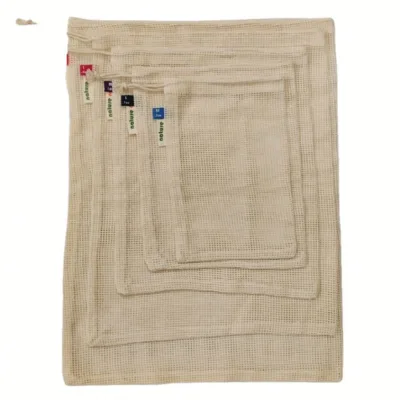


$0.01 - $0.02
MOQ: 100000 Pieces

$1780.00 - $2100.00
MOQ: 6 Pieces


$0.05 - $0.08
MOQ: 320000 Pieces


Polyester Mesh Bags Polyester Mesh Bag Wholesales Recycled Polyester PE Mesh Bags
$0.19 - $0.20
MOQ: 10000 Pieces


Comprehensive Sourcing Guide
Biodegradable Polypropylene Mesh Bag Sourcing Guide
Sourcing biodegradable polypropylene mesh bags requires careful navigation of material definitions and supply chain realities. While the core keyword suggests eco-friendly materials, the observed product data indicates a market dominated by standard polypropylene (PP) and high-pressure polyethylene constructions. Buyers must distinguish between true biodegradable options and conventional woven bags that may offer recyclability or specific treatments. The available listings highlight products made from PP fabric, with raw materials explicitly identified as polypropylene plastic bags or high-pressure polyethylene variants. This distinction is critical for procurement teams aiming to meet specific sustainability goals or regulatory requirements that mandate actual biodegradation rather than mere recyclability.
The observed product range includes flat bags, upright bags, and organ bags, with applications spanning chemical, food, feed, seed, grain, flour, and corn storage. These bags are characterized by features such as moisture proofing, heat-sealing closures, and customizable printing. The loading capacities vary significantly, with some products supporting up to 20kg and others ranging from 15kg to 100kg. Understanding these structural and functional variations is essential for selecting the right packaging solution. Procurement specialists should verify whether the "biodegradable" claim applies to the entire bag structure or only specific components, as the majority of observed items are standard industrial woven bags designed for durability and reuse rather than rapid decomposition.
Product Scope and Observed Listing Signals
The current market landscape for polypropylene mesh bags reveals a diverse array of product types and specifications. Observed listings include flat bags, upright bags, and organ bags, with widths ranging from 25-150cm and 30-100cm. The lengths are often customized to meet specific client requirements, allowing for tailored solutions in various industries. The bags are available in multiple colors, including clear, red, yellow, green, white, and blue, with options for customized printing. This variety supports branding needs and visual identification in supply chains. The making processes involve composite packaging, plastic packaging bags, and food bags, indicating a broad applicability across different sectors.
Key attributes observed include heat-sealing closures, stitched or valve bottoms, and top options like heat cut, fold and sewing, or string. The GSM ranges from 45-230, with some products specifying 55-100GSM, while others list standards like 23g, 35g, 43g, and 55g. The denier ranges from 500d to 2200d, and mesh sizes vary from 8X8 to 12X12. These technical details are crucial for determining the bag's strength and permeability. Buyers should note that while some products are labeled as recyclable or disposable, the primary material is often standard PP or high-pressure polyethylene. This information helps in assessing the environmental impact and suitability for specific applications, such as food storage or industrial chemical handling.
Technical Specifications to Verify
When evaluating polypropylene mesh bags, buyers must verify critical technical specifications to ensure they meet operational needs. The GSM (grams per square meter) is a key indicator of bag strength and durability, with observed ranges from 45-230 GSM. It is essential to confirm the exact GSM for the specific order, as this affects the bag's load-bearing capacity and resistance to tearing. Additionally, the denier count, ranging from 500d to 2200d in observed listings, provides insight into the thickness and robustness of the woven fibers. Buyers should request detailed specifications for the denier and mesh size, which typically ranges from 8X8 to 12X12, to ensure the bag's permeability and strength align with the product being packaged.
The closure type and bottom design are also vital considerations. Observed products feature heat-sealing closures, stitched bottoms, valve bottoms, and block bottoms. The top options include heat cut, fold and sewing, or string attachments. These features impact the ease of filling, sealing, and opening the bags. Buyers should verify the availability of these options and their compatibility with their packaging machinery. Furthermore, the width and length specifications, which can be customized, must be confirmed to ensure the bags fit the product dimensions and palletization requirements. The UV treatment, observed at 2% in some listings, should be verified if the bags are intended for outdoor storage or prolonged exposure to sunlight, as this affects the bag's longevity and resistance to degradation.
Compliance and Safety Documentation
Compliance and safety documentation are paramount when sourcing polypropylene mesh bags, especially for food and chemical applications. Buyers must ensure that the bags meet relevant food safety standards if they are intended for direct food contact. This includes verifying that the materials used are free from harmful contaminants and that the manufacturing process adheres to hygiene regulations. For chemical applications, the bags must be compatible with the substances they will contain, preventing any chemical reactions or leaks. Documentation such as Material Safety Data Sheets (MSDS) and certificates of analysis should be requested to confirm the chemical resistance and safety of the bags.
Additionally, buyers should inquire about any certifications related to recyclability or biodegradability, if these are key procurement criteria. While some products are labeled as recyclable, it is important to verify the specific standards and certifications that support these claims. This may include certifications from recognized bodies that validate the recyclability of the PP material. For products claiming biodegradability, buyers should request test results and certifications that demonstrate the bags' ability to decompose under specific conditions. This documentation is crucial for meeting corporate sustainability goals and regulatory requirements. Buyers should also ensure that the suppliers provide clear labeling and instructions for proper disposal or recycling, to support end-of-life management.
Cost Drivers and Commercial Terms
The cost of polypropylene mesh bags is influenced by several factors, including material type, GSM, customization, and order volume. The observed price range of 0.01-2650 USD reflects the diversity in product specifications and quantities. Higher GSM and denier counts generally result in higher costs due to increased material usage. Customization options, such as specific colors, printing, and dimensions, can also add to the cost. Buyers should negotiate based on the total volume and frequency of orders, as larger quantities often lead to better pricing. The MOQ (Minimum Order Quantity) ranges from 1 to 320,000, offering flexibility for both small and large buyers.
Commercial terms such as payment methods, lead times, and shipping arrangements are critical components of the procurement process. Buyers should clarify the payment terms, including any deposits or credit options, and understand the lead times for production and delivery. The observed export experience of 17 years for some suppliers suggests a level of reliability and expertise in international trade. However, buyers should still verify the supplier's current capacity and reliability. Shipping costs can vary significantly based on the weight and volume of the order, as well as the destination. Buyers should consider Incoterms and logistics options to optimize total landed costs. Clear communication of these terms helps in budgeting and planning for the procurement cycle.
Supplier Qualification and Quality Control
Supplier qualification is a crucial step in ensuring the reliability and quality of polypropylene mesh bags. Buyers should assess the supplier's manufacturing capabilities, including their production capacity, technology, and quality control processes. The observed product origin, such as Anhui, China, provides some context, but buyers should verify the supplier's overall reputation and track record. Requesting references from existing clients and conducting site visits, if possible, can provide valuable insights into the supplier's operations. Additionally, buyers should inquire about the supplier's experience in exporting, as this can indicate their ability to handle international logistics and compliance requirements.
Quality control measures should be clearly defined and agreed upon before placing orders. This includes specifications for incoming material inspection, in-process quality checks, and final product testing. Buyers should request samples for evaluation and testing to ensure they meet the required standards. The observed features, such as moisture proofing and recyclability, should be verified through testing or certification. Buyers should also establish a process for handling non-conforming products, including return policies and corrective action plans. Regular audits and performance reviews can help maintain high standards and ensure continuous improvement. Building a strong relationship with the supplier based on transparency and mutual trust is essential for long-term success.
Long-Term Procurement Checks
Long-term procurement checks are necessary to maintain the quality and reliability of polypropylene mesh bag supplies. Buyers should establish a schedule for regular performance reviews, assessing factors such as delivery times, product quality, and customer service. This helps in identifying any issues early and addressing them promptly. Buyers should also monitor market trends and technological advancements in packaging materials, as these can impact the availability and cost of polypropylene mesh bags. Staying informed about new developments allows buyers to make informed decisions and potentially switch to more efficient or sustainable options if needed.
Additionally, buyers should maintain open communication with their suppliers to foster a collaborative relationship. This includes sharing feedback, discussing future needs, and exploring opportunities for cost savings or process improvements. Regularly reviewing and updating procurement policies and specifications ensures that they remain aligned with business goals and regulatory requirements. Buyers should also consider diversifying their supplier base to mitigate risks associated with single-source dependencies. This can include identifying alternative suppliers in different regions or with different capabilities. By proactively managing these long-term checks, buyers can ensure a stable and efficient supply chain for their polypropylene mesh bag needs.
FAQs
Can these bags be customized for specific dimensions?
Yes, customization is available for length and width to meet your specific needs. The width ranges from 25 to 150 cm, while the length is produced as per your requirement. This flexibility ensures the bags fit your exact packaging requirements perfectly.
What materials are used to make these plastic bags?
These bags are primarily made from polypropylene plastic or high-pressure polyethylene. The material is woven and often treated for lamination or UV resistance. This composition ensures durability and suitability for various industrial applications like food and chemical storage.
Which closure types are available for these flat bags?
Heat-sealing is the standard closure type offered for these flat bags. Additional options include stitched, valve, or block bottom configurations depending on your request. The top can also be heat cut, folded, sewn, or fitted with a string for secure closure.
How much weight can these bags hold during transport?
The loading capacity varies by model, with some bags supporting up to 20 kg and others handling 15 to 100 kg. The specific capacity depends on the GSM weight, which ranges from 45 to 230, and the denier strength of the woven material used.
What features make these bags suitable for food applications?
These bags are moisture proof and recyclable, making them ideal for food storage. They are designed to be disposable and can be treated with UV protection or anti-slip finishes. The clear or colored options help in identifying contents while maintaining hygiene standards.
Where are these polypropylene bags manufactured and shipped from?
The products originate from China, specifically from the Anhui region. Suppliers have extensive export experience spanning 17 years. This location ensures reliable production capabilities and established logistics channels for international shipping of your bulk orders.
What printing options are available for custom branding?
Printing is available as per your requirement, allowing for custom branding on the bags. You can choose from various colors including white, blue, green, black, red, yellow, or clear. This flexibility supports distinct marketing needs while maintaining the structural integrity of the packaging.