Source Black Alloy Pendant Stud Earrings for gifts, fashion, and daily wear
Compare 30 listings of Black Alloy Pendant Stud Earrings from verified suppliers. Buyers can evaluate materials like stainless steel and 925 sterling silver, styles ranging from vintage to minimalist, and customization options for bulk orders; compare the available evidence and request quotations based on your requirements.
Updated
Key considerations
Products List


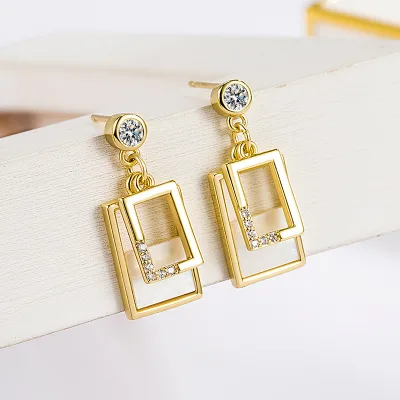
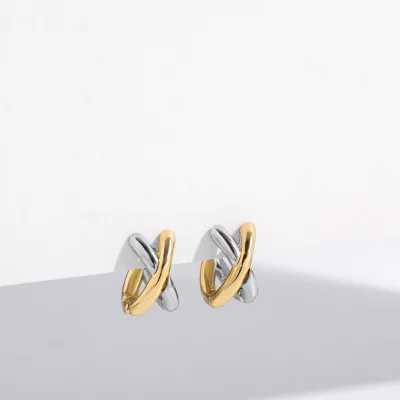


Stud Stainless Steel Lightweight Fashion Versatile Fashion Jewelry Earring
$0.80 - $9.00
MOQ: 50 Pieces


Trendy Lightweight Gentle Stainless Steel Fashion Jewelry Pendant Earring
$0.80 - $9.00
MOQ: 50 Pieces

Lightweight Secure Trendy Stainless Steel Fashion Jewelry Pendant Earring
$0.80 - $9.00
MOQ: 50 Pieces

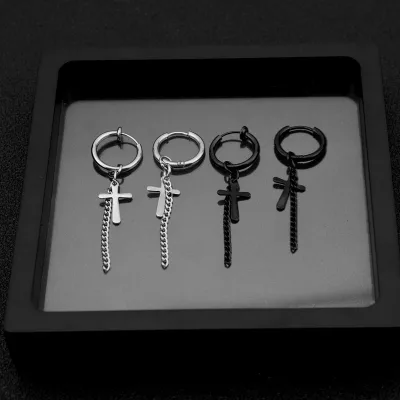
Black Stainless Steel Cross Piercing-free Earrings; Cross-border Pendant Earrings
$0.5187 - $0.5696
MOQ: 1 Minimum
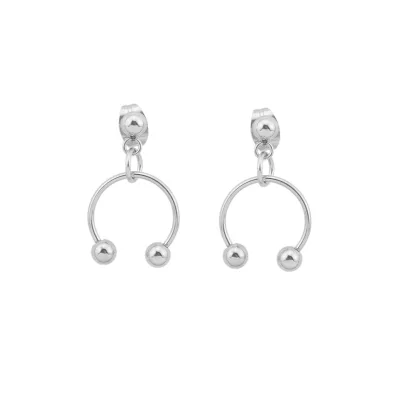
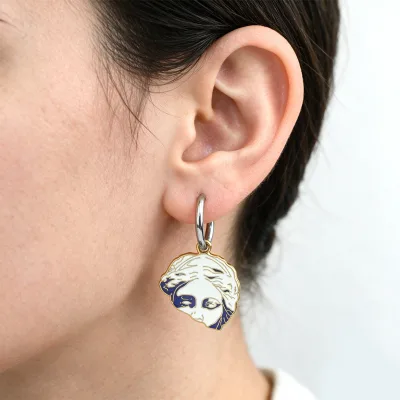
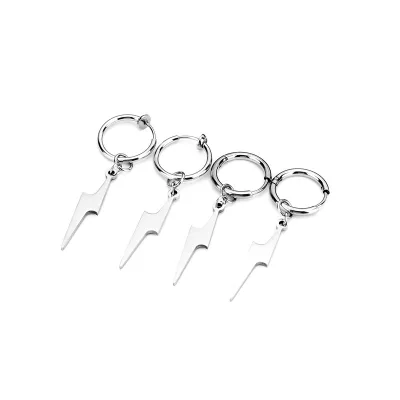
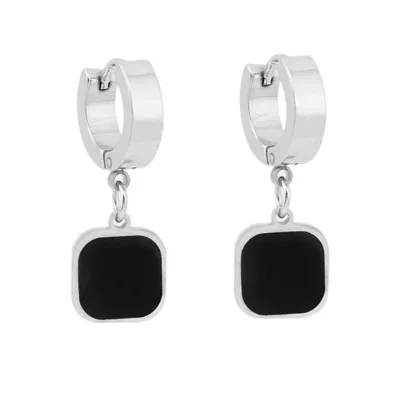

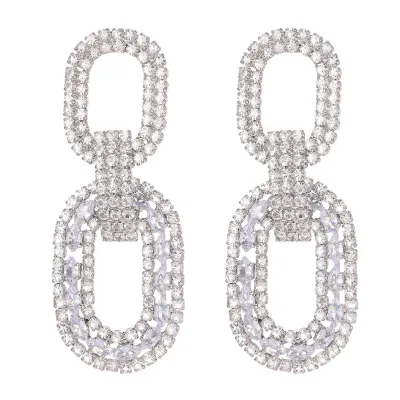
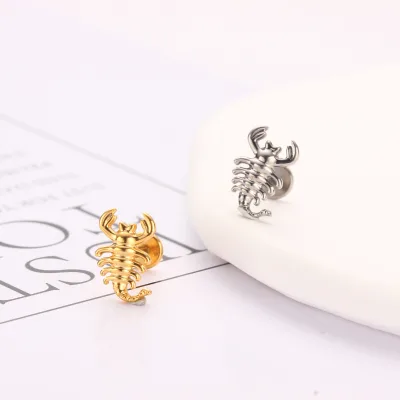
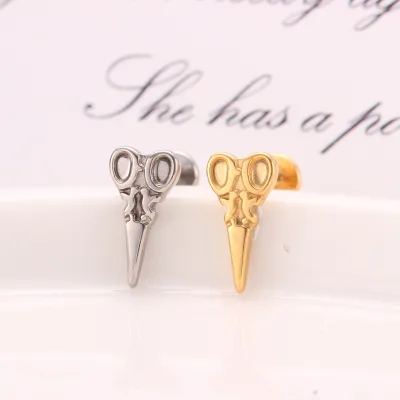

Simple Trend Personality Stainless Steel Earrings Gold Black Silver Stud Earrings
$0.35 - $0.55
MOQ: 12 Pieces

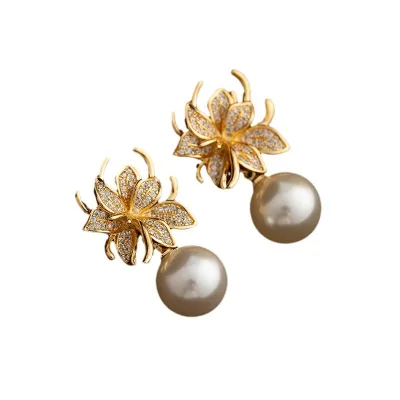


Fashion hot selling 925 silver black enamel earrings wholesale jewelry earrings
$24.35 - $30.90
MOQ: 1 Pairs

Camellia flower earrings Light luxury and high elegance ear stud earrings
$19.90 - $22.80
MOQ: 15 Pairs

Nature citrine white plating women earring fashion jewelry retro stud earrings
$14.04 - $17.12
MOQ: 1 Pairs

Comprehensive Sourcing Guide
Black Alloy Pendant Stud Earrings Sourcing Guide
Sourcing Black Alloy Pendant Stud Earrings requires a disciplined approach to material verification and aesthetic alignment, as the term "alloy" encompasses a wide spectrum of base metals with varying durability and finish quality. Buyers must prioritize suppliers who explicitly disclose the specific metal composition, such as zinc or copper alloys, to ensure the final product meets both visual expectations and regulatory safety standards for skin contact. The pendant element adds a distinct vertical dimension to the stud format, creating a focal point that demands precise casting or molding techniques to maintain structural integrity during daily wear.
Procurement teams should evaluate the surface treatment processes, particularly plating and coating, as these determine the longevity of the black finish against oxidation and abrasion. Observing the listed price range and minimum order quantities can provide early signals about the supplier’s production capacity and quality tier, with lower price points often correlating with thinner plating layers or less rigorous quality control protocols. Establishing clear specifications for the pendant’s attachment mechanism is critical, as loose connections are a common failure point in alloy jewelry that leads to customer returns and brand damage.
Product Scope and Observed Listing Signals
The observed market data indicates a broad price range from $0.28 to $55.37 USD, reflecting significant variation in material purity, brand positioning, and manufacturing complexity within the black alloy category. This wide dispersion suggests that buyers can find options suitable for both high-volume promotional giveaways and premium fashion retail, provided they carefully correlate price points with the disclosed material specifications and certification levels. The minimum order quantity ranges from 1 to 500 units, offering flexibility for small batch testing and larger scale production runs without excessive inventory risk.
Listing attributes frequently highlight customization options, with many suppliers offering customized packaging and specific model numbers to facilitate brand integration and inventory tracking. The presence of diverse styles, including simple, vintage, and trendy designs, indicates that the black alloy pendant stud format is versatile enough to adapt to various fashion trends and consumer demographics. Buyers should note that while many listings claim customization, the actual feasibility and cost implications depend heavily on the supplier’s existing tooling and production line flexibility.
Technical Specifications to Verify
Verification of the core material composition is the most critical technical step, as "alloy" is a generic term that may include materials ranging from inexpensive zinc to more durable stainless steel or copper-based mixes. Buyers must request detailed material test reports to confirm the absence of harmful substances like lead, cadmium, and nickel, especially since black plating or anodizing can sometimes mask underlying material defects or impurities. The specific model numbers listed, such as ES9509 or ES9253, serve as unique identifiers that should be cross-referenced with the supplier’s technical datasheets to ensure consistency in dimensions and weight.
The attachment mechanism for the pendant stud must be rigorously tested for security, as the pendant adds leverage that can stress the post or clip mechanism during movement. Surface treatments, including frosted finishes or rose gold plating accents, should be evaluated for adhesion strength and resistance to daily wear, including exposure to sweat and cosmetics. Packaging specifications, such as OPP bags or customized boxes, also impact the perceived value and protection of the product during shipping, requiring clear agreements on packaging quantity and single package dimensions to optimize logistics costs.
Compliance and Safety Documentation
Regulatory compliance is non-negotiable for jewelry imports, particularly when dealing with alloys that may contain heavy metals or when using black coatings that could contain hazardous pigments. Buyers must ensure that suppliers provide valid certification documents, such as CAL certificates or other relevant testing reports, to verify that the products meet the safety standards of the target market, including REACH in Europe or CPSIA in the United States. The absence of specific certification claims in a listing should be treated as a red flag, requiring immediate clarification and third-party testing before any purchase commitment.
Water resistance and daily wear durability are often cited as features, but these claims must be backed by empirical test data rather than marketing language. Buyers should verify whether the black finish is achieved through electroplating, PVD coating, or anodization, as each method offers different levels of corrosion resistance and longevity. Understanding the specific standard applied, such as EN 1811 for nickel release, helps in assessing the risk of allergic reactions and ensures that the product is safe for prolonged skin contact, particularly for youth and female demographics who may be more sensitive to metal allergies.
Cost Drivers and Commercial Terms
The final landed cost of Black Alloy Pendant Stud Earrings is influenced by several key drivers, including the raw material price fluctuations, the complexity of the pendant design, and the thickness of the plating layer. Suppliers with lower minimum order quantities may charge higher unit prices due to the fixed costs associated with setup and small batch production, while larger orders can benefit from economies of scale in material purchasing and manufacturing efficiency. Buyers should negotiate clearly on the inclusion of packaging costs, as customized packaging can significantly impact the total price per unit.
Lead times and payment terms are critical commercial factors that affect cash flow and inventory management, with customized orders typically requiring longer production windows than stock items. Buyers must clarify whether the quoted prices include shipping, duties, and taxes, as these variables can drastically alter the true cost of procurement. Understanding the supplier’s production capacity and peak season constraints helps in planning orders to avoid delays, ensuring that inventory levels are maintained to meet market demand without excessive holding costs.
Supplier Qualification and Quality Control
Supplier qualification should begin with a thorough review of their manufacturing capabilities, including their experience with alloy casting, plating, and assembly processes. Buyers should request samples to physically inspect the finish quality, check for imperfections like bubbles or uneven plating, and test the security of the pendant attachment under simulated wear conditions. Verifying the supplier’s location, such as Zhejiang, China, can provide insights into their supply chain efficiency and access to raw materials, but should not replace direct quality assessments.
Quality control protocols must be explicitly defined, including in-process inspections and final random inspections based on acceptable quality limits. Buyers should establish clear criteria for rejecting products with chipped black coating, loose pendants, or tarnished surfaces, and ensure that the supplier has a robust process for handling defects and returns. Regular communication and periodic audits, if feasible, help maintain consistent quality standards and build a reliable partnership that minimizes the risk of supply chain disruptions.
Long-Term Procurement Checks
Long-term success in sourcing Black Alloy Pendant Stud Earrings depends on continuous monitoring of product performance and customer feedback to identify any emerging quality issues or design flaws. Buyers should track return rates related to plating wear, skin irritation, or pendant loss to assess the durability of the chosen supplier’s products and make informed decisions about future orders. Maintaining a diverse supplier base can mitigate risks associated with single-source dependencies, allowing for flexibility in pricing and production capacity during market fluctuations.
Staying updated on regulatory changes and evolving consumer preferences for sustainable and hypoallergenic jewelry is essential for maintaining a competitive edge. Buyers should periodically re-evaluate their supplier’s compliance status and material offerings to ensure alignment with current standards and market trends. Building a strong relationship with suppliers based on transparency and mutual benefit fosters collaboration on new designs and improvements, ensuring that the procurement strategy remains agile and responsive to changing business needs.
FAQs
What materials are used for these stud earrings?
The stud earrings are crafted from 925 Sterling Silver, Stainless Steel, and copper. These materials provide durability and a premium finish. The silver options offer a classic look, while stainless steel ensures daily water resistance. Copper variants provide a cost-effective alternative. Each material is selected for its specific aesthetic and functional properties in jewelry manufacturing.
Can I customize the packaging for bulk orders?
Yes, customization is available for packaging. Options include OPP Bags or customized packages to meet your branding needs. This flexibility allows you to present the earrings professionally to your customers. You can specify unique designs or labels on the packaging. This service supports distinct marketing strategies and enhances the unboxing experience for end-users.
What is the minimum order quantity for these earrings?
The minimum order quantity ranges from 1 to 500 units. This flexible MOQ accommodates both small trial orders and larger bulk purchases. Buyers can start with a single pair to test quality or order up to 500 for initial stock. This range ensures accessibility for various business sizes and inventory requirements without excessive upfront commitment.
Are these earrings suitable for sensitive ears?
Many options are designed for comfort and wearability. The 925 Sterling Silver variants are generally hypoallergenic and suitable for sensitive skin. Stainless steel options also offer good resistance to irritation. However, copper-based earrings may require careful consideration for those with metal allergies. Always verify material specifications to ensure compatibility with your target audience's needs.
What styles are available for these stud earrings?
Available styles include Simple, Classic, Star Fashion, Vintage, and Trendy designs. Options range from Zircon Bling Earrings to minimalist pieces. The collection features Round shapes and various plating options like Rose Gold. These diverse styles cater to different fashion preferences, allowing you to stock a versatile range that appeals to multiple customer segments.
Where are these earrings manufactured?
These earrings originate from Zhejiang, China. This region is known for its robust jewelry manufacturing infrastructure. Production facilities in this area ensure consistent quality and efficient supply chain management. Buyers can leverage this geographic advantage for reliable sourcing. The location supports both standard and customized production requirements for global distribution.