Source Handmade Cotton Rope Bracelet for gifts, parties, and decor
Explore 30 listings for Handmade Cotton Rope Bracelet options suitable for gifts, parties, and decoration. Buyers can compare styles, materials, and customization features from verified suppliers to find the best fit for their needs; compare the available evidence and request quotations based on your requirements.
Updated
Key considerations
Products List

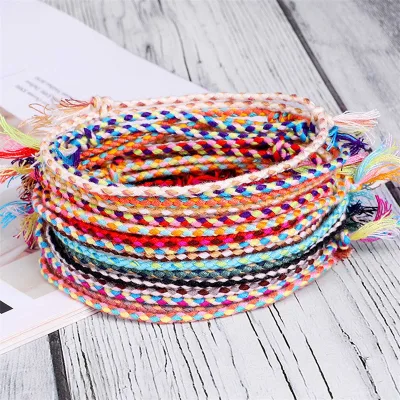
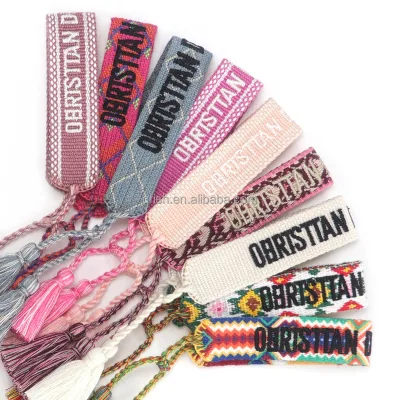


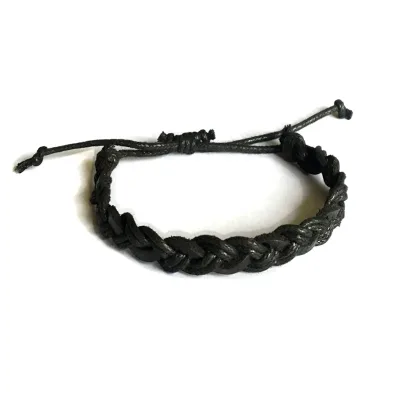
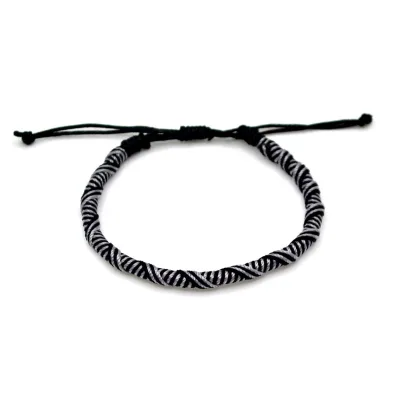
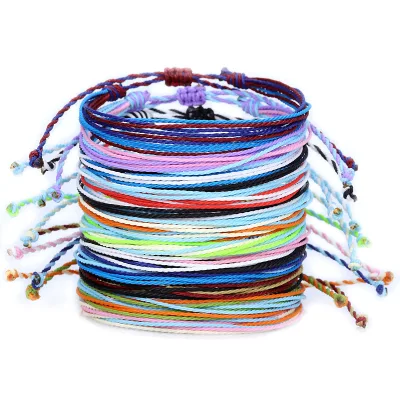
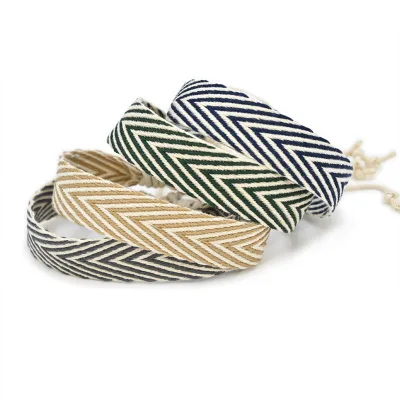
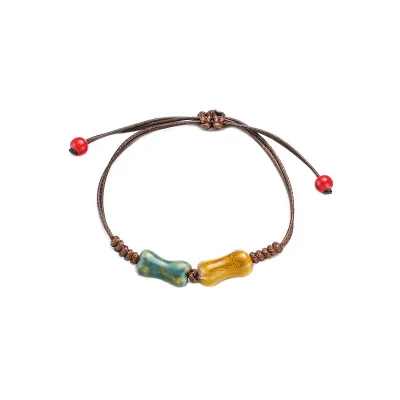


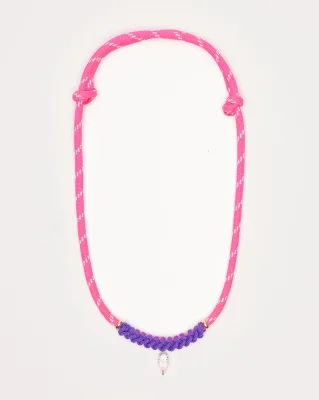
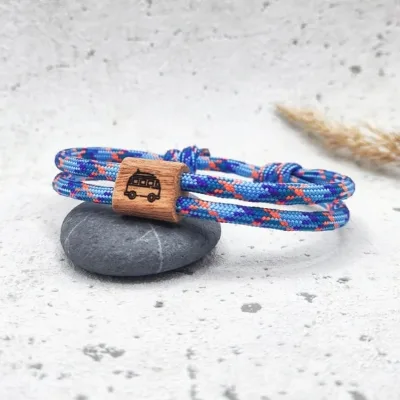


Length Adjustable Hand Braided Red Rope Buckle Bracelet for Men and Women
$0.586 - $0.59
MOQ: 5000 Pieces

Woven Friendship Braided Red Rope with Diamonds Handmade Braided Charm Adjustable Bracelet
$1.21 - $1.23
MOQ: 500 Pieces


Handmade Fashionable 26 Letters Adjustable Rope Bracelet for Trendy Accessories
$0.14 - $0.25
MOQ: 12 Pieces


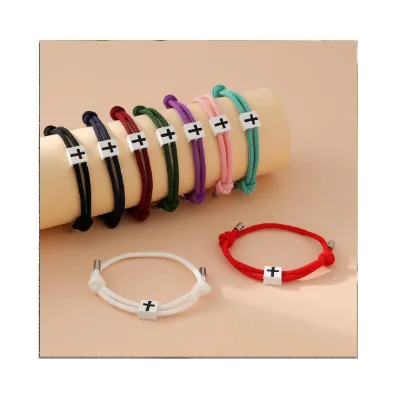
Comprehensive Sourcing Guide
Handmade Cotton Rope Bracelet Sourcing Guide
Sourcing handmade cotton rope bracelets requires a nuanced understanding of material properties, aesthetic versatility, and supply chain transparency. These accessories bridge the gap between casual everyday wear and specific cultural or religious expressions, making them a versatile addition to any jewelry portfolio. Buyers must navigate a market where "handmade" implies artisanal quality but also introduces variability in production consistency. The core appeal lies in the tactile nature of natural fibers combined with durable metal or stone accents, offering a product that resonates with consumers seeking authenticity and comfort.
The procurement strategy must account for the diverse styles available, ranging from simple bohemian wraps to intricate channel-set designs. Observations indicate that suppliers offer significant customization options, including logo placement and specific color palettes, which are critical for brand differentiation. However, the term "handmade" does not guarantee uniformity; therefore, establishing clear quality benchmarks during the sampling phase is essential. Buyers should prioritize suppliers who demonstrate robust control over their artisan networks to ensure that the final product meets both aesthetic expectations and durability standards required for retail distribution.
Product Scope and Observed Listing Signals
The current market landscape for cotton rope bracelets reveals a wide spectrum of product attributes, primarily driven by customization demands and style preferences. Listings frequently highlight materials such as cotton, stainless steel, and alloy, with finishes ranging from high mirror polishing to PVD plating. This diversity allows buyers to target multiple segments, from unisex casual wear to formal occasions. The observed data suggests that while cotton is the primary rope material, the accompanying jewelry types often include bangles and other decorative elements, creating a hybrid product category that blends soft textiles with hard metals.
Color options are extensive, with suppliers offering numerous numbered shades to facilitate precise brand matching. This level of detail is crucial for buyers aiming to create cohesive collections. Additionally, the presence of specific model numbers and brand names like MEX and Qfish indicates a mature supply chain with established product lines. Buyers should note that while some products are marketed for religious or specific cultural occasions, others are positioned for general informal or party wear. Understanding these distinct positioning signals helps in selecting suppliers who align with the intended market segment, whether it be spiritual accessories or trendy fashion items.
Technical Specifications to Verify
Verifying technical specifications is paramount to ensuring product consistency and customer satisfaction. Key attributes to confirm include the exact composition of the rope, the durability of any metal components, and the precision of any inlay technologies such as channel setting. The observed data points to adjustable sizes and specific package dimensions, which directly impact logistics and shelving requirements. Buyers must ensure that the "adjustable" claim is functionally accurate, as poor adjustability can lead to high return rates. Additionally, the weight of individual items, often listed around 0.01 to 0.05 kg, affects shipping costs and must be factored into the total landed cost calculation.
Packaging details are another critical technical aspect, with options ranging from simple OPP bags to more protective pair or piece packaging. The single package size varies, influencing how many units can be shipped per container. Buyers should verify the polish quality, whether high mirror or hand polished, as this affects the perceived value of the product. Furthermore, the model numbers and standard references provided by suppliers serve as unique identifiers for quality control. Ensuring that the physical product matches the catalog design is essential, especially when custom logos or specific color codes are involved in the order.
Compliance and Safety Documentation
Compliance with international safety standards is non-negotiable for jewelry imports, particularly those involving metals and dyes. The observed listings mention certifications such as SGS and Reach, which are critical for market access in Europe and other regulated regions. Buyers must request valid third-party appraisal certificates to verify that the products meet heavy metal limits and chemical safety requirements. These documents provide assurance that the materials used, including the cotton rope and any metal plating, are safe for prolonged skin contact. Without proper certification, products risk being detained at customs or facing legal liabilities in the destination market.
In addition to material safety, buyers should verify the compliance of the manufacturing process itself. While specific standards like "as pic" are mentioned, these are visual references rather than regulatory benchmarks. It is the buyer's responsibility to ensure that the supplier adheres to recognized industry standards for jewelry safety. This includes checking for nickel release limits in plated items and ensuring that any dyes used in the cotton rope are non-toxic. Engaging with suppliers who proactively provide these documents demonstrates their commitment to quality and regulatory adherence, reducing the risk of compliance failures during the procurement process.
Cost Drivers and Commercial Terms
Understanding the cost structure of handmade cotton rope bracelets involves analyzing material inputs, labor intensity, and commercial terms. The observed price range of 0.14 to 4.5 USD reflects significant variation based on complexity, materials, and customization levels. Factors such as PVD plating, channel setting, and high mirror polishing add to the production cost, justifying higher price points for premium designs. Buyers must balance these costs against their target retail margins, ensuring that the perceived value of the product supports the acquisition price. The availability of customization options also impacts pricing, as custom logos and specific color matches often incur additional setup fees.
Minimum Order Quantities (MOQs) vary widely, from as low as 6 pieces to 5000, offering flexibility for different business models. Low MOQs are ideal for testing new designs or catering to niche markets, while higher volumes secure better unit pricing. Buyers should negotiate terms that align with their inventory turnover rates, avoiding overstocking of slow-moving items. Additionally, the selling unit structure, typically single items, simplifies inventory management but requires careful calculation of bulk shipping efficiencies. Clear communication regarding payment terms and lead times is essential to maintain smooth supply chain operations and avoid disruptions.
Supplier Qualification and Quality Control
Qualifying suppliers for handmade jewelry requires a rigorous assessment of their production capabilities and quality control systems. Buyers should prioritize suppliers with a proven track record in producing consistent, high-quality items, as evidenced by their certification status and customer feedback. The presence of established brands like MEX and Qfish suggests that some suppliers have the infrastructure to support large-scale orders with reliable quality. However, the handmade nature of the product necessitates close monitoring of artisan performance to ensure that each piece meets the agreed-upon standards. Regular audits and sample approvals are critical steps in this qualification process.
Quality control measures should extend beyond the final product to include raw material inspection and in-process checks. Buyers must verify that the cotton rope is free from defects and that metal components are securely attached. The observed data indicates that suppliers offer various polishing techniques, which must be consistently applied to avoid uneven finishes. Establishing a clear defect tolerance level and a robust rejection policy is essential for maintaining product integrity. Collaborating with suppliers who have dedicated QC teams ensures that issues are identified and resolved early, minimizing the risk of receiving substandard goods.
Long-Term Procurement Checks
Long-term procurement success depends on continuous monitoring of supplier performance and market trends. Buyers should regularly review supplier compliance records, ensuring that certifications remain valid and that any changes in materials or processes are communicated promptly. The dynamic nature of fashion trends means that product designs and color preferences may shift, requiring suppliers to be agile and responsive. Maintaining open lines of communication with suppliers allows for timely adjustments to orders and helps in anticipating potential supply chain disruptions. This proactive approach ensures that the product offering remains relevant and competitive in the market.
Additionally, buyers should evaluate the sustainability and ethical aspects of their supply chain, as these factors increasingly influence consumer choices. Verifying that the cotton is sourced responsibly and that the manufacturing process adheres to fair labor practices can enhance brand reputation. Regularly assessing the cost-effectiveness of different suppliers and product lines helps in optimizing the procurement strategy. By staying informed about industry developments and maintaining strong supplier relationships, buyers can secure a reliable supply of high-quality handmade cotton rope bracelets that meet both commercial and ethical standards.
FAQs
What materials are used for handmade cotton rope bracelets?
The bracelets are primarily crafted from cotton rope combined with alloy components. Some variations also incorporate stainless steel or natural stone woven elements. The main jewelry material is listed as cotton, ensuring a comfortable and durable fit for daily wear or special occasions.
Can these bracelets be customized with a logo?
Yes, customization is available for these bracelets. Buyers can request custom logos to be applied to the product. The customization support allows for branding needs, making these items suitable for corporate gifts or promotional events where specific company identification is required.
What certifications do the suppliers hold?
Suppliers typically hold SGS and Reach certifications for their products. Additionally, third-party appraisals are available to verify quality standards. These certifications ensure that the materials and manufacturing processes meet international safety and environmental requirements for export and retail distribution.
What is the minimum order quantity for these bracelets?
The minimum order quantity varies by supplier and product model. Observed MOQs range from 6 to 5000 pieces. Specific models may have higher thresholds, such as 100 pieces, so buyers should confirm the exact MOQ with the supplier before placing an order.
Where are these bracelets manufactured?
These bracelets are manufactured in Guangdong, China. The place of origin is consistently listed as China for the majority of the products. This location is a major hub for jewelry production, offering efficient supply chains and competitive pricing for international buyers.
What styles are available for these bracelets?
Available styles include simple, bohemian, and natural designs. Some models feature PVD plating for a high mirror polish, while others use channel setting for inlay technology. The styles cater to various occasions, from formal events to informal daily wear, ensuring versatility.