Bezel Setting Starfish Necklace Suppliers and Manufacturers
Source Bezel Setting Starfish Necklace options from 28 verified suppliers. Compare dimensions like lead time, MOQ, and response rates to find the right partner. Contact suppliers directly to request samples and confirm pricing details; review the available evidence before requesting comparable quotations from suitable candidates.
Updated
Suppliers List

- Verified by CTI
- Trading Company
- China Zhejiang
- Lead time15 days
- Avg. response≤ 6h
Main productsJewelry, Brooch, Belt, Necklace, Agent, Bracelet, China Trim, China Ring, China Hair Accessory, China Earring
Main marketsSouth America


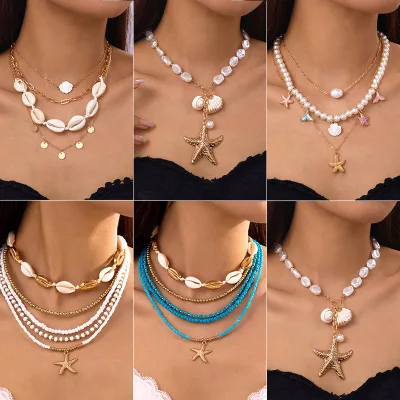
Ocean Element Metal Starfish Shell Pearl Necklace Set for Fashion Jewelry Accessory
$1.35 - $1.71
MOQ: 100 Pieces


- Verified by SGS
- Trading Company
- China Zhejiang
- Lead time15 days
- Avg. response≤ 13h
Main productsChristmas Decoration, Christmas Tree, Christmas Gift, Party Decoration, Promotional Product, Festival Items, Gift, Valentine, Party Items, Halloween Decorations
Main marketsEurope,Australia

Hot Selling Beach Gift Versatile Starfish Necklace Shell Women's Accessories Necklace
$0.44 - $0.48
MOQ: 2100 Pieces

$0.54 - $0.61
MOQ: 1700 Pieces

Cross-Border Jewelry Cartoon Shell Necklace Bracelet Starfish Adjustable Necklace
$0.54 - $0.62
MOQ: 1600 Pieces

2024 Cross-Border Hot-Selling Jewelry Father’ S Day Gift New Gold Necklace
$0.22 - $0.26
MOQ: 3900 Pieces
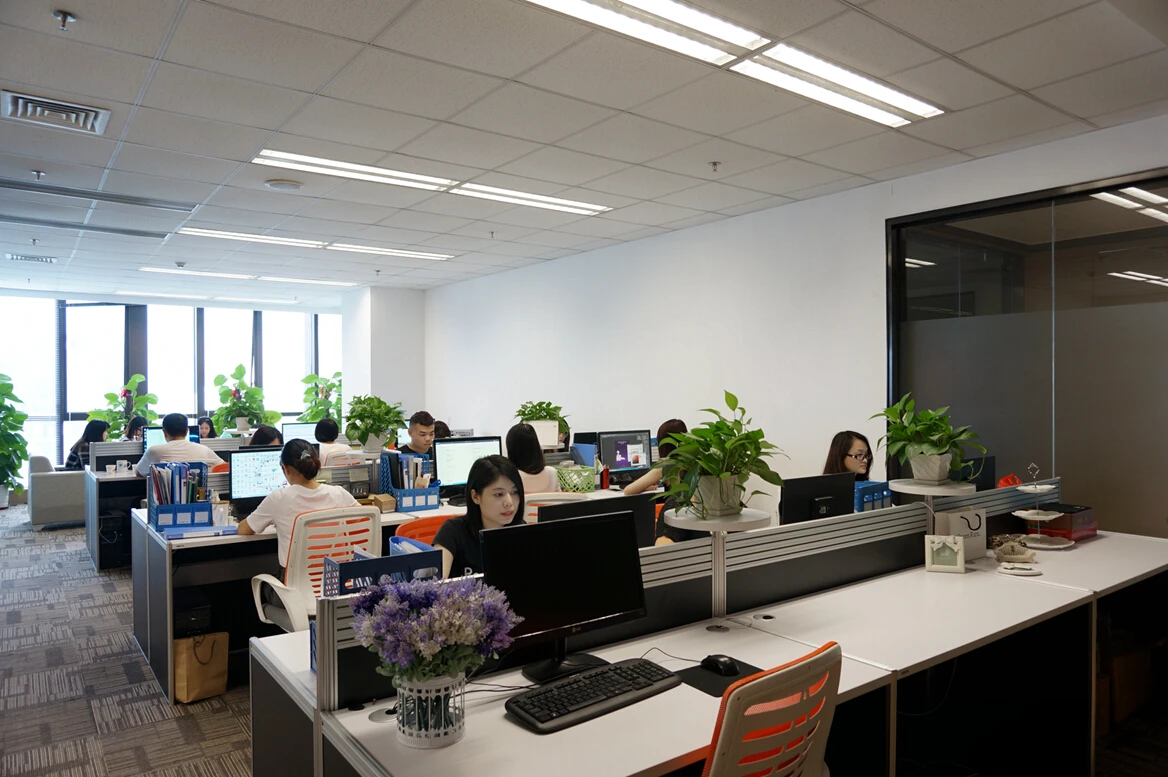
Yiwu Jieluan Trading Co., Ltd.
- Trading Company
- ZHEJIANG, China
- Lead time0 days
- Avg. response≤ 3h
Main productsFashion Accessories; Hair Clips; Jewelry; Hats; Home Decor
Main marketsNorth America(70.00%), South Asia(10.00%), Western Europe(10.00%), Eastern Asia(10.00%)
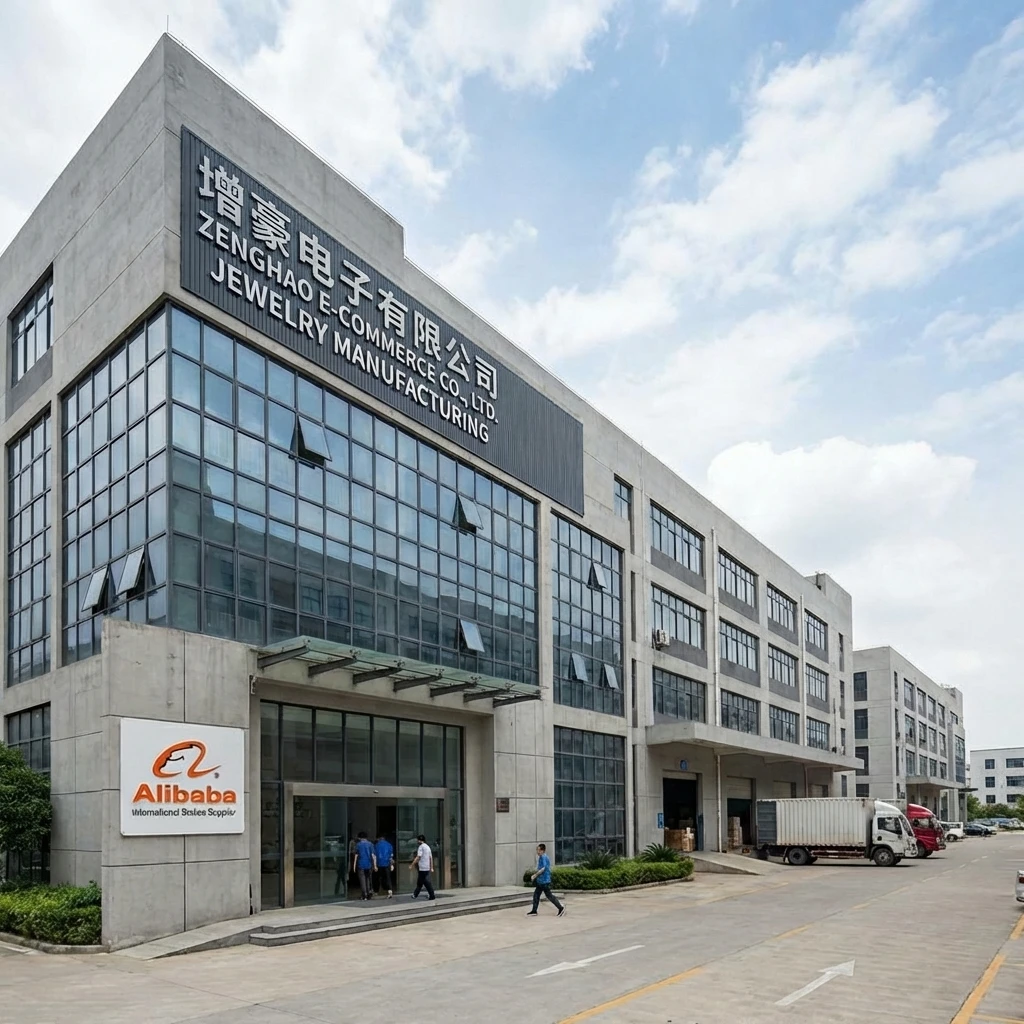
Yiwu Zenghao E Commerce Corporation
- Trading Company
- Zhejiang, China
- Lead time30 days
- Avg. response≤ 5h
Main productsnecklace,earring,bracelet,ring,keychain
Main marketsCentral America(40.00%), Eastern Europe(10.00%), Western Europe(10.00%), North America(5.00%), Domestic Market(5.00%), Mid East(5.00%), Oceania(5.00%), Southern Europe(5.00%), Northern Europe(5.00%), South Asia(3.00%), South America(2.00%), Africa(2.00%), Southeast Asia(2.00%), Eastern Asia(1.00%)

GUANGZHOU ARTS JEWELLERY CO., LTD.
- Verified by SGS
- Combined
- China Guangdong
- Lead time30 days
- Avg. response≤ 6h
Main productsSilver Jewelry, Gold Jewelry, Diamond Jewelry, Silver Ring, Silver Earring, Silver Pendant, Silver Bracelet, Silver Necklace
Main marketsSoutheast Asia/ Mideast
Shenzhen Jingzhanyi Jewelry Company Limited
- Manufacturer, Trading Company, Distributor/Wholesaler
- Guangdong, China
- Lead time15 days
- Avg. response≤ 1h
Main productsJewelry mold design and manufacture,24k/22k/18k/14k gold set diamond jewelry design and manufacture,925 sterling silver jewelry design and manufacture,Filling glue/enamel/baking paint/drop glue jewelry manufacturing,Precious metal and hardware material CNC products carving
Main marketsEastern Europe(12.00%), Eastern Asia(10.00%), Domestic Market(10.00%), Central America(10.00%), Southeast Asia(10.00%), North America(10.00%), South America(10.00%), Northern Europe(6.00%), Western Europe(6.00%), Mid East(5.00%), Oceania(5.00%), Southern Europe(4.00%), South Asia(2.00%)

Shenzhen Hengda Xin Jewelry Co., Ltd.
- Verified by BV
- Combined
- China Guangdong
- Lead time15 days
- Avg. response≤ 2h
Main productsJewelry, Stainless Steel Fittings, Stainless Steel Jewelry, Necklace, Bracelet, Stud Earrings, Ring, Pendant, Fashion Jewelry, Fashion Accessories
Main marketsSoutheast Asia/ Mideast,East Asia(Japan/ South Korea),Domestic,Europe,Australia,North America

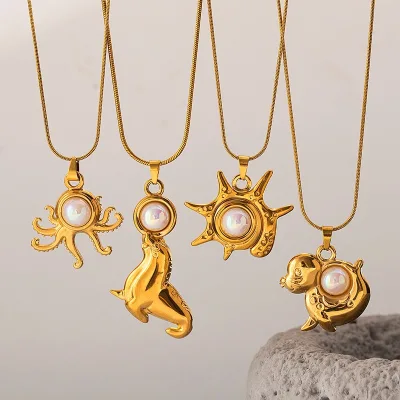
Exquisite Starfish Shell Pearl Necklace Stainless Steel Marine Life Necklace Jewelry
$2.30 - $3.92
MOQ: 100 Pieces

18K Gold-Plated Starfish Shell Pendant Adjustable Women's Beach Necklace
$2.30 - $3.92
MOQ: 100 Pieces

Fashion Turtle Starfish Pendant Women's Stainless Steel Necklace Square Heart Fashion Jewelry
$2.30 - $3.92
MOQ: 100 Pieces


Creative, Trendy, Simple, Large Starfish Necklace, Stainless Steel Jewelry, Jewelry Wholesale
$2.30 - $3.92
MOQ: 100 Pieces

- Verified by SGS
- Manufacturer/Factory
- China Zhejiang
- Lead time30 days
- Avg. response≤ 2h
Main productsNecklace, Bracelets, Earring, Ring, Brooch, Phone Lanyard, Key Chain, Body Jewelry, Hair Clip, Hair Band
Main marketsSouth America,Eastern Europe,Mid East,North America,Southeast Asia,Eastern Asia,Oceania,Western Europe,Africa
Dongguan Anqiya Stainless Steel Jewelry Co., Ltd.
- Verified by SGS Group
- Manufacturer, Trading Company
- Lead time0 days
- Avg. response≤ 3h
Main productsNecklaces, Pendants, Bracelets, Earrings, Rings
Main marketsNorth America(40%), Eastern Europe(15%), Western Europe(15%)
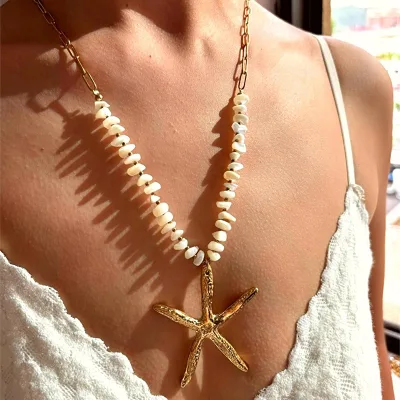
$5.7463 - $7.0706
MOQ: 10 pieces
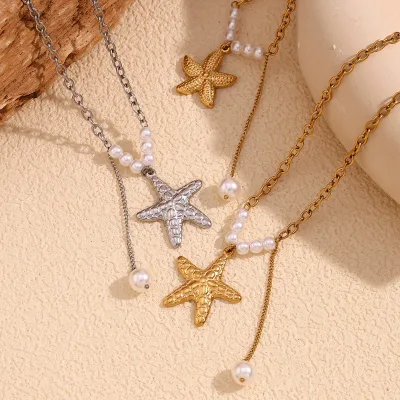
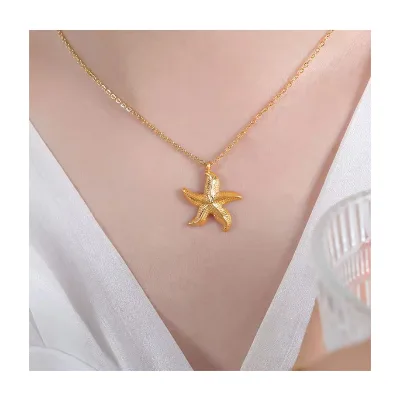
$4.5255 - $5.1307
MOQ: 10 pieces
- Verified by TüVRheinland
- Manufacturer, Trading Company
- Lead time7 days
- Avg. response≤ 2h
Main productsFashion Jewelry
Main marketsNorth America(75%), South America(8%), Southeast Asia(7%)
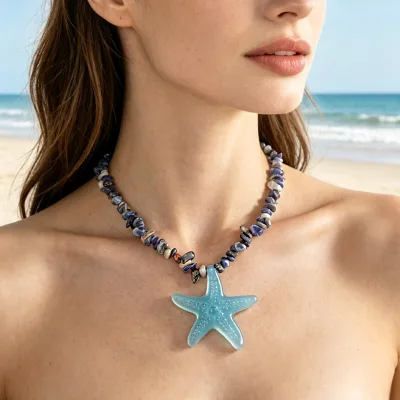
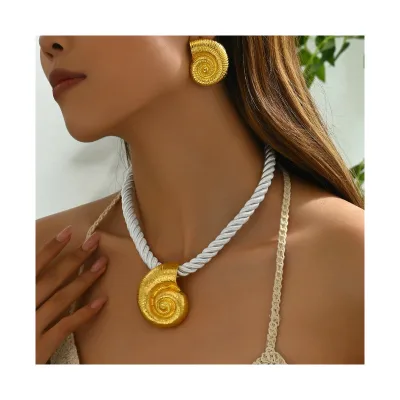
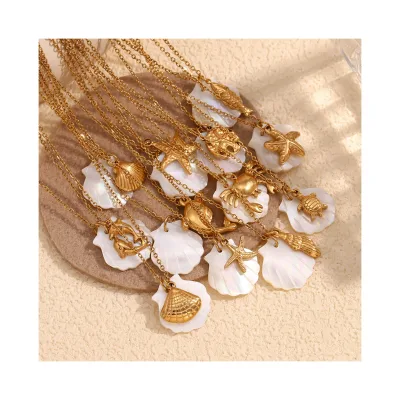
Spicy Girl Ocean Starfish Conch Pendant Necklace Conch Pendant Shell Code Necklace Earrings Set
$1.98 - $2.20
MOQ: 6 pieces

Huainan Lanjin Trading Co., Ltd.
- Trading Company
- Anhui, China
- Lead time15 days
- Avg. response≤ 3h
Main productsnecklace,earrings,rings,body jewelry,Hair accessories
Main marketsWestern Europe(30.00%), North America(30.00%), Eastern Asia(20.00%), South Asia(10.00%), Africa(5.00%), Oceania(5.00%)
- Manufacturer, Trading Company
- Lead time旺季: "1 - 30":20,"31 - 60":25,"61 - 120":30,"> 120":"To be negotiated", 淡季: "1 - 30":20,"31 - 60":25,"61 - 120":30,"> 120":"To be negotiated"
- Avg. response≤ 3h
Main productsFashion Jewelry
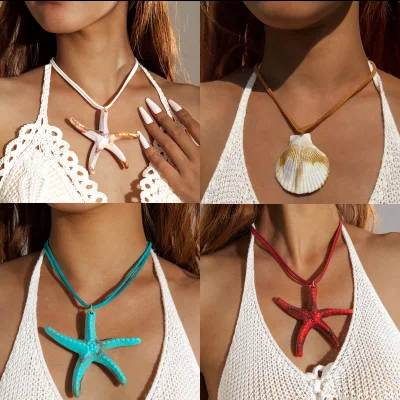
$1.0306 - $1.5444
MOQ: 30 units
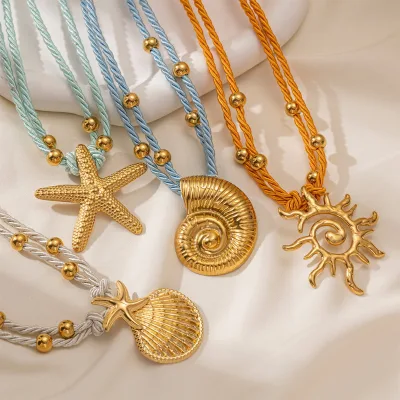
$4.867 - $5.0213
MOQ: 30 pieces
- Trading Company
- Zhejiang, China
- Lead time0 days
- Avg. response≤ 17h
Main productsNecklaces,Bracelets,Earrings,Rings,Accessories
Main marketsNorth America(26.00%), Africa(18.00%), South America(16.00%), Eastern Europe(9.00%), Northern Europe(8.00%), Western Europe(8.00%), South Asia(3.00%), Southern Europe(2.00%), Oceania(2.00%), Domestic Market(2.00%), Mid East(2.00%), Eastern Asia(2.00%), Central America(1.00%), Southeast Asia(1.00%)
- Verified by TüVRheinland
- Manufacturer, Trading Company
- Zhejiang, China
- Lead time5 days
- Avg. response≤ 2h
Main productsFashion Jewelry
Main marketsNorth America(50%), Domestic Market(30%), South America(10%)
Yichun Aimee Jewelry Co., Ltd.
- Verified by Intertek
- Trading Company
- Lead time15 days
- Avg. response≤ 1h
Main products925 Sterling Silver Jewelry, Copper, Stainless Steel Jewelry
Main marketsNorth America(40%), Eastern Europe(10%), Western Europe(10%)
Dongguan Daimi Jewelry Co., Ltd.
- Trading Company
- Guangdong, China
- Lead time15 days
- Avg. response≤ 5h
Main productsJewelry,Earrings,Necklace,Bracelet,Rings
Main marketsNorth America(90.00%), Eastern Europe(5.00%), South America(5.00%)
Yiwushi Yinfeng E-Commerce Firm
- Trading Company
- Zhejiang, China
- Lead time5 days
- Avg. response≤ 2h
Main productsJewelry,Fashion Accessories,Outdoor Products,Household products,Apparel
Main marketsNorth America(40.00%), Western Europe(10.00%), Africa(10.00%), Southeast Asia(10.00%), Northern Europe(10.00%), South America(10.00%), Southern Europe(5.00%), Eastern Europe(5.00%)

Jinjiang Jiayi Supply Chain Management Co., Ltd.
- Verified by BV
- Trading Company
- China Fujian
- Lead time30 days
- Avg. response≤ 2h
Main productsGift, Shoe, Garment, Machine
Main marketsDomestic

Guangzhou Panyu Longlong Jewelry Factory
- Verified by CTI
- Combined
- China Guangdong
- Lead time15 days
- Avg. response≤ 7h
Main productsPendants Necklaces Earrings Rings Bracelets
Main marketsAfrica,Southeast Asia/ Mideast,Domestic,Europe,North America


Sterling Silver Interlocking Double Circle Necklace British Silver Pendant Silver Circle Necklace
$5.50 - $6.00
MOQ: 3 piece
Dongguan Lele Jewelry Company Limited
- Verified by TüVRheinland
- Manufacturer, Trading Company
- Lead time15 days
- Avg. response≤ 5h
Main productsNecklace, Bracelet, Earrings, Ring, Brooches
Main marketsDomestic Market(27%), North America(20%), South America(20%)
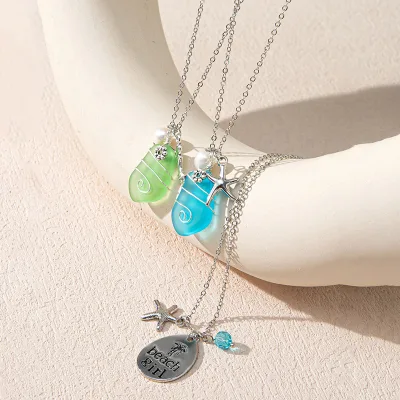
Women's Trendy Sea Glass Pendant Necklace Beautifully Colored in Ocean Style Geometric Design
$0.5393 - $1.874
MOQ: 1 Minimum
Yiwu Zhuofang Jewelry Co., Ltd.
- Manufacturer, Trading Company
- Lead time旺季: "1 - 120":10,"> 120":"To be negotiated", 淡季: "1 - 120":10,"> 120":"To be negotiated"
- Avg. response≤ 2h
Main productsNecklace , Earring, Rings, Bracelet , Brooch
Huizhou Yammy Jewelry Co., Ltd.
- Trading Company
- Guangdong, China
- Lead time3 days
- Avg. response≤ 5h
Main productsJewelry,Bracelets,Rings,Earring,Necklace
Main marketsCentral America(20.00%), South America(20.00%), North America(20.00%), Southern Europe(10.00%), Eastern Europe(10.00%), Northern Europe(10.00%), Western Europe(10.00%)
- Trading Company
- Zhejiang Province, China
- Lead time0 days
- Avg. response≤ 2h
Main productsStainless Steel Necklace, Stainless Steel Bracelet, Stainless Steel Earrings, Stainless Steel Ring
Main marketsNorth America(30.00%), Eastern Europe(20.00%), Mid East(10.00%), Oceania(10.00%), Africa(10.00%), Southeast Asia(10.00%), South America(10.00%)

Qingdao Gemopia Jewelry Co., Ltd.
- Combined
- China Shandong
- Lead time30 days
- Avg. response≤ 5h
Main productsGold Jewelry, Silver Ring
Main marketsSouth America,Africa,Southeast Asia/ Mideast,East Asia(Japan/ South Korea),Domestic,Europe,Australia,North America
Foshan Shorea Jewelry Co., Ltd.
- Verified by SGS Group
- Trading Company
- Lead time14 days
- Avg. response≤ 2h
Main productsNecklace, Bracelet, Earring, Ring, Jewelry Set
Main marketsNorth America(50%), Western Europe(20%), South America(10%)

YIWU JINYE IMPORT AND EXPORT CO., LTD
- Verified by SGS
- Trading Company
- China Zhejiang
- Lead time15 days
- Avg. response≤ 25h
Main productsBangle, Wrist Band, Bracelet, Fashion Jewelry
Main marketsNorth America
- Verified by TüVRheinland
- Manufacturer, Trading Company
- Lead time30 days
- Avg. response≤ 2h
Main productsEarrings, Necklaces, Bracelets, Fashion Jewelry Sets, Jewelry Accessories
Main marketsNorth America(40%), South America(25%), Eastern Europe(10%)

Shenzhen Hanwei Gangtai Jewelry Machine Co., Ltd.
- Combined
- China Guangdong
- Lead time30 days
- Avg. response≤ 21h
Main products925 Silver Necklace, Jewelry Machine, Chain Making Machine, Stainless Steel Necklace, Jewelry Equipment, Silver Chain, Steel Chain, Silver Jewelry, Stainless Steel Jewelry, Chain Machine
Main marketsSoutheast Asia/ Mideast,Europe


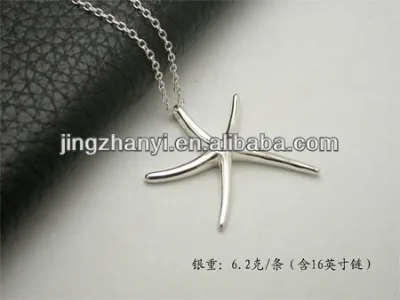


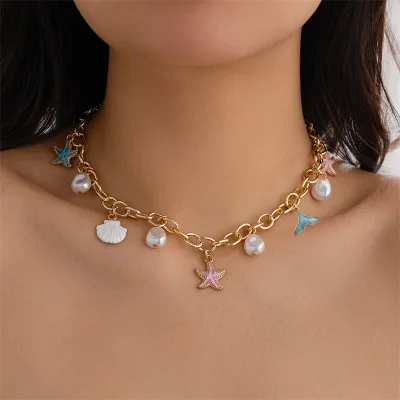
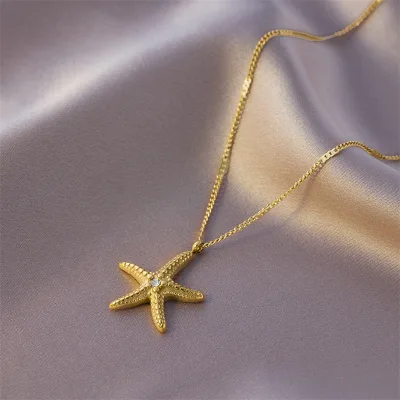
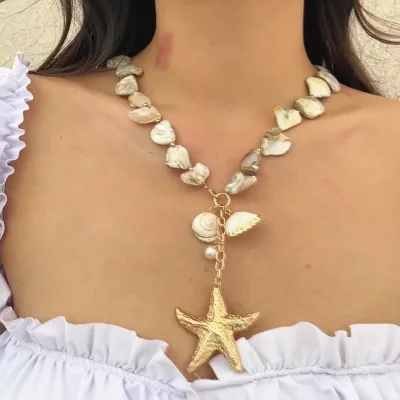
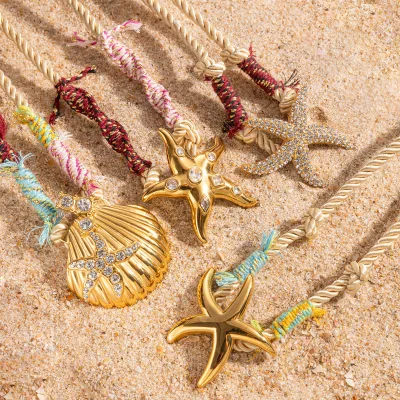
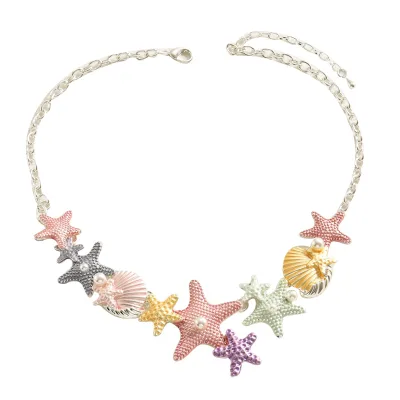
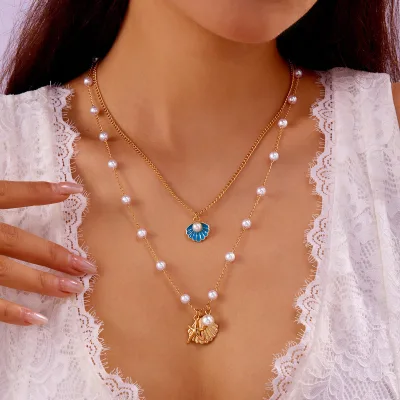
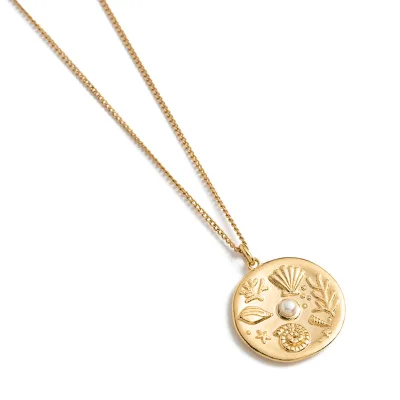
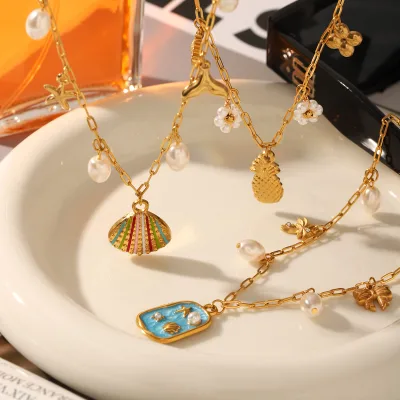
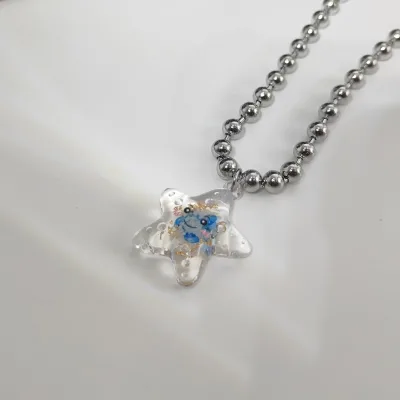
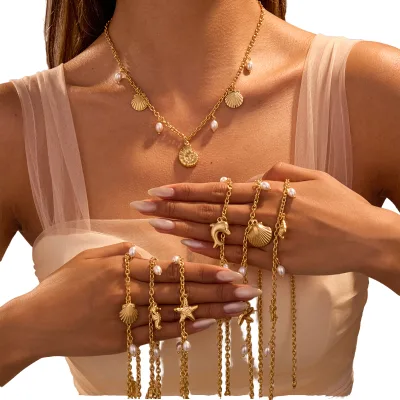
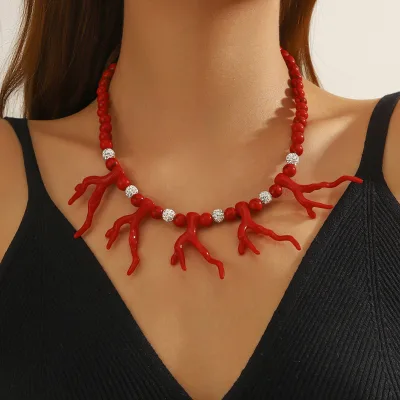
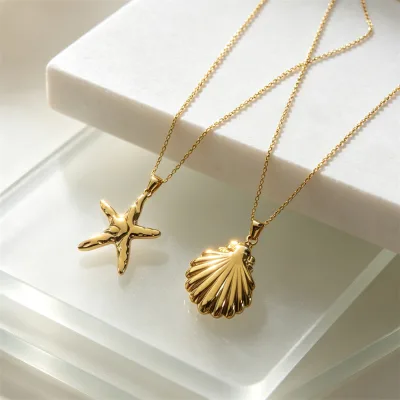


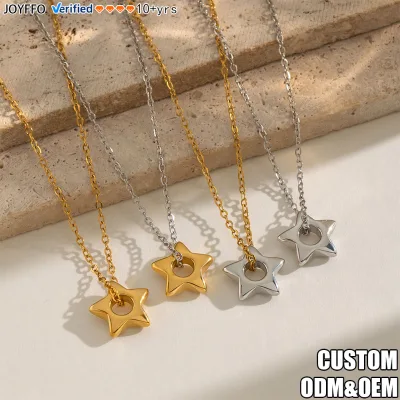
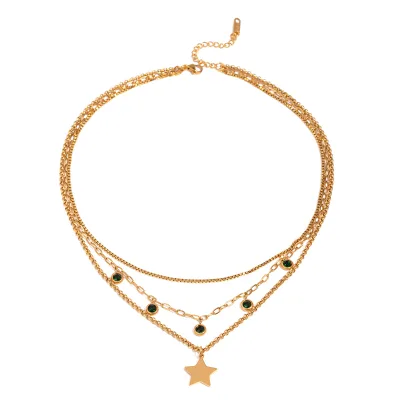






Comprehensive Sourcing Guide
Bezel Setting Starfish Necklace Supplier Concentration and Factory Types
When searching for Bezel Setting Starfish Necklace suppliers, buyers will find that location data in supplier results matters more than generic platform claims. Results for this category show suppliers based in China Zhejiang, with several products listing origins in Yiwu, Zhejiang or Yiwu China. This is a meaningful signal: Zhejiang, and Yiwu in particular, is repeatedly cited in product origin fields, so buyers can treat it as an evidenced cluster for fashion necklaces rather than guessing where production happens. When a results page does not display a location or origin field, buyers should not assume a cluster; instead, they should filter or sort by location, read each listing's prod_origin attribute, and confirm the shipping address during inquiry before drawing any conclusion about where goods will actually ship from.
Supplier types in this category are not uniform. Results show at least one company identified as a Trading Company, while other product attributes include a "Factory: Yes" flag, which suggests a mix of intermediaries and direct manufacturers. Trading companies can consolidate SKUs, handle communication, and offer broader catalogs—their main product lists in these results span jewelry, brooches, belts, necklaces, bracelets, rings, hair accessories, earrings, and agent services—whereas factory-flagged listings may offer better control over plating and bezel-setting workmanship. Buyers should verify which structure applies to each candidate, because warranty responsibility, customization depth, and pricing transparency differ between the two models. Confirm the entity's actual role in writing before sampling.
How to Verify Bezel Setting Starfish Necklace Suppliers
Verification should start with the credentials actually displayed in supplier results, then extend to what those credentials do not cover. In current results, verification badges appear as CTI on one supplier and SGS on another. These are third-party verification labels, not blanket guarantees of product quality, so buyers should read them as a starting point: confirm what each verification covered, when it was issued, and whether it applies to the specific bezel-setting necklace work rather than the company generally. If a candidate shows no verification label at all, that is not automatically disqualifying, but it shifts more of the burden onto the buyer's own checks—business license review, video factory walkthroughs, and reference requests become essential before any deposit changes hands.
Beyond badges, use behavioral evidence in the listings themselves. One supplier in the results displays a response time of 5.32 hours, while another shows 12.72 hours; both figures are worth recording because responsiveness during sourcing usually predicts responsiveness after an order is placed. Capacity labels also help: one result lists ODM and OEM capability, which matters if you want custom bezel dimensions or branded packaging. Cross-check the product attributes against your specification—plating type, alloy material, pendant material, and length are all fields suppliers in this category fill in—and ask each candidate to confirm every attribute in writing. A supplier who cannot restate their own listing accurately is a risk regardless of any badge shown.
What to Compare Across Bezel Setting Starfish Necklace Suppliers
Build a comparison table from the dimensions that results actually expose, rather than assuming every supplier displays every attribute. Useful columns include location, lead time, MOQ, response time, verification status, company type, and main product lines. In the current results, one supplier shows a 15-day lead time, MOQs of 100 pieces on listed products, and response times noted above; another supplier's main products center on Christmas decorations, gifts, and party items, which suggests fashion necklaces may be a secondary line for them. That breadth matters: a supplier whose catalog is dominated by seasonal decorations may treat a small jewelry order differently than a jewelry-focused trading company whose main products include necklaces, earrings, and bracelets.
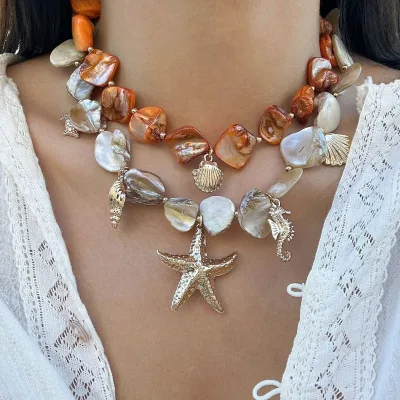
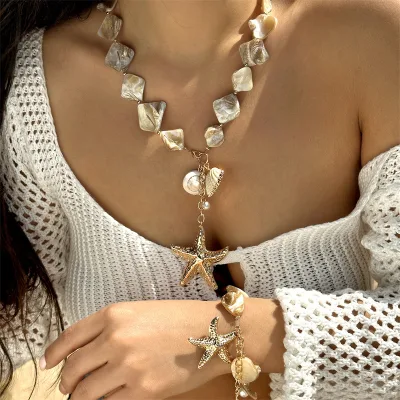
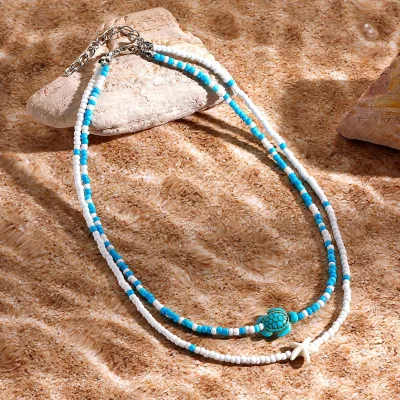
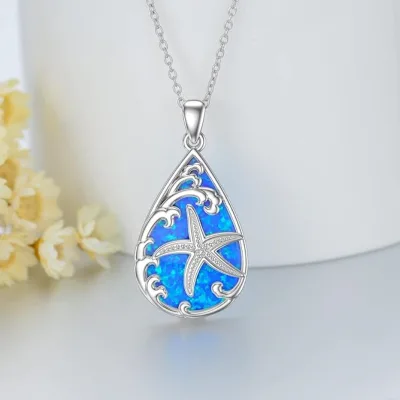
Compare the product-level attributes too, since these vary widely within the same category. Results show necklaces with gold plating, platinum plating, or both gold and silver options; materials listed as alloy; pendant materials of shell conch or shell; lengths of 45cm or 60cm; and packing ranging from OPP bags to cartons. One listing flags customization as available, and ODM/OEM capacity appears at the supplier level for at least one candidate. Record which suppliers state customization explicitly and which do not. Do not treat a missing attribute as a negative answer—treat it as a question to ask. The comparison should end with a shortlist of two or three candidates whose displayed attributes align with your spec, each with open items documented for the inquiry stage.
Common Bezel Setting Starfish Necklace Sourcing Risks
The most common risk in this category is plating and finish inconsistency. Listings here describe electroplate treatment, gold plating, and platinum plating on alloy bases, and bezel-set starfish pendants show plating wear quickly if the coating thickness is thin or uneven. Because several listings use the word "imitation" in product names—such as imitation pearl collar necklaces—buyers must confirm exactly what materials are being quoted: whether the pearl is imitation, whether the shell pendant is natural or resin, and what alloy composition sits under the plating. Relying on listing keywords alone invites disputes; require material declarations and photo samples of actual production runs, not just catalog images.
A second cluster of risks involves misread listing attributes and mismatched expectations. Packing varies across these results—OPP packing, OPP box, OPP bag, and carton—so retail-ready packaging is not a default assumption. Weights listed range from 7g to 30g per piece, which affects both perceived quality and shipping cost. One product lists a 100-piece MOQ, but other candidates may quote different minimums, and a supplier whose main products are party decorations may have different stock depth for jewelry components. Finally, verify the legal entity behind the listing: a trading company flagged in results may be reselling from a factory you never see. Confirm who holds responsibility for defects, who ships, and who answers claims. Document all of this in the proforma invoice before payment.
Bezel Setting Starfish Necklace Regional Sourcing and Logistics
For this category, the evidenced geography is straightforward: supplier results place companies in China Zhejiang, and multiple product origin fields read Yiwu Zhejiang or Yiwu China. That concentration has practical logistics implications. Sourcing from a single province simplifies consolidation—if you order necklaces, earrings, and hair accessories from suppliers in the same region, combined shipments become easier to arrange. It also makes factory visits feasible for buyers attending trade events in the region, since multiple candidates can be audited in one trip. When a results page shows a supplier without a location field, do not assume they are in the same cluster; ask directly and confirm the dispatch address before quoting freight.
Lead-time planning should use displayed data where available and inquiry where not. One supplier in the results shows a 15-day lead time, which is a reasonable planning anchor for production after sample approval, but other candidates may differ and some may not display lead time at all—ask each one for production time separate from transit time. Packing formats in these listings, from OPP bags to cartons, influence dimensional weight and should be confirmed for freight quotes. For ocean shipments, carton packing noted on some listings is the relevant unit; for air or express samples, piece-level OPP packing matters. Always confirm Incoterms, export documentation responsibility, and whether the supplier ships directly or through an agent before booking.
Bezel Setting Starfish Necklace Commercial Terms and Order Planning
Order planning for this category should begin with the MOQ and pricing structures visible in the results, then test them in negotiation. Listed products in this category show MOQs of 100 pieces, and price ranges on comparable starfish and shell necklaces span roughly from under one dollar to under two dollars per piece—figures that are listing-level evidence, not quotes for your specification. Use them only to calibrate expectations, then request formal quotations based on your exact bezel-setting design, plating choice, and packing requirement. Confirm whether quoted prices include customization, since several listings state customization is available without stating its cost impact, and whether tooling or mold fees apply to modified pendant designs.
Payment and milestone planning come next. Structure orders in stages: sample confirmation, deposit, mass production against the approved golden sample, inspection, balance payment, and shipment. The 15-day lead time shown by one supplier provides a scheduling reference, but build buffer time for plating batches, which are often the bottleneck for electroplated alloy jewelry. Record response times from the results—5.32 hours versus 12.72 hours in current data—and weigh them when deciding who gets the first order. Verification labels such as CTI and SGS, where displayed, can justify slightly larger initial volumes; unverified candidates should start with smaller trial orders. Keep every commercial term—price validity, MOQ, packing, lead time, and defect liability—in one written agreement covering the full order cycle.
FAQs
What is the typical lead time for starfish necklaces?
The typical lead time for these items is 15 days. This duration allows suppliers to process orders and prepare shipments efficiently. Buyers should confirm specific timelines with their chosen vendor to ensure alignment with their project schedule and delivery expectations.
What is the minimum order quantity for these necklaces?
The minimum order quantity is generally 100 pieces. This standard MOQ applies to most fashion jewelry listings. Buyers seeking smaller quantities may need to negotiate directly with suppliers or look for specific low-MOQ options available in the marketplace.
Are customization options available for starfish necklaces?
Yes, customization is available for many listings. Suppliers offer options for plating, materials, and packaging. Buyers can request specific designs or branding to match their needs. It is advisable to discuss customization details and potential additional costs with the supplier.
What materials are commonly used in these necklaces?
Common materials include alloy, shell, and pearl. Plating options often feature gold or silver finishes. Some designs incorporate rhinestones or conch elements. Buyers should review product specifications to select the material that best suits their quality and aesthetic requirements.
What is the price range for these necklaces?
Prices typically range from $0.50 to $1.86 per piece. The cost varies based on materials, plating, and design complexity. Buyers can find budget-friendly options as well as higher-end pieces. Checking specific product listings will provide accurate pricing for individual orders.
Where are these suppliers located?
Suppliers are primarily located in China, specifically in Zhejiang and Yiwu. These regions are known for jewelry manufacturing and export. Buyers can expect efficient logistics and a wide variety of styles from these established sourcing hubs in the fashion accessories sector.