Double Layer Malachite Beads Bracelet Suppliers and Manufacturers
Source Double Layer Malachite Beads Bracelet options from 20 verified suppliers. Compare response times, lead times, and certifications like CE. Contact suppliers directly to request samples and confirm MOQs for your specific jewelry needs; review the available evidence before requesting comparable quotations from suitable candidates.
Updated
Suppliers List
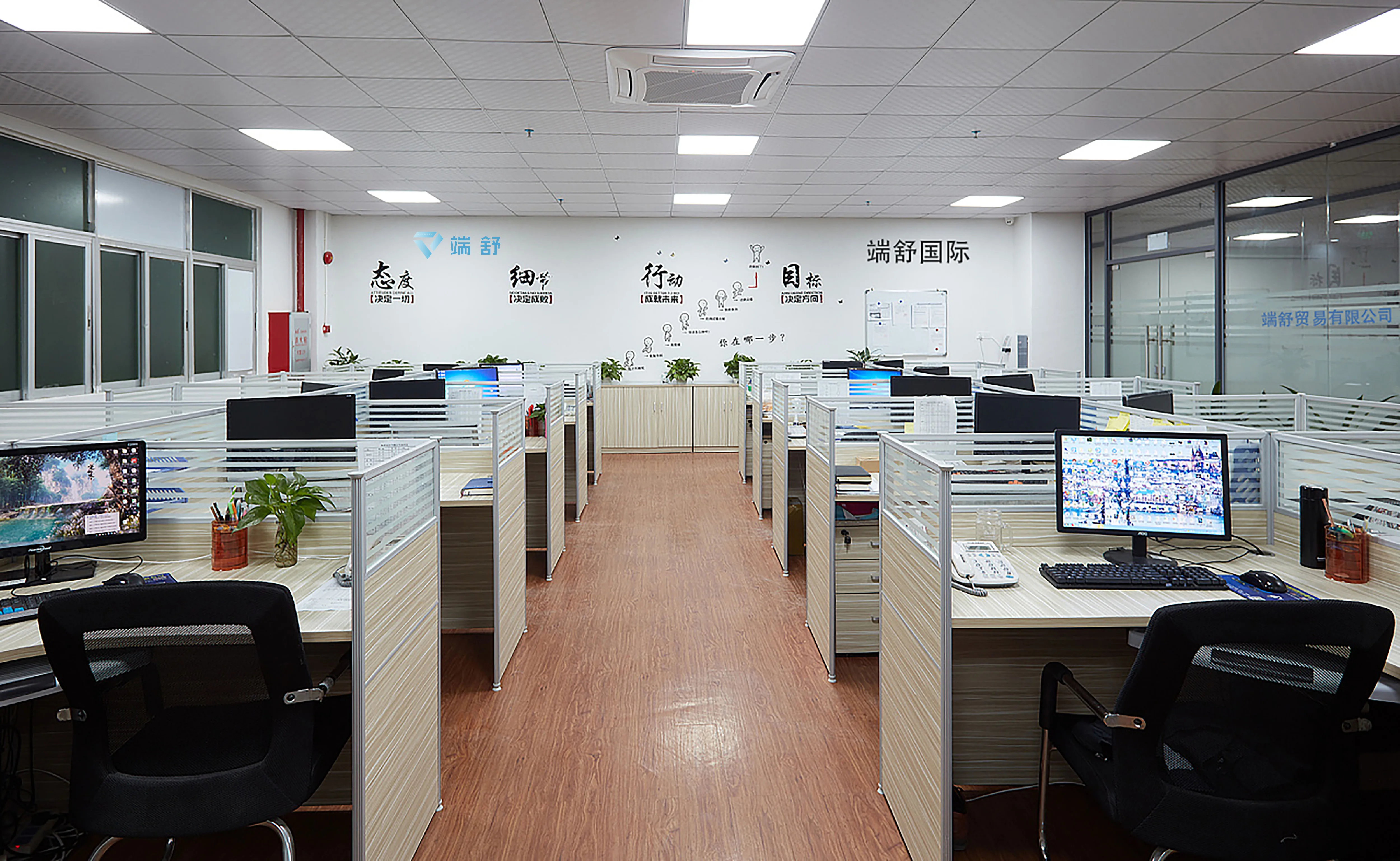
Lianyungang Duanshu Trading Co., Ltd.
- Trading Company
- Jiangsu, China
- Lead time3 days
- Avg. response≤ 2h
Main productsCrystal Bracelets,Crystal Raw Stone,Crystal Bangles,Crystal Healing Stone,Gravels/Chips
Main marketsNorth America(40.00%), Southeast Asia(20.00%), South America(10.00%), Oceania(10.00%), Western Europe(5.00%), Eastern Europe(5.00%), South Asia(5.00%), Northern Europe(3.00%), Africa(2.00%)
- Verified by Intertek
- Manufacturer, Trading Company
- Lead time7 days
- Avg. response≤ 2h
Main productsBeaded Jewelry, Natural Stone Bracelet, Fashion Necklace, Crystal Bracelets, Pearl Necklace
Main marketsNorth America(40%), Western Europe(35%), Oceania(10%)
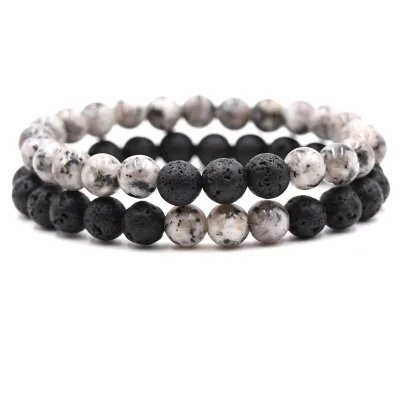
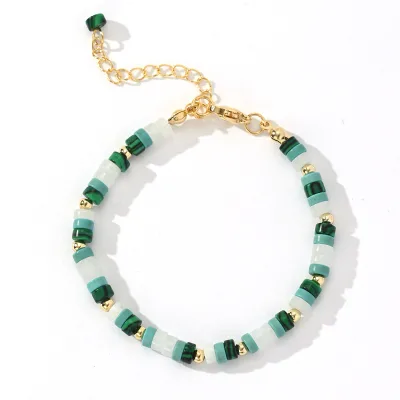
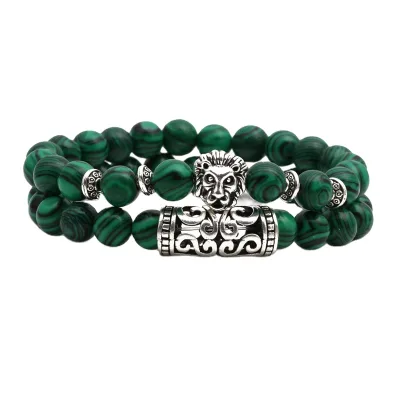
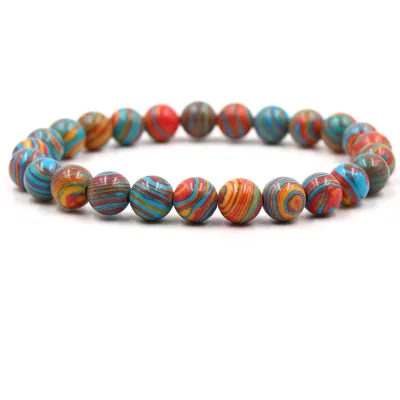
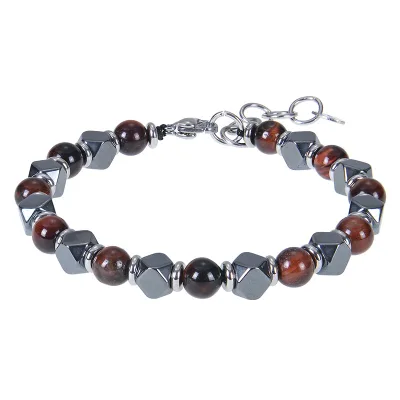
$0.7086 - $1.3542
MOQ: 2 Minimum
Hubei Jingcan Glass Products Co., Ltd.
- Verified by TüVRheinland
- Manufacturer, Trading Company
- Lead time0 days
- Avg. response≤ 4h
Main productsGlass Product, Garment Accessories, Jewelry, Jewelry Accessories
Main marketsCentral America(25%), North America(20%), South America(15%)
- Trading Company
- Zhejiang, China
- Lead time14 days
- Avg. response≤ 8h
Main productsBracelet,Necklace,Keychain,Lanyard,Earrings
Main marketsNorth America(30.00%), Southeast Asia(20.00%), Eastern Europe(20.00%), South America(20.00%), Africa(5.00%), Mid East(2.00%), Western Europe(1.00%), Eastern Asia(1.00%), Oceania(1.00%)

YIWU JINYE IMPORT AND EXPORT CO., LTD
- Verified by SGS
- Trading Company
- China Zhejiang
- Lead time15 days
- Avg. response≤ 25h
Main productsBangle, Wrist Band, Bracelet, Fashion Jewelry
Main marketsNorth America

East Sunrise Jewelry Co., Limited
- Verified by SGS
- Manufacturer/Factory
- China Guangdong
- Lead time23 days
- Avg. response≤ 8h
Main productsPendant, Necklace, Bracelet, Ring, Earring, Carving, Ornament, Loose Bead, Jewelry, Semi-Precious Stones
Main marketsSouth America,Eastern Europe,Mid East,North America,Southeast Asia,Eastern Asia,Oceania,Western Europe,Africa

Fashion Natural Gemstone Men Women Crystal Beaded Chakra Mookite Carming Bracelet
$0.30 - $0.40
MOQ: 100 Pieces


Natural Fashion Crystal Tiger Eye Sodalite Amethyst Beaded Jewelry Chakra Bracelet Bangle
$0.85 - $0.90
MOQ: 100 Pieces

Natural Crystal Beaded Agate Tiger Eye Bracelet Jewelry Sets 6mm Beads Smiling Face Bracelet
$1.30 - $2.10
MOQ: 10 Pieces

Yiwu Less Is More Import & Export Co., Ltd.
- Trading Company
- Zhejiang, China
- Lead time5 days
- Avg. response≤ 3h
Main productsNatural Stone Chakra Home Decoration, Natural Stone Chakra Mala Meditation Jewelry, Natural Stone Beaded Jewelry, Fashion Jewelry Accessory, Personal Custom-Made & Drop Shipping
Main marketsNorth America(40.00%), Western Europe(20.00%), Eastern Europe(20.00%), Oceania(10.00%), Eastern Asia(10.00%)
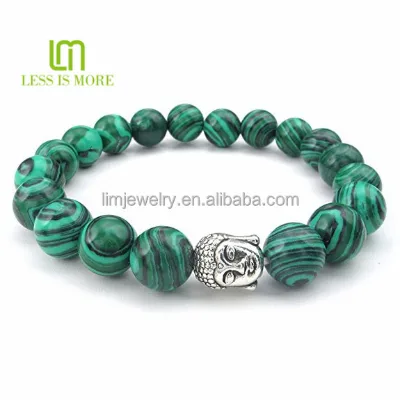
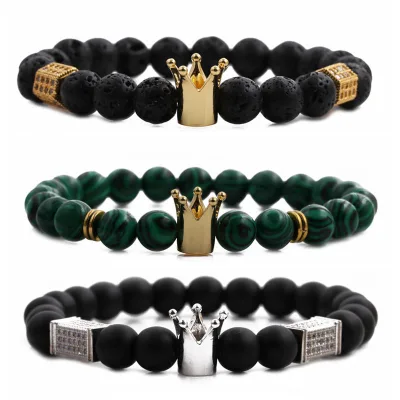
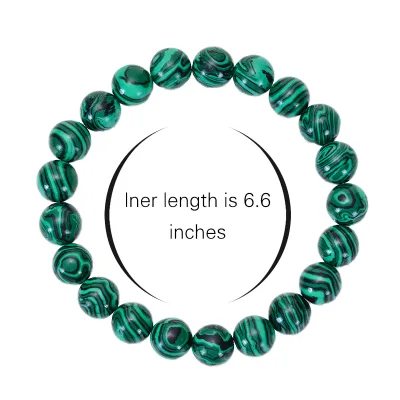
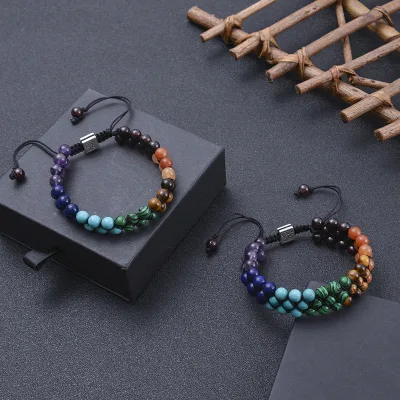
$0.9527 - $4.1345
MOQ: 20 Minimum
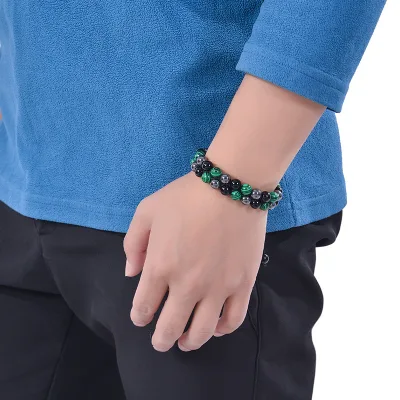
Yiwu City Youtu Jewelry Co., Ltd.
- Trading Company
- Zhejiang Province, China
- Lead time15 days
- Avg. response≤ 5h
Main productscrystal keychain,leather keychain,genuine leather bracelet,metal pendants necklace,stainless steel necklace
Main marketsSouthern Europe(10.00%), Northern Europe(10.00%), Central America(10.00%), Western Europe(10.00%), Mid East(10.00%), Africa(10.00%), Southeast Asia(10.00%), Eastern Europe(10.00%), South America(10.00%), North America(10.00%)
- Verified by TüVRheinland
- Manufacturer, Trading Company
- Zhejiang, China
- Lead time5 days
- Avg. response≤ 2h
Main productsFashion Jewelry
Main marketsNorth America(50%), Domestic Market(30%), South America(10%)

Guangzhou Anfook & Dakerden Jewelry Co., Ltd
- Trading Company
- China Guangdong
- Lead time0 days
- Avg. response≤ 14h

- Trading Company,Manufacturer/Factory
- China Zhejiang
- Lead time23 days
- Avg. response≤ 6h
Main productsKeychain, Patch, Paper Air Freshener, Car Perfume Bottle, Stickers, Badge, Packaging Box, Air Freshener Bottle
Main marketsSouth America,Eastern Europe,Mid East,North America,Southeast Asia,Eastern Asia,Western Europe

Yiwu Phonbon Import & Export Co., Ltd.
- Trading Company
- Zhejiang, China
- Lead time15 days
- Avg. response≤ 7h
Main productsmedal,lapel pin,metal coins,cross,rosary
Main marketsWestern Europe(16.67%), Southeast Asia(16.67%), Southern Europe(15.00%), Eastern Europe(15.00%), South America(10.00%), Africa(5.00%), Northern Europe(5.00%), Central America(5.00%), North America(5.00%), Mid East(3.00%), Eastern Asia(2.00%), South Asia(1.00%), Oceania(0.66%)

Jingzhou Luhang Electronic Commerce Co., Ltd.
- Trading Company
- Hubei, China
- Lead time7 days
- Avg. response≤ 10h
Main productsSemi-precious stone crafts,Semi-precious stone jewelry,Healing stone,Jade carving,Crystal point
Main marketsNorth America(25.00%), South America(15.00%), Western Europe(10.00%), Eastern Europe(10.00%), Southeast Asia(8.00%), Northern Europe(5.00%), Africa(5.00%), Eastern Asia(5.00%), Southern Europe(5.00%), Oceania(5.00%), South Asia(3.00%), Central America(2.00%), Mid East(2.00%)

Donghai Vardy Crystal Company Limited
- Trading Company
- Jiangsu, China
- Lead time10 days
- Avg. response≤ 2h
Main productscrystal points and wands,crystal spheres,crystal clusters,gemstone carving,mineral specimens
Main marketsWestern Europe(30.00%), North America(25.00%), South America(12.00%), Eastern Europe(12.00%), Northern Europe(11.00%), Oceania(6.00%), Mid East(4.00%)
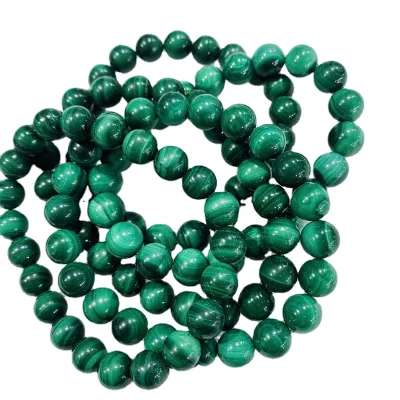
$9.2666 - $12.8708
MOQ: 1 pieces
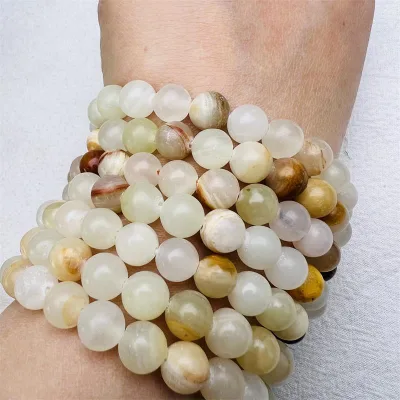
$0.9752 - $1.3347
MOQ: 10 pieces
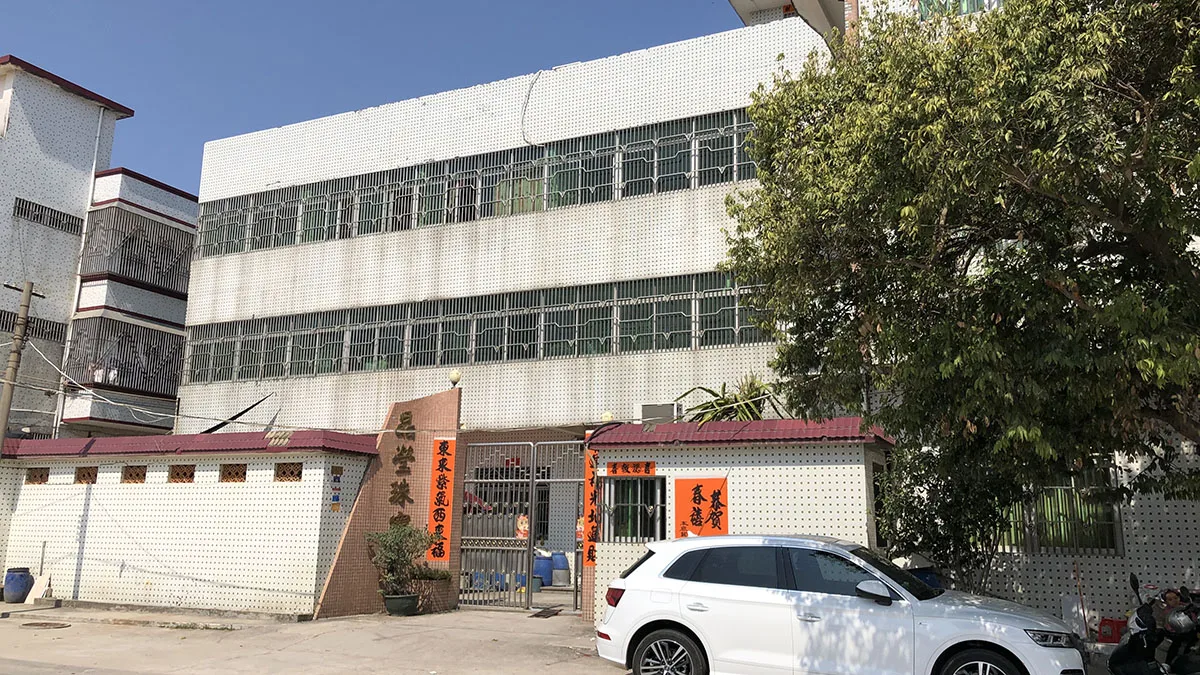
Guangzhou Liwan Jingcai Jewelry Firm
- Distributor/Wholesaler
- Guangdong, China
- Lead time7 days
- Avg. response≤ 5h
Main productsJewelry,Body Jewelry,Bracelets & Bangles,Loose Gemstone,Necklaces
Main marketsNorth America(40.00%), Western Europe(20.00%), Eastern Asia(20.00%), Eastern Europe(10.00%), Northern Europe(5.00%), Oceania(5.00%)
Shenzhen Daoyun Trade Co., Ltd.
- Verified by TüVRheinland
- Trading Company
- Lead time7 days
- Avg. response≤ 5h
Main productsJewelry Box, Necklace, Bracelet, Rings, Earring
Main marketsNorth America(50%), Western Europe(20%), Southeast Asia(10%)
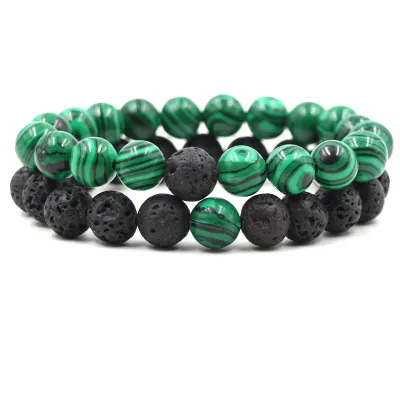
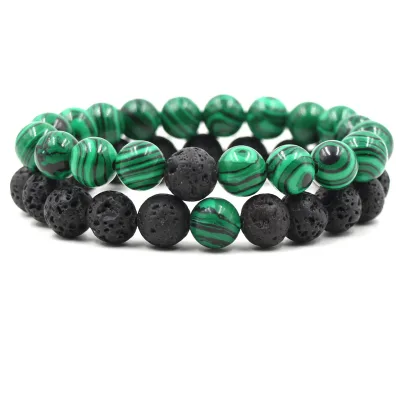
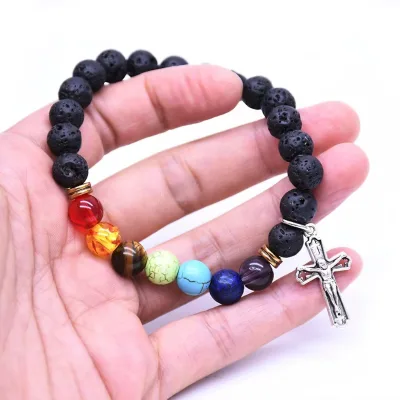
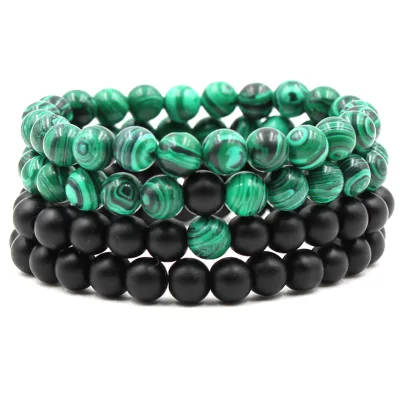
Hot Selling 10mm Black Lava Lava Stone Malachite Men and Women Set Couple Bead Bracelet
$0.77 - $1.76
MOQ: 2 Minimum
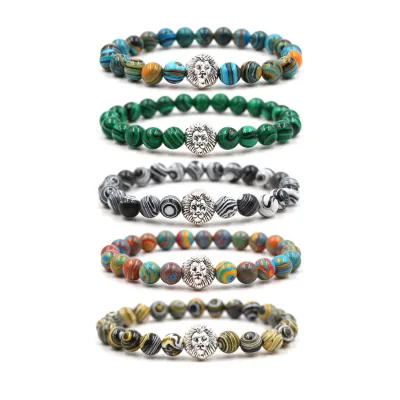

- Verified by CTI
- Trading Company
- China Zhejiang
- Lead time15 days
- Avg. response≤ 6h
Main productsJewelry, Brooch, Belt, Necklace, Agent, Bracelet, China Trim, China Ring, China Hair Accessory, China Earring
Main marketsSouth America

- Verified by SGS
- Manufacturer/Factory
- China Zhejiang
- Lead time30 days
- Avg. response≤ 2h
Main productsNecklace, Bracelets, Earring, Ring, Brooch, Phone Lanyard, Key Chain, Body Jewelry, Hair Clip, Hair Band
Main marketsSouth America,Eastern Europe,Mid East,North America,Southeast Asia,Eastern Asia,Oceania,Western Europe,Africa

Jiuya Huitong (Qingdao) International Trade Co., Ltd.
- Verified by SGS
- Trading Company,Manufacturer/Factory
- China Shandong
- Lead time90 days
- Avg. response≤ 5h
Main productsClothes, Abaya, Camping Tent, Camping Furniture, Solar Light
Main marketsSouth America,Eastern Europe,Mid East,North America,Southeast Asia,Eastern Asia,Oceania,Western Europe,Africa

Big Circle Malachite Bangles for Women 18K Gold Plated Ins Vintage Jewelry
$5.00 - $10.00
MOQ: 500 Pieces


Chinapack Ningbo Import & Export Co., Ltd.
- Verified by SGS
- Trading Company,Manufacturer/Factory
- China Zhejiang
- Lead time23 days
- Avg. response≤ 17h
Main productsSnowboard, Water Bottle, Promotional Hats, Glass Bottle, Ski Set, Snowboot, Snowboard Binding, Home Sock, Hood, Scarf
Main marketsSouth America,Eastern Europe,North America,Southeast Asia,Eastern Asia,Oceania,Western Europe
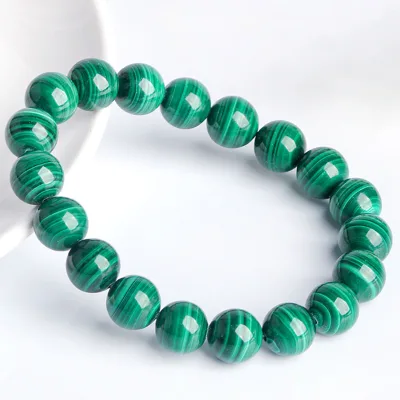
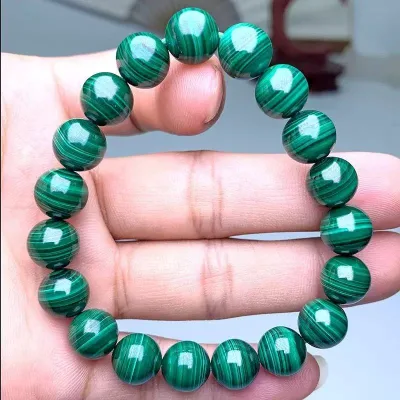




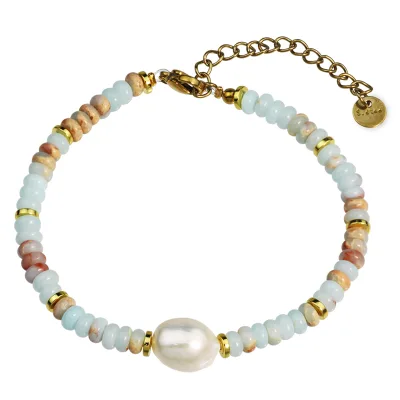
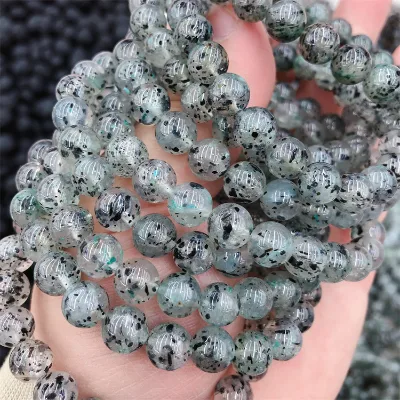

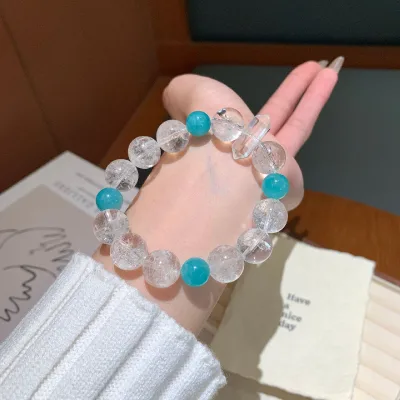
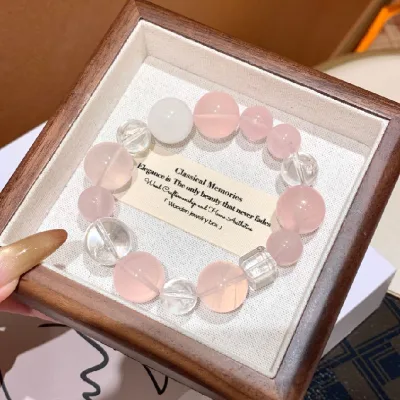
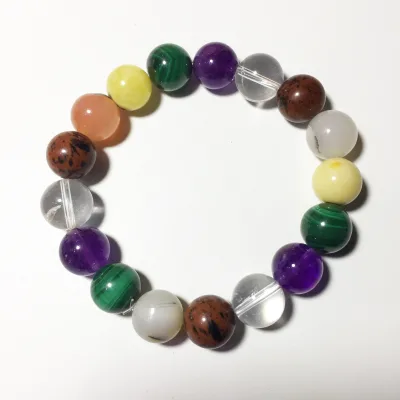


Comprehensive Sourcing Guide
Double Layer Malachite Beads Bracelet Supplier Concentration and Factory Types
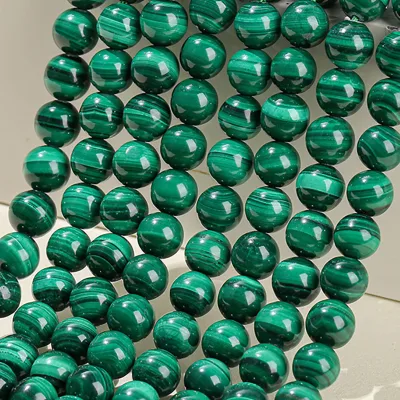
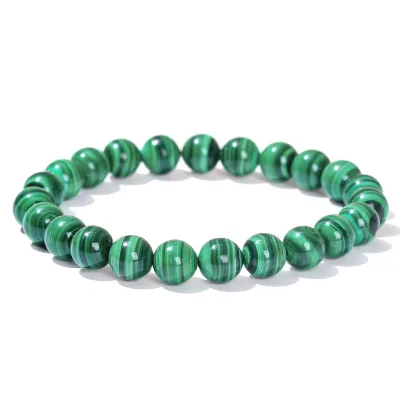
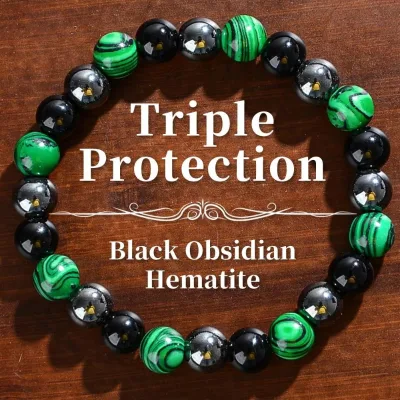
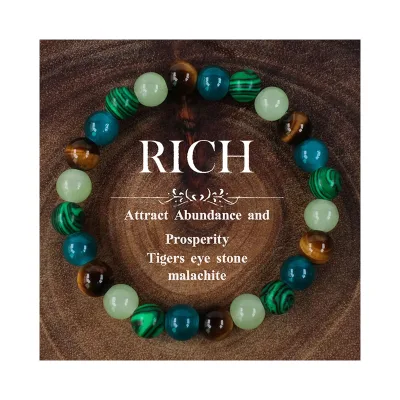
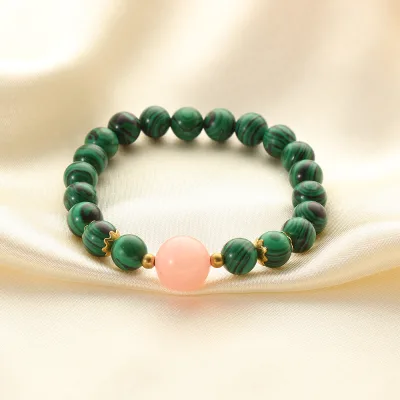
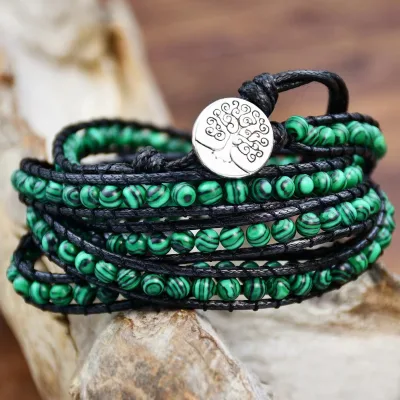
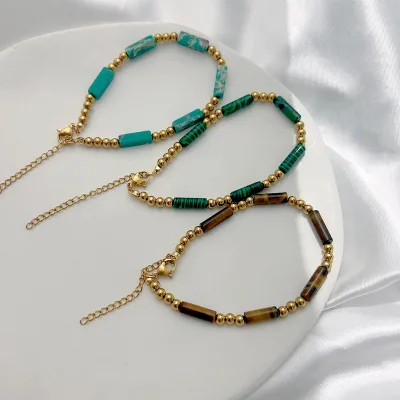
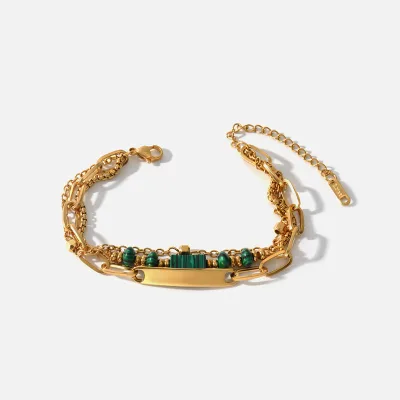
Suppliers offering double layer malachite beads bracelets fall into two broad groups that matter for your sourcing decision. The first group is crystal and stone specialists whose main product lines include crystal bracelets, raw stone, bangles, healing stones, and gravels or chips. Some of these operate as trading companies, with locations listed in Jiangsu, China, and they typically sell both loose malachite strands and finished beaded bracelets. Their listings often show low minimums, such as a two-piece MOQ on a natural malachite bracelet, a five-piece MOQ on processed stone bead bracelets, and a ten-piece MOQ on malachite bead strands intended for DIY jewelry. The second group is jewelry manufacturers, some based in Guangdong, China, whose main products are beaded jewelry, natural stone bracelets, fashion necklaces, and pearl necklaces. These suppliers list finished designs such as an ethnic style double layer malachite energy bracelet with frosted beads and natural turquoise stones, aimed at gift and wedding occasions.
When no location is displayed for a supplier, do not assume one. Instead, infer cluster relevance from evidence you can verify: whether product descriptions state a place of origin, whether the main product list matches bead and bracelet manufacturing, and whether the supplier type is manufacturer, trading company, or both. A manufacturer-trading hybrid can be useful when you need both standard designs and custom samples, while a pure trader in a stone-specialist region often suits small mixed-SKU trial orders.
How to Verify Double Layer Malachite Beads Bracelet Suppliers
Verification starts with the platform-displayed credentials rather than marketing copy. Check whether the supplier carries a system certification such as CE, and whether an independent verification body has inspected or validated the company; some suppliers in this category show Intertek verification, while others show none. A missing credential is not automatically disqualifying, but it shifts more burden onto your own checks. Next, examine the supplier type. A listing that identifies the company as a trading company versus a manufacturer and trading company tells you whether the beads and bracelets are produced in-house or sourced from workshops, which affects your ability to control stone grading and assembly quality.
Then verify the products themselves. Open the specific malachite bracelet listings and read the attribute tables: one finished bracelet listing declares a Zambian place of origin for the stone, while others declare origins in Donghai or Jiangsu, China. Mismatched origins across a single supplier's catalog are common in this category because raw stone and finished jewelry travel different supply chains, so ask the supplier to reconcile them. Request photos of actual stock rather than renders, confirm bead sizes against the listed size ranges, which run from roughly four millimeters to fourteen millimeters, and ask whether the double layer construction uses knotted, elastic, or wire-stringing. Finally, test responsiveness before committing: some suppliers in this category display a two-hour response time, and you should measure actual reply speed against any displayed figure with a short set of written questions.
What to Compare Across Double Layer Malachite Beads Bracelet Suppliers
Build a comparison table with the attributes actually displayed, and leave cells blank rather than guessing where a supplier shows nothing. Useful dimensions include lead time, minimum order quantity, response speed, location, supplier type, main products, and verification status. In this category you will see real variation: one crystal-specialist supplier shows a three-day lead time and a two-hour response time, while a jewelry manufacturer shows a seven-day lead time and holds a CE system certification with third-party verification. Product-level MOQs range from two pieces for a single finished bracelet listing to five and ten pieces for processed bead bracelets and strands, so normalize MOQs to a per-design and per-SKU basis before comparing.
Also compare the depth of each supplier's product evidence. A listing with a complete attribute table, including bead size options, color grades, package dimensions, and gross weight, signals a supplier that manages its own product data, which usually predicts smoother sampling. Compare main product lines too: a supplier whose catalog centers on crystal bracelets and raw stone will handle bead grading differently from one whose catalog centers on fashion jewelry assemblies. Note research and development capabilities where displayed, such as sample processing, customization on demand, and graphic processing, since double layer designs often require pattern revisions. Do not treat establishment year as a proxy for quality if it is not displayed; instead weight verification status, response behavior, and the specificity of product documentation.
Common Double Layer Malachite Beads Bracelet Sourcing Risks
The most frequent risk in this category is material substitution or grading drift. Malachite is sold in color grades such as A and AA in some listings, and suppliers may mix natural stone with dyed or reconstituted material, or substitute resin composite beads in lower-cost runs. Because some listings state a Zambian stone origin while others state Chinese origins for the same material type, origin claims can be inconsistent even within one catalog. Protect yourself by requiring the same grade and origin in writing on the purchase order, requesting close-up photos of the exact batch, and asking whether the double layer design uses natural turquoise accents, as one finished design lists, or dyed howlite.
The second risk cluster involves construction and specification. Double layer bracelets can be strung on elastic cord, wire, or multi-strand thread, and frosted versus polished bead finishes can be swapped silently; one manufacturer listing describes ball-shaped beads with frosted finishes and adjustable length. Confirm stringing method, clasp or closure type, and length adjustability in the sample stage. A third risk is quantity and packaging: MOQs as low as two pieces encourage very small trial orders, but single gross weights in the range of twenty-five to one hundred grams mean shipping cost per unit is sensitive to packing choices. Listings that state "safe package" without specifying inner boxes or bubble wrap warrant a direct question. Finally, verify delivery claims; one listing states two to ten days delivery, which should be tested with a real order before you scale.
Double Layer Malachite Beads Bracelet Regional Sourcing and Logistics
Where locations are displayed, use them as logistics inputs rather than quality verdicts. Suppliers listing Jiangsu, China as their location, with main products spanning crystal bracelets, raw stone, bangles, healing stones, and gravels or chips, are positioned in a region associated with crystal craft trade, and a manufacturer listing Guangdong, China sits in a region known for jewelry assembly and export. Donghai also appears as a declared place of origin for malachite bead strands. When a supplier shows no location, ask for the shipping-origin city before quoting freight, because inland versus coastal origins materially change courier cost and transit time.
On logistics specifics, use the declared data. Product listings in this category state shipping ways including DHL, UPS, EMS, TNT, and FedEx, with delivery windows stated as two to ten days on some listings and supplier-level lead times of three days and seven days appearing across suppliers. Single package sizes are small, for example five by six by eight centimeters or ten by ten by ten centimeters for finished bracelets, and single gross weights range from about twenty-five to one hundred grams, which keeps express freight affordable for samples and small batches. For bead strands, package dimensions of ten by fifteen by fifteen centimeters allow consolidated shipments of multiple designs. Plan your consolidation point: if you order beads from a stone specialist and finished double layer designs from a jewelry manufacturer, decide whether to ship separately or request combined dispatch, and confirm who handles export documentation in each case.
Double Layer Malachite Beads Bracelet Commercial Terms and Order Planning
Structure your first orders to exploit the low minimums this category offers while preserving verification value. With product MOQs of two, five, and ten pieces displayed across different malachite bracelet and strand listings, a sensible plan is a two-to-ten-piece paid sample across two or three suppliers, scored on bead grade consistency, double layer symmetry, stringing quality, and packaging. Pay for samples rather than requesting free ones; paid samples with the supplier's stated delivery terms, such as the two-to-ten-day window or the three-day and seven-day lead times shown on supplier profiles, give you a real test of both product and fulfillment speed. When you scale, confirm whether the MOQ applies per color grade and per size, since listings show multiple sizes from four to fourteen millimeters and grades A and AA.
On commercial terms, keep payments inside platform escrow where available rather than transferring directly, and treat any displayed escrow status as a threshold requirement, not a bonus. Before committing to repeat orders, write down agreed specifications: stone grade, origin claim, bead diameter, layer count, closure, and packing standard. For customization, favor suppliers that display capabilities such as sample processing, customized on demand, and graphic processing, and one manufacturer in this category lists exactly those capabilities alongside a CE system certification. Finally, set a reorder cadence around actual measured response times rather than displayed ones, and reserve a second qualified supplier for each core design so a single workshop delay does not stall your season.
FAQs
What is the typical MOQ for malachite bracelets?
The minimum order quantity varies by supplier and product style. Some listings accept orders as low as 2 pieces, while others require 5 or 10 pieces. Buyers should check specific product pages for exact thresholds before placing bulk orders to ensure alignment with their inventory needs.
Where are these bracelets typically manufactured?
Manufacturing locations include Jiangsu, China, Donghai, and Guangdong, China. Some raw materials originate from Zambia, but final assembly and processing often occur in Chinese hubs. Buyers should verify the specific place of origin listed for each product to understand supply chain logistics and shipping routes.
How long does delivery take for these items?
Delivery times generally range from 2 to 10 days depending on the supplier and order volume. Some manufacturers list lead times of 3 days, while others may take up to 7 days for processing. Expedited shipping options like DHL or FedEx are often available for faster transit.
Are these suppliers verified for quality assurance?
Many suppliers hold Intertek verification and CE system certifications. These credentials indicate adherence to specific quality and safety standards. Buyers should review the verification badges and certification details on supplier profiles to confirm compliance with their regional import requirements and quality expectations.
What materials are used in these bracelets?
Bracelets are primarily made from natural malachite, crystal, and gemstone beads. Some designs incorporate turquoise stones or feature frosted bead finishes. Materials are often polished for a smooth finish, with styles ranging from classic ball shapes to ethnic double-layer designs suitable for various fashion preferences.
Can suppliers customize these bracelets?
Yes, many suppliers offer customized services including sample processing and graphic processing. Buyers can request specific sizes, colors, or styles such as luxury or business aesthetics. Customization options allow for tailored designs, though buyers should confirm specific capabilities and potential additional costs with the supplier directly.