Source Pearl Bracelet and Ring Set for gifts, weddings, and parties
Explore 30 listings for the Pearl Bracelet and Ring Set, featuring options in gold, silver, and rose gold. Buyers can compare materials like stainless steel and copper alloy, styles ranging from fashion to elegance, and customization services from suppliers in China.
Updated
Key considerations
Products List

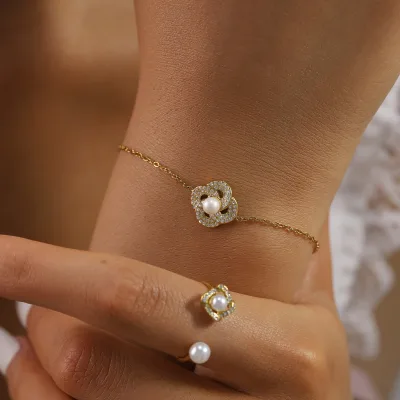
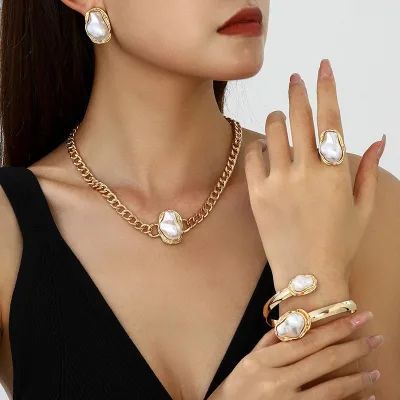

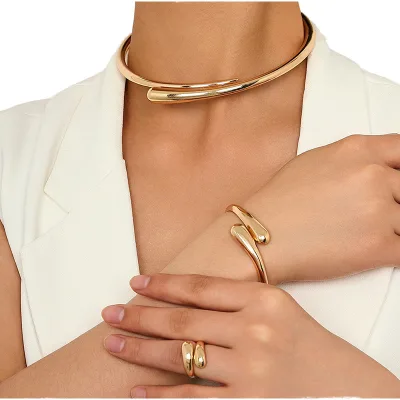
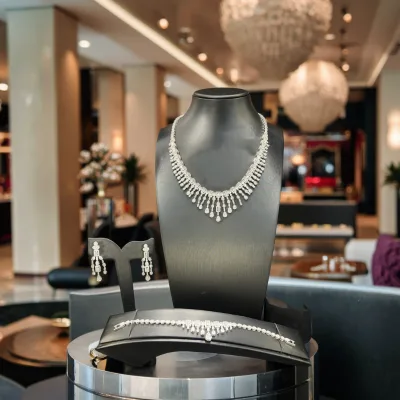
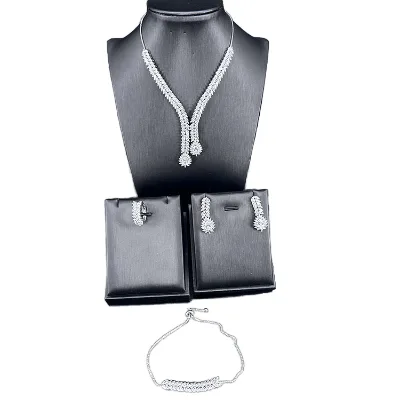
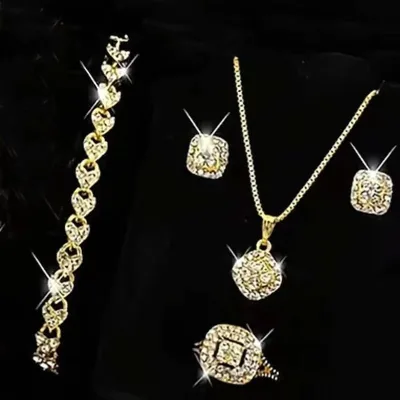
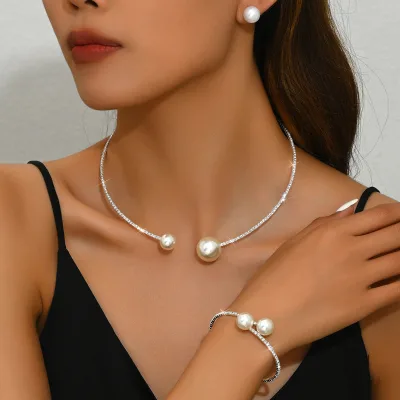
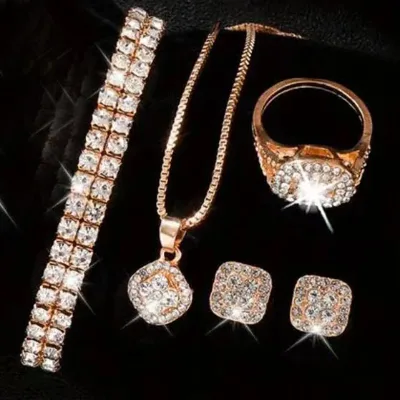
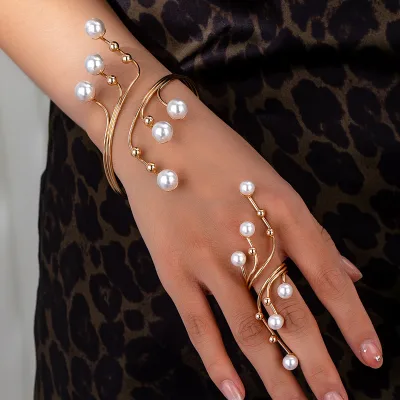

Four Piece Necklace Earring Ring Bracelet Zircon Jewelry Set Bridal Wedding Set
$25.00 - $50.00
MOQ: 50 Pieces


Fashion Crystal Jewelry Set Multicolor Optional Earrings Ring Necklace Pendant Jewelry Set
$58.10 - $72.26
MOQ: 1 Pieces
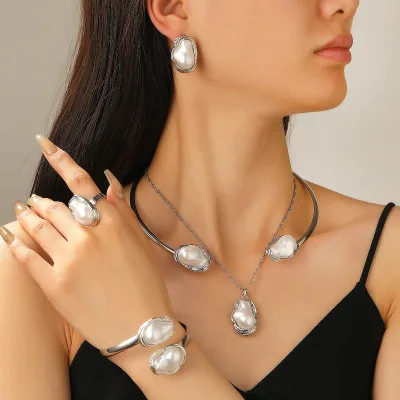
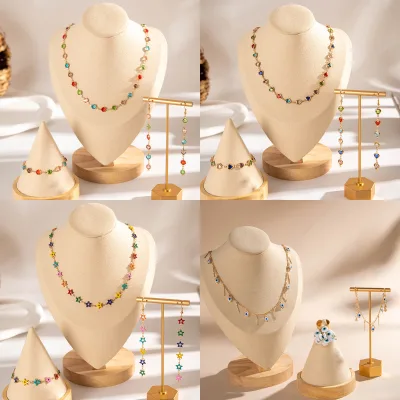
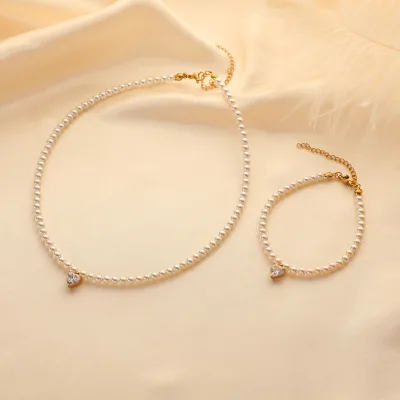
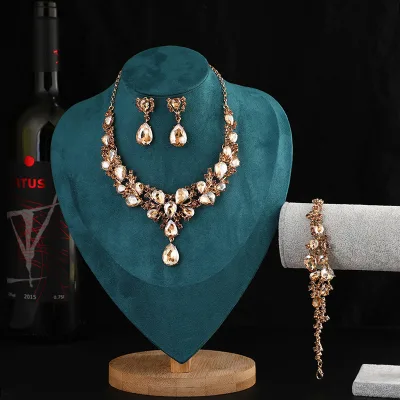
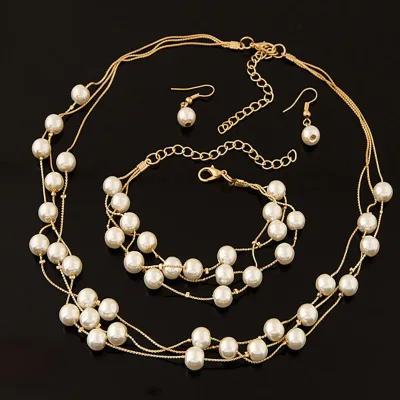
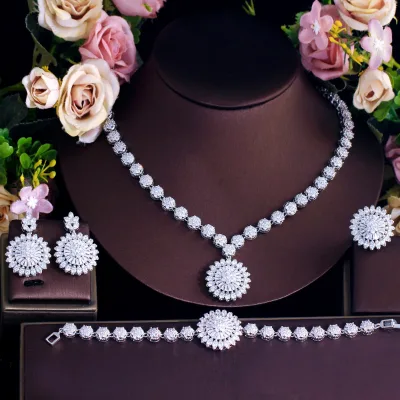
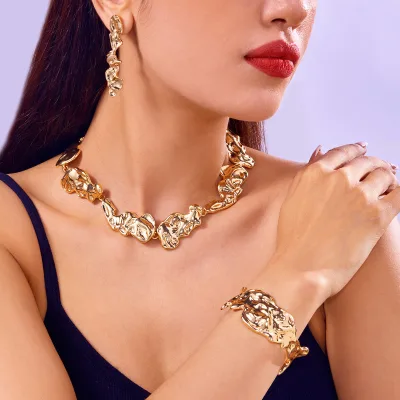
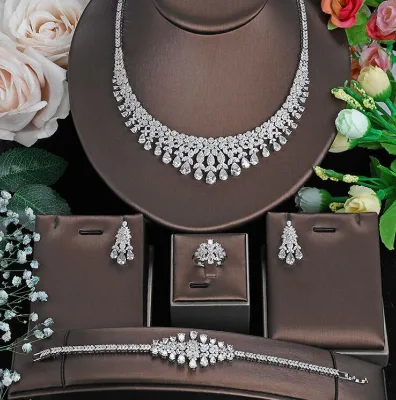
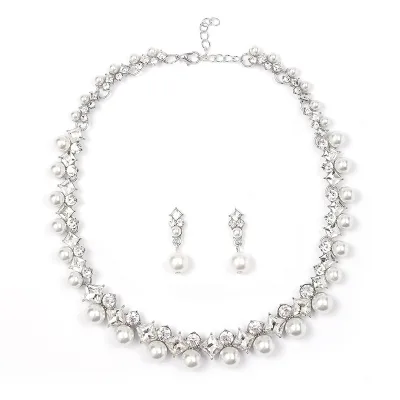


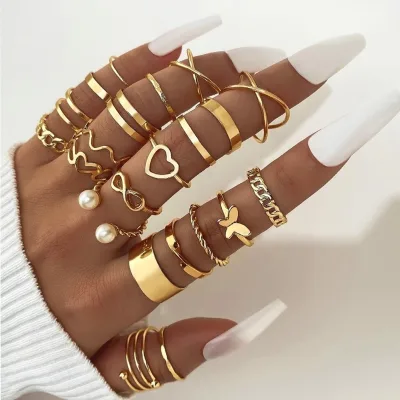
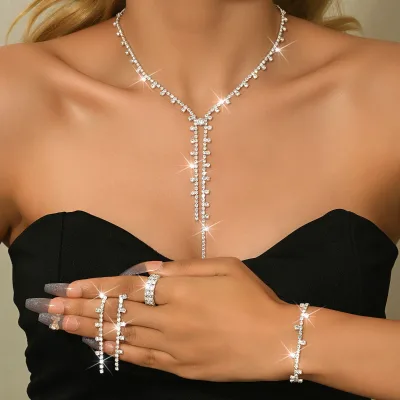

Fine Jewelry Set for Women Vintage Style Earrings and Necklace with for Gift
$16.54 - $19.46
MOQ: 30 set


Comprehensive Sourcing Guide
Pearl Bracelet and Ring Set Sourcing Guide
Sourcing pearl bracelet and ring sets requires a nuanced understanding of material composition, design versatility, and supplier capabilities. Buyers must navigate a market where products range from simple metal alloy pieces to intricate designs featuring natural pearls and gold plating. The observed product landscape includes items labeled with specific model numbers like 1020 and 828866881089, indicating a diverse inventory that caters to various aesthetic preferences. Understanding these variations is crucial for aligning procurement with specific brand identities or target customer demographics.
The procurement process involves evaluating multiple attributes such as plating types, stone materials, and packaging standards. Suppliers often offer customization services, including OEM and custom design manufacture, which allows for unique product differentiation. However, this flexibility comes with the need for rigorous verification of quality control measures and production timelines. Buyers should focus on establishing clear communication channels to ensure that custom specifications are met without compromising on the integrity of the pearl or the durability of the metal components.
Product Scope and Observed Listing Signals
The current market for pearl jewelry sets exhibits a wide range of styles, from fashion-forward geometric designs to elegant pieces featuring imitation or natural pearls. Observed listings highlight materials such as stainless steel, metal alloy, copper, and iron, each offering distinct durability and aesthetic qualities. The color palette is extensive, including gold, silver, rose gold, and specific combinations like golden square diamond sets. These variations suggest that buyers can source products suitable for diverse applications, including weddings, anniversaries, parties, and general gift-giving occasions.
Packaging and logistics also vary significantly across suppliers, with options ranging from independent packaging for logistics transportation to simple PP bags. This diversity impacts the final retail presentation and shipping costs. Some suppliers provide specific model numbers and single package sizes, which aids in inventory management and cost calculation. Buyers should carefully review these logistical details to ensure that the packaging aligns with their brand’s unboxing experience and that the shipping methods, such as UPS, DHL, or FedEx, meet their delivery expectations.
Technical Specifications to Verify
Verifying technical specifications is critical to ensuring product quality and consistency. Buyers must confirm the jewelry main material, whether it is copper, iron, or metal alloy, as this affects both the weight and longevity of the piece. The stamping details, such as 925 for silver or customer-required marks, are essential for authenticity and compliance with labeling laws. Additionally, the pearl type, whether natural or imitation, must be clearly defined to avoid misrepresentation. The model number, such as WBCRTZ-278, serves as a unique identifier for tracking and reordering specific designs.
Dimensional specifications, including size and single gross weight, are vital for inventory planning and customer satisfaction. For instance, a size 7 ring or a specific single package size of 12x10x4 cm provides concrete data for logistics. Buyers should also verify the plating quality, as gold plating can vary in thickness and durability. Ensuring that the jewelry sets type, such as necklace/earrings/bracelet or ring/bracelet combinations, matches the product description prevents discrepancies between the ordered item and the delivered goods.
Compliance and Safety Documentation
Compliance with international standards is a non-negotiable aspect of sourcing jewelry. Suppliers may claim adherence to standards such as SGS and CE, which indicate certain levels of quality and safety. Buyers must request and verify these certifications to ensure that the products meet the regulatory requirements of their target markets. The presence of these standards suggests a baseline level of manufacturing discipline, but independent verification is often necessary to confirm ongoing compliance.
Safety documentation should also cover material safety, particularly regarding nickel content and lead levels in metal alloys. While specific test results are not provided in the observed data, buyers should insist on recent test reports from accredited laboratories. This is especially important for products intended for sensitive demographics or those marketed as hypoallergenic. Ensuring that all documentation is up-to-date and valid helps mitigate legal risks and protects the brand’s reputation in the global marketplace.
Cost Drivers and Commercial Terms
Several factors influence the cost of pearl bracelet and ring sets, including material costs, plating thickness, and the complexity of the design. The observed price range of 0.55 to 300 USD reflects this variability, with higher prices likely corresponding to natural pearls, gold plating, or intricate craftsmanship. Buyers should analyze the cost structure to understand where value is added, whether through material quality or design exclusivity. This analysis helps in negotiating better terms and identifying potential areas for cost reduction without sacrificing quality.
Commercial terms, such as MOQ and lead time, also play a significant role in procurement planning. An observed MOQ of 30 PCS and a delivery time of 15-20 days after getting deposit are typical benchmarks. However, these figures can vary based on customization requirements and supplier capacity. Buyers should clarify all terms in writing, including payment schedules, shipping responsibilities, and return policies. Understanding these commercial dynamics allows for more accurate budgeting and inventory management, reducing the risk of stockouts or excess inventory.
Supplier Qualification and Quality Control
Supplier qualification involves assessing their manufacturing capabilities, quality control processes, and customer service responsiveness. Suppliers offering OEM and custom design manufacture services demonstrate flexibility, but buyers must evaluate their ability to maintain consistency across large orders. The place of origin, such as Guangdong or Zhejiang in China, can provide insights into the local supply chain and manufacturing expertise. Buyers should request samples to assess the physical quality of the jewelry, including the finish, pearl setting, and overall durability.
Quality control measures should be clearly defined and agreed upon before production begins. This includes inspection protocols for materials, workmanship, and packaging. Buyers should inquire about the supplier’s defect rate and their process for handling non-conforming products. Establishing a strong relationship with the supplier through regular communication and feedback can help improve quality over time. Additionally, verifying the supplier’s business scope, which may include rings, pendants, cufflinks, and other jewelry types, ensures they have the necessary expertise to deliver the desired products.
Long-Term Procurement Checks
Long-term procurement success depends on continuous monitoring of supplier performance and market trends. Buyers should regularly review supplier metrics, such as on-time delivery rates, product quality consistency, and responsiveness to issues. This ongoing evaluation helps identify potential risks and opportunities for improvement. Staying informed about changes in material costs, regulatory requirements, and consumer preferences allows buyers to adapt their sourcing strategies proactively.
Building a diversified supplier base can mitigate risks associated with single-source dependencies. Buyers should explore multiple suppliers for similar products to ensure continuity of supply and competitive pricing. Additionally, investing in relationship management with key suppliers can lead to better terms, priority production, and access to new designs. Regular audits and feedback sessions can strengthen partnerships and drive mutual growth. By maintaining a strategic approach to supplier management, buyers can ensure a stable and efficient supply chain for pearl bracelet and ring sets.
FAQs
Can I customize pearl bracelet and ring sets with specific plating?
Yes, customization is available for these jewelry sets. You can select from gold, silver, or rose gold plating options. The manufacturer supports OEM and custom design services to meet your brand requirements. This allows you to tailor the aesthetic to your target audience while maintaining the elegance of the pearl and metal combination.
What is the minimum order quantity for these jewelry sets?
The minimum order quantity is 30 pieces. This MOQ applies to the customized jewelry sets featuring pearl and ring combinations. Buyers should note that this is a single item selling unit. This threshold allows for manageable initial inventory while supporting the custom design and manufacturing services offered by the supplier.
Which certifications do these pearl jewelry sets meet?
These products meet SGS and CE standards. These certifications ensure compliance with international quality and safety regulations for jewelry. Buyers can rely on these documented standards when sourcing for markets with strict regulatory requirements. The materials used, including metal alloy and copper, are processed to align with these recognized industry benchmarks.
How long does delivery take after placing an order?
Delivery occurs within 15 to 20 days after receiving the deposit. This lead time applies to the production and logistics of the customized pearl bracelet and ring sets. Buyers should plan their inventory accordingly. The supplier offers various shipping methods including UPS, DHL, and FedEx to ensure timely transportation to global destinations.
What materials are used in these pearl jewelry sets?
The sets utilize materials such as stainless steel, metal alloy, copper, and iron. Natural pearls are used as the main stone for the elegant design. These durable materials ensure longevity and aesthetic appeal. The combination of metals and natural pearls creates a versatile accessory suitable for weddings, parties, and daily fashion wear.
Where are these pearl jewelry sets manufactured?
These products originate from Guangdong and Zhejiang provinces in China. Specifically, some items are sourced from Shenzhen. This location is a major hub for jewelry manufacturing, offering efficient supply chains and skilled craftsmanship. Buyers can expect high-quality production standards associated with this well-established industrial region in China.