Geometric Crystal Plating Brooch Suppliers and Manufacturers
Explore 24 verified options for Geometric Crystal Plating Brooch from Guangdong, Fujian, and Zhejiang. Compare response times, lead times, and certifications like TÜV Rheinland to source custom jewelry molds and electroplating services efficiently; review the available evidence before requesting comparable quotations from suitable candidates.
Updated
Suppliers List
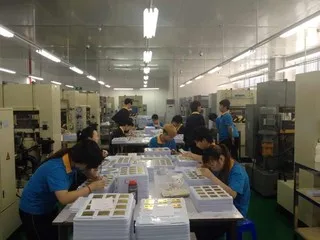
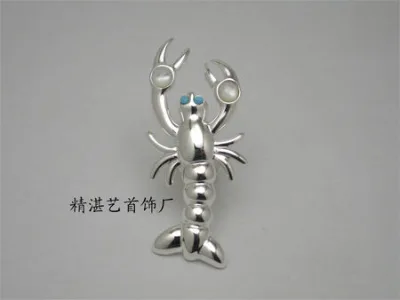
Shenzhen Jingzhanyi Jewelry Company Limited
- Manufacturer, Trading Company, Distributor/Wholesaler
- Guangdong, China
- Lead time15 days
- Avg. response≤ 1h
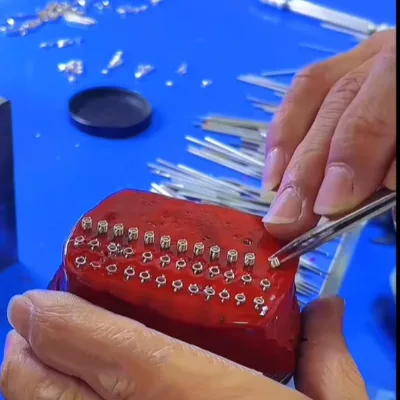
Main productsJewelry mold design and manufacture,24k/22k/18k/14k gold set diamond jewelry design and manufacture,925 sterling silver jewelry design and manufacture,Filling glue/enamel/baking paint/drop glue jewelry manufacturing,Precious metal and hardware material CNC products carving
Main marketsEastern Europe(12.00%), Eastern Asia(10.00%), Domestic Market(10.00%), Central America(10.00%), Southeast Asia(10.00%), North America(10.00%), South America(10.00%), Northern Europe(6.00%), Western Europe(6.00%), Mid East(5.00%), Oceania(5.00%), Southern Europe(4.00%), South Asia(2.00%)

Jinjiang Jiaxing Supply Management Co., Ltd.
- Verified by TUVRHEINLAND
- Trading Company
- China Fujian
- Lead time30 days
- Avg. response≤ 2h
Main productsEVA Clogs, Flip Flop, Shoe Charms, Shopping Bags, Wristbands, Gifts, Promotional Gifts, Slipper, Sport Cap, Ball
Main marketsNorth America
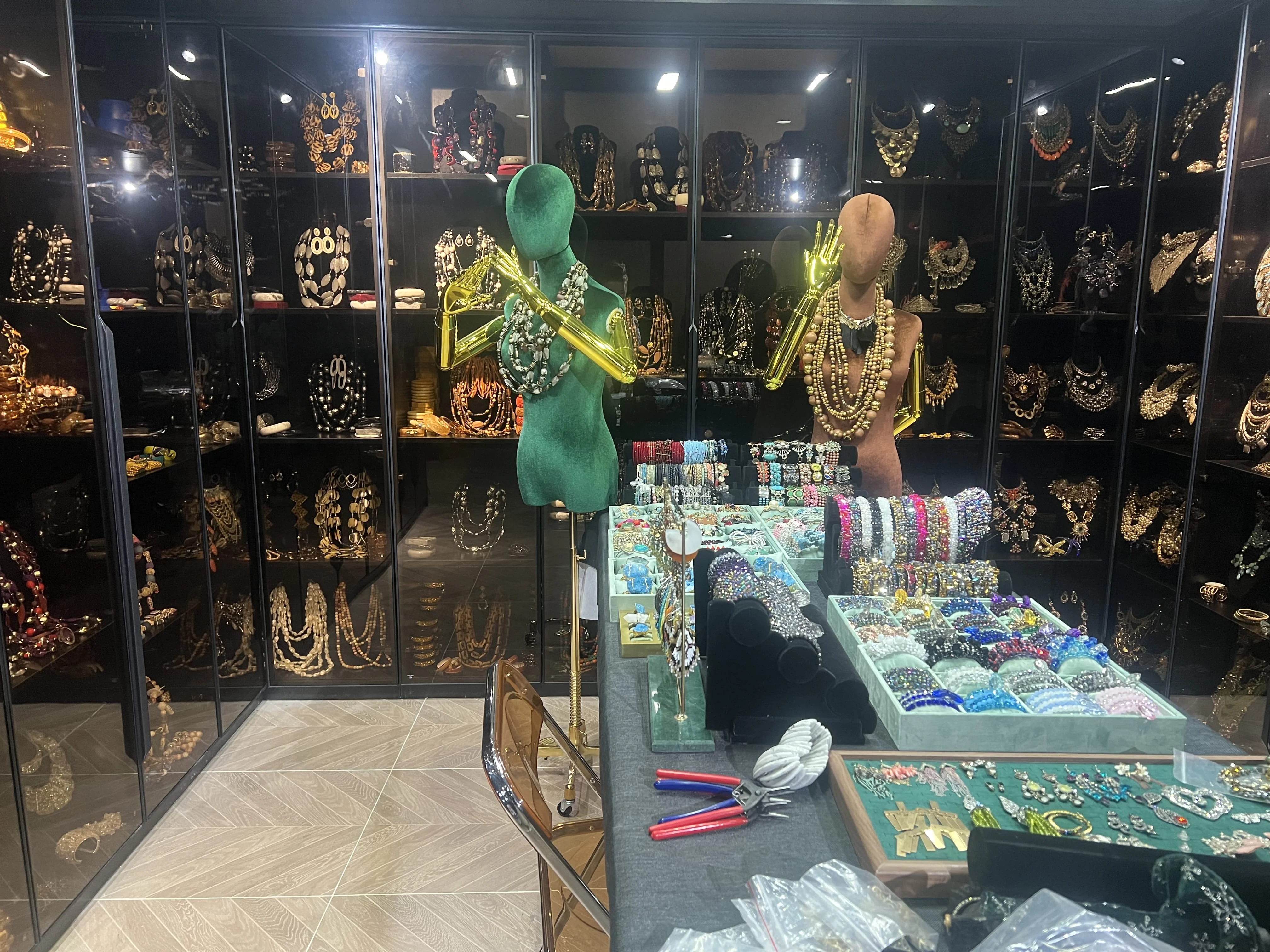
Yiwu Duye E-Commerce Co., Ltd.
- Trading Company
- Zhejiang, China
- Lead time25 days
- Avg. response≤ 15h
Main productsJewelry Set,Necklace,Ring,Bangle,Earring
Main marketsSouthern Europe(10.00%), Northern Europe(10.00%), Western Europe(10.00%), Mid East(10.00%), Oceania(10.00%), Africa(10.00%), Southeast Asia(10.00%), Eastern Europe(10.00%), South America(10.00%), North America(10.00%)
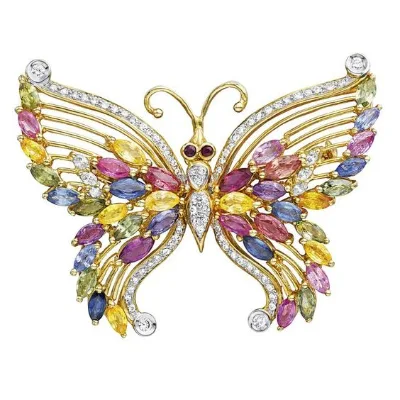
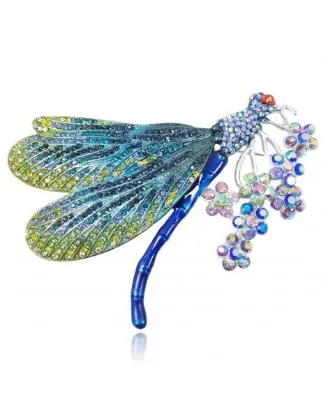
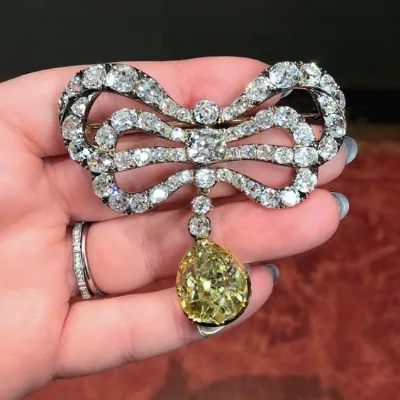
Professional Customized logo Brooch for Gift
$2.54 - $2.98
Yiwu Tianyun E-Commerce Co., Ltd.
- Trading Company
- Zhejiang Province, China
- Lead time0 days
- Avg. response≤ 6h
Main productsBrooch,badge
Main marketsSouth Asia(10.00%), Central America(10.00%), Mid East(10.00%), Southeast Asia(10.00%), North America(10.00%)
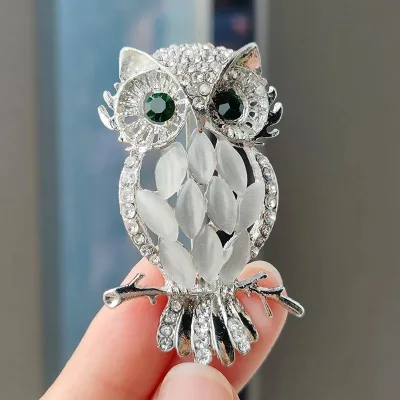
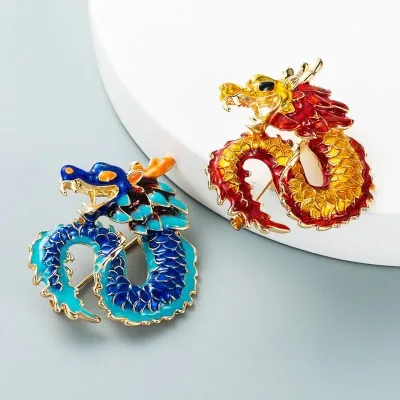
Creative Enamel Dragon Brooch for Women Child Brooches Pin Simple Desgin Party Accessories Gift
$0.85 - $0.99
MOQ: 2 pieces


- Verified by BV
- Manufacturer/Factory
- China Fujian
- Lead time15 days
- Avg. response≤ 25h
Main productsWater Bottle, Kitchen Ware, Shoes, Plastic Product, Bag, Toy
Main marketsSouth America,Eastern Europe,Mid East,North America,Southeast Asia,Eastern Asia,Oceania,Western Europe,Africa

- Verified by SGS
- Combined
- China Hunan
- Lead time15 days
- Avg. response≤ 25h
Main productsBadge/Pin, Medal/Fiesta Medal, Coin/Challenge Coin, Pendant/Charm, Cufflink/Tie Clip/Money Clip, Golf Ball Marker/Hat Clip, Printed Pins/Patches/PVC, Belt Buckle, Keychain/Bottle Opener, Invitation Card
Main marketsSouth America,Africa,Southeast Asia/ Mideast,Europe,Australia,North America
Guangzhou Fucun Garment Accessories Co., Ltd.
- Manufacturer, Trading Company
- Lead time旺季: "1 - 500":15,"> 500":"To be negotiated", 淡季: "1 - 500":15,"> 500":"To be negotiated"
- Avg. response≤ 6h
Main productsGarments Accessories, Festive & Party Supplies
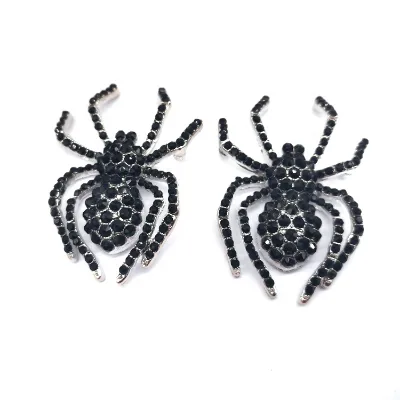
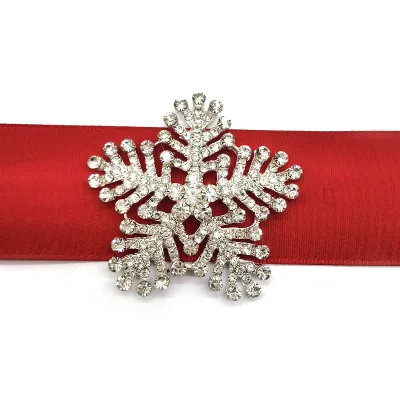
Halloween Spider Brooches Black Rhinestone Crystal Silver Spider Brooch Pin
$0.75 - $0.79
MOQ: 100 pieces
- Verified by TüVRheinland
- Trading Company
- Lead time7 days
- Avg. response≤ 2h
Main productsGarment Accessories, Shoe Accessories, Jewelry, Jewelry Decorations
Main marketsNorth America(70%), South America(20%), Western Europe(10%)
$0.60 - $0.70
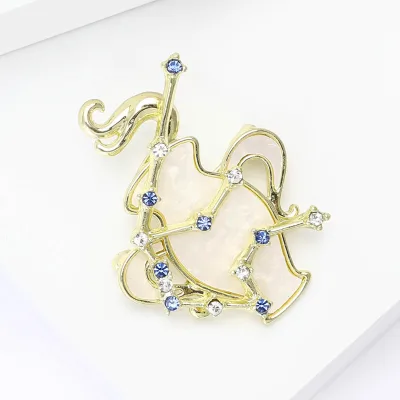

- Verified by CTI
- Trading Company
- China Zhejiang
- Lead time15 days
- Avg. response≤ 6h
Main productsJewelry, Brooch, Belt, Necklace, Agent, Bracelet, China Trim, China Ring, China Hair Accessory, China Earring
Main marketsSouth America


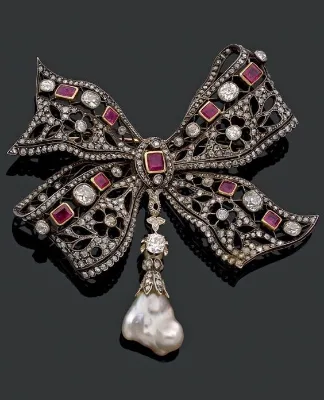
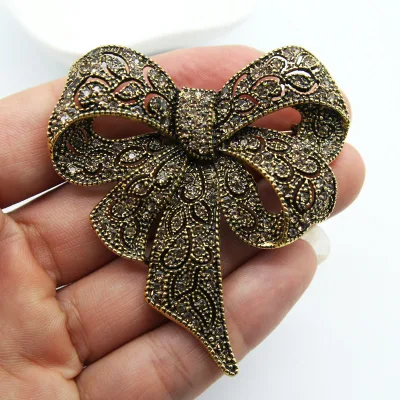
Retro Niche Design Antique Bow Brooch for The Collar Opening of The Shirt, Decorative Element
$1.94 - $1.96
MOQ: 100 Pieces
HONGKONG RUNSHINE INDUSTRY CO., LIMITED
- Trading Company
- Hong Kong S.A.R.
- Lead time0 days
- Avg. response≤ 6h
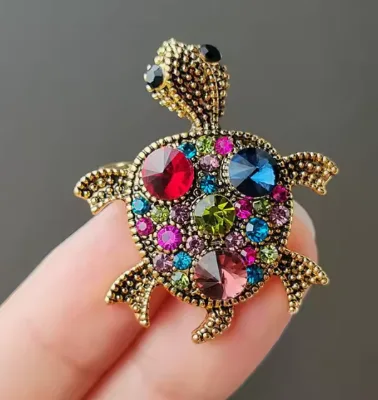
$0.61 - $0.65
MOQ: 50 pieces
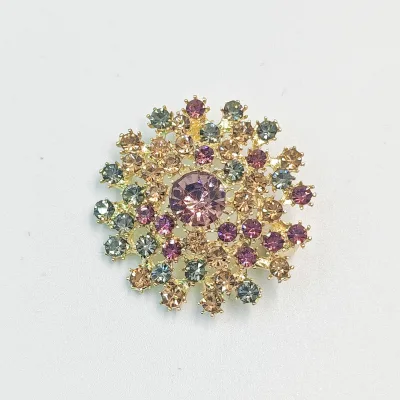
Shinning Dandelion brooch Beautiful Crystal Flower Brooch Hollowed Flower love Brooches for Women
$0.54 - $0.57
MOQ: 12 pieces
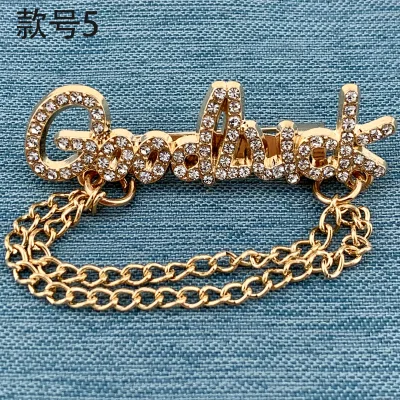
Chain Brooches Women's Letter Brooch Crystal High Design High-grade Corsage Full with Brooch Jewelry
$0.15 - $0.23
MOQ: 50 pieces
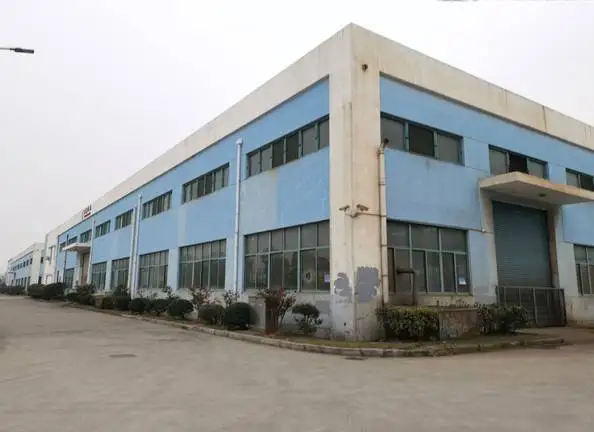
Huizhou Mairuidi Trade Co., Ltd.
- Trading Company
- Guangdong, China
- Lead time0 days
- Avg. response≤ 11h
Main productsdiy jewelry,earring,necklace,sunglasses
Main marketsNorth America(70.00%), Domestic Market(5.00%), Southern Europe(5.00%), Northern Europe(5.00%), Western Europe(5.00%), Eastern Europe(5.00%), South America(5.00%)

Marigold Garment Accessories Co., Ltd.
- Trading Company
- China Guangdong
- Lead time15 days
- Avg. response≤ 12h
Main productsLace, Lace Trimming, Rhinestone Trimming, Embroidery, Patches, Elastic Trim, Brooches, Button, Rhinestone Patch, Lace Fabric
Main marketsSouth America,Africa,Southeast Asia/ Mideast,Europe,North America


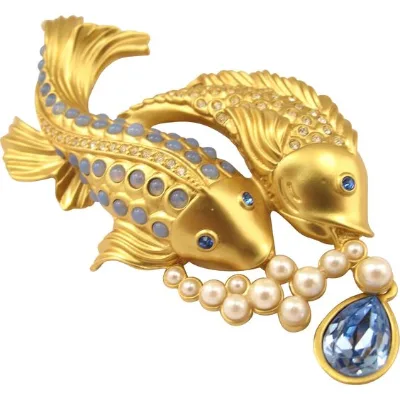
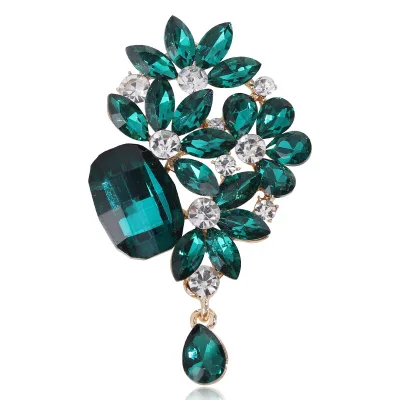
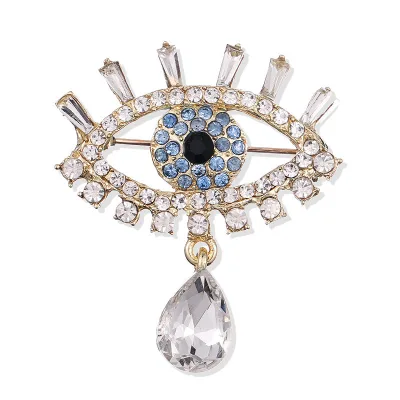
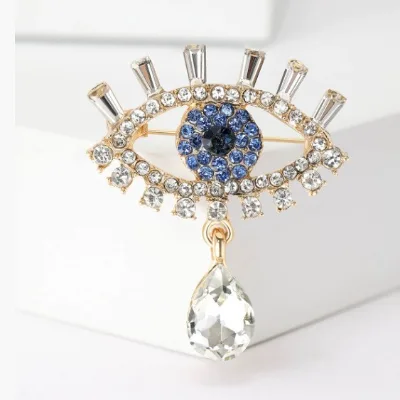
Wholesale New Design Gold Plating Water Drop Blue and Crystal Brooches with Pin
$0.65 - $0.79
MOQ: 300 Pieces


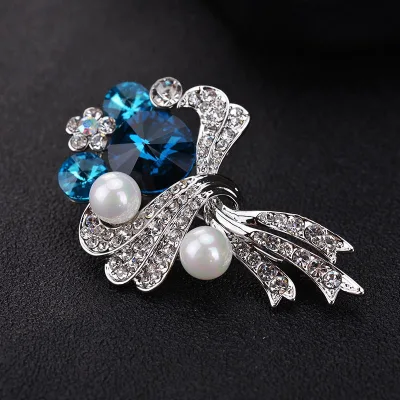
Beautiful Fashion Brooches with Crystals Rhinestones Pearls for Wedding Dress Accessories
$0.39 - $0.49
MOQ: 200 Pieces
Guangzhou Jotome Garment Accessories Co., Ltd.
- Verified by Intertek
- Manufacturer, Trading Company
- Lead time10 days
- Avg. response≤ 4h
Main productsBadge Reel, Brooch, Pendant, Garment Accessories, Fashion Pendant Necklaces
Main marketsNorth America(65%), Southeast Asia(5%), Oceania(5%)

NINGBO HOBA INTERNATIONAL TRADING CO., LTD.
- Verified by BV
- Trading Company
- China Zhejiang
- Lead time30 days
- Avg. response≤ 3h
Main productsThread, Button, Lace Tape, Zipper, Hot Fix Stone, Crystal, Rope, Jewelry Accessory, Ribbon, Reflecting Material
Main marketsSouth America,Africa,Southeast Asia/ Mideast,East Asia(Japan/ South Korea),Europe,Australia,North America

Crystal Flower Brooch Fashion Women's Jewelry Rhinestone Brooches Pins Crystal Flower Brooches
$0.43 - $0.65
MOQ: 100 Pieces

Fashion Jewelry Brooches Metal Crystal Rhinestone Bouquet Brooch Pin Wedding Party Embellishment
$0.43 - $0.65
MOQ: 100 Pieces

Guangzhou Govolon Trade Co., Ltd.
- Trading Company,Manufacturer/Factory
- China Guangdong
- Lead time15 days
- Avg. response≤ 24h
Main productsGarment Accessories, Lace, Button, Zipper, Fringe and Tassels, Belt Ribbon, Garment Trimming, Patch Badge, Buckle, Hotfix
Main marketsSouth America,Mid East,North America,Southeast Asia,Western Europe,Africa


Fashion Brooch with Pearl Crystals Glass for Garment Accessories Decoration
$1.86 - $2.58
MOQ: 500 Pieces

Fashion Decoration Brooch with Pearl Crystals Glass for Garment Accessories
$1.86 - $2.58
MOQ: 500 Pieces

The Latest Fashion Brooch with Pearl Crystals Garment Accessories Decoration
$1.90 - $2.88
MOQ: 500 Pieces


Phoenix Flame Holdings Limited
- Verified by BV
- Manufacturer/Factory,Group Corporation
- China Guangdong
- Lead time15 days
- Avg. response≤ 9h
Main productsWebbing Cords Buttons Zipper Drawcord & Shoelace, Label Lace Lanyard Wristband, Embroidery Patches Beaded Applique Belt, Underwear Accessories TPU Rubber Tape
Main marketsSouth America,Eastern Europe,North America,Southeast Asia,Oceania,Western Europe,Africa

Trendy Elegant Crystal Rhinestone Guardian Angel Brooch Christmas Angel Wings Brooches Pin
$0.29 - $2.56
MOQ: 100 Pieces


$0.29 - $2.56
MOQ: 100 Pieces


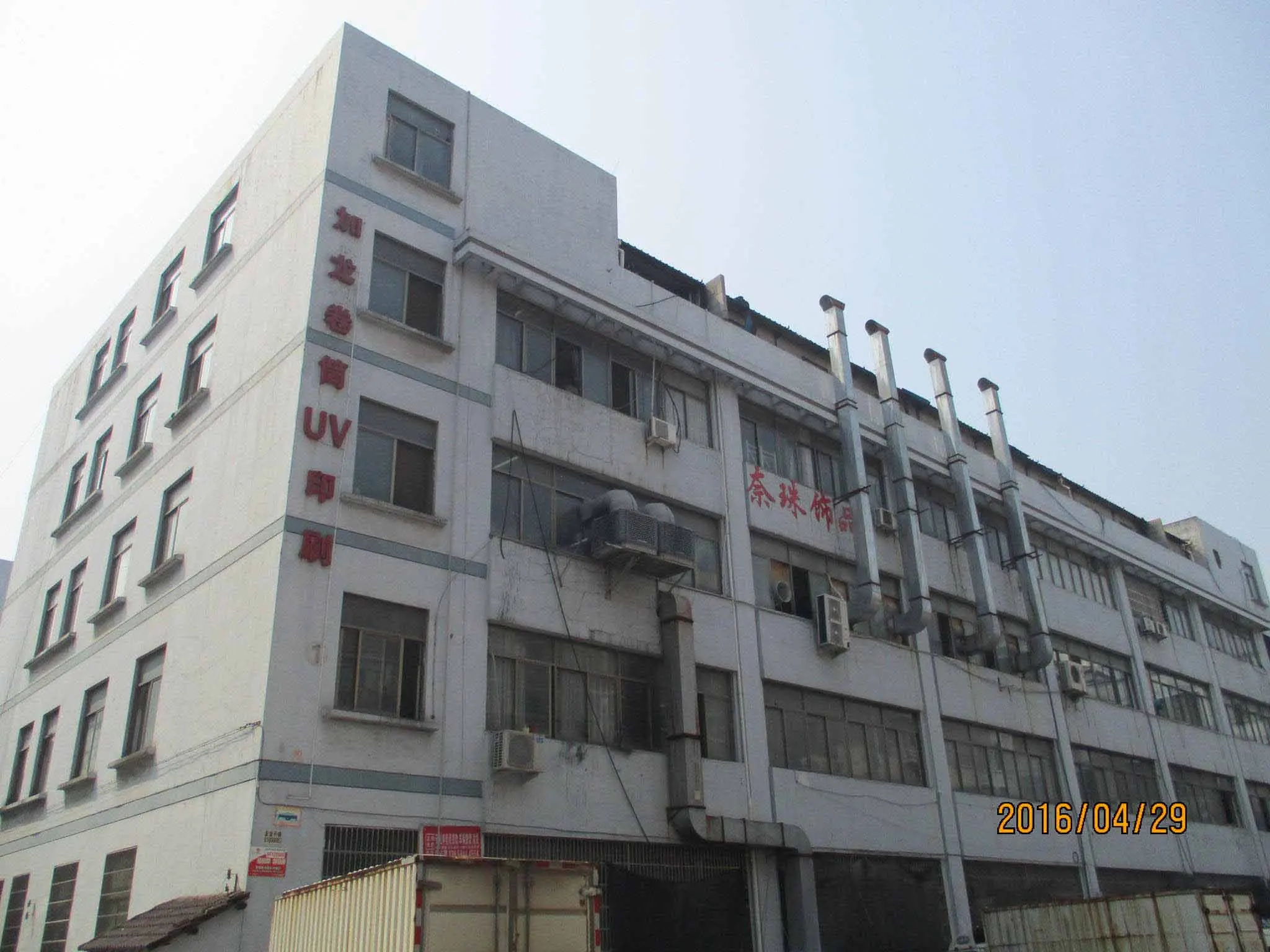
- Trading Company
- Zhejiang, China
- Lead time15 days
- Avg. response≤ 1h
Main productshair scrunchies,sunglasses,jewelry packing,jewelry,body chain
Main marketsNorth America(20.00%), South Asia(8.00%), Mid East(8.00%), Oceania(8.00%), Central America(8.00%), Southeast Asia(8.00%), Eastern Europe(8.00%), South America(8.00%), Domestic Market(4.00%), Eastern Asia(4.00%), Southern Europe(4.00%), Northern Europe(4.00%), Africa(4.00%), Western Europe(4.00%)
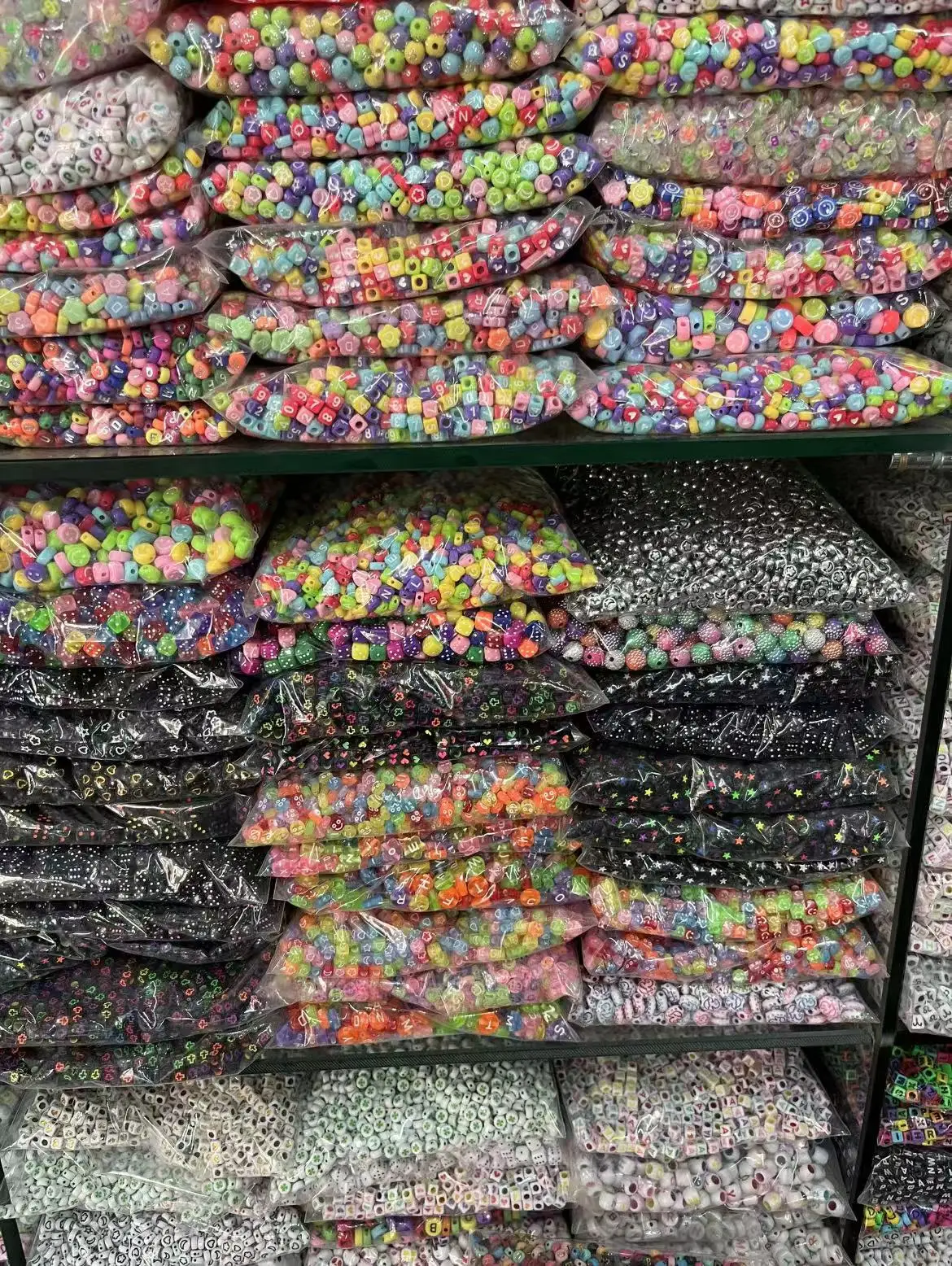
- Trading Company
- Zhejiang, China
- Lead time0 days
- Avg. response≤ 3h
Main productsDollhouse accessories,Charms and Pendants,Jewelry
Main marketsNorth America(35.00%), Western Europe(20.00%), South America(10.00%), Southern Europe(5.00%), Northern Europe(5.00%), Eastern Europe(5.00%), Eastern Asia(5.00%), Mid East(5.00%), Africa(5.00%), Southeast Asia(5.00%)
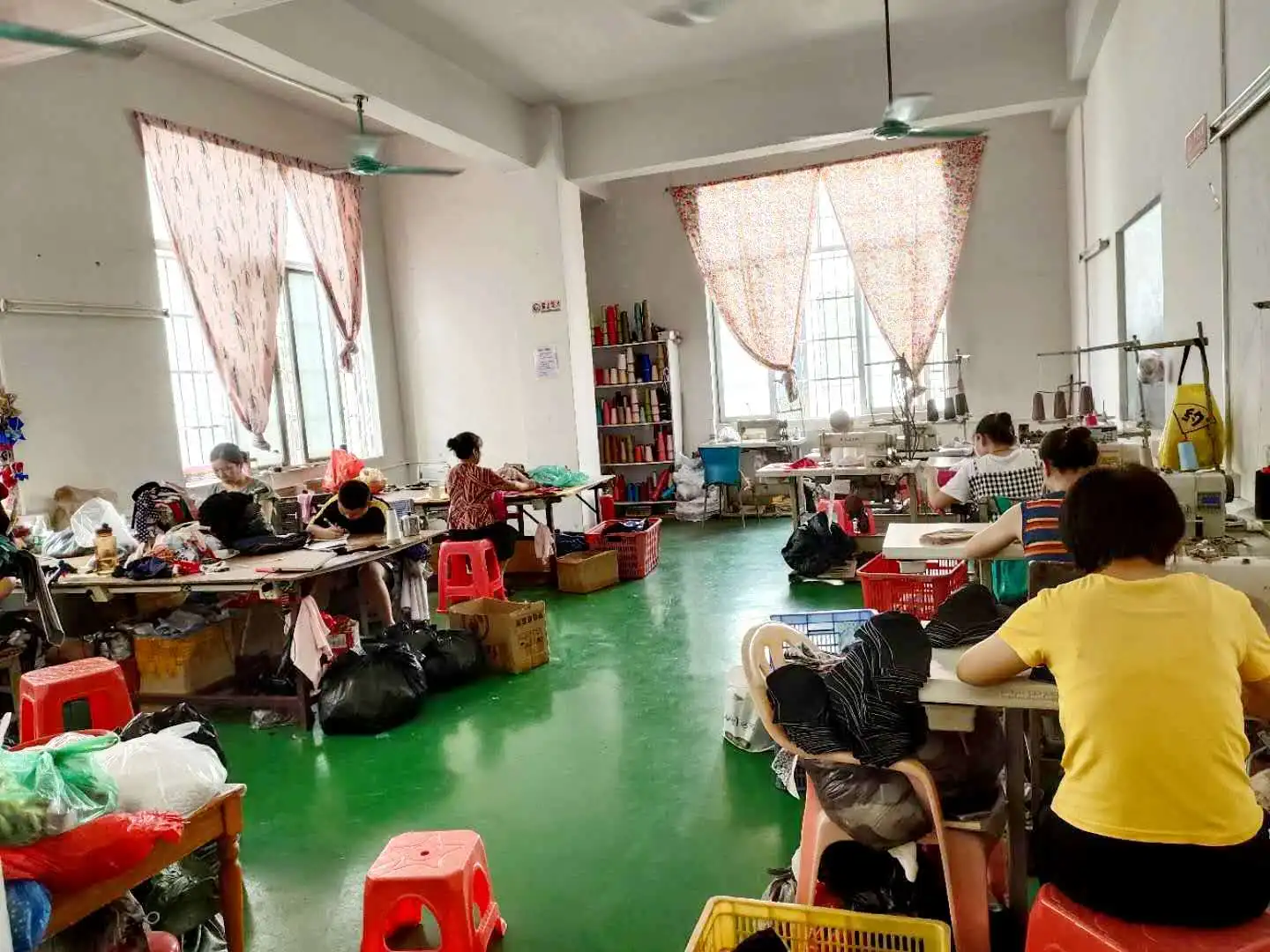
Guangzhou Haolilian Trading Co., Ltd.
- Trading Company, Distributor/Wholesaler
- Guangdong, China
- Lead time5 days
- Avg. response≤ 2h
Main productshair accessories,handmade flowers,clothing accessories,wedding accessories,rhinestone applique
Main marketsWestern Europe(30.00%), South America(30.00%), North America(30.00%), Mid East(3.00%), Eastern Europe(3.00%), Southeast Asia(3.00%), Africa(1.00%)

Zhongshan Yibao Gift Co., Ltd.
- Verified by SGS
- Combined
- China Guangdong
- Lead time15 days
- Avg. response≤ 2h
Main productsMedals, Badges, Keychains, Coins, Air Freshener, Lanyard, Embroidery Patch, Fridge Magnets, Cufflinks, Packing Box
Main marketsDomestic


Custom Pin Colorful Brooch Creative Personality Brooch Metal Badge Unique Gift
$0.10 - $0.60
MOQ: 50 Pieces


Meishan Shunjieru Arts & Crafts Co., Ltd.
- Verified by SGS
- Trading Company
- China Sichuan
- Lead time15 days
- Avg. response≤ 2h
Main productsBadge Coin Emblem Medal
Main marketsSoutheast Asia/ Mideast,Europe,Australia,North America
Guangzhou Lucky Girl Fashion Accessories Co., Ltd.
- Trading Company
- Guangdong, China
- Lead time7 days
- Avg. response≤ 4h
Main productsHair Accessories/Spa Accessories/Salon Accessories/Bath Accessories/Makeup Tool Accessories
Main marketsNorth America(70.00%), Oceania(12.00%), Western Europe(10.00%), Southeast Asia(5.00%), Mid East(3.00%)
Yiwu Jianyin E-Commerce Co., Ltd.
- Trading Company
- Zhejiang, China
- Lead time30 days
- Avg. response≤ 7h
Main productsFashion accessories,Hair accessories,Ties,Brooches,Keychain
Main marketsNorth America(50.00%), Northern Europe(5.00%), Western Europe(5.00%), Eastern Asia(5.00%), Southern Europe(5.00%), Oceania(5.00%), Africa(5.00%), Southeast Asia(5.00%), Eastern Europe(5.00%), South America(5.00%), South Asia(2.00%), Domestic Market(1.00%), Central America(1.00%), Mid East(1.00%)

Yiwu City Hancai Import And Export Co., Ltd.
- Trading Company
- Zhejiang, China
- Lead time7 days
- Avg. response≤ 2h
Main productsJewelry,watch,brooch,crown,keychain
Main marketsEastern Europe(20.00%), South America(20.00%), North America(20.00%), Southeast Asia(10.00%), Domestic Market(5.00%), Northern Europe(5.00%), Central America(5.00%), Western Europe(5.00%), Mid East(5.00%), Africa(5.00%)
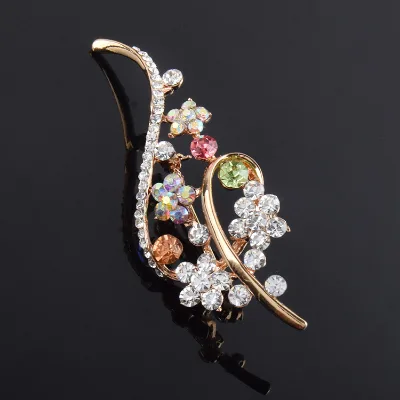
$0.75 - $1.30
MOQ: 60 pieces
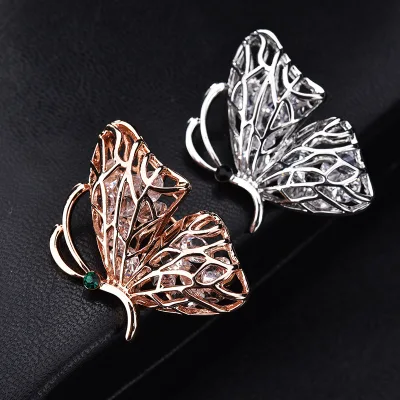


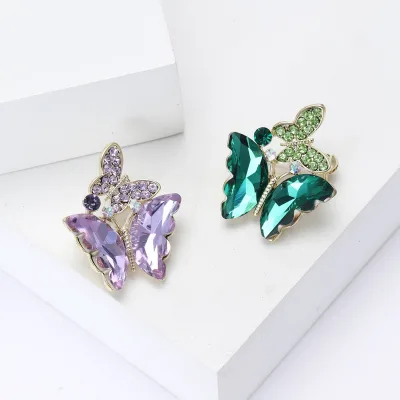
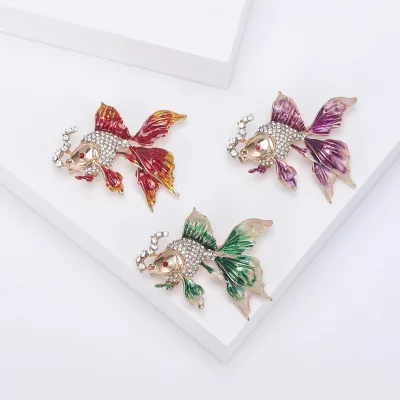
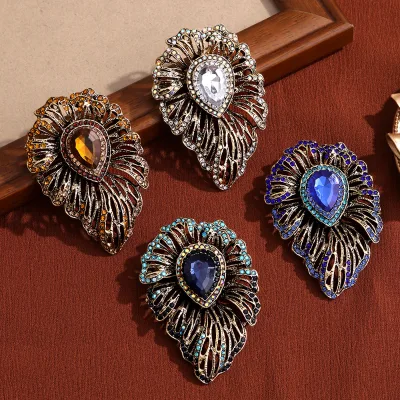
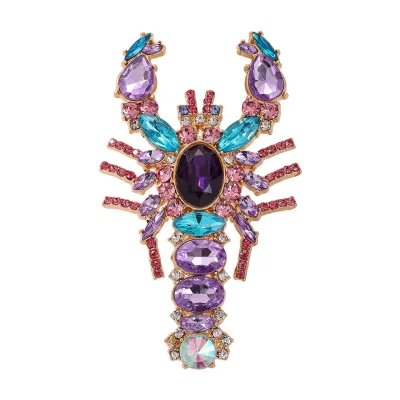


Comprehensive Sourcing Guide
Geometric Crystal Plating Brooch Supplier Concentration and Factory Types
The current supplier landscape for geometric crystal plating brooches reveals a diverse mix of manufacturing capabilities concentrated in specific Chinese regions. Evidence indicates that suppliers are located in Guangdong, China, as well as Fujian and Zhejiang provinces. Guangdong-based entities often present themselves as manufacturers, trading companies, or distributors, suggesting a robust ecosystem where direct factory production coexists with specialized trading intermediaries. This concentration allows buyers to access a wide array of production methods, from CNC carving of precious metals to the molding and casting techniques required for complex geometric designs. The presence of manufacturers in these hubs implies that buyers can potentially source directly from the production floor, which may offer greater control over material quality and plating processes. However, the existence of trading companies within these same locations means that some listings may represent aggregated inventory rather than direct factory output. Buyers must carefully distinguish between these entity types to understand the true nature of the supply chain. A manufacturer might offer more flexibility for custom geometric shapes and specific crystal placements, while a trading company might provide a broader catalog of finished stock items. Understanding this distinction is crucial for determining whether a supplier can meet specific design requirements for geometric crystal plating brooches or if they are merely reselling existing products. The geographic clustering in Guangdong, Fujian, and Zhejiang suggests that logistics and supply chain efficiency are likely optimized for these regions, potentially impacting lead times and shipping costs for international buyers.
In contrast to the manufacturing-heavy profile of some suppliers, others in the results are identified primarily as trading companies or distributors. This structural diversity means that the sourcing strategy must adapt to the specific supplier type. For instance, a supplier in Zhejiang might focus on jewelry sets, necklaces, and rings, indicating a broader product range that includes brooches as part of a larger collection. This can be advantageous for buyers looking to consolidate orders across multiple jewelry categories. On the other hand, suppliers in Guangdong might specialize in intricate mold design and manufacture, which is particularly relevant for the precise geometry required in crystal plating brooches. The variation in company types also affects the level of customization available. Manufacturers are typically more equipped to handle OEM requests for unique geometric patterns and specific plating finishes, such as 14K gold plating or silver plating on crystal components. Trading companies, while potentially offering faster access to standard designs, may have limitations on how much they can alter the product specifications. Therefore, when evaluating suppliers, buyers should prioritize those whose company type aligns with their need for either deep customization or quick access to established designs. The interplay between manufacturer capabilities and trading company convenience defines the current market dynamics for geometric crystal plating brooches, requiring buyers to navigate these options with a clear understanding of their specific project needs.
How to Verify Geometric Crystal Plating Brooch Suppliers
Verifying the authenticity and reliability of suppliers for geometric crystal plating brooches requires a multi-layered approach that goes beyond surface-level listings. One critical step is to check for third-party verification badges, such as those from TÜV Rheinland, which indicate that a supplier has undergone rigorous audits of their business operations and product quality systems. In the current results, at least one supplier holds this specific verification, providing a tangible metric for trustworthiness. Buyers should prioritize suppliers with such independent validations, as they offer a higher degree of assurance regarding the supplier’s legal standing and operational integrity. Additionally, examining the supplier’s response time is a practical indicator of their operational efficiency and customer service commitment. A response time of one day or less suggests a highly responsive team capable of addressing inquiries about complex geometric designs and plating specifications promptly. Slow response times may indicate a lack of dedicated staff or a high volume of unmanaged inquiries, which could lead to delays in communication and order processing. Buyers should also look for detailed product attributes that specify plating materials, such as silver or 14K gold plating, and crystal types, which demonstrate a clear understanding of the product’s technical requirements. Suppliers that provide granular details about their manufacturing processes, such as CNC carving or lost wax casting, are more likely to be genuine manufacturers with the expertise to produce high-quality geometric crystal brooches.
Beyond verification badges and response metrics, buyers should scrutinize the supplier’s main product listings and company descriptions for consistency and depth. A supplier claiming to specialize in jewelry mold design and manufacture should have a portfolio that reflects this capability, including examples of intricate geometric shapes and precise crystal settings. Buyers should also verify the supplier’s location claims, ensuring that the stated province, such as Guangdong or Zhejiang, aligns with the actual business address provided in their profile. Discrepancies between claimed and actual locations can be a red flag for fraudulent operations. Furthermore, checking for certifications related to environmental standards or material safety can provide additional assurance, especially if the brooches are intended for markets with strict regulatory requirements. Buyers should also assess the supplier’s ability to provide samples, as this is a direct way to evaluate the quality of the crystal plating and the durability of the geometric design. A reliable supplier will be willing to provide samples, even if they come at a cost, to demonstrate their product quality. Additionally, buyers should look for evidence of past successful transactions or client testimonials, which can offer insights into the supplier’s reliability and customer satisfaction levels. By combining these verification methods, buyers can build a comprehensive profile of each supplier, reducing the risk of partnering with unreliable entities and ensuring a smoother sourcing process for geometric crystal plating brooches.
What to Compare Across Geometric Crystal Plating Brooch Suppliers
When evaluating multiple suppliers for geometric crystal plating brooches, buyers must systematically compare key operational metrics to identify the most suitable partner. Lead time is a critical factor, as it directly impacts inventory management and market launch schedules. In the current results, lead times vary, with some suppliers offering 15-day turnaround times while others require up to 30 days. Buyers should align their order planning with these lead times, ensuring that they have sufficient buffer for production and shipping. Minimum Order Quantity (MOQ) is another essential comparison point, as it affects the financial risk and scalability of the order. Some suppliers have an MOQ of 50 pieces, which is suitable for small batches or testing new designs, while others require 500 or 1000 pieces, which may be more appropriate for larger, established product lines. Buyers should choose an MOQ that matches their sales forecast and storage capacity. Price is also a significant variable, with some products listed at as low as $0.10 per piece and others reaching up to $3.00. However, price should not be the sole determinant; buyers must consider the quality of materials, such as the type of crystal and the thickness of the plating, which can vary significantly across different price points. A lower price might indicate thinner plating or lower-quality crystals, which could affect the brooch’s longevity and appearance.
In addition to quantitative metrics, buyers should compare the qualitative aspects of supplier offerings, such as customization capabilities and product variety. Suppliers that offer OEM services and allow for customized logos, designs, and sizes are more flexible and can better meet specific brand requirements. For geometric crystal plating brooches, the ability to customize the geometric shape and crystal arrangement is particularly important. Buyers should also compare the range of plating options available, such as silver, gold, or 14K gold plating, to ensure that the supplier can deliver the desired aesthetic. Furthermore, the supplier’s main product focus can provide insights into their expertise. A supplier that specializes in fine jewelry and diamond settings may have higher standards for crystal quality and plating precision compared to a supplier focused on fashion jewelry. Buyers should also consider the supplier’s response time, as a quicker response can facilitate faster decision-making and problem-solving during the sourcing process. By comparing these diverse factors, buyers can create a weighted scoring system to objectively evaluate each supplier. This approach ensures that the final selection is based on a holistic assessment of cost, quality, flexibility, and reliability, rather than a single metric. The goal is to find a supplier that not only meets the technical specifications of the geometric crystal plating brooches but also aligns with the buyer’s broader business objectives and operational constraints.
Common Geometric Crystal Plating Brooch Sourcing Risks
Sourcing geometric crystal plating brooches involves several inherent risks that buyers must proactively manage to ensure a successful procurement process. One significant risk is the potential for quality inconsistency, particularly regarding the plating durability and crystal adhesion. Geometric designs often have intricate edges and corners that are prone to wear and tear, making the quality of the plating process critical. Buyers may encounter suppliers who use inferior plating materials that chip or fade quickly, leading to customer dissatisfaction and returns. Another risk is the discrepancy between the sample and the bulk production. Suppliers might provide a high-quality sample but fail to maintain the same standards during mass production, resulting in variations in crystal size, color, or geometric precision. This risk is heightened when dealing with trading companies that may not have direct control over the manufacturing process. Additionally, there is a risk of intellectual property infringement, especially if the geometric design is unique or patented. Buyers must ensure that the supplier has the legal right to produce and sell the design, or that they are willing to work under a strict non-disclosure agreement to protect proprietary designs. Failure to address this risk can lead to legal disputes and supply chain disruptions.
Communication and logistical risks are also prevalent in the sourcing of geometric crystal plating brooches. Miscommunication about design specifications, such as the exact dimensions of the geometric shape or the type of crystal used, can result in products that do not meet the buyer’s expectations. This risk is exacerbated by language barriers and time zone differences, which can delay clarification and correction. Furthermore, logistical delays can occur due to customs inspections, shipping disruptions, or supplier production bottlenecks. Buyers should be aware that lead times are estimates and may vary based on external factors. Another risk is the lack of transparency in pricing, where hidden costs such as mold fees, sample charges, or shipping fees may not be clearly disclosed upfront. This can lead to budget overruns and unexpected expenses. To mitigate these risks, buyers should establish clear communication channels, request detailed quotations that include all potential costs, and implement a robust quality control process that includes pre-shipment inspections. By identifying and addressing these common risks early in the sourcing process, buyers can protect their interests and ensure a smoother transaction. Proactive risk management is essential for maintaining the integrity of the supply chain and delivering high-quality geometric crystal plating brooches to the market.
Geometric Crystal Plating Brooch Regional Sourcing and Logistics
The geographic location of suppliers plays a pivotal role in the logistics and cost structure of sourcing geometric crystal plating brooches. Current evidence indicates that suppliers are concentrated in Guangdong, Fujian, and Zhejiang provinces in China. Guangdong, in particular, is known for its advanced manufacturing capabilities and extensive supply chain networks, which can facilitate faster production and more efficient logistics. Suppliers in this region often have access to a wide range of raw materials, including high-quality crystals and plating metals, which can reduce lead times and improve product consistency. Fujian and Zhejiang are also significant hubs for jewelry and accessory manufacturing, offering competitive pricing and a diverse range of product options. Buyers should consider the proximity of the supplier to major shipping ports, as this can impact shipping costs and transit times. For instance, suppliers in Guangdong are close to ports like Shenzhen and Guangzhou, which offer frequent and reliable shipping routes to global destinations. This proximity can be advantageous for buyers who need to expedite orders or manage tight inventory schedules. Additionally, regional specialization can
FAQs
What is the typical lead time for custom geometric crystal brooches?
Manufacturers in China generally require 15 to 30 days to produce custom orders. This timeframe allows for mold creation, plating, and quality checks. Buyers should confirm specific schedules with suppliers before placing bulk orders to ensure timely delivery for events or retail launches.
What are the minimum order quantities for custom crystal brooches?
MOQs vary significantly by supplier and customization level. Some factories accept orders starting at 50 pieces for standard designs, while others require 500 or 1000 pieces for fully customized OEM work. Buyers should verify the specific MOQ with the supplier to align with their budget and volume needs.
Which materials are commonly used for geometric crystal brooches?
Common materials include metal alloys, 925 sterling silver, and gold plating. Crystals, rhinestones, and cubic zirconia are frequently used for the decorative elements. Suppliers often offer silver or gold plating options to match the desired aesthetic and durability requirements for fashion jewelry applications.
How much do custom geometric crystal brooches typically cost?
Prices generally range from $0.10 to $3.00 per piece depending on complexity. Simple alloy designs may cost around $0.19, while intricate gold-plated or silver pieces can reach higher price points. Buyers should request detailed quotes based on their specific design and quantity requirements.
Can suppliers provide OEM services for custom brooch designs?
Yes, many manufacturers offer full OEM services including custom logo printing and design adaptation. Buyers can submit their own sketches or samples for production. Suppliers typically accept original jewelry designer brand OEM requests, allowing for unique geometric crystal brooches tailored to specific brand identities.
Where are most crystal brooch manufacturers located in China?
Major manufacturing hubs are located in Guangdong, Zhejiang, and Fujian provinces. These regions specialize in jewelry mold design, metal casting, and crystal setting. Buyers can source from verified suppliers in these areas to access established supply chains and competitive pricing for bulk orders.