Source Black EPDM Marine Boat Fenders for Docking, Launching, Protection
Compare 30 listings for Black EPDM Marine Boat Fenders designed for ship docking, trade operations, and drifting protection. Buyers can evaluate specifications like shore hardness, structure, and customization options from verified Chinese manufacturers.
Key considerations
Products List


$22.00 - $24.00
MOQ: 500 Pieces




Comprehensive Sourcing Guide
Black EPDM Marine Boat Fenders Sourcing Guide
Sourcing Black EPDM Marine Boat Fenders requires a disciplined approach to material verification and structural design, as the marine environment demands materials that can withstand constant exposure to UV radiation, saltwater, and mechanical abrasion. EPDM (Ethylene Propylene Diene Monomer) rubber is a preferred choice for these applications due to its exceptional weathering resistance and elasticity, but buyers must distinguish between genuine EPDM compounds and inferior blends that may degrade prematurely. The visual cue of a black surface is common, yet color alone does not guarantee material integrity; therefore, procurement teams must prioritize suppliers who provide transparent material composition data and offer customization options to meet specific vessel requirements.
The market for these fenders is characterized by a wide range of structural designs, including floating and solid configurations, which serve different docking and protection needs. Buyers should recognize that "black" is often just one of several available color options, with white, blue, and marine-grade red also being standard offerings for visibility and aesthetic integration. Understanding the specific usage scenario—whether for trade, ship launching, drifting, or general docking—is critical to selecting the right fender type, as the energy absorption and rebound characteristics vary significantly between solid and floating designs.
Product Scope and Observed Listing Signals
The current market landscape for Black EPDM Marine Boat Fenders reveals a diverse array of product models and structural variations, with observed listings indicating a price range from $0.1 to $2000 USD. This broad spectrum suggests that buyers will encounter everything from small, simple bumpers to large, complex fender systems designed for heavy-duty commercial vessels. The minimum order quantity (MOQ) typically ranges from 1 to 1000 units, reflecting the flexibility of suppliers to accommodate both small-scale repairs and large fleet procurement projects. Buyers should interpret this price variance as an indicator of differences in material density, manufacturing complexity, and certification levels rather than a direct correlation to quality alone.
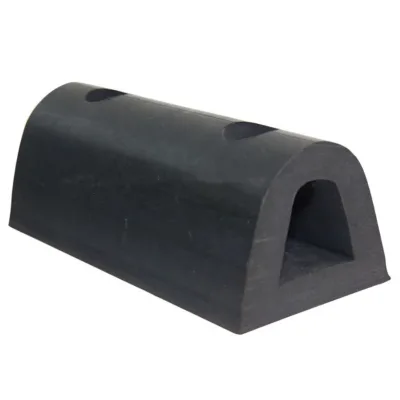
Observed listing signals also highlight the importance of structural attributes such as "D Style" shapes and floating versus solid configurations. These design elements directly impact how the fender interacts with the dock or hull, influencing the distribution of impact forces. Additionally, the availability of customization in packing, color, and shape is a significant market feature, allowing buyers to tailor products to specific logistical or branding needs. The presence of OEM/ODM services indicates that many manufacturers are equipped to produce bespoke solutions, which is particularly relevant for large shipyards or specialized marine operators with unique docking infrastructure.
Technical Specifications to Verify
When evaluating technical specifications, buyers must verify the shore hardness of the EPDM rubber, as this property determines the fender's ability to absorb energy without permanent deformation. Observed data indicates hardness ranges of 5565 and 7080 Shore A, which cater to different impact scenarios; softer compounds are generally better for delicate hulls, while harder compounds offer greater durability against abrasive surfaces. It is essential to confirm that the specified hardness aligns with the vessel's docking speed and the expected frequency of contact, as mismatched hardness can lead to insufficient protection or excessive rebound forces.
Structural integrity and accessory compatibility are also critical technical factors to verify. Buyers should inspect whether the fender is designed as a solid or floating unit, as this affects installation methods and long-term performance. The inclusion of necessary accessories such as nuts, bolts, and washers is a key detail, as missing hardware can delay installation and compromise safety. Furthermore, the ability to strictly follow specific dimensions is a valuable specification for custom installations, ensuring that the fender fits precisely within the designated mounting points on the dock or vessel.
Compliance and Safety Documentation
Compliance with international and regional standards is non-negotiable for marine safety equipment, and buyers must verify that suppliers hold relevant certifications such as ISO9001, CE, CCC, BV, CCS, DNV, and ABS. These certifications indicate that the manufacturer adheres to rigorous quality management systems and product safety standards, which is crucial for insurance and regulatory approval in many jurisdictions. The presence of multiple certification bodies suggests that the supplier is capable of meeting diverse regulatory requirements, making them a more versatile partner for global procurement.
In addition to certifications, buyers should request documentation related to material testing and performance validation. Standards such as ISO 17357 and ASTM D2000 provide frameworks for evaluating rubber properties, although buyers should verify if the supplier's specific products have been tested against these or equivalent standards. The warranty period, often cited as 3 years, serves as a manufacturer's guarantee of product longevity, but buyers should clarify the terms and conditions of this warranty to understand what constitutes valid coverage versus normal wear and tear.
Cost Drivers and Commercial Terms
Cost drivers for Black EPDM Marine Boat Fenders include the raw material costs of EPDM rubber, the complexity of the molding process, and the level of customization required. Suppliers offering factory direct sales and customization services may provide competitive pricing, but buyers should be aware that custom shapes, colors, or packing requirements can increase production costs and lead times. The observed delivery time of 15 days for standard orders provides a baseline for planning, but buyers should confirm if expedited shipping options are available and what additional costs they entail.
Commercial terms such as MOQ and supply ability are also significant factors in total cost of ownership. With a supply ability of 9000 pieces per month, suppliers can handle large orders, but buyers should verify if this capacity is consistent during peak seasons. The availability of free samples is a valuable commercial term that allows buyers to test product quality before committing to a large purchase, reducing the risk of receiving substandard goods. Buyers should negotiate terms that include clear definitions of packaging standards, such as standard paper cartons or wood pallets, to ensure safe transit and minimize damage during shipping.
Supplier Qualification and Quality Control
Supplier qualification should begin with a thorough review of the manufacturer's production capabilities and quality control processes. Buyers should verify that the supplier has experience in marine parts manufacturing and possesses the necessary equipment for molding and cutting EPDM rubber. The location of the factory, whether in Xingtai City, Hebei Province, Beijing, or Shandong, can impact logistics costs and lead times, so buyers should consider the proximity to their port of entry when evaluating potential suppliers.
Quality control measures should include rigorous testing for pressure and energy absorption, as well as wear resistance, which is claimed to be 100% in some listings. Buyers should request test reports or certificates of analysis to validate these claims, ensuring that the fenders can withstand the expected operational stresses. Additionally, buyers should assess the supplier's ability to provide consistent quality across batches, as variations in material density or curing times can affect the performance of the fenders. Establishing a clear communication channel for addressing quality issues is also essential for maintaining long-term supplier relationships.
Long-Term Procurement Checks
Long-term procurement checks should focus on the supplier's ability to maintain consistent quality and service over time. Buyers should monitor the supplier's response to any quality issues or delays, as these can indicate underlying problems in production or management. Regular audits of the supplier's facilities and quality control processes can help ensure that standards are maintained and that any deviations are addressed promptly. Building a relationship with a reliable supplier can lead to better pricing, priority production, and improved support for future procurement needs.
Buyers should also stay informed about changes in marine regulations and industry standards that may affect the requirements for boat fenders. As regulations evolve, suppliers may need to update their products or certifications to remain compliant, so buyers should choose partners who are proactive in adapting to these changes. Additionally, buyers should consider the lifecycle cost of the fenders, including maintenance and replacement needs, when evaluating the total value of the procurement. By focusing on long-term reliability and compliance, buyers can ensure that their marine operations remain safe and efficient.
FAQs
What certifications do the rubber fenders hold?
The rubber fenders hold ISO9001, CE, CCC, BV, CCS, Dnv, and ABS certifications. These documents verify compliance with international quality and safety standards for marine applications.
Can I customize the shape and color of the fenders?
Yes, customization is available for a variety of shapes including D Style and solid structures. Colors such as black, white, blue, and marine-grade red can be selected to meet specific requirements.
What is the minimum order quantity for these fenders?
The minimum order quantity can be as low as one piece for some items. Other specifications may require a minimum of 1000 meters depending on the specific product model and configuration.
How long is the delivery time for these marine parts?
The standard delivery time is approximately 15 days from order confirmation. This timeline applies to factory direct sales and customized orders processed in China.
Which materials are used to manufacture these fenders?
These fenders are manufactured using high-quality rubber materials including natural rubber. The production process involves moulding and cutting to ensure durability and wear resistance.
What is the warranty period for the dock fenders?
The warranty period for these dock fenders is three years. This coverage ensures reliability for trade, ship launching, and docking protection applications.
Can I get free samples before placing a bulk order?
Free samples are available for evaluation before committing to a bulk purchase. This allows buyers to verify the quality and specifications of the rubber fenders.