Source Black EPDM Mounting Rubber for Industrial, Medical, and HVAC Applications
Find 30 listings for Black EPDM Mounting Rubber suitable for industrial, medical, and HVAC equipment. Compare anti-vibration features, tensile strength, and custom dimensions to select the right seal for your specific engineering needs.
Key considerations
Products List


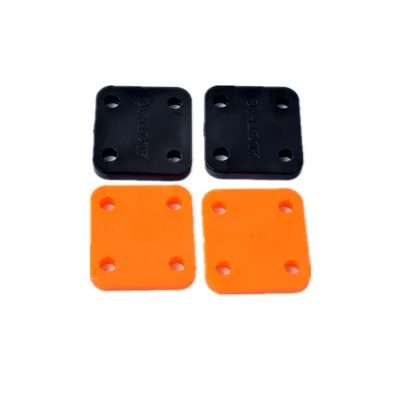


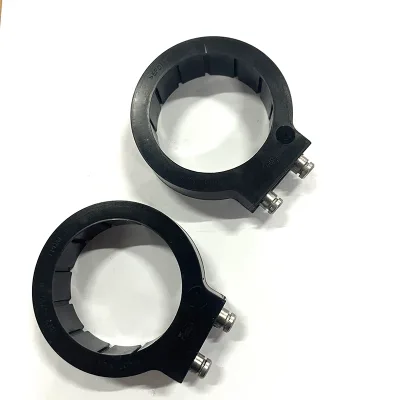


Comprehensive Sourcing Guide
Black EPDM Mounting Rubber Sourcing Guide
Sourcing Black EPDM Mounting Rubber requires a disciplined approach that balances material performance with commercial flexibility. Ethylene Propylene Diene Monomer (EPDM) is a synthetic rubber known for its exceptional resistance to weathering, ozone, and water, making it a preferred choice for applications where environmental durability is critical. The black coloration typically indicates the presence of carbon black, which enhances tensile strength and UV resistance, though buyers must verify that the specific compound meets their mechanical load requirements. This guide outlines the essential verification steps, technical parameters, and commercial considerations necessary to secure a reliable supply chain for these components.
Procurement teams must navigate a market where customization is the norm rather than the exception. Most suppliers offer OEM and ODM services, allowing for precise tailoring of dimensions, hardness, and shape to fit specific machinery or structural needs. The observed market signals indicate a wide range of product names, from "Rubber Mount" to "Sealing Strip" and "O-Ring," suggesting that buyers should focus on functional specifications rather than generic product titles. Understanding these nuances ensures that the selected supplier can deliver parts that integrate seamlessly into existing assemblies without requiring costly redesigns or secondary machining operations.
Product Scope and Observed Listing Signals
The current market landscape for Black EPDM Mounting Rubber is characterized by high variability in product naming and application scope. Listings frequently describe these components under broad categories such as "Custom Rubber Parts," "Equipment Seal," or "Anti Vibration" mounts. This diversity reflects the material's versatility across multiple industries, including industrial machinery, HVAC systems, medical equipment, and automotive applications. Buyers should recognize that a single supplier may offer a wide array of shapes, including O-rings, serrated gaskets, and custom molded mounts, all derived from the same base EPDM compound but tailored to distinct functional roles.
Observed listing signals reveal that customization is a primary driver in this category. Suppliers explicitly state that product models, dimensions, and packing methods are determined by customer requests or drawings. This implies that off-the-shelf inventory may be limited, and most orders will involve custom tooling or specific molding processes. The presence of attributes like "According to customer's request" for standards and models indicates that buyers must provide detailed technical specifications upfront. Furthermore, the availability of various colors, including black, white, yellow, red, and grey, suggests that while black is standard for UV resistance, aesthetic or identification requirements may necessitate alternative compounds or additives.
Technical Specifications to Verify
Verifying the technical specifications of Black EPDM Mounting Rubber is critical to ensuring long-term performance under operational stress. Key attributes to confirm include tensile strength, elongation at break, and working temperature range. Reliable EPDM compounds typically exhibit a tensile strength of at least 17 MPa and an elongation at break of 300% or higher, ensuring the material can withstand significant deformation without failure. The working temperature range is another vital parameter, with standard EPDM performing well between -40°C and 230°C, making it suitable for both cold storage environments and moderate heat applications. Buyers must request test reports or material data sheets to validate these figures against their specific operational conditions.
Hardness and dimensional accuracy are equally important for mounting applications. The hardness of rubber mounts is typically measured in Shore A degrees, with common ranges spanning from 20 to 90 degrees. Softer compounds provide better vibration damping, while harder compounds offer greater load-bearing capacity. Dimensional tolerances should be strictly defined, as even minor deviations can affect the fit and function of the mount. Suppliers often state that dimensions are "according to drawing," which places the onus on the buyer to provide precise CAD files or technical sketches. Additionally, the processing service, such as molding, should be confirmed to ensure the manufacturing method aligns with the complexity of the part geometry.
Compliance and Safety Documentation
Compliance and safety documentation form the backbone of a trustworthy procurement process for rubber components. While specific certifications may vary by supplier, ISO certification is a common baseline indicator of quality management systems. Buyers should verify that the supplier holds valid ISO certificates and inquire about additional industry-specific standards, such as ASTM D2000 or ISO 1629, which govern rubber material classification and testing. These standards provide a framework for evaluating material properties, ensuring that the EPDM compound meets recognized benchmarks for durability and consistency.
In addition to general quality certifications, buyers must assess the safety and regulatory compliance of the rubber compound, particularly for applications in medical, automotive, or food-adjacent industries. Although the supplied facts do not specify food-grade or medical-grade compliance, buyers should explicitly ask if the black EPDM compound is free from harmful substances like phthalates or heavy metals. For industrial and HVAC applications, flame retardancy and ozone resistance certifications may be required. Requesting a Certificate of Analysis (CoA) for each batch ensures that the material properties remain consistent over time, reducing the risk of premature failure in the field.
Cost Drivers and Commercial Terms
Understanding the cost drivers and commercial terms is essential for effective budgeting and negotiation. The price of Black EPDM Mounting Rubber is influenced by several factors, including the complexity of the mold, the volume of the order, and the specific compound formulation. Custom molds represent a significant upfront cost, which may be amortized over larger production runs. Buyers should clarify whether mold costs are included in the unit price or charged separately, and whether the mold ownership transfers to the buyer upon payment. Additionally, the hardness and density of the rubber can affect material costs, with specialized compounds commanding higher prices.
Commercial terms such as Minimum Order Quantity (MOQ), lead times, and payment terms also play a crucial role in the procurement strategy. Observed MOQs can range from as low as 1 unit to several thousand, depending on the supplier's capabilities and the part's complexity. Lead times typically span 7 to 15 days for production, excluding mold creation time, which can add weeks to the timeline. Buyers should negotiate clear delivery schedules and penalty clauses for delays. Packaging requirements, such as wooden boxes or custom packaging, may also impact shipping costs and should be specified early in the negotiation process to avoid unexpected expenses.
Supplier Qualification and Quality Control
Supplier qualification is a critical step in mitigating supply chain risks. Buyers should prioritize suppliers with a proven track record in rubber manufacturing, ideally those with decades of industry experience. The presence of a "30 Year" supplier attribute in some listings suggests that longevity in the market can be an indicator of reliability and technical expertise. However, buyers must conduct thorough due diligence, including site audits or third-party inspections, to verify the supplier's manufacturing capabilities and quality control processes. Assessing the supplier's ability to handle OEM and ODM requests is also important, as it reflects their flexibility and technical support capacity.
Quality control measures should be integrated into the procurement contract to ensure consistent product quality. Buyers should define clear acceptance criteria, including visual inspections, dimensional checks, and mechanical testing. Requesting pre-production samples is a standard practice to validate the mold and material before full-scale production. During production, in-process inspections can help identify defects early, reducing waste and rework costs. Post-production, random sampling and testing should be conducted to verify that the final products meet the specified technical parameters. Establishing a robust quality control framework ensures that the Black EPDM Mounting Rubber performs as expected in its intended application.
Long-Term Procurement Checks
Long-term procurement success depends on continuous monitoring and relationship management. Buyers should establish regular review cycles to assess supplier performance, including on-time delivery rates, product quality consistency, and responsiveness to issues. Tracking key performance indicators (KPIs) helps identify trends and areas for improvement, allowing for proactive adjustments to the supply chain strategy. Maintaining open communication with the supplier fosters collaboration and can lead to cost-saving innovations or process improvements over time. Regular feedback loops ensure that both parties remain aligned on quality expectations and delivery schedules.
Additionally, buyers should periodically re-evaluate the technical specifications and market conditions to ensure continued suitability of the Black EPDM Mounting Rubber. As application requirements evolve, material properties or design features may need to be updated. Staying informed about new rubber compounds or manufacturing technologies can provide competitive advantages. Building a diversified supplier base can also mitigate risks associated with single-source dependencies. By implementing these long-term checks, buyers can secure a resilient and efficient supply chain for their rubber component needs, ensuring sustained operational reliability and cost-effectiveness.
FAQs
What materials are used for Black EPDM Mounting Rubber?
Black EPDM Mounting Rubber is primarily made from EPDM material. Other options like NBR, SBR, FKM, Silicone, and NR are also available depending on specific application needs and customization requests.
Can I get custom dimensions for Black EPDM Mounting Rubber?
Yes, custom dimensions are available according to customer drawings and requirements. The product model and size can be tailored to fit specific engineering needs rather than using standard fixed sizes.
What is the minimum order quantity for Black EPDM Mounting Rubber?
The minimum order quantity varies, with observed values ranging from 1 to 5000 units. Some specific listings indicate an MOQ of 100 units, while others may accept smaller trial orders.
How long is the delivery time for Black EPDM Mounting Rubber?
The standard delivery time is typically between 7 to 15 days. This lead time applies to customized orders processed by manufacturers located in Hebei, China, following the receipt of payment.
Which certifications do Black EPDM Mounting Rubber suppliers hold?
Suppliers often hold ISO certifications for their production processes. Products may also adhere to standards like AS568, BS1806, JISB2401, and ISO3601 depending on the specific manufacturer and product type.
What is the working temperature range for Black EPDM Mounting Rubber?
The working temperature range extends from -40 to 230 degrees Celsius. This wide range ensures performance in various environments including industrial, automotive, and medical equipment applications.
Do you offer OEM or ODM services for Black EPDM Mounting Rubber?
Yes, OEM and ODM services are accepted for Black EPDM Mounting Rubber. Manufacturers support customization of product models, packing, and standards according to the specific requests of the buyer.