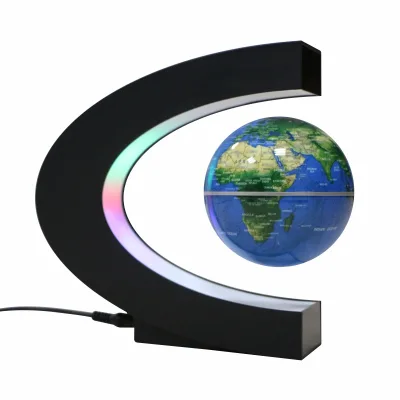
Source Black Frame Magnetic Levitation Globe for Gifts
Compare 30 listings for the Black Frame Magnetic Levitation Globe from verified suppliers. Buyers can evaluate specifications, pricing, and certifications for business gifts, home decor, and promotional items. Detailed product attributes include model numbers, power sources, and package sizes to ensure the right selection for your needs.
Key considerations
Products List
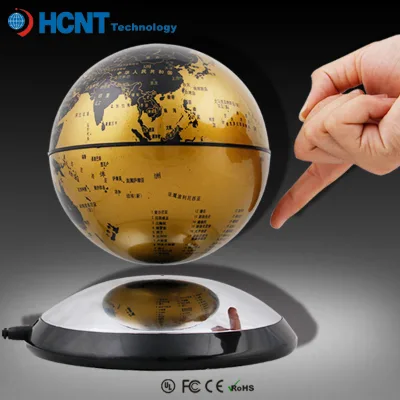
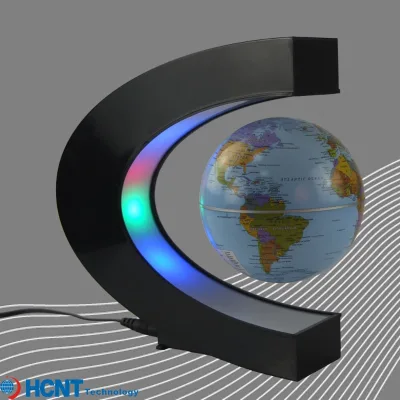
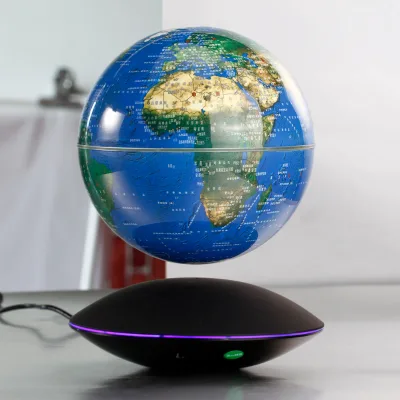
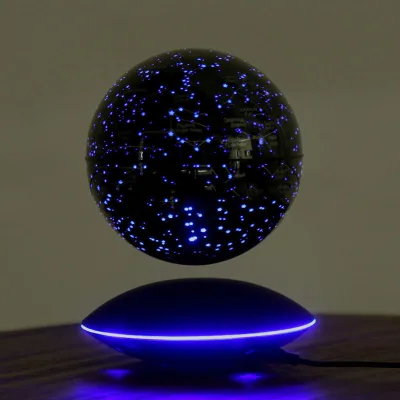
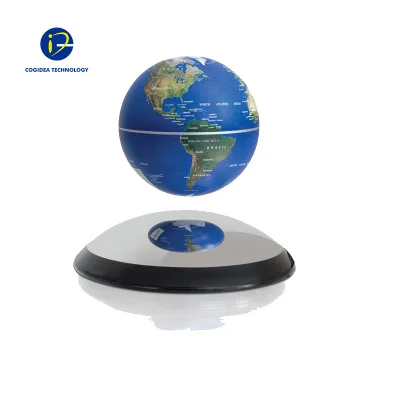
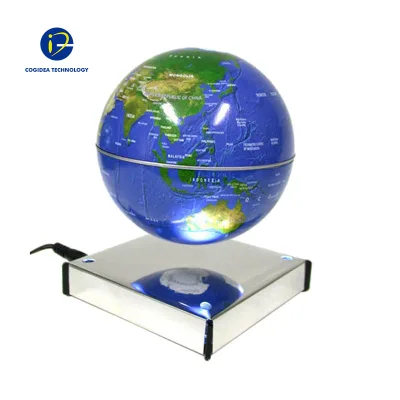
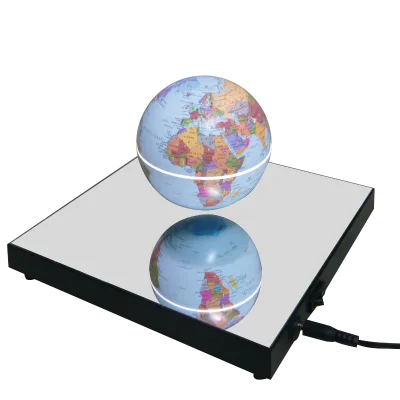
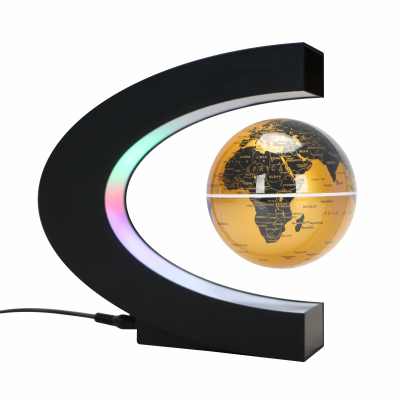
Worldwide Regional Feature and Friendship and Good Luck Theme Magnetic Floating Globe
$28.19 - $34.46
MOQ: 1 pieces

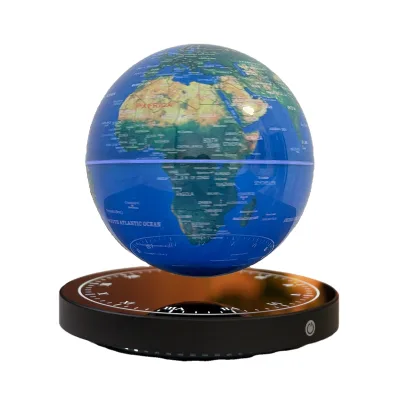
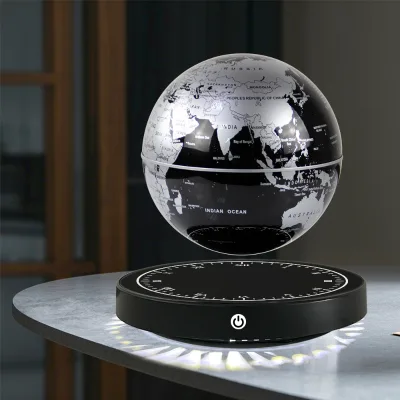
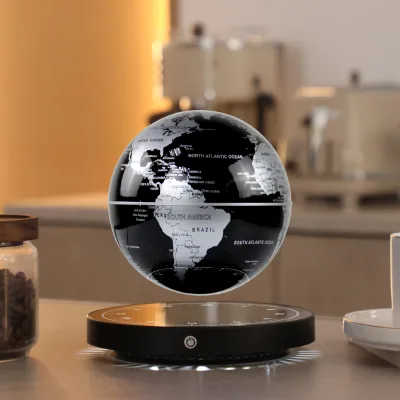


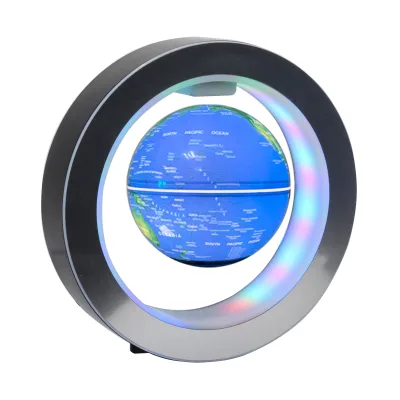
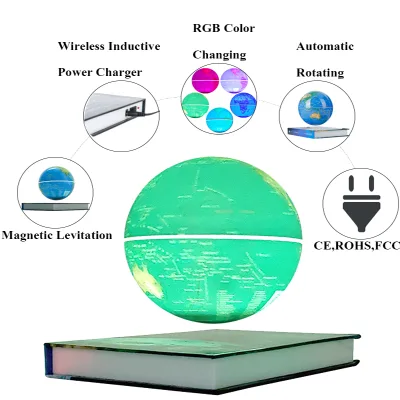
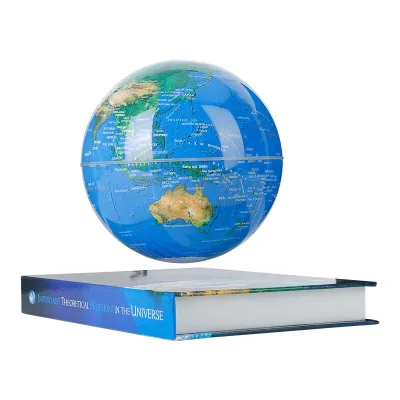


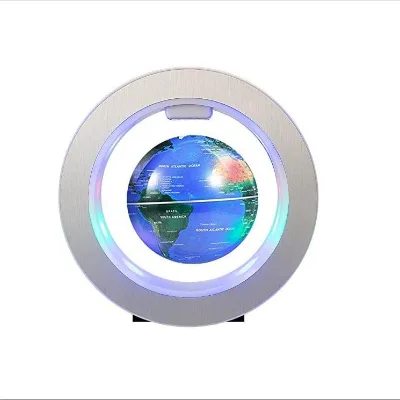

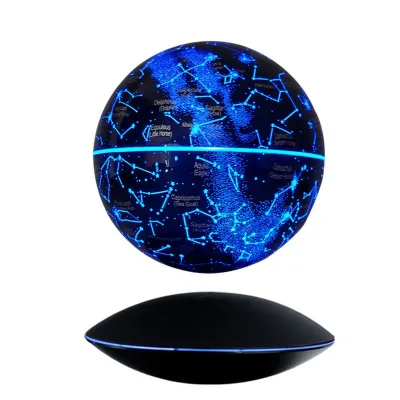
Customizable Magnetic Levitation Globe Display Stand for Gift Decoration
$20.00 - $40.00
MOQ: 2 Pieces

Comprehensive Sourcing Guide
Black Frame Magnetic Levitation Globe Sourcing Guide
Procuring black frame magnetic levitation globes requires a nuanced understanding of both aesthetic customization and the underlying magnetic suspension technology. Buyers must distinguish between standard decorative units and those designed for specific branding or corporate gifting scenarios. The visual appeal of a black frame often serves as a modern, minimalist accent for office desks or executive lounges, making it a popular choice for high-end business gifts. However, the functional integrity of the levitation system is paramount, as any instability can undermine the product’s perceived value. Sourcing decisions should therefore balance the visual customization options with the technical reliability of the magnetic base, ensuring that the final product meets both aesthetic expectations and functional performance standards.
The market for these items is diverse, ranging from simple promotional giveaways to complex, patented collectible art pieces. Buyers need to assess whether their procurement goal is volume distribution or premium positioning, as this dictates the required quality tier. While some suppliers offer basic models with standard power adapters, others provide advanced systems with specific patent protections and enhanced stability features. Understanding the specific use case, whether it is for holiday decoration, art collection, or corporate branding, helps in narrowing down the supplier pool. It is essential to verify that the chosen model aligns with the intended application, ensuring that the levitation gap and globe size are appropriate for the target audience’s expectations and usage environment.
Product Scope and Observed Listing Signals
The observed product landscape includes various models such as the M005B series, which come in different sizes like S and M, and specific variants like M005B-6 with a 6-inch globe diameter. Listings indicate a wide range of material compositions, primarily plastic, with color options extending beyond black to include gold, blue, and black finishes. The packaging varies significantly, from simple gift boxes to more robust 4PS foam and carton combinations, reflecting different shipping and protection needs. Buyers should note that while some listings emphasize eco-friendly features, others highlight custom logo capabilities or OEM/ODM design services, indicating a flexible supply chain capable of adapting to specific brand requirements.
Observed specifications reveal a single package size range from 15x15x2 cm for smaller units to 25x24x22 cm for larger, more complex models. The gross weight also varies, with some items weighing up to 3.0 kg, which impacts shipping costs and handling requirements. The levitation gap is typically around 2.5 cm, a critical dimension for ensuring the globe floats securely without excessive wobble. Additionally, the power adapter specifications, such as AC110-240V or DC 15V 1A, are crucial for international compatibility. Buyers must carefully review these physical and electrical attributes to ensure they match the logistical and operational constraints of their target markets, avoiding surprises during customs clearance or end-user setup.
Technical Specifications to Verify
Verifying the power source and adapter compatibility is the first critical technical step. The supplied data indicates options for AC110-240V and DC 15V 1A inputs, which must match the electrical standards of the destination country. Buyers should confirm whether the adapter is included and if it meets local safety plugs and voltage regulations. The base size, noted as 17x4.3 cm for some models, provides stability, but the overall footprint must be considered for desk space planning. Ensuring that the power supply is reliable and certified prevents overheating or failure, which are common complaints in low-quality magnetic levitation products. This verification step is essential for maintaining product reliability and reducing after-sales support burdens.
The globe’s physical dimensions and material composition also require close scrutiny. Models like the M005B-6 feature a 6-inch diameter globe, while others may be smaller. The material is typically plastic, but the finish and durability can vary. Buyers should request samples to assess the weight distribution and the smoothness of the rotation, which is often achieved through rotational techniques. The levitation gap of 2.5 cm is a standard metric, but consistency across units is vital. Any deviation can lead to instability or collision with the base. Additionally, the single gross weight, ranging from 1.65 kg to 3.0 kg, affects shipping logistics and must be factored into the total landed cost calculations.
Compliance and Safety Documentation
Certification is a non-negotiable aspect of sourcing electronic levitation devices. The supplied facts list ROHS, FCC, and CE certifications, which are critical for market access in Europe, North America, and other regulated regions. Buyers must verify that these certifications are valid and specific to the model being purchased, as counterfeit or outdated certificates are a risk in some supply chains. The CE mark indicates conformity with health, safety, and environmental protection standards, while FCC certification ensures the device does not interfere with other electronic equipment. ROHS compliance confirms that the product is free from hazardous substances, which is increasingly important for eco-conscious consumers and corporate procurement policies.
Beyond certifications, buyers should inquire about the patent status of the magnetic levitation system. The data mentions USA and China patents, suggesting that some suppliers have proprietary technology. This can be a significant advantage, ensuring that the product is not a generic knock-off and may offer better performance or stability. However, buyers must also ensure that their own distribution does not infringe on these patents, especially if they are planning to sell in multiple jurisdictions. Requesting copies of the patent certificates and certification documents from the supplier is a prudent step. This documentation not only ensures legal compliance but also adds value to the product when marketing it as a premium, legally protected item.
Cost Drivers and Commercial Terms
The minimum order quantity (MOQ) is a significant commercial factor, with observed ranges from 1 piece to 5000 pieces. This flexibility allows buyers to start with small test orders or scale up for large promotional campaigns. However, lower MOQs often come with higher per-unit costs, while bulk orders may offer volume discounts. Buyers should negotiate based on their projected sales volume and storage capacity. The sample time of 3-5 days is relatively quick, facilitating rapid prototyping and quality checks before committing to large orders. Understanding the pricing structure, including any fees for custom logos or OEM designs, is essential for accurate budgeting.
Shipping and packaging costs are also major cost drivers. The single package size and gross weight vary, affecting freight charges. For instance, a 3.0 kg item with a 25x24x22 cm package will incur higher shipping costs than a lighter, more compact unit. Buyers should consider using sea freight for large orders to reduce costs, but this will increase lead times. The warranty period, typically one year, should be clearly defined in the contract, including the process for handling defective units. Additionally, the option to add a custom logo, although some listings state "no," should be clarified, as branding can significantly enhance the product’s value for corporate clients. Clear commercial terms prevent disputes and ensure a smooth transaction.
Supplier Qualification and Quality Control
Supplier qualification begins with verifying their place of origin and manufacturing capabilities. The data indicates that products originate from Guangdong, China, a hub for electronics and manufacturing. Buyers should assess the supplier’s production capacity and quality control processes. Requesting factory audits or third-party inspection reports can provide insights into their operational standards. The brand name, such as HCNT Technology or HCNT, should be checked for reputation and customer feedback. A supplier with a strong track record is more likely to deliver consistent quality and adhere to agreed-upon specifications. This due diligence helps mitigate the risk of receiving substandard products or facing delays.
Quality control should include rigorous testing of the levitation function and electrical safety. Buyers should specify acceptance criteria for the levitation gap, rotation smoothness, and base stability. Sampling is crucial, especially for the first order, to verify that the product meets all technical and aesthetic requirements. The sample time of 3-5 days allows for quick iteration if adjustments are needed. Additionally, buyers should establish a clear communication channel with the supplier for addressing any issues that arise during production. Regular quality checks and feedback loops ensure that the final product aligns with the buyer’s expectations. This proactive approach to quality control minimizes the risk of returns and enhances customer satisfaction.
Long-Term Procurement Checks
Long-term success in sourcing magnetic levitation globes depends on continuous monitoring of supplier performance and market trends. Buyers should regularly review supplier delivery times, product quality, and responsiveness to issues. Building a strong relationship with the supplier can lead to better pricing, priority production, and access to new models. Staying informed about technological advancements in magnetic levitation can help buyers stay competitive. For instance, newer models may offer improved stability, longer lifespans, or enhanced aesthetic features. Buyers should also monitor regulatory changes in their target markets, ensuring that their products remain compliant with evolving safety and environmental standards.
Customer feedback is another critical component of long-term procurement strategy. Collecting and analyzing feedback from end-users can provide valuable insights into product performance and areas for improvement. This information can be shared with the supplier to drive product enhancements and innovation. Additionally, buyers should consider the sustainability of the product lifecycle, including packaging waste and end-of-life disposal. Eco-friendly features, as mentioned in some listings, can be a selling point for environmentally conscious consumers. By focusing on continuous improvement and customer satisfaction, buyers can build a loyal customer base and ensure the long-term viability of their procurement strategy.
FAQs
What certifications do the magnetic levitation globes have?
The products hold ROHS, FCC, and CE certifications for safety and compliance. These standards ensure the electronic components meet international regulations. Buyers can verify these documents before placing bulk orders for business gifts or home decoration purposes.
How large is the globe included in the standard package?
The globe size is 6 inches in diameter, which equals 14 centimeters. This specific dimension fits well within the single package size of 25 by 24 by 22 centimeters. The base measures 17 by 4.3 centimeters to support the levitation gap of 2.5 centimeters.
Can I customize the logo on the magnetic floating globe?
Customized logos are available for certain models like the M005B series. However, some specific variants do not support logo addition. Buyers should confirm customization options with the supplier before finalizing the order for promotional or business gift applications.
What is the minimum order quantity for this product?
The minimum order quantity starts at just one piece for single items. Bulk orders can range up to 5000 pieces depending on the specific model selected. This flexible MOQ allows small businesses to test the market before committing to larger inventory purchases.
Which power adapter is required for the levitation system?
The system requires an AC110-240V input with a DC 15V 1A adapter. This power source ensures stable magnetic levitation for the globe. The electric power source is essential for maintaining the 2.5 centimeter gap between the base and the rotating globe.
Where are these magnetic globes manufactured and shipped from?
All products originate from Guangdong, China, where the manufacturing facilities are located. The single gross weight varies between 1.650 kg and 3.0 kg depending on the packaging. This location supports efficient shipping for global markets seeking art and collectible items.