Source Black Front Bumper Assembly with Daytime Running Lights for Porsche, VW, and Nissan
Compare 30 listings for a Black Front Bumper Assembly with Daytime Running Lights suitable for Porsche 718, Volkswagen, and Nissan vehicles. Buyers can evaluate specifications, certifications, and pricing to find the right automotive part.
Key considerations
Products List
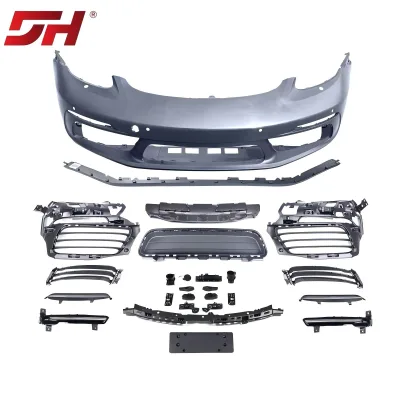


PP High-Quality Optional Daytime Running Light Durable Front Position Lamp
$176.00 - $181.00
MOQ: 6 Pieces
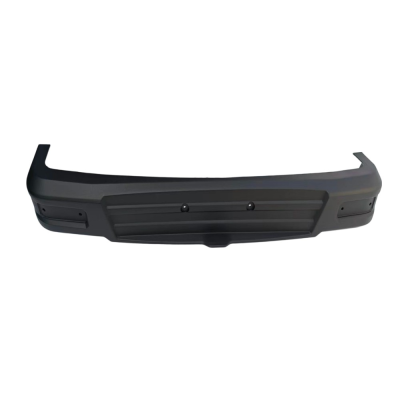
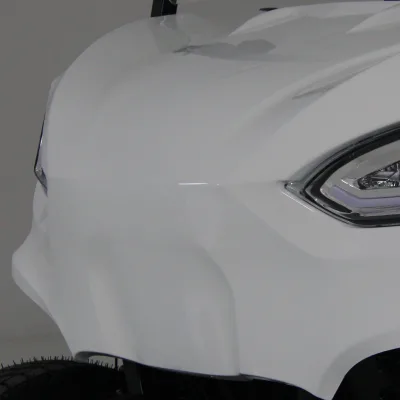


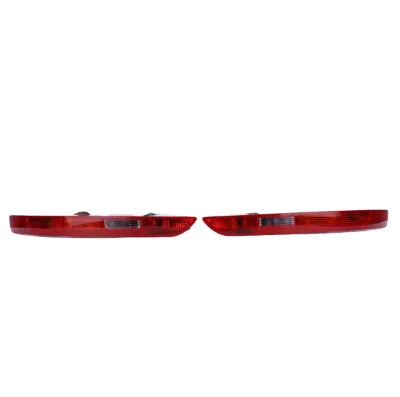

Auto Parts Front Bumper Lights Universal Fog Lights for off-Road Vehicles
$56.50 - $95.80
MOQ: 1 Pairs


High-Quality & Durable Front Bumper Made in China with Competitive Price
$100.00 - $399.00
MOQ: 1 Pieces
Comprehensive Sourcing Guide
Strategic Sourcing Guide for Black Front Bumper Assemblies with Daytime Running Lights
The automotive aftermarket and original equipment manufacturing (OEM) sectors rely heavily on the procurement of durable, aesthetically consistent, and functionally integrated body components. Among these, the black front bumper assembly with integrated daytime running lights (DRLs) represents a critical intersection of structural safety, vehicle styling, and lighting compliance. For procurement professionals, sourcing this specific component requires a disciplined approach that distinguishes between structural bumper requirements and the electrical integration of lighting systems. The following guide outlines the essential technical, compliance, and logistical factors necessary for a successful sourcing strategy, grounded in verified market observations and industry standards.
Technical Specifications and Material Composition
When evaluating a black front bumper assembly, the primary technical differentiator lies in the material composition and the integration of lighting elements. Market data indicates that Polypropylene (PP) is the predominant material used for the structural body of these bumpers. PP offers an optimal balance of impact resistance, flexibility, and weight reduction, which is essential for maintaining fuel efficiency and meeting crash safety standards. The "black" finish is typically achieved through masterbatch coloring during the injection molding process, ensuring color consistency that resists fading under UV exposure.
A critical technical aspect of the "front bumper assembly with daytime running lights" is the electrical architecture. Unlike a standard bumper, this component requires a seamless integration of LED modules. The supplied product data highlights specific attributes such as a 12V operating voltage and an H5W base type, which are common standards for automotive lighting applications. The DRLs must function as a distinct lighting unit, often requiring a specific waterproof rating to ensure reliability in adverse weather conditions. Buyers must verify that the LED components are rated for the specific operating temperature range of the vehicle's environment, typically spanning from -40°C to +120°C, to prevent premature failure due to thermal stress.
Furthermore, the physical dimensions of the assembly are non-negotiable. The single package size for such components can vary significantly, with observed specifications ranging from compact dimensions of 300200180mm to larger configurations like 200X72X60 cm for bulk packaging. The weight of the individual unit is also a key metric; while the structural bumper may weigh significantly more, the lighting module itself is often lightweight, with observed weights as low as 0.1kg to 0.2kg for the electronic components. Procurement teams must ensure that the "OEM Standard Size" is strictly adhered to, as deviations can lead to fitment issues with the vehicle's chassis and radiator support.
Compliance and Certification Verification
Navigating the regulatory landscape is perhaps the most complex aspect of sourcing automotive parts. The front bumper assembly and its integrated lighting system must comply with a diverse array of international certifications depending on the target market. The observed product data lists a comprehensive set of certifications, including CCC (China Compulsory Certification), E-mark, DOT (Department of Transportation), GOST, SONCAP, PVOC, NRCS, GCC, ARAI, TUV, and GS. These certifications are not merely marketing labels; they are legal requirements for market access in their respective regions.
For instance, the E-mark is mandatory for vehicles sold in Europe, while DOT certification is required for the United States market. The CCC certification is essential for products manufactured in or imported into China. Buyers must verify that the supplier holds valid, current certificates for the specific jurisdictions where the vehicles will be registered. It is crucial to note that the presence of a certification like "CCC" does not automatically imply compliance with "TUV" or "GS" standards; each certification represents a distinct testing protocol and regulatory body.
Additionally, the lighting components must meet specific photometric standards. The integration of DRLs requires that the light output, color temperature, and beam pattern adhere to strict regulations to ensure driver visibility without blinding oncoming traffic. While the supplied data mentions "Waterproof" resistance, buyers should request specific IP rating documentation (e.g., IP67 or IP68) to confirm the ingress protection level against dust and water. The absence of specific test data in general listings means that procurement teams must demand third-party test reports for every batch of lighting components to validate these claims.
Cost Drivers and Pricing Dynamics
The pricing of a black front bumper assembly with DRLs is influenced by a complex matrix of factors, including material costs, certification fees, and the complexity of the electrical integration. The observed price range in the market is extensive, spanning from $0.68 to $1500. This wide variance reflects the difference between simple replacement parts and fully integrated, high-quality assemblies with advanced lighting technology.
Several key drivers contribute to these costs. First, the material cost of high-grade PP and the specific additives required for UV stability and impact resistance plays a significant role. Second, the cost of the LED modules and the associated wiring harnesses adds a substantial premium, particularly if the lights are integrated into the bumper housing rather than being a separate add-on. Third, the cost of obtaining and maintaining multiple international certifications (E-mark, DOT, TUV, etc.) is often passed on to the buyer, especially for smaller order quantities.
The Minimum Order Quantity (MOQ) is another critical cost driver. The observed MOQ range is 1 to 1000 units. Suppliers often offer lower unit prices for orders near the upper end of this range, but the initial investment for a single item or a small batch can be disproportionately high due to setup and certification costs. Buyers must balance the need for inventory against the capital tied up in stock. Additionally, the packaging method, whether "Carton/Wooden," "Carton/Pallet," or "Boxes," affects the shipping cost, which can be significant given the bulk and weight of bumper assemblies. The observed single gross weight of 40.000 kg for a package indicates that freight costs must be carefully calculated, as they can sometimes exceed the product cost itself for international shipments.
Typical Applications and Vehicle Compatibility
The versatility of the black front bumper assembly with DRLs is evident in its wide range of applications. The product data indicates compatibility with a vast array of car brands, including Volkswagen, WuLing, Benz, BMW, Hyundai, Honda, Toyota, Jeep, Nissan, Ford, Buick, Chery, Chevrolet, Cadillac, Geely, Roewe, Audi, Peugeot, Volvo, Mazda, and Kia. This broad compatibility suggests that these components are often designed as universal fitments or are produced in high volumes for specific popular models.
Specific model references, such as "for porsche 718," "Ranger," and "L7/L8/L9," highlight the importance of precise model matching. The "L7/L8/L9" designation often refers to specific vehicle series, possibly from manufacturers like Geely or other emerging brands, where the bumper design is unique to that generation. The "Ranger" reference points to Ford's popular pickup truck line, which requires a robust bumper capable of withstanding off-road conditions.
The "Position: Front" and "Application: Automotive Parts" attributes confirm that these are primary body components. The "Compatible Type: Naturally" suggests that the design allows for direct replacement without extensive modification, provided the OEM numbers match. Buyers must cross-reference the OEM numbers, such as "X03-28030060" or "X01-28730094," with the vehicle's service manual to ensure exact fitment. Mismatched OEM numbers can lead to installation failures, requiring additional labor costs and potential returns.
Supplier Evaluation and Selection Criteria
Selecting the right supplier is paramount to ensuring the quality and reliability of the sourced components. Given the diversity of the market, buyers should adopt a rigorous evaluation framework. The first step is verifying the supplier's location and manufacturing capabilities. The observed "Place of Origin: Guangdong, China" indicates a concentration of automotive parts manufacturing in this region, known for its supply chain efficiency. However, buyers should not assume that all suppliers from this location offer the same quality levels.
Key evaluation criteria include the supplier's ability to provide comprehensive documentation, including valid certification copies, material safety data sheets (MSDS), and detailed technical drawings. The "Condition: New" attribute is a basic requirement, but buyers must also verify the "Quality: High-Quality" claim through independent audits or sample testing. The "Customization: Available" attribute suggests that some suppliers can modify the bumper design or lighting configuration, which is valuable for niche markets or specific vehicle modifications.
Lead time is another critical factor. The observed "Delivery Time: 1-15 days" indicates a relatively quick turnaround, but this can vary based on order volume and stock availability. Buyers should clarify whether this lead time includes production time or is based on existing inventory. The "Selling Units: Single item" option allows for small-scale testing, but bulk orders should be negotiated with clear terms regarding production scheduling and quality assurance protocols.
Quality Control and Long-Term Procurement Considerations
Ensuring consistent quality is essential for maintaining brand reputation and customer satisfaction. The "Quality: High" and "Qaulity: High" attributes found in product listings are subjective and must be validated through objective quality control measures. Buyers should implement a multi-stage quality control process, starting with pre-shipment inspections and continuing with random sampling upon receipt.
Key quality checks should include visual inspections for color consistency, surface defects, and proper integration of the DRLs. Electrical testing is crucial to verify that the 12V system operates correctly and that the waterproofing is intact. The "Operating Temperature Range" must be tested under simulated conditions to ensure the lights do not fail in extreme heat or cold. Additionally, the structural integrity of the PP material should be tested for impact resistance, ensuring it meets the necessary safety standards for the target market.
Long-term procurement considerations involve building a sustainable supply chain. Buyers should prioritize suppliers who offer consistent quality over time and have the capacity to scale production as demand grows. The "Packaging Method" should be evaluated for its ability to protect the product during transit, especially given the "Single gross weight" and dimensions observed. Proper packaging, such as "Carton/Wooden" or "Carton/Pallet," is essential to prevent damage during shipping.
Finally, buyers should establish clear communication channels with suppliers regarding any changes in standards, certifications, or material compositions. The automotive industry is subject to frequent regulatory updates, and suppliers must be agile in adapting to these changes. By maintaining a proactive approach to quality control and supplier relationship management, buyers can ensure a steady supply of high-quality black front bumper assemblies with daytime running lights that meet all technical and regulatory requirements.
FAQs
What certifications are required for this bumper assembly?
The assembly must hold CCC, E-mark, DOT, GOST, SONCAP, PVOC, NRCS, GCC, ARAI, TUV, and GS certifications. These are legal requirements for market access in their respective regions and do not automatically imply compliance with all standards simultaneously.
Which material is used for the structural body of the bumper?
Polypropylene (PP) is the predominant material used for the structural body of these bumpers. It offers an optimal balance of impact resistance, flexibility, and weight reduction essential for maintaining fuel efficiency and meeting crash safety standards.
Can the product be customized for specific vehicle models?
Yes, customization is available for specific vehicle models. Buyers must cross-reference OEM numbers like X03-28030060 with the vehicle service manual to ensure exact fitment and avoid installation failures requiring additional labor costs.
How long is the typical delivery time for these parts?
The observed delivery time ranges from 1 to 15 days. This timeframe can vary based on order volume and stock availability, so buyers should clarify whether this includes production time or is based on existing inventory.
What is the minimum order quantity for purchasing these parts?
The minimum order quantity ranges from 1 to 1000 units. Suppliers often offer lower unit prices for orders near the upper end of this range, but the initial investment for small batches can be disproportionately high.
Which car brands are compatible with this bumper assembly?
The assembly is suitable for Volkswagen, WuLing, Benz, BMW, Hyundai, Honda, Toyota, Jeep, Nissan, Ford, Buick, Chery, Chevrolet, Cadillac, Geely, Roewe, Audi, Peugeot, Volvo, Mazda, and Kia. Compatibility depends on matching the specific OEM numbers and model designations.
What is the operating temperature range for the integrated lights?
The operating temperature range is typically from -40°C to +120°C. Buyers must verify that the LED components are rated for this specific range to prevent premature failure due to thermal stress in extreme weather conditions.