Source Black Walnut Epoxy Resin Table for Hotels, Homes, and Offices
Compare 30 listings for Black Walnut Epoxy Resin Table options featuring solid wood frames and modern designs. SourcingX helps you evaluate customizable sizes, resin hardness, and finishing styles like wax oil or UV lacquer for dining rooms, hotels, and apartments.
Updated
Key considerations
Products List

Epoxy Resin Blue Ocean Solid Walnut Wood Legs Black Gold Iron Dinning Tables
$258.00 - $298.00
MOQ: 2 Pieces

New design Modern Wood Resin Dining Hotel Design Wooden Oak River Epoxy Table
$386.00 - $566.00
MOQ: 2 Pieces


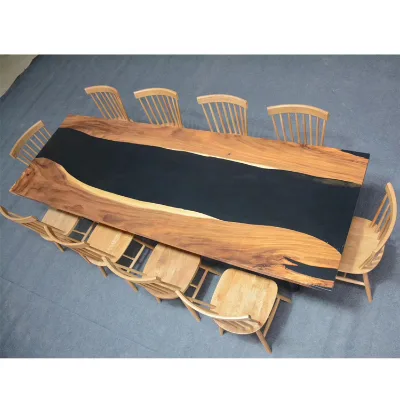
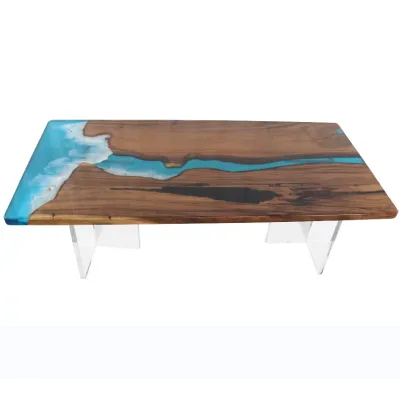
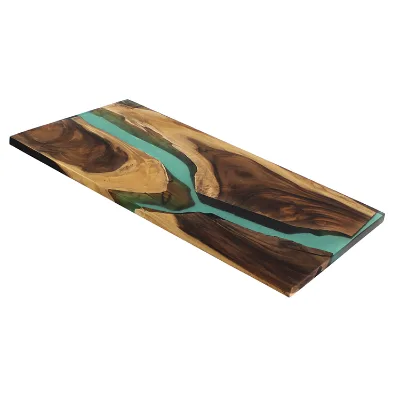
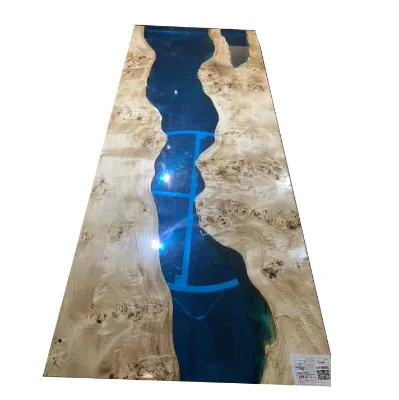
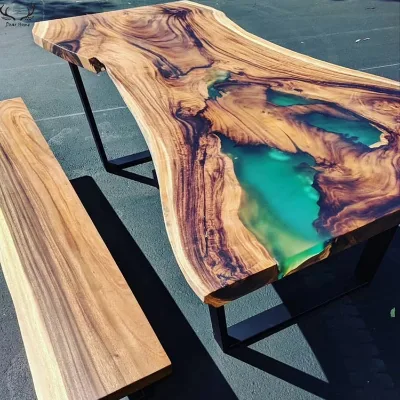


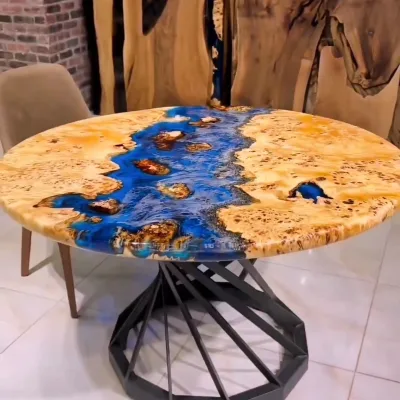

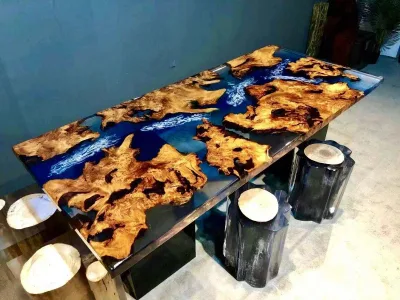



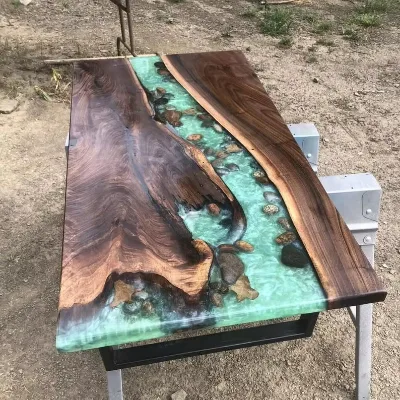
2020 Unique Epoxy Resin Wood Table Luxury Dining Table Walnut Slab Dining Table for Home and Hotel
$2840.0387 - $3045.2438
MOQ: 1 pieces




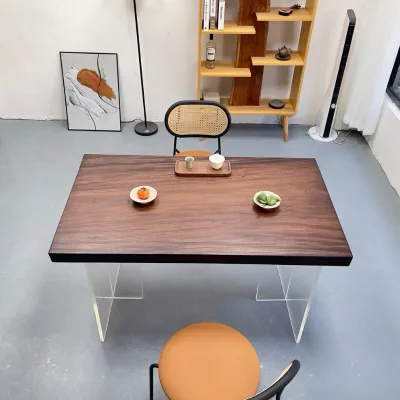
Comprehensive Sourcing Guide
Black Walnut Epoxy Resin Table Sourcing Guide
Sourcing black walnut epoxy resin tables requires balancing aesthetic precision with structural integrity, as these pieces serve as high-value focal points in residential and commercial interiors. Buyers must navigate a market where natural wood variations meet synthetic resin durability, ensuring that the final product meets both visual expectations and functional demands. The core challenge lies in verifying that the supplier can consistently deliver the rich, dark tones of black walnut while maintaining the clarity and hardness of the epoxy resin overlay.
Procurement teams should prioritize suppliers who demonstrate expertise in both woodworking and resin casting, as these are distinct skill sets that must converge seamlessly. The observed product landscape indicates a wide range of customization options, from standard rectangular forms to bespoke dimensions, allowing buyers to tailor pieces to specific spatial constraints. Understanding the interplay between the wood’s natural grain and the resin’s transparency is essential for defining quality benchmarks before initiating supplier negotiations or requesting samples.
Product Scope and Observed Listing Signals
The current market offers a diverse array of table styles, ranging from modern and contemporary designs to antique-inspired pieces, catering to varied interior decor preferences. Listings frequently highlight features such as convertible and modular structures, which add versatility for multi-purpose spaces like home offices, living rooms, and hotel lobbies. Buyers should note that while many products are described as new and customized, the specific application extends to dining rooms, apartments, and commercial hospitality settings, indicating broad utility.
Observed material compositions often combine solid wood frames with plastic or resin components, though the primary aesthetic driver remains the natural wood species. Suppliers frequently offer options in wood types such as walnut, teak, and maple, allowing for customization based on grain pattern and color depth. The presence of fixed structures alongside pre-drilled holes with metal inserts suggests a focus on stable assembly, while finishes like wax oil or UV lacquer provide protective layers that enhance the wood’s natural luster and durability.
Technical Specifications to Verify
Verifying the technical specifications of black walnut epoxy resin tables involves scrutinizing the resin’s physical properties, particularly its hardness and temperature resistance. Buyers should confirm that the resin achieves a minimum hardness of 3h and can withstand high temperatures up to 160 degrees, ensuring resistance to everyday wear and thermal shock. Transparency levels are also critical, with high-quality resins offering 90% or higher clarity to showcase the wood’s intricate grain without yellowing or clouding over time.
Dimensional accuracy and edge detailing are equally important, with standard sizes ranging from 350mm to 5000mm in length and varying widths and heights. Buyers must verify that the countertop edging is either flat or eased, as this affects both safety and aesthetic continuity. Additionally, the moisture content of the kiln-dried wood should be maintained between 8% and 12% to prevent warping, and the table legs should be constructed from durable materials like iron steel or stainless steel to support the substantial weight of the composite top.
Compliance and Safety Documentation
Compliance and safety documentation for epoxy resin furniture must address both material safety and structural stability, particularly for commercial applications. Buyers should request evidence that the resin used is non-toxic and meets relevant environmental standards, ensuring that off-gassing is minimized and the surface is safe for food-adjacent use in dining settings. Although specific certification names are not universally listed, verifying that the supplier adheres to recognized chemical safety protocols is essential for protecting end-users and meeting regulatory requirements in export markets.
Structural integrity documentation should include load-bearing test results and stability assessments, especially for tables with large spans or unique designs. Buyers must ensure that the supplier provides clear warranty information, typically covering two years for defects in materials and workmanship, which serves as a baseline for quality assurance. Additionally, verifying that the finishing processes, such as wax oil or UV lacquer application, comply with local VOC regulations is crucial for maintaining indoor air quality and meeting building code requirements in residential and hospitality projects.
Cost Drivers and Commercial Terms
Cost drivers for black walnut epoxy resin tables are primarily influenced by the type and grade of wood used, the volume of resin required, and the complexity of the design. Black walnut is a premium hardwood, and its scarcity and processing requirements significantly impact the base material cost. Buyers should also consider the labor intensity involved in achieving a flawless resin pour, which requires skilled craftsmanship to avoid bubbles, uneven curing, or color inconsistencies, thereby adding to the overall production expense.
Commercial terms often include flexible MOQs ranging from single units to larger batches, allowing for both custom one-off pieces and bulk procurement for hospitality projects. Pricing structures may vary based on customization levels, with standard sizes offering more competitive rates compared to bespoke dimensions. Buyers should negotiate clear terms regarding packaging, which typically involves individual carton box packaging to prevent damage during transit, and clarify responsibilities for shipping and insurance to avoid unexpected logistical costs.
Supplier Qualification and Quality Control
Supplier qualification for epoxy resin furniture requires a thorough assessment of their production capabilities, particularly their ability to handle both woodworking and resin casting processes in-house. Buyers should verify that the supplier has a dedicated quality control team that inspects each piece for defects such as cracks, uneven surfaces, or poor adhesion between the wood and resin. Requesting references or case studies from previous projects, especially in the hotel or high-end residential sectors, can provide insight into the supplier’s consistency and reliability.
Quality control protocols should include pre-shipment inspections that verify dimensional accuracy, finish quality, and structural stability. Buyers should ensure that the supplier provides detailed photos or videos of the production process, particularly the resin pouring and curing stages, to confirm adherence to best practices. Additionally, verifying the supplier’s ability to provide online technical support and onsite inspection services can be valuable for resolving any issues that arise after delivery, ensuring a smooth procurement experience.
Long-Term Procurement Checks
Long-term procurement checks for black walnut epoxy resin tables focus on the supplier’s ability to maintain consistent quality over multiple orders and their responsiveness to after-sales needs. Buyers should establish a performance review process that tracks metrics such as defect rates, delivery times, and customer satisfaction to identify any trends that may indicate declining quality or operational inefficiencies. Regular communication with the supplier regarding design updates or material availability can also help in anticipating potential supply chain disruptions.
Sustainability and ethical sourcing practices should be monitored to ensure that the wood used is responsibly harvested and that the resin production aligns with environmental goals. Buyers should periodically review the supplier’s compliance with labor standards and environmental regulations, as these factors can impact brand reputation and regulatory risk. By maintaining a proactive approach to supplier management, buyers can ensure that their procurement of black walnut epoxy resin tables remains aligned with their quality, cost, and sustainability objectives over time.
FAQs
Can black walnut epoxy resin tables be customized for specific dimensions?
Yes, customization is available for these tables to meet specific project requirements. The standard size range spans from 350mm to 5000mm in length and 350mm to 1500mm in width. Buyers can request custom sizes to fit unique spaces. The origin is China, with production facilities in Henan and Zhejiang provinces ensuring flexible manufacturing capabilities for tailored orders.
What materials are used for the table legs and structure?
The structure utilizes solid wood frames made from species like Suar, Walnut, Ash, Maple, Ebony, or Teak. Table legs are constructed from iron steel or stainless steel for durability. The tabletop combines wood with epoxy resin, which offers high transparency and resistance to temperatures up to 160 degrees. This combination ensures a sturdy and aesthetically pleasing design.
How is the wood treated before the epoxy resin application?
The wood undergoes kiln drying to achieve a moisture content between 8% and 12%. This process prevents warping and ensures stability. After drying, the wood is finished with either wax oil or UV lacquer. Pre-drilled holes with metal inserts are included for assembly, facilitating a secure and professional installation for the final furniture piece.
What warranty and after-sale services are provided for these tables?
A two-year warranty is provided for the product. After-sale services include online technical support and onsite inspection capabilities. The brand name associated with these items is dear home. These services ensure that buyers receive adequate support for installation, maintenance, and any technical inquiries that may arise during the warranty period.
What are the packaging and shipping details for these tables?
Tables are packed individually in carton boxes with neutral exporting packaging. This method protects the furniture during transit. The products are shipped from China, with origins in Henan and Zhejiang. The packaging is designed to prevent damage, ensuring the table arrives in new condition. Buyers should verify specific lead times and shipping costs with suppliers.
Which styles are available for black walnut epoxy resin tables?
Available styles include modern, contemporary, simple, luxury, and antique designs. The shape is typically rectangular, suitable for dining rooms, hotels, and living rooms. Features include being convertible and modular. The resin color options range from transparent to blue, green, red, and gold, allowing for diverse aesthetic choices to match various interior decor themes.