Source Blonde Swiss Lace Front Wigs for Cosplay, Events, Daily Wear
Compare 30 listings of Blonde Swiss Lace Front Wigs featuring synthetic and human hair options. Buyers can review specifications like weight, length, and lace type to find suitable wigs for cosplay, events, and daily wear; compare the available evidence and request quotations based on your requirements.
Updated
Key considerations
Products List


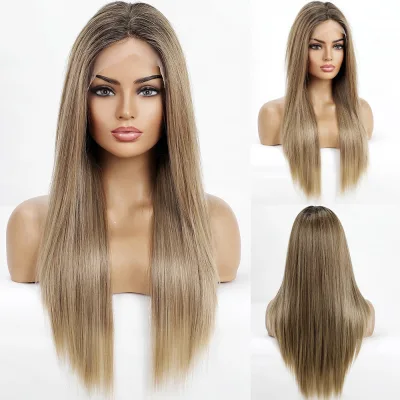
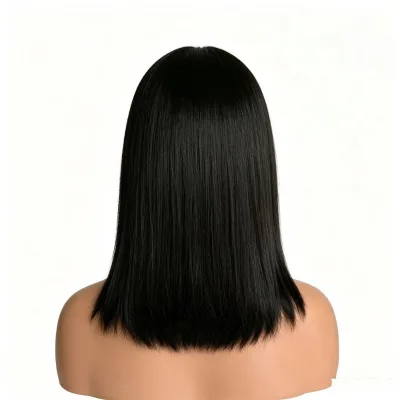
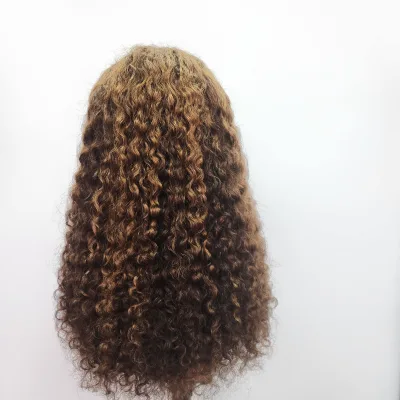
Long Straight Human Hair Wig Swiss Lace Frontal Wigs Ombre Human Hair Wigs
$38.00 - $200.00
MOQ: 1 Pieces









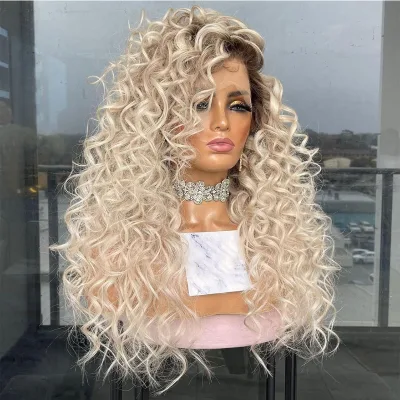
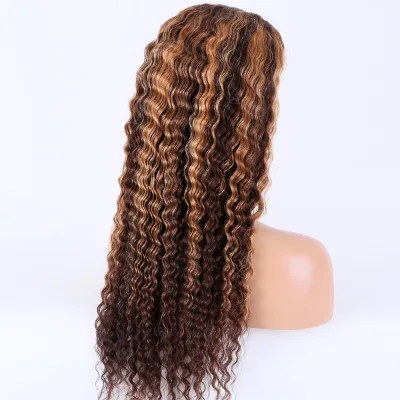



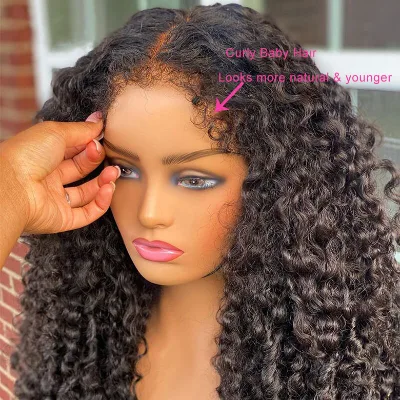
Multicolor 13*4 HD Transparent Swiss Lace Frontal Deep Wave Human Hair Wigs
$58.00 - $179.00
MOQ: 1 Pieces







Comprehensive Sourcing Guide
Blonde Swiss Lace Front Wigs Sourcing Guide
Procuring Blonde Swiss Lace Front Wigs requires a nuanced understanding of material distinctions, particularly the divergence between synthetic and human hair variants available in the market. Buyers must first determine whether their target demographic prioritizes the cost-efficiency and color consistency of synthetic fibers or the natural movement and styling versatility of human hair. The observed product landscape reveals a significant split, with some listings offering synthetic hair graded as non-Remy, while others specify 100% human virgin hair sourced from Brazilian origins. This fundamental choice dictates the entire sourcing strategy, from initial sample evaluation to long-term inventory management, as the performance characteristics and customer expectations for each material type differ substantially.
Furthermore, the specific construction of the lace front plays a critical role in the final aesthetic and wearability of the wig. Swiss lace is often preferred for its thinness and ability to blend seamlessly with various skin tones, providing a natural hairline appearance. However, buyers should verify the specific lace type and density, as some products may utilize different lace materials or construction techniques such as hand-tied versus machine-made methods. The observed data indicates that customization is available, allowing for tailored solutions, but this often introduces complexity in quality control and lead times. Understanding these technical nuances ensures that procurement teams can align their purchasing decisions with the specific needs of their end-users, whether they are seeking affordable fashion accessories or premium beauty products.
Product Scope and Observed Listing Signals
The current market signals indicate a diverse range of products under the blonde Swiss lace front category, with prices observed between $9.9 and $1179 USD. This wide variance suggests that buyers will encounter everything from basic synthetic options to high-end human hair extensions. For instance, some listings highlight synthetic hair wigs with weights around 370g and lengths of 26-30 inches, catering to customers seeking volume and length at a lower price point. These products often feature multi-color or specific blonde shades and are typically packaged in PVC bags for protection during shipping. Buyers should note that these synthetic options may be labeled as non-Remy hair, which can affect longevity and texture compared to higher-grade alternatives.
Conversely, premium segments of the market offer 100% human virgin hair wigs, such as Brazilian hair extensions, which command higher prices due to their superior quality and natural appearance. These products often come with specific advantages like being shedding-free, tangle-free, soft, and shiny, appealing to discerning customers who prioritize durability and comfort. The observed data also shows variations in weight, with some human hair wigs weighing around 380 grams, while others may be lighter or heavier depending on the density and length. Understanding these signals helps buyers segment their supplier base and manage expectations regarding product performance, ensuring that they source items that match the specific quality tier required for their brand or customer base.
Technical Specifications to Verify
When evaluating technical specifications, buyers must closely examine the hair grade and origin to ensure alignment with product claims. The observed data reveals a mix of synthetic and human hair products, with some specified as non-Remy synthetic hair and others as Remy or virgin human hair from Brazil. It is crucial to verify the exact hair type, as synthetic wigs may have limitations in heat styling and longevity compared to human hair variants. Additionally, the construction technique, whether hand-tied or machine-made, significantly impacts the wig's natural look and durability. Buyers should request detailed specifications for each SKU to confirm whether the lace front is made from Swiss lace or other materials, as this affects the invisibility of the hairline and overall comfort for the wearer.
Length and weight are also critical technical parameters that influence both the aesthetic appeal and the shipping costs associated with the product. Observed listings indicate wig lengths ranging from short styles to long variations up to 30 inches, with weights varying from 150g to 380g. Buyers should verify these specifications against their inventory requirements, as heavier wigs may offer more volume but also increase shipping expenses. Furthermore, the cap size is typically listed as average, but buyers should confirm if custom sizing options are available for specific market needs. Ensuring that all technical details are accurately documented and verified before placing bulk orders helps prevent discrepancies between samples and final shipments, reducing the risk of customer dissatisfaction and returns.
Compliance and Safety Documentation
While specific certification statuses are not explicitly detailed in the observed data, buyers must proactively request relevant safety and compliance documentation from suppliers. For hair products, this may include tests for chemical residues, particularly in synthetic wigs that undergo dyeing and processing to achieve blonde shades. Buyers should verify that the products comply with international safety standards for cosmetics and personal care items, ensuring that no harmful substances are present that could cause allergic reactions or skin irritation. Additionally, for human hair products, buyers may need to confirm ethical sourcing practices, although this is often less regulated than synthetic alternatives. Establishing a clear requirement for compliance documentation early in the sourcing process helps mitigate legal and reputational risks associated with importing hair products.
Packaging and labeling also play a role in compliance, as products must meet the labeling requirements of the destination market. The observed data mentions packaging in PVC bags, which may need to be evaluated for environmental regulations depending on the target region. Buyers should ensure that product labels include accurate material composition, care instructions, and manufacturer details in the required languages. Furthermore, shipping methods such as DHL, UPS, FedEx, EMS, and TNT are commonly used, and buyers should verify that the supplier can provide necessary shipping documentation, including customs declarations and safety data sheets if required. By prioritizing compliance and proper documentation, buyers can ensure a smoother import process and maintain trust with their customers regarding product safety and quality.
Cost Drivers and Commercial Terms
Several factors influence the cost of Blonde Swiss Lace Front Wigs, including the type of hair, construction method, and customization options. Synthetic hair wigs are generally more affordable, with observed prices starting as low as $9.9, while human hair wigs can reach up to $1179 due to the higher cost of raw materials and labor-intensive production processes. The weight and length of the wig also impact pricing, as heavier and longer wigs require more hair and potentially more complex construction. Buyers should consider these variables when budgeting for their procurement, keeping in mind that customization, such as specific lace types or cap sizes, may incur additional charges. Understanding these cost drivers allows buyers to negotiate more effectively and allocate resources efficiently across their product portfolio.
Payment terms and shipping logistics are also significant commercial considerations that affect the overall cost and cash flow. The observed data indicates that suppliers accept various payment methods, including PayPal, TT, Western Union, Money Gram, and credit cards, providing flexibility for buyers. However, buyers should be aware of potential transaction fees and currency conversion costs associated with these methods. Shipping times are often listed as within 24 hours for processing, but actual delivery times depend on the chosen carrier and destination. Buyers should factor in shipping costs and potential customs duties when calculating the total landed cost of the products. Establishing clear commercial terms and understanding the full cost structure helps buyers manage their budgets and maintain healthy profit margins.
Supplier Qualification and Quality Control
Qualifying suppliers for Blonde Swiss Lace Front Wigs requires a thorough assessment of their production capabilities and quality control processes. Buyers should verify the supplier's origin, with many products listed as originating from China, particularly Guangzhou, which is a major hub for hair product manufacturing. It is essential to confirm that the supplier has the necessary infrastructure to produce high-quality wigs, whether synthetic or human hair, and to maintain consistency across batches. Buyers should request samples to evaluate the lace quality, hair texture, and overall construction before committing to larger orders. Additionally, checking the supplier's ability to handle customization requests, such as specific colors or styles, is crucial for meeting diverse market demands.
Quality control measures should be clearly defined and agreed upon with the supplier to ensure that the final products meet the required standards. Buyers should establish clear criteria for acceptable defects, such as shedding, tangling, or lace damage, and request that the supplier conduct pre-shipment inspections. The observed data mentions advantages like shedding-free and tangle-free hair for human hair products, but buyers should verify these claims through independent testing or third-party inspections if necessary. Furthermore, buyers should assess the supplier's responsiveness and communication skills, as these factors are critical for resolving any issues that may arise during the production or shipping process. By implementing robust supplier qualification and quality control procedures, buyers can minimize risks and ensure a reliable supply of high-quality wigs.
Long-Term Procurement Checks
Sustaining a successful procurement strategy for Blonde Swiss Lace Front Wigs involves continuous monitoring of supplier performance and market trends. Buyers should regularly review supplier metrics, such as on-time delivery rates, product quality consistency, and responsiveness to issues, to identify any areas for improvement. It is also important to stay updated on changes in material costs, labor rates, and shipping fees, as these factors can impact pricing and availability over time. By maintaining open communication with suppliers and fostering strong relationships, buyers can secure better terms and prioritize their orders during periods of high demand. Additionally, buyers should periodically reassess their product offerings to ensure they remain competitive and aligned with evolving customer preferences.
Long-term procurement checks should also include evaluating the sustainability and ethical aspects of the supply chain, particularly for human hair products. Buyers may need to verify the ethical sourcing of hair materials and ensure that suppliers adhere to responsible labor practices. Furthermore, buyers should monitor regulatory changes in their target markets, such as new labeling requirements or safety standards, to ensure ongoing compliance. By implementing a proactive approach to supplier management and market analysis, buyers can mitigate risks, optimize costs, and maintain a competitive edge in the hair product industry. This strategic focus on long-term checks helps ensure that the procurement process remains efficient, compliant, and aligned with the overall business objectives.
FAQs
What materials are used in these wigs?
The product line includes both synthetic hair and 100% human virgin hair options. Synthetic versions feature Swiss lace bases and come in multi-color or blond shades. Human hair variants utilize Brazilian Remy hair with Swiss lace fronts, offering a natural look and feel for diverse buyer preferences.
Can I customize the wig specifications?
Yes, customization is available for these wigs. Buyers can request specific styles, lengths, or colors to match their needs. The factory supports OEM services, allowing for tailored production runs. This flexibility ensures that orders meet specific market demands or personal styling requirements effectively.
What is the typical weight of the wigs?
Wig weights vary by material and style. Synthetic wigs typically weigh around 370 grams, while human hair versions may weigh approximately 380 grams per unit. Some shorter synthetic styles weigh around 150 grams. These weights ensure comfortable wear while maintaining volume and style integrity.
How are the wigs packaged for shipping?
Wigs are packaged in soft PVC bags or plastic bags to protect the hair during transit. This packaging method helps prevent tangling and damage. The secure wrapping ensures that products arrive in pristine condition, ready for immediate sale or use by the end consumer without additional preparation.
What payment methods are accepted?
Accepted payment methods include PayPal, TT, Western Union, Money Gram, and credit cards like Visa. These options provide flexibility for international buyers. Secure transactions are facilitated through these established channels, ensuring smooth processing for wholesale orders and individual purchases alike without unnecessary delays.
Where are these wigs manufactured?
These wigs are manufactured in China, specifically in Guangzhou. This region is known for its robust hair product industry. Sourcing from this location allows for efficient production and shipping via carriers like DHL, UPS, and FedEx, ensuring timely delivery to global markets.