Source bodycon v-neck mini dress for daily wear, parties, and events
Compare 30 listings of bodycon v-neck mini dress options featuring varying materials like polyester and spandex blends. Buyers can evaluate styles with square or deep V-necklines, sleeveless designs, and solid or printed patterns for summer occasions.
Key considerations
Products List
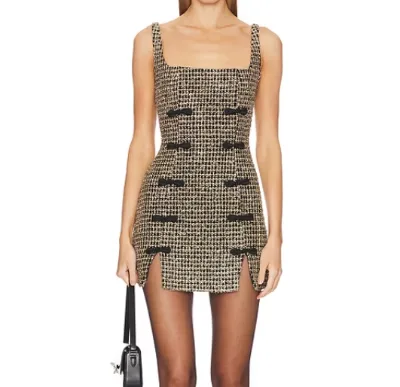
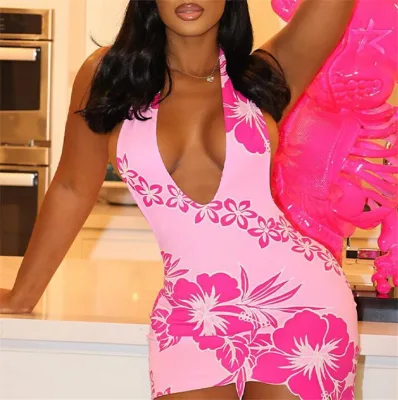

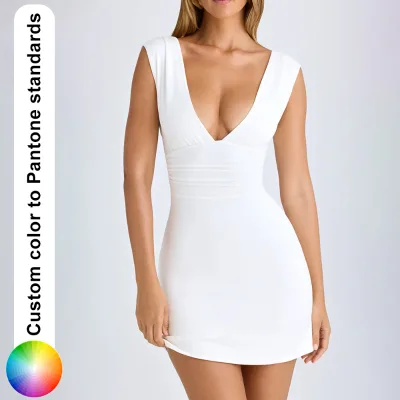


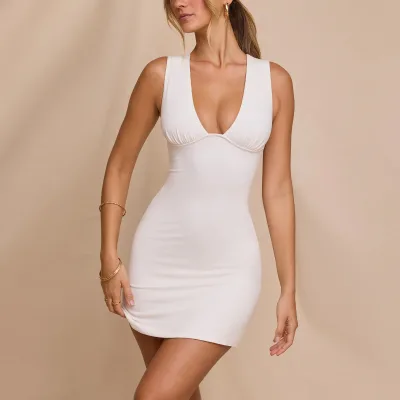
Summer Women Party Bodycon Bandage Sexy Deep V Neck Mini Backless Dresses
$9.96 - $12.37
MOQ: 50 pieces
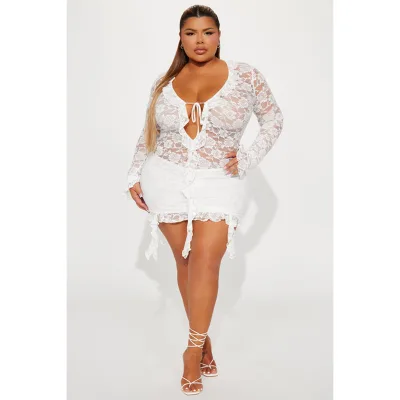


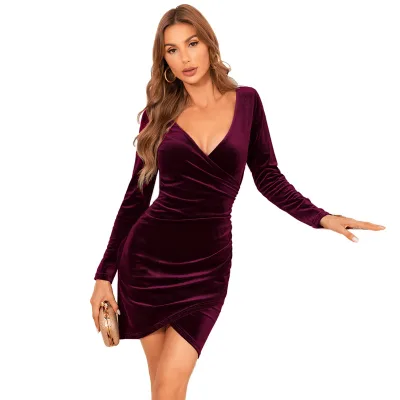


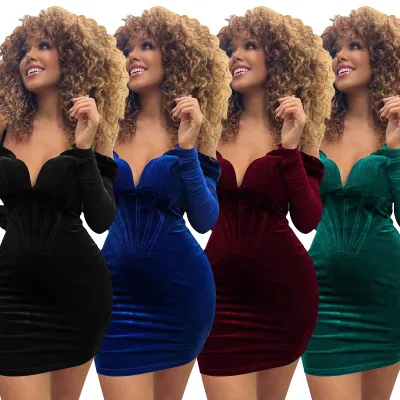


Comprehensive Sourcing Guide
Strategic Sourcing Guide for Bodycon V-Neck Mini Dresses
Understanding Product Specifications and Variants
When sourcing a bodycon v-neck mini dress, buyers must first navigate the specific technical attributes that define this category. The core product is characterized by a tight-fitting silhouette that contours to the body, typically utilizing stretch materials to ensure a secure fit. Based on observed market data, the neckline is frequently a deep V-neck, which serves as a primary fashion element, though square collar variations also exist in the broader market. The length is consistently categorized as mini, falling above the knee, which aligns with summer and daily occasion wear.
Material composition is a critical differentiator. The supply chain for these garments often utilizes blends such as Polyester/Cotton or Spandex/Polyester. The inclusion of Spandex is essential for the "bodycon" effect, providing the necessary elasticity. Fabric weight observations indicate a standard of approximately 160 grams, suggesting a lightweight construction suitable for warm weather. The fabric type can be either woven or knitting, with the latter offering superior stretch and drape for the tight silhouette. Lining is often present, typically made of polyester, to improve comfort and opacity.
Technical details regarding construction include specific fashion elements like slits and decorations such as bows. The hem shape is generally regular, but the presence of side slits adds movement to the garment. Sleeve styles are predominantly sleeveless, contributing to the summer-appropriate nature of the item. Printing methods vary significantly between suppliers, with heat-transfer printing and digital printing being the most common techniques observed. These methods allow for the application of patterns, which can range from solid colors to candy-colored prints, catering to diverse aesthetic preferences.
Compliance, Certification, and Safety Standards
In the realm of B2B apparel procurement, compliance is not merely a formality but a prerequisite for market entry. While specific certification documents were not explicitly listed in the general product observations, buyers must verify that suppliers adhere to international safety standards. A critical observation in the provided data is the mention of "Needle detection: Yes." This indicates a physical safety measure where metal detectors are used to identify and remove any broken needles or metal fragments from the finished garment. This is a fundamental requirement for export markets, particularly in North America and Europe, to prevent injury to consumers.
Buyers should also investigate the "Feature" attributes listed, such as "Anti-static" and "Breathable." These are functional claims that require verification through third-party testing. Anti-static properties are vital for synthetic blends like polyester to prevent clinging and discomfort, while breathability ensures the garment is wearable in summer conditions. The claim of "Eco-Friendly" materials or processes requires specific documentation, such as GOTS (Global Organic Textile Standard) or Oeko-Tex certifications, which were not explicitly confirmed in the general data. Therefore, procurement teams must request proof of these claims rather than accepting them at face value.
Furthermore, the "Supply Type" indicates a mix of OEM (Original Equipment Manufacturer) services and in-stock items. OEM orders often involve custom compliance requirements, such as specific labeling laws or restricted substance lists (RSL) for the destination market. In-stock items may have existing compliance, but the buyer must still verify that the batch matches the regulatory requirements of the importing country. The "Place of Origin" is consistently noted as Guangdong, China, a major manufacturing hub. Buyers should be aware that while this region offers high efficiency, it also requires rigorous quality control to ensure that the "Needle detection" and other safety protocols are consistently applied across all production batches.
Cost Drivers and Pricing Dynamics
The pricing structure for bodycon v-neck mini dresses is influenced by several tangible factors. The observed price range in the market spans from 0.5 to 70 USD, a wide variance that reflects differences in material quality, brand positioning, and order volume. The lower end of this spectrum typically corresponds to basic polyester blends with simple printing methods and minimal customization. The higher end often involves premium fabric blends, complex digital printing, or branded items like those associated with the "DUJUN" brand name observed in the data.
Material costs are a primary driver. The use of Spandex/Polyester blends generally commands a higher price than standard Polyester/Cotton due to the cost of the elastic fibers and the specialized knitting or weaving required. Additionally, the "Fabric Weight" of 160 grams is a baseline; heavier or more specialized fabrics will increase the unit cost. The printing method also impacts pricing; digital printing allows for complex, multi-color designs but is often more expensive per unit than heat-transfer printing for large runs.
Order volume, represented by the Minimum Order Quantity (MOQ), significantly affects the final price. The data shows an MOQ range from 1 piece to 1000 pieces. Purchasing a single piece or a small batch (e.g., 1-10 pieces) often incurs a higher unit cost due to the lack of economies of scale. Conversely, orders approaching the 1000-piece threshold can leverage bulk material purchasing and optimized production lines to reduce costs. The "Supply Type" also plays a role; in-stock items may have fixed pricing, while OEM services allow for negotiation based on the complexity of the design and the volume committed.
Lead time is another cost factor. The data indicates sample order lead times of 7 days or even one day for some suppliers, with production lead times ranging from 1 to 3 work days for certain in-stock items. Faster turnaround times often come at a premium. Buyers must balance the urgency of their needs against the cost implications of expedited shipping and production. The "Single gross weight" of approximately 0.25 kg and package dimensions (30x25x5 cm or 35x28x2 cm) also influence logistics costs, particularly for air freight, where weight and volume are critical determinants of shipping fees.
Typical Applications and Market Positioning
The bodycon v-neck mini dress is a versatile garment with applications spanning daily wear, casual outings, and specific fashion events. The "Occasion" attribute is listed as "Daily," indicating its suitability for everyday use. However, the "Style" is described as "Casual," and the "Silhouette" is "Bodycon," which suggests a blend of comfort and form-fitting aesthetics. The "Season" is explicitly noted as "Summer," making it an ideal choice for warm-weather markets where lightweight, breathable fabrics are in high demand.
The "Fashion Element" of "Candy Color/Candy-colored" and the "Pattern Type" of "Print" suggest that these dresses are often marketed towards younger demographics or those seeking trendy, vibrant looks. The "Logo position" being on the "back" or "no logo" indicates a design trend that favors minimalism or subtle branding, which can be advantageous for private label strategies. The "Neckline" being a "V-neck" or "Square Collar" allows for versatility in styling, making the dress suitable for both casual daytime wear and evening events depending on the accessories and layering used.
In terms of market positioning, the dress serves as a high-volume item due to its universal appeal and seasonal relevance. The "Selling Units" are listed as "Single item," which facilitates easy inventory management for retailers. The "Model Number" D2537 and the specific "Product Name" highlight the importance of SKU management in distinguishing between similar styles. The "Feature" of being "Breathable" and "Eco-Friendly" positions the product for the growing segment of conscious consumers who prioritize sustainability and comfort. This positioning can be leveraged in marketing to differentiate the product from generic fast-fashion alternatives.
Supplier Evaluation and Operational Capabilities
Evaluating suppliers for bodycon v-neck mini dresses requires a focus on their operational capabilities and flexibility. The data indicates a mix of "Oem Service" and "In-Stock Items," suggesting that buyers can choose between custom manufacturing and immediate availability. Suppliers offering OEM services must demonstrate the ability to handle custom designs, including specific printing methods like "Heat-Transfer Printing" or "Digital Printing." The "Sample time" of "One Day" for some suppliers indicates a highly agile production environment, capable of rapid prototyping and feedback loops.
The "Place of Origin" being Guangdong, China, is a significant factor. This region is known for its dense supply chain and manufacturing expertise in textiles. However, buyers must verify the supplier's capacity to handle the "Needle detection" requirement consistently. This is not just a one-time check but a continuous process that must be integrated into the production line. The "Single package size" and "Single gross weight" data provide insight into the supplier's packaging efficiency, which can impact shipping costs and storage requirements.
When evaluating suppliers, buyers should also consider the "Brand Name" association. While "DUJUN" is mentioned, many suppliers may offer white-label options. The "Logo position" and "Logo" attributes (e.g., "no logo") suggest that suppliers are flexible regarding branding. Buyers should assess whether the supplier can accommodate their specific branding needs, whether that involves placing logos on the back or keeping the garment unbranded for private label distribution. The "Fabric Type" and "Material" consistency are also crucial; buyers must ensure that the supplier can maintain the specified blend ratios and fabric weights across large production runs to avoid quality inconsistencies.
Quality Control and Long-Term Procurement Strategies
Quality control for bodycon v-neck mini dresses must address both aesthetic and functional criteria. The "Fabric Weight" of 160 grams and the "Lining" material are key indicators of quality. Buyers should verify that the fabric does not become see-through when stretched, a common issue with bodycon silhouettes. The "Hem Shape" and "Sleeve Style" must be consistent across all units, with no fraying or uneven stitching. The "Decoration" elements, such as bows, must be securely attached to withstand wear and washing.
Long-term procurement strategies should focus on building relationships with suppliers who demonstrate reliability in meeting "Lead time" commitments. The data shows lead times as short as 1-3 work days for some items, but buyers should establish clear expectations for larger orders. The "MOQ" flexibility is a strategic advantage; starting with lower MOQs allows buyers to test the market before committing to larger volumes. However, as demand grows, negotiating lower unit costs through higher volume commitments becomes essential.
Sustainability is a growing consideration in long-term procurement. The "Feature" of "Eco-Friendly" suggests a potential avenue for differentiation. Buyers should inquire about the environmental impact of the "Printing Methods" and the "Material" sourcing. Ensuring that the "Anti-static" and "Breathable" features are maintained over time requires consistent quality checks. Finally, the "Needle detection" process should be audited regularly to ensure compliance with safety standards, protecting the brand from liability and maintaining consumer trust. By focusing on these technical and operational aspects, buyers can secure a reliable supply chain for high-quality bodycon v-neck mini dresses.
FAQs
What materials are used for bodycon v-neck mini dresses?
These dresses typically use Polyester/Cotton or Spandex/Polyester blends. The inclusion of Spandex ensures the necessary stretch for the bodycon silhouette, while the fabric weight is generally around 160 grams for lightweight summer wear.
How long is the sample order lead time for these dresses?
Sample order lead times can be as short as one day or up to seven days depending on the supplier. Some vendors support rapid prototyping with a one-day sample time, while others may require a week for custom designs.
Can buyers find bodycon v-neck mini dresses with needle detection?
Yes, many suppliers implement needle detection as a standard safety measure. This process uses metal detectors to identify and remove any broken needles or metal fragments, ensuring the garment meets export safety requirements.
Which printing methods are available for custom designs on these dresses?
Common printing methods include heat-transfer printing and digital printing. These techniques allow for various patterns ranging from solid colors to candy-colored prints, with digital printing often supporting more complex multi-color designs.
What is the typical minimum order quantity for these dresses?
The minimum order quantity ranges from one piece to one thousand pieces. Buyers can often start with single items for testing, while larger volumes allow for better pricing and optimized production line utilization.
Where are these bodycon v-neck mini dresses manufactured?
The place of origin is consistently Guangdong, China. This region is a major manufacturing hub known for its textile supply chain and efficiency, though buyers must verify quality control standards for each specific batch.
What features do these dresses offer for summer wear?
These dresses are designed for summer with breathable and anti-static features. They often include a polyester lining for comfort and are made from lightweight fabrics to ensure they are suitable for warm weather conditions.