Source Bodykits for Rear, Front, and Universal Car Applications
Explore 30 listings for bodykits designed for rear, front, and universal car applications. Buyers can compare specifications including material, fitment, and customization options from verified suppliers in China.
Key considerations
Products List


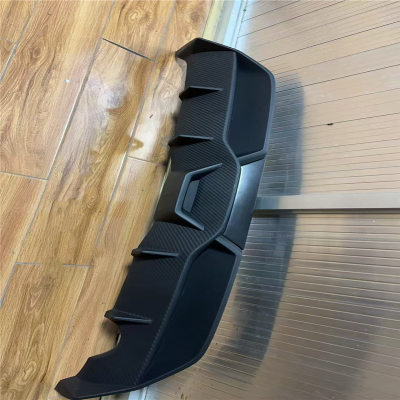


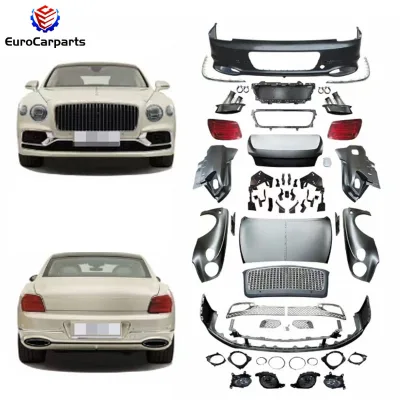
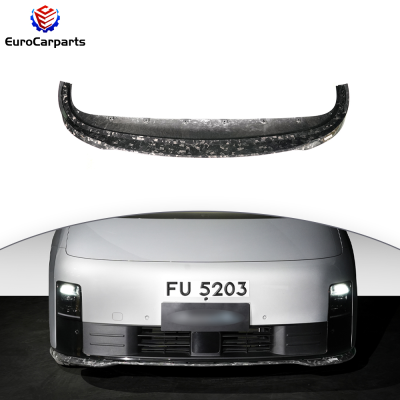


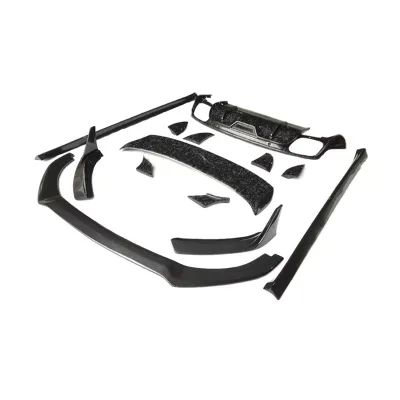
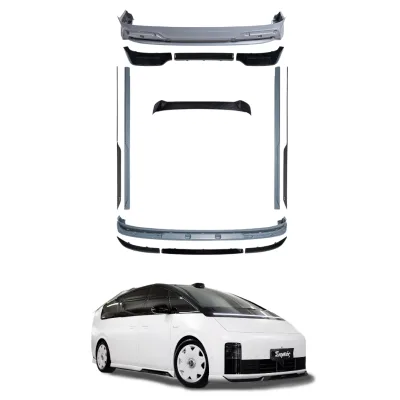

Comprehensive Sourcing Guide
Strategic Sourcing Guide for Automotive Bodykits
The global automotive aftermarket sector continues to demand high-quality bodykits that balance aesthetic enhancement with structural integrity. For procurement professionals, sourcing these components requires a rigorous understanding of material science, fitment tolerances, and supply chain logistics. The current market presents a diverse array of options, ranging from universal fitment accessories to vehicle-specific upgrades. This guide synthesizes available market data to provide a disciplined framework for evaluating Bodykit suppliers, ensuring that procurement decisions are grounded in verifiable facts rather than speculative claims.
Technical Specifications and Material Composition
The foundation of any successful Bodykit procurement lies in the precise definition of technical specifications. The primary material observed in the current market for these components is Acrylonitrile Butadiene Styrene (ABS) and various plastics. These materials are selected for their durability, resistance to impact, and ability to be molded into complex aerodynamic shapes. When evaluating a potential supplier, buyers must verify the specific grade of plastic used, as not all ABS is created equal. The material must withstand environmental stressors such as UV exposure, temperature fluctuations, and road debris without cracking or fading.
Dimensions and fitment are equally critical. Data indicates that bodykits are available in specific sizes, such as 129cm, and are designed for specific vehicle models including the 7 Series (F01/F02) and the City (2020-2022). The "Car Fitment" attribute often appears as "Universal," yet the most reliable suppliers offer solutions tailored to specific makes and models to ensure "Excellent Fitment." Procurement teams should scrutinize the "Position" attribute, as products are categorized for the Front Bumper, Rear Bumper, or both Front and Rear Surroundings. A mismatch in position can lead to installation failures or compromised aerodynamics. Furthermore, the "Product Name" often varies, appearing as "Bodykits," "Car Body," or "Upgrade Bodykit," necessitating careful cross-referencing of the "Model Number" (e.g., G04066, G04022, G12) to ensure the correct part is ordered.
Compliance, Certification, and Standardization
In the realm of B2B procurement, compliance is not merely a formality but a risk mitigation strategy. While specific certification names are not universally mandated for all bodykits, buyers must verify adherence to industry standards. The provided data references a "prod_standard" described simply as "standard," which implies a baseline level of manufacturing quality but does not denote a specific international certification like ISO or TUV. Consequently, buyers should request explicit documentation regarding material safety and structural integrity from the supplier.
The "OE NO." (Original Equipment Number) is a crucial compliance indicator. Listings often state "AS factory" or "As Factory," suggesting that the components are designed to match or replace original factory specifications. This is particularly relevant for the "Purpose" of the product, which is listed as "for replace/repair." When sourcing for fleet maintenance or specific model upgrades, verifying that the part number aligns with the vehicle's factory records is essential. Additionally, the "Quality" attribute is frequently cited as "100% Tested," a claim that should be validated through third-party inspection reports or a robust supplier audit process. Buyers should not accept this claim at face value but rather demand evidence of the testing protocols used, such as impact resistance tests or dimensional accuracy checks.
Cost Drivers and Pricing Structures
Understanding the cost structure of bodykits is vital for budgeting and negotiation. The observed price range in the market is extensive, spanning from $2.50 to $200,000 USD. This wide variance is driven by several factors, including the complexity of the design, the volume of the order, the specific vehicle application, and the quality of the materials. A $2.50 item likely represents a minor trim piece or a low-volume universal accessory, whereas the higher end of the spectrum may involve complete body conversion kits for luxury vehicles like the 7 Series, potentially including installation hardware and custom engineering.
The Minimum Order Quantity (MOQ) is another significant cost driver. Data shows MOQs ranging from 1 unit to 500 units, with specific listings citing 50, 150, or 10 sets. These thresholds directly impact the unit price; higher volumes typically yield lower per-unit costs due to economies of scale in production and shipping. Buyers must align their inventory needs with these MOQs to avoid overstocking or incurring prohibitive per-unit costs. Additionally, the "Selling Units" are often listed as "Single item," which can complicate bulk pricing negotiations if the supplier does not offer tiered pricing structures. The "Single Gross" weight of 150.000 Kg for certain packages indicates that shipping costs will be a substantial component of the total landed cost, particularly for heavy, large-volume kits.
Typical Applications and Vehicle Fitment
Bodykits serve a dual purpose in the automotive industry: aesthetic modification and functional repair. The "Application" is broadly defined as "Car Body Accessories," but specific use cases are more granular. The "Car Make" and "Car Model" attributes highlight that these products are often designed for specific eras and lines, such as the 2020-2022 City models or the F01/F02 7 Series. The "Type" of product is described as "Modified and Upgraded" or "Modified and Unaraded," indicating that these kits are intended to alter the vehicle's appearance or performance characteristics.
The "Installation Location" is specified as "Exterior Front and Rear Surroundings," which confirms that these are external components. The "Position" attribute further clarifies whether the kit covers the front bumper, rear bumper, or both. For buyers sourcing for repair purposes, the "Purpose" of "replace/repair" is a key identifier. These components are essential for restoring a vehicle to its pre-accident condition or upgrading a standard model to a sportier variant. The "Color" options, typically Black or Red, allow for customization, but buyers must ensure that the supplier can match the specific color codes required for their target market. The "Car Fitment" being "Universal" suggests versatility, but the presence of specific model numbers implies that true universal fitment is rare and that specific model compatibility should always be verified.
Supplier Evaluation and Operational Capabilities
Selecting the right supplier requires a deep dive into their operational capabilities and logistical reliability. The "prod_origin" and "Place of Origin" data points to China, specifically regions like Jiangsu and Guangdong. These regions are known for their manufacturing clusters, but buyers must verify the specific factory location to assess logistics and potential supply chain risks. The "Delivery time" is listed as 7-15 days, a lead time that buyers must factor into their inventory planning. However, this timeline can vary based on order volume, customization requirements, and seasonal demand.
The "Service" attribute, noted as "24 Hours Online," indicates a commitment to customer support, which is crucial for resolving technical queries or handling order discrepancies. The "Customization" attribute being "Available" is a significant differentiator, allowing buyers to request specific modifications to standard designs. However, customization often extends lead times and increases costs. The "prod_packing" varies between "Carton Box" and "Paper Box," and the "Single Package" dimensions (e.g., 222X82X63cm) highlight the need for careful logistics planning. Buyers should evaluate the supplier's ability to handle large, bulky items and ensure that the packaging is robust enough to prevent damage during transit, especially given the high "Single Gross" weight of some shipments.
Quality Control and Long-Term Procurement Considerations
Ensuring long-term value requires a proactive approach to quality control. The "Warranty" of 1 Year is a standard offering, but buyers should clarify the terms of coverage, including what constitutes a defect versus normal wear and tear. The "Quality" claim of "100% Tested" must be backed by a documented quality assurance process. This includes pre-shipment inspections, material verification, and dimensional accuracy checks. For large-scale procurement, implementing a third-party inspection service before shipment is highly recommended to mitigate the risk of receiving substandard goods.
Long-term procurement considerations also involve the stability of the supply chain. The "OEM" (Original Equipment Manufacturer) acceptance indicates that the supplier is capable of producing parts to original specifications, which is beneficial for maintaining brand consistency. However, buyers must ensure that the supplier has the capacity to scale production if demand increases. The "Model Number" consistency is also critical; changes in model numbers can indicate design revisions or production shifts that might affect compatibility. Finally, the "Product Name" variations (e.g., "Bodykits" vs. "Car Body") suggest that buyers must maintain a strict internal taxonomy to avoid confusion in inventory management and reordering. By focusing on these technical, operational, and quality factors, buyers can navigate the complex Bodykit market with confidence and secure reliable, high-quality components for their automotive needs.
FAQs
What materials are used for bodykits?
Bodykits are primarily constructed from ABS plastic and other durable plastics. These materials offer resistance to impact and environmental stressors while allowing for complex aerodynamic shaping suitable for both front and rear bumper applications.
Which vehicle models are compatible with these kits?
Specific kits are designed for the 2020-2022 City models and the 7 Series F01/F02. While some listings mention universal fitment, verifying the model number against the specific vehicle is essential for excellent fitment and proper installation.
Can I customize the Bodykit design?
Customization is available for these automotive body accessories. Buyers can request specific modifications to standard designs, though this may impact lead times and costs, with typical delivery occurring within 7 to 15 days.
What is the minimum order quantity for purchase?
Minimum order quantities vary by supplier, ranging from 1 unit up to 500 units. Specific listings cite thresholds of 50, 150, or 10 sets, which directly influences the per-unit pricing and overall procurement strategy for bulk orders.
Where are these bodykits manufactured and shipped from?
Products originate from manufacturing clusters in China, specifically Jiangsu and Guangdong provinces. The packaging typically uses standard carton or paper boxes, with dimensions varying significantly based on the specific kit size and weight.
What warranty is provided for the bodykits?
A standard one-year warranty is offered for these new condition components. This coverage applies to defects but should be verified against specific terms, as the products are also described as 100% tested for quality assurance.