Source Bohemian Necklace and Bracelet Set for Gifts, Parties, and Weddings
Find 30 Bohemian Necklace and Bracelet Set options crafted from stainless steel and titanium. Compare gold and silver styles with micro-insert inlay for decoration, gifts, and collection purposes. Source OEM/ODM production with third-party appraisal certificates available; compare the available evidence and request quotations based on your requirements.
Updated
Key considerations
Products List








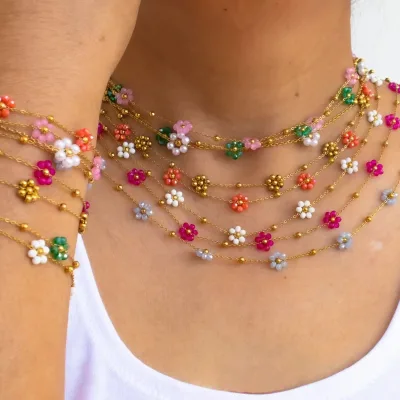
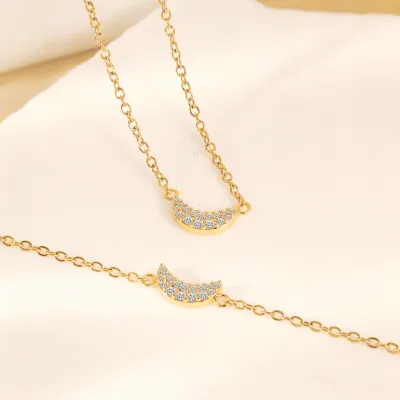
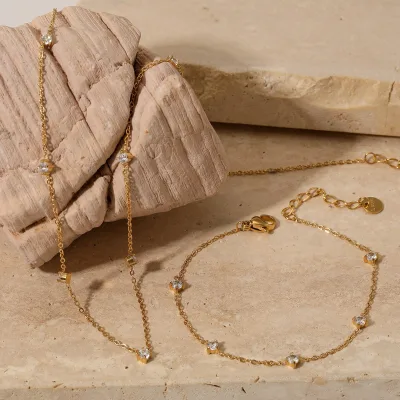
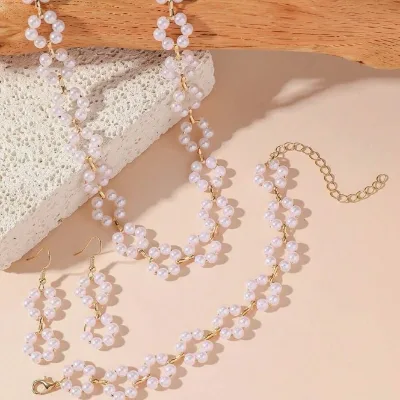


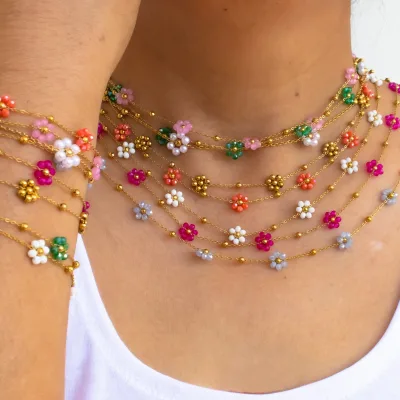

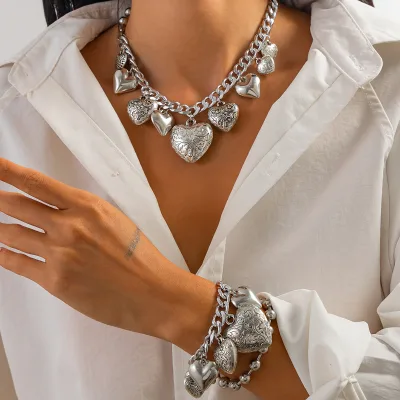
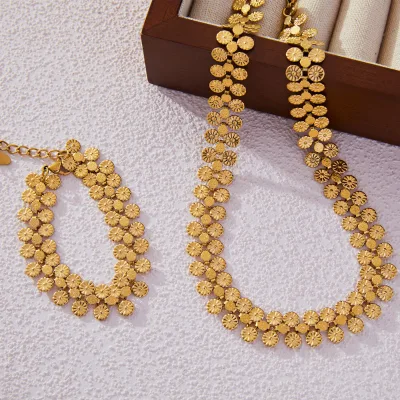
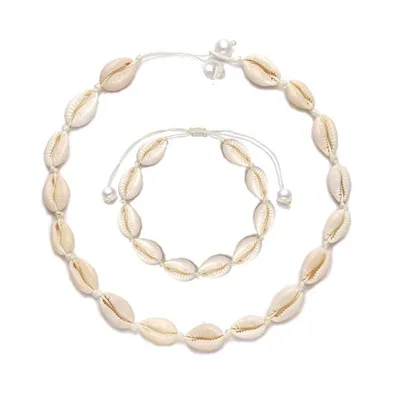

Comprehensive Sourcing Guide
Bohemian Necklace and Bracelet Set Sourcing Guide
Sourcing bohemian-style jewelry sets requires a nuanced understanding of aesthetic diversity and material versatility, as the "bohemian" label often encompasses a wide range of design interpretations from earthy beads to intricate metalwork. Buyers must first define the specific visual identity they seek, whether it involves mixed-color elements, porcelain finishes, or metallic accents, to ensure alignment with target market preferences. The observed product landscape indicates that customization is a key feature, allowing brands to tailor designs to their unique identity while leveraging established manufacturing capabilities. This flexibility is crucial for creating distinct product lines that stand out in a crowded marketplace, particularly when targeting unisex or specific gender demographics.
The procurement process for these sets involves navigating various material options, including stainless steel and titanium, which offer different durability profiles and cost structures. Buyers should evaluate how these materials interact with plating options such as gold or silver finishes to ensure long-term customer satisfaction and brand reputation. Additionally, the inclusion of micro-insert inlay technology suggests a focus on detailed craftsmanship that enhances the perceived value of the jewelry. Understanding these technical and aesthetic variables early in the sourcing journey helps buyers make informed decisions about which suppliers and product models best fit their strategic goals and quality expectations.
Product Scope and Observed Listing Signals
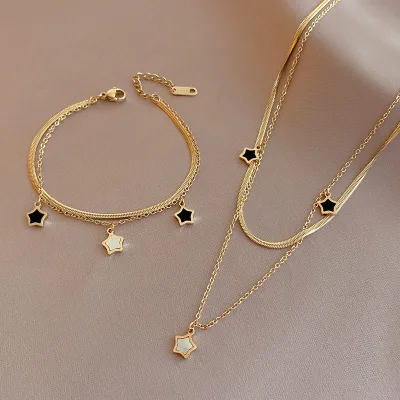
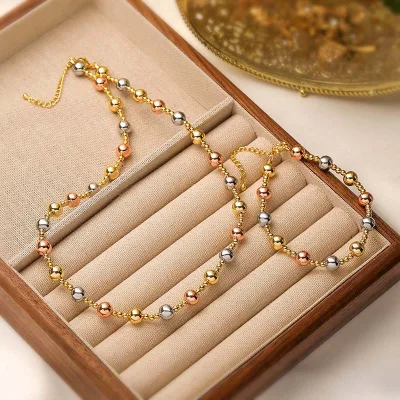
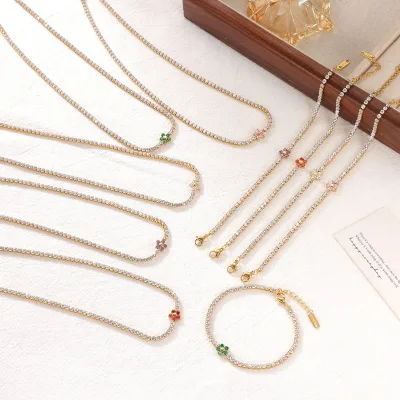
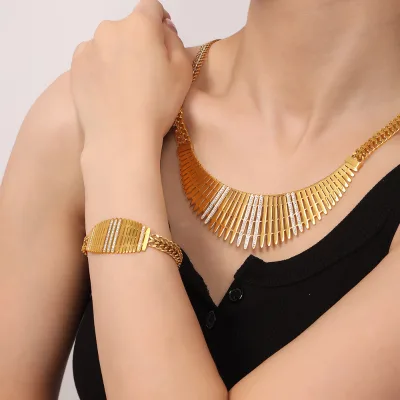
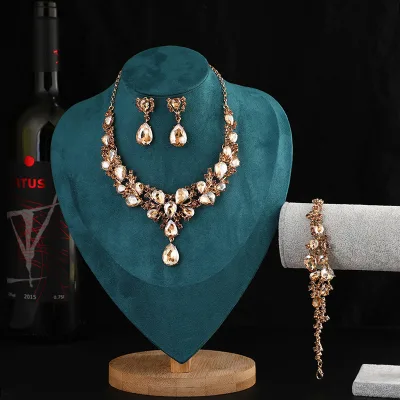
The current market signals indicate a diverse range of bohemian jewelry sets, with product models such as DSC040, DS589, XL211, and XL205 representing different design approaches and material compositions. These listings highlight a strong emphasis on decorative and gift-oriented applications, catering to occasions like weddings, anniversaries, and parties. The observed color palettes extend beyond traditional metallics to include white, green, and colorful variations, often paired with diamond-like accents in various hues. This variety suggests that buyers can source sets that appeal to a broad spectrum of consumer tastes, from minimalist silver tones to vibrant, multi-colored bohemian styles.
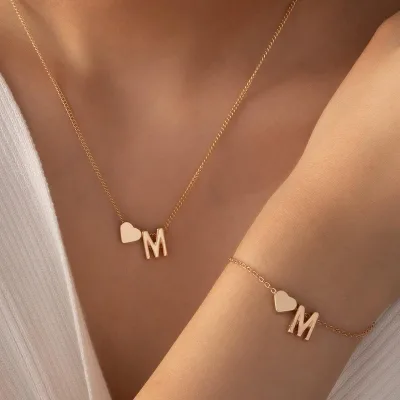
Further analysis of the product scope reveals specific design elements such as square and butterfly pendant shapes, as well as bead-style configurations. The availability of both customized and non-customized options, exemplified by models like KS106479-Z and KB146421-BDJX, provides flexibility for different business models. Some sets are designed as complete coordinated pieces, including necklaces, bracelets, and anklets in matching or contrasting colors. This comprehensive approach to product design allows buyers to offer complete looks to their customers, enhancing the overall value proposition and simplifying the purchasing decision for end-users who prefer coordinated accessories.
Technical Specifications to Verify
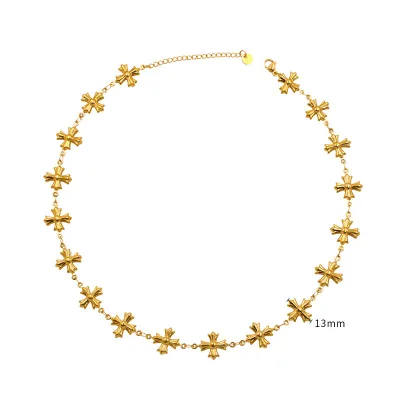
When evaluating technical specifications, buyers must closely examine the dimensional standards and material compositions of the jewelry sets. Observed standards include lengths ranging from 41cm to 50cm for necklaces, with specific models adhering to a 45cm length, and pendant sizes around 45mm. Bead diameters are specified in precise increments such as 4mm, 5mm, 6mm, and 8mm, which directly impact the aesthetic and comfort of the final product. Verifying these measurements against supplier samples is essential to ensure consistency across batches, particularly when dealing with mixed-color or multi-component sets that require precise alignment and proportion.
Material verification is equally critical, with stainless steel and titanium being common choices for their durability and hypoallergenic properties. Buyers should confirm the plating quality, whether gold or silver, and ensure that the micro-insert inlay technology is applied correctly to prevent stone loss or finish degradation. The production mode, often listed as OEM/ODM, indicates that suppliers can adapt to specific design requirements, but this requires clear communication of technical drawings and material specifications. Additionally, the origin of the products, primarily China, should be considered in the context of supply chain logistics and potential tariff implications, ensuring that the technical specs align with both quality standards and logistical realities.
Compliance and Safety Documentation
Compliance and safety documentation form the backbone of responsible jewelry sourcing, particularly when dealing with materials that come into direct contact with the skin. Buyers must ensure that all products undergo third-party appraisal certifications to verify material safety and compliance with international standards. These certifications are crucial for mitigating risks associated with heavy metals or allergens, ensuring that the jewelry sets meet the regulatory requirements of target markets. The presence of such documentation not only protects the brand from legal liabilities but also builds consumer trust by demonstrating a commitment to safety and quality.
In addition to material safety, buyers should verify that the packaging and labeling comply with local regulations, including proper origin labeling and care instructions. The observed packing methods, such as individual OPP bags or custom boxes, must be evaluated for their ability to protect the jewelry during transit while meeting sustainability goals if applicable. Ensuring that all documentation is up-to-date and accurately reflects the product specifications is a continuous process that requires regular audits and supplier engagement. This diligence helps maintain a robust compliance framework, reducing the risk of product recalls or customs delays due to documentation discrepancies.
Cost Drivers and Commercial Terms
Cost drivers for bohemian jewelry sets are influenced by material selection, plating complexity, and the level of customization required. Stainless steel and titanium offer different cost bases, with plating processes adding significant value but also increasing production expenses. The use of micro-insert inlay technology and the variety of color options, such as gold, silver, and multi-colored designs, further impact the final price. Buyers should analyze these factors to understand the cost structure and negotiate favorable terms that align with their margin targets. The observed price range of 0.59 to 41.36 USD reflects this variability, highlighting the importance of precise specification management.
Commercial terms, including MOQ and lead times, play a crucial role in inventory planning and cash flow management. The observed MOQ range of 2 to 200 units offers flexibility for both small-scale testing and larger production runs, while delivery times vary by country, requiring careful logistical planning. Sample times of approximately three days allow for rapid prototyping and quality verification before committing to full production. Buyers should leverage these terms to optimize their supply chain, negotiating for better pricing on higher volumes or faster turnaround times for urgent orders, while maintaining a buffer for potential delays in international shipping.
Supplier Qualification and Quality Control
Supplier qualification for bohemian jewelry sets requires a thorough assessment of manufacturing capabilities, quality control processes, and ethical standards. Buyers should prioritize suppliers who demonstrate a strong track record in OEM/ODM production, ensuring they can meet specific design and material requirements. The ability to provide third-party appraisals and adhere to international standards is a key indicator of a supplier's commitment to quality. Additionally, evaluating the supplier's production mode and customization capabilities helps determine their flexibility and responsiveness to market trends and customer demands.
Quality control measures must be integrated into every stage of the production process, from material sourcing to final packaging. Buyers should implement rigorous inspection protocols, including pre-production samples and during-production audits, to ensure consistency in dimensions, plating quality, and inlay integrity. The observed variety in product models and designs necessitates a robust QC system that can handle diverse specifications without compromising quality. By establishing clear quality benchmarks and maintaining open communication with suppliers, buyers can minimize defects and ensure that the final products meet their high standards, protecting their brand reputation and customer satisfaction.
Long-Term Procurement Checks
Long-term procurement success depends on continuous monitoring of supplier performance, market trends, and product lifecycle management. Buyers should regularly review supplier metrics, including on-time delivery rates, defect rates, and responsiveness to issues, to ensure ongoing reliability. The dynamic nature of bohemian fashion requires staying attuned to emerging design trends, such as new color combinations or material innovations, to keep the product offering fresh and relevant. This proactive approach helps buyers anticipate market shifts and adjust their sourcing strategies accordingly, maintaining a competitive edge in the jewelry market.
Additionally, buyers should establish a feedback loop with end-users to gather insights on product performance and customer satisfaction. This information can drive continuous improvement in design and quality, ensuring that the jewelry sets meet evolving consumer expectations. Regular audits of compliance documentation and supply chain practices are also essential to mitigate risks and maintain ethical standards. By fostering strong, collaborative relationships with suppliers and staying informed about industry developments, buyers can build a resilient and adaptable sourcing strategy that supports long-term growth and success in the bohemian jewelry segment.
FAQs
What materials are used for bohemian necklace and bracelet sets?
The sets are crafted from stainless steel and titanium materials. These durable metals provide a long-lasting finish suitable for daily wear. The jewelry features gold and silver plating options. This ensures a premium look while maintaining resistance to tarnishing. Buyers can choose between different metal compositions based on preference and budget constraints for their specific collection needs.
Can I customize the bohemian necklace and bracelet sets?
Customization is available for these jewelry sets through OEM and ODM production modes. Buyers can request specific designs or modifications to meet unique requirements. The supplier supports tailored packaging solutions as well. This flexibility allows businesses to brand the products effectively. Custom orders may have different lead times compared to standard stock items.
What is the typical lead time for these jewelry sets?
Delivery times vary significantly depending on the destination country. Sample production typically takes about three days to complete. Bulk order lead times are not fixed and depend on logistics. Buyers should consult the supplier for accurate timelines for their specific region. This variability ensures that shipping methods are optimized for each international market.
Which certifications apply to these bohemian jewelry sets?
The products come with third-party appraisal certificates. These documents verify the quality and authenticity of the materials used. Buyers can request these certifications to ensure compliance with their local standards. This adds a layer of trust for international transactions. The certification process helps in meeting regulatory requirements for imported jewelry goods.
What are the packaging options for these sets?
Standard packaging includes individual OPP bags placed inside a carton. Alternatively, products can be packed in boxes for retail readiness. Custom packaging requests are accepted to align with brand identity. This flexibility supports both wholesale distribution and direct-to-consumer sales models. Buyers can specify their preferred packaging style during the ordering process.
What styles are available in the bohemian collection?
The collection features fashion-oriented designs with bohemian aesthetics. Options include bead shapes, square pendants, and butterfly motifs. Colors range from gold and silver to white, green, and mixed hues. Some sets include diamond-like accents in various colors. This variety allows buyers to cater to diverse customer preferences in the global market.