Source Handmade Woven Rope Rainbow Bracelets for Gifts
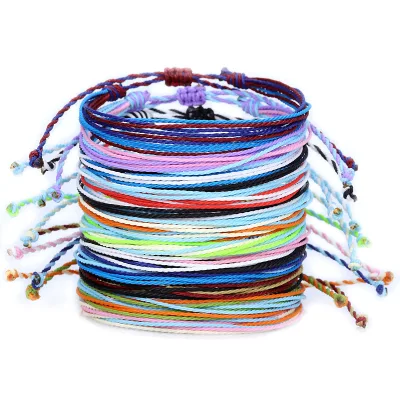
Find 30 Handmade Woven Rope Rainbow Bracelet options from Zhejiang suppliers. Compare adjustable charm and braided styles in rainbow and black colors. Source trendy boho designs for daily wear and gift occasions with MOQs starting at 6 units; compare the available evidence and request quotations based on your requirements.
Updated
Key considerations
Products List
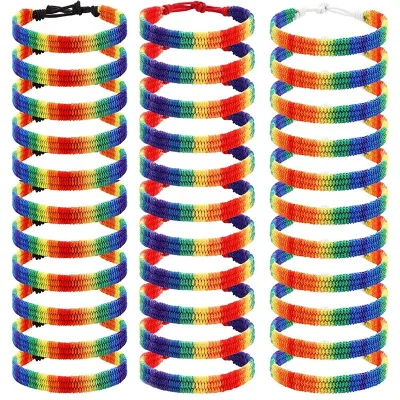
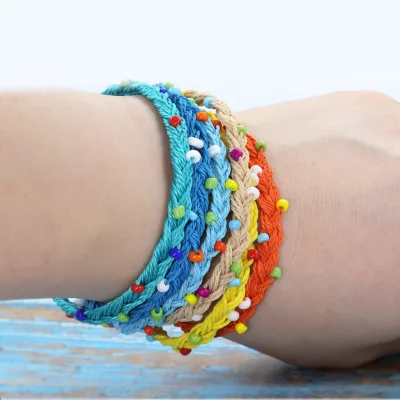
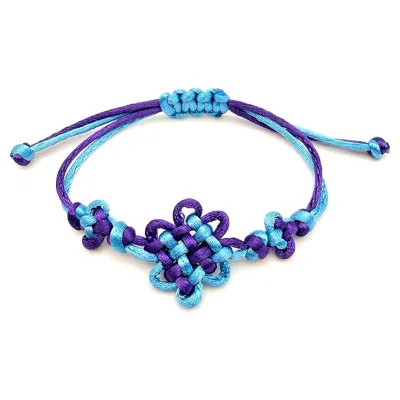
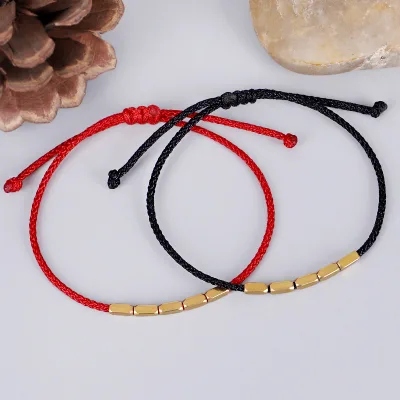
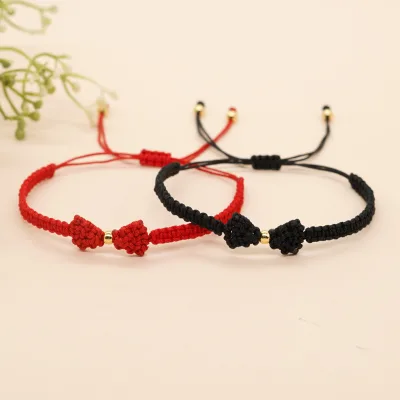
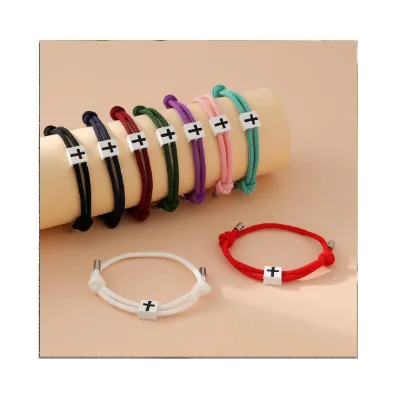

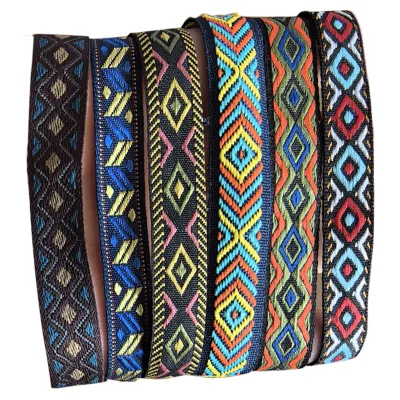
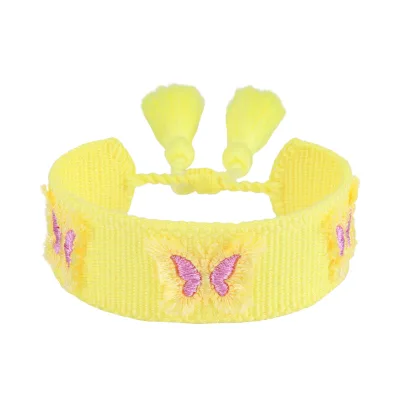


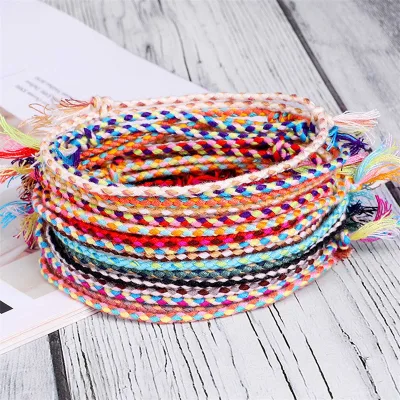
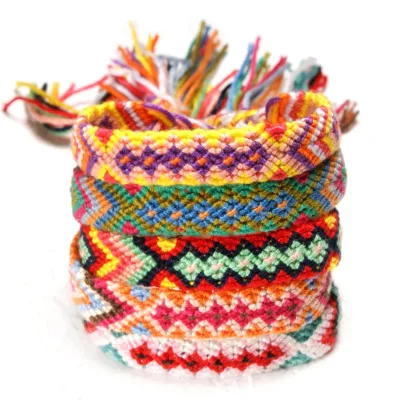


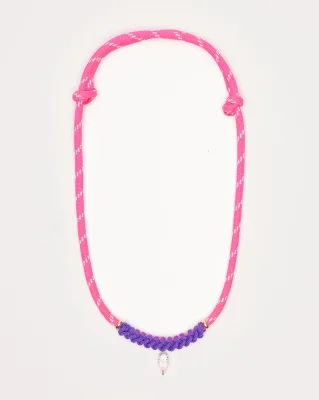
Woven Friendship Braided Red Rope with Diamonds Handmade Braided Charm Adjustable Bracelet
$1.21 - $1.23
MOQ: 500 Pieces

Length Adjustable Hand Braided Red Rope Buckle Bracelet for Men and Women
$0.586 - $0.59
MOQ: 5000 Pieces

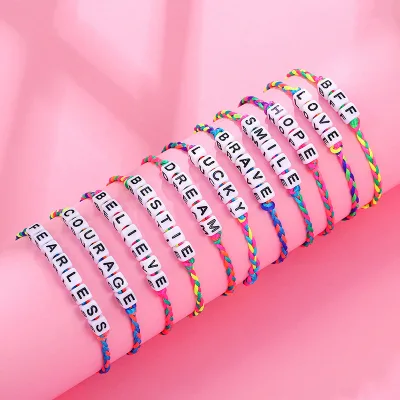


Comprehensive Sourcing Guide
Handmade Woven Rope Rainbow Bracelet Sourcing Guide
Sourcing handmade woven rope rainbow bracelets requires a nuanced understanding of material integrity, aesthetic consistency, and supply chain transparency. These accessories blend casual bohemian style with vibrant visual appeal, making them suitable for daily wear and gift markets. Buyers must navigate a landscape where "handmade" implies artisanal variation, which can impact quality control and batch uniformity. The following guide outlines critical verification steps to ensure product alignment with brand standards and regulatory requirements.
Procurement teams should prioritize suppliers who demonstrate clear traceability in their weaving processes and material sourcing. The interplay between colorfastness, tensile strength, and design complexity defines the product’s market viability. This guide focuses on evidence-based verification methods, helping buyers mitigate risks associated with color fading, structural failure, or non-compliant materials. By adhering to structured due diligence, organizations can secure reliable inventory that meets both aesthetic expectations and safety regulations.
Product Scope and Observed Listing Signals
The observed market signals indicate a diverse range of offerings, with prices ranging from $0.19 to $5.00 USD and minimum order quantities (MOQs) varying between 6 and 5,000 units. This wide spectrum suggests a mix of low-cost promotional items and higher-quality artisanal pieces. Buyers should note that "handmade" claims often correlate with smaller MOQs and higher per-unit costs, while mass-produced alternatives may offer lower prices but less unique character. Understanding this price-MOQ relationship is crucial for aligning procurement strategy with sales volume expectations.
Product attributes observed include materials such as rope and alloy, with styles ranging from bohemian and trendy to simple geometric designs. Colors frequently feature rainbow palettes, with specific listings noting variations like rainbow-1 through rainbow-11. Some products incorporate Chinese knot patterns or bowkont shapes, indicating cultural or stylistic influences. Buyers must verify these attributes against their specific design requirements, as visual consistency across batches can be challenging with handmade items. Clear communication of design specifications is essential to avoid mismatches in final delivery.
Technical Specifications to Verify
Technical verification begins with confirming material composition and construction methods. Listings indicate jewelry main materials such as rope and alloy, with specific model numbers like SM-MZ250220 and SM-MZ250916. Buyers should request detailed material specifications to ensure durability and comfort, particularly for items worn daily. The adjustable length feature is common, but exact measurement ranges should be confirmed to ensure fit for the target demographic. Additionally, gross weight per batch or single item, observed between 0.01 kg and 0.25 kg, can indicate material density and perceived quality.
Packaging dimensions and unit selling structures also require scrutiny. Observed package sizes vary from 4X4X4 cm to 13X10X8 cm, impacting shipping costs and storage efficiency. Some suppliers sell in multiples of 12 items, while others offer single units. Buyers must align these selling units with their inventory management systems and retail packaging needs. Furthermore, verifying the place of origin, such as Zhejiang or Yiwu, China, can provide insights into supply chain logistics and potential lead times. Consistent technical data across listings is a strong indicator of supplier reliability.
Compliance and Safety Documentation
Compliance verification is critical for jewelry products, especially those marketed for daily wear or gifting. Buyers must ensure that all materials, including ropes and alloys, meet relevant safety standards for skin contact and chemical content. Although specific certification statuses are not provided in the observed data, suppliers should be able to provide test reports for heavy metals, lead, and cadmium content. This is particularly important for alloy components, which may pose risks if not properly regulated. Documentation should be current and issued by recognized third-party laboratories.
Additionally, labeling and packaging compliance must be addressed to meet destination market regulations. This includes accurate country of origin labeling, fiber content identification, and care instructions. Buyers should verify that suppliers adhere to these labeling requirements to avoid customs delays or consumer complaints. For products marketed as "handmade," any specific claims should be substantiated to prevent misleading advertising issues. Establishing a clear compliance framework with suppliers ensures that all products meet legal and ethical standards before reaching the end consumer.
Cost Drivers and Commercial Terms
Cost drivers for handmade woven rope rainbow bracelets include material quality, labor intensity, and design complexity. The observed price range of $0.19 to $5.00 USD reflects these variations, with higher prices typically associated with intricate weaving patterns or premium materials. Buyers should analyze the cost breakdown to understand where value is added, whether through superior craftsmanship or unique design elements. Negotiating volume discounts based on MOQs can also significantly impact overall procurement costs, especially for larger orders exceeding 5,000 units.
Commercial terms such as payment methods, shipping responsibilities, and return policies must be clearly defined. Suppliers may offer customization options, which can affect pricing and lead times. Buyers should negotiate terms that protect their interests, including quality guarantees and defect resolution procedures. Understanding the supplier’s production capacity and lead times is essential for inventory planning. Transparent communication regarding costs and terms helps build a sustainable partnership, ensuring both parties are aligned on expectations and deliverables.
Supplier Qualification and Quality Control
Supplier qualification involves assessing production capabilities, quality control processes, and ethical labor practices. Buyers should request samples to evaluate craftsmanship, color consistency, and material durability. Observing the supplier’s facility or reviewing past performance data can provide insights into their reliability. Suppliers with a history of consistent output and positive feedback are preferable, as they reduce the risk of supply chain disruptions. Additionally, verifying the supplier’s ability to handle customization requests is crucial for brands seeking unique product offerings.
Quality control measures should be established to monitor production batches. This includes pre-shipment inspections, random sampling, and adherence to agreed-upon specifications. Buyers should define clear acceptance criteria for defects, such as loose threads, color mismatches, or structural weaknesses. Implementing a robust quality control process helps maintain product standards and customer satisfaction. Regular communication with suppliers regarding quality issues ensures continuous improvement and fosters a collaborative relationship focused on excellence.
Long-Term Procurement Checks
Long-term procurement success depends on continuous monitoring of supplier performance and market trends. Buyers should regularly review supplier metrics, including on-time delivery rates, defect rates, and responsiveness to issues. Establishing key performance indicators (KPIs) helps track progress and identify areas for improvement. Additionally, staying informed about changes in material costs, labor regulations, and consumer preferences allows for proactive adjustments to procurement strategies. This agility ensures that the supply chain remains resilient and competitive.
Building a diversified supplier base can mitigate risks associated with single-source dependencies. Engaging with multiple suppliers provides flexibility in sourcing and negotiation. Regular audits and relationship-building activities strengthen partnerships and encourage supplier loyalty. Furthermore, investing in technology and data analytics can enhance visibility into the supply chain, enabling better decision-making. By focusing on long-term relationships and continuous improvement, buyers can secure a stable supply of high-quality handmade woven rope rainbow bracelets that meet evolving market demands.
FAQs
What materials are used for handmade woven rope rainbow bracelets?
These bracelets primarily utilize rope as the main material, often combined with alloy components for charm or link styles. The design features a simple style with geometric or Chinese knot patterns. Some variants include braided rope constructions, while others use chain and link elements. The combination of rope and alloy ensures durability while maintaining a trendy boho aesthetic suitable for daily wear.
Can I customize handmade woven rope rainbow bracelets for specific occasions?
Yes, customization is available for these bracelets, allowing adjustments to suit formal occasions or daily gift needs. Buyers can select from various color options including rainbow-1 through rainbow-11, or specific shades like black and red. The adjustable length ensures a comfortable fit for unisex wear. Custom designs can incorporate simple styles or trendy fashion elements to match specific branding or event requirements.
What are the packaging specifications for handmade woven rope rainbow bracelets?
Packaging dimensions vary by model, with some items packaged in boxes measuring 13x10x8 cm and others in 4x4x4 cm or 5x8x1 cm units. The gross weight per batch ranges from 0.200 kg to 0.25 kg, while single package weights are typically 0.01 kg to 0.02 kg. These specifications ensure safe transport and easy inventory management for bulk orders from manufacturers in Zhejiang or Yiwu.
Which styles are available for handmade woven rope rainbow bracelets?
Available styles include trendy fashion boho, simple style, and fashion lucky style designs. Options range from charm bracelets and braided bracelets to chain and link styles. Patterns feature geometric shapes, Chinese knots, or bowkont designs. Colors span multiple rainbow variations as well as solid black and silver options. These diverse styles cater to female, unisex, and general daily wear markets with a focus on aesthetic versatility.
How is the pricing structured for handmade woven rope rainbow bracelets?
Pricing for these bracelets typically ranges from 0.19 to 5 USD per unit, depending on the model and material composition. Minimum order quantities vary between 6 and 5000 pieces, allowing flexibility for small trials or large bulk purchases. The cost reflects the handmade nature, rope and alloy materials, and customizable features. Buyers should consider volume discounts and specific model numbers like SM-MZ250220 or 26A8871204 for accurate quotes.
Where are handmade woven rope rainbow bracelets manufactured?
These bracelets are primarily manufactured in Zhejiang, China, with specific production hubs in Yiwu. The region is known for its robust jewelry manufacturing infrastructure, supporting both rope-based and alloy-based designs. Originating from these locations ensures access to skilled labor and efficient supply chains. Buyers can source directly from factories in these areas to benefit from competitive pricing and reliable production capabilities for global distribution.