Source Claw Setting Gold Necklace for gifts, events, and fashion
Compare 30 verified listings for Claw Setting Gold Necklace options featuring stainless steel, 925 sterling silver, and alloy materials. Buyers can evaluate plating, pendant shapes, and customization services from Guangdong suppliers; compare the available evidence and request quotations based on your requirements.
Updated
Key considerations
Products List
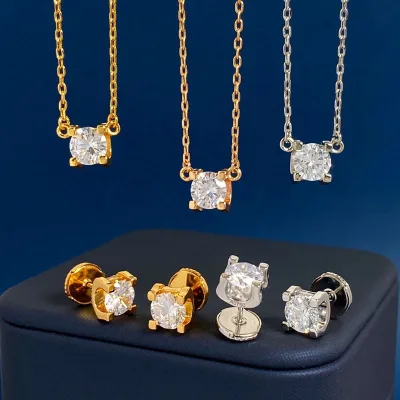
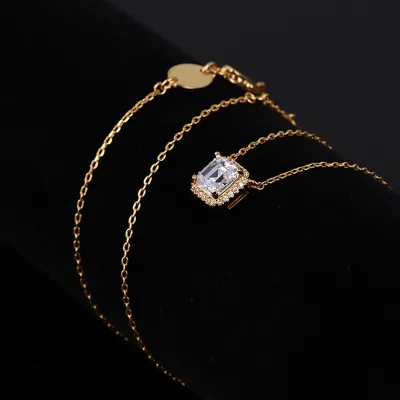


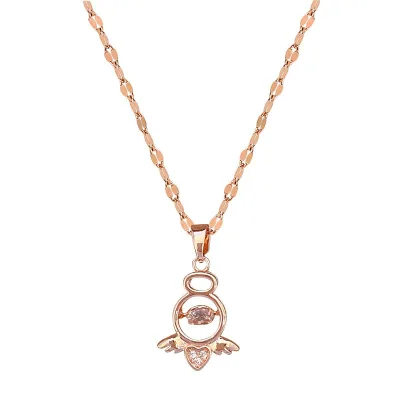


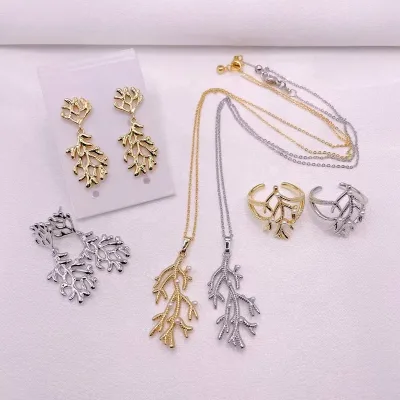


Elephant Gold Necklace, Gold Plated Elephant Charm Hiphop Jewelry Necklace
$14.90 - $15.70
MOQ: 30 Minimum
Comprehensive Sourcing Guide
Claw Setting Gold Necklace Sourcing Guide
Sourcing claw setting gold necklaces requires a nuanced understanding of both the aesthetic appeal and the structural integrity of the jewelry piece. The claw setting, often referred to as prong setting, is designed to hold gemstones securely while maximizing light exposure, thereby enhancing the brilliance of the stone. When sourcing these items, buyers must distinguish between solid gold pieces and gold-plated alternatives, as the underlying material significantly impacts durability, cost, and target market positioning. The visual appeal of a gold necklace is heavily dependent on the quality of the plating or the purity of the gold alloy used, making material verification a critical first step in the procurement process.
Buyers should also consider the versatility of claw setting designs, which range from simple solitaire styles to more complex arrangements involving multiple stones. The observed market includes a variety of pendant shapes, such as stars, crosses, flowers, and round cuts, each requiring different levels of craftsmanship. Understanding the specific design intent helps in selecting suppliers who specialize in the desired aesthetic. Furthermore, the unisex nature of some modern designs expands the potential customer base, allowing for broader marketing strategies. However, this versatility also means that quality control must be rigorous to ensure that the delicate prongs do not snag on clothing or compromise the security of the stone during daily wear.
Product Scope and Observed Listing Signals
The current market landscape for claw setting gold necklaces reveals a diverse array of product attributes that buyers must navigate carefully. Observed listings indicate a wide price range, reflecting variations in material quality, plating thickness, and design complexity. Some products are identified as stainless steel with gold or rhodium plating, offering a cost-effective alternative to solid gold while maintaining a luxurious appearance. Others are crafted from 925 sterling silver with similar plating options, catering to buyers seeking hypoallergenic properties at a lower price point. Alloy-based necklaces are also prevalent, often featuring customized logos and sizes, which suggests a strong market for branded or personalized jewelry items.
In addition to material variations, the observed data highlights significant differences in manufacturing processes and customization capabilities. Techniques such as micro wax setting and non-setting inlay technologies are employed, each offering distinct advantages in terms of stone security and production speed. The presence of customized standards and packaging options, such as OPP bags or strong cartons, indicates that suppliers are equipped to handle specific logistical requirements. Buyers should pay close attention to these signals, as they provide insight into the supplier’s flexibility and ability to meet unique brand requirements. The availability of one-stop solutions further simplifies the sourcing process, allowing buyers to consolidate orders for various jewelry types.
Technical Specifications to Verify
Verifying technical specifications is paramount when sourcing claw setting gold necklaces to ensure product consistency and customer satisfaction. Buyers must confirm the exact dimensions of the necklace, including chain length and pendant size, as these directly affect the fit and visual proportion of the jewelry. The model numbers provided in listings, such as SN31753-M or N38079, serve as unique identifiers that help in tracking specific designs and managing inventory. It is essential to verify that the pendant shape, whether it be a star, cross, or charm, matches the design specifications precisely, as even minor deviations can lead to customer dissatisfaction. Additionally, the type of chain, such as link chains, should be inspected for durability and flexibility.
The plating process is another critical technical aspect that requires thorough verification. Buyers should inquire about the thickness of the gold or rhodium plating, as this determines the longevity of the color and resistance to tarnishing. The base material, whether it is stainless steel, 925 sterling silver, or alloy, must be confirmed through material certificates or independent testing. Furthermore, the setting technique, such as micro wax setting, should be evaluated for its ability to securely hold stones without causing damage. Buyers should also check for any specific logo stamps, such as "925" or custom branding, to ensure authenticity and brand alignment. These technical details form the foundation of product quality and must be rigorously validated before placing large orders.
Compliance and Safety Documentation
Compliance with international safety standards is non-negotiable when sourcing jewelry for global markets. Buyers must ensure that all products meet the relevant regulatory requirements for materials and chemical composition, particularly regarding nickel content and heavy metals. The presence of SGS certification in observed listings is a positive indicator, suggesting that the supplier has undergone third-party testing for safety and quality. However, buyers should not rely solely on this certification; they must request specific test reports that detail the results for each batch of production. These reports should cover compliance with standards such as REACH in Europe or CPSIA in the United States, depending on the target market.
In addition to material safety, buyers should verify that the supplier adheres to ethical manufacturing practices. This includes ensuring that the labor conditions in the production facilities meet international labor standards and that there is no use of conflict minerals in the sourcing of materials. Documentation such as factory audit reports or social compliance certificates can provide evidence of these practices. Buyers should also inquire about the supplier’s quality management systems, such as ISO certifications, which indicate a structured approach to maintaining consistent product quality. By prioritizing compliance and safety documentation, buyers can mitigate risks associated with product recalls, legal liabilities, and reputational damage.
Cost Drivers and Commercial Terms
Understanding the cost drivers associated with claw setting gold necklaces is essential for effective budgeting and negotiation. The primary cost factors include the price of raw materials, such as gold, silver, or stainless steel, as well as the cost of plating and gemstones. Labor costs also play a significant role, particularly for intricate designs that require skilled craftsmanship. Buyers should be aware that customized orders, such as those with specific logos or packaging, may incur additional setup fees or higher unit prices. The observed MOQ of 1000 PCS for some items suggests that economies of scale are a key consideration in pricing, with larger orders typically benefiting from lower per-unit costs.
Commercial terms, including payment methods and delivery times, also impact the overall cost of procurement. Buyers should negotiate favorable payment terms, such as a deposit followed by balance payment upon shipment, to manage cash flow effectively. The observed delivery time of 20-35 days after receiving the deposit is a standard range, but buyers should confirm if expedited shipping options are available for urgent orders. Shipping costs, whether by ocean, air, or express, should be clearly defined in the contract to avoid unexpected expenses. Additionally, buyers should inquire about the supplier’s policy on defects or returns, as this can affect the total cost of ownership. Clear communication of these terms helps in establishing a transparent and mutually beneficial business relationship.
Supplier Qualification and Quality Control
Qualifying suppliers is a critical step in ensuring the reliability and consistency of Claw Setting Gold Necklace production. Buyers should conduct thorough due diligence on potential suppliers, including verifying their business licenses, production capacity, and export experience. Site visits or virtual audits can provide valuable insights into the supplier’s manufacturing processes, quality control systems, and overall operational efficiency. It is important to assess the supplier’s ability to handle customization requests, as this indicates their flexibility and responsiveness to buyer needs. Suppliers with a proven track record of exporting to reputable markets are generally more reliable, as they are familiar with international standards and customer expectations.
Quality control measures should be established from the outset of the partnership to minimize defects and ensure product consistency. Buyers should implement a robust inspection process, including pre-production samples, in-line inspections, and final random inspections before shipment. These inspections should cover all critical aspects of the product, including material composition, plating quality, stone setting, and packaging. Suppliers should be required to provide detailed inspection reports for each batch, allowing buyers to monitor quality trends and address any issues promptly. Establishing clear quality standards and communication channels helps in building a strong partnership based on trust and mutual accountability. Regular feedback and continuous improvement initiatives can further enhance the quality of the products over time.
Long-Term Procurement Checks
Long-term procurement success depends on continuous monitoring and evaluation of supplier performance and market trends. Buyers should regularly review supplier metrics, such as on-time delivery rates, defect rates, and responsiveness to issues, to identify areas for improvement. Building a diversified supplier base can mitigate risks associated with single-source dependencies, ensuring continuity of supply in case of disruptions. Buyers should also stay informed about changes in material costs, regulatory requirements, and consumer preferences, as these factors can impact sourcing strategies. Engaging in regular business reviews with suppliers can help in aligning expectations and fostering a collaborative relationship.
Additionally, buyers should invest in building strong relationships with suppliers to gain access to new designs and innovations. Suppliers who are committed to continuous improvement are more likely to offer competitive pricing and high-quality products. Buyers should also consider the environmental impact of their sourcing decisions, prioritizing suppliers who adopt sustainable practices. This includes using eco-friendly materials, reducing waste, and ensuring ethical labor practices. By focusing on long-term partnerships and sustainable sourcing, buyers can create a resilient supply chain that supports their brand’s growth and reputation. Regularly updating procurement strategies based on market insights and supplier performance ensures that the business remains competitive and responsive to changing demands.
FAQs
What materials are used for gold claw setting necklaces?
Gold claw setting necklaces are commonly crafted from 925 sterling silver or stainless steel. These base materials provide durability and a premium feel. The pieces often feature platinum, gold, or rhodium plating to enhance the visual appeal. Alloy materials are also utilized for specific fashion styles. This variety ensures options for different budgets and aesthetic preferences while maintaining structural integrity.
Can I customize the logo on these necklaces?
Yes, customization is available for these necklaces. Buyers can request customized logos or stamps, such as 925 markings. The production process supports specific branding requirements. This service allows businesses to create unique inventory. Customization options extend to packaging and model specifications. Contact suppliers directly to discuss specific logo placement and design constraints for your order.
What is the typical lead time for production?
The typical delivery time is 20-35 days after receiving the deposit. This timeframe applies to standard production runs. Expedited options may vary based on supplier capacity. Buyers should account for this duration when planning inventory. The lead time includes manufacturing, quality checks, and preparation for shipment. Confirm exact dates with the supplier before finalizing the purchase agreement.
Which certifications do these necklaces hold?
These necklaces often hold SGS certification. This standard ensures quality and safety compliance. Some products may also meet customized standards. Buyers can request SGS approval documentation. This certification adds value for retail markets. Verify specific certificate availability with the supplier. The presence of SGS indicates adherence to recognized industry benchmarks for jewelry manufacturing.
What are the common pendant shapes available?
Common pendant shapes include star, round, charm, cross, and flower designs. Solitaire diamond styles are also offered. These shapes cater to diverse fashion trends. The variety allows for broad market appeal. Buyers can select shapes based on target customer preferences. Each shape is crafted with precision. The selection supports both classic and modern aesthetic requirements for jewelry collections.
How is the packaging handled for these items?
Packaging typically includes OPP bags and strong cartons. Custom packaging requirements are also accepted. This ensures safe transit and professional presentation. Buyers can specify unique packaging solutions. The standard method protects items from damage. Custom options allow for branded unboxing experiences. Discuss packaging details with the supplier to align with your retail or distribution needs.