Find Bolt Connection Steel Structure Shed for Warehouses
Explore 30 Bolt Connection Steel Structure Shed options designed for industrial warehouses and commercial facilities. Compare specifications, material grades, and design parameters to identify the right structural solution for your project requirements; compare the available evidence and request quotations based on your requirements.
Key considerations
Products List


$35.00 - $95.00
MOQ: 100 Square Meters


Bolt Fastened Structural Frame Steel Structure Prefab Metal Storage Shed
$35.00 - $60.00
MOQ: 200 Square Meters

Steel Beam Connection Network Steel Structure Prefab Metal Storage Shed
$35.00 - $60.00
MOQ: 200 Square Meters

Steel Frame Connection Network Steel Structure Prefab Metal Storage Shed
$35.00 - $60.00
MOQ: 200 Square Meters

Steel Column Support Structure Steel Structure Prefab Metal Storage Shed
$35.00 - $60.00
MOQ: 200 Square Meters


Steel Column Base Connection Steel Structure Prefab Metal Storage Shed
$35.00 - $60.00
MOQ: 200 Square Meters

Hot Sale Low Cost Prefabricated Steel Structure Shed
$900.00 - $1200.00
MOQ: 1 Tons
Qingdao Xinguangzheng Huayang Construction Engineering Co., Ltd.


Steel Structure Warehouse Steel Construction Building
$30.00 - $60.00
MOQ: 1000 Square Meters
Qingdao Xinguangzheng Huayang Construction Engineering Co., Ltd.


Environmental Prefab Light Steel Structure Factory Warehouse Building
$25.00 - $85.00
MOQ: 300 Square Meters

Low Cost Steel Building Kits Storage Shed Steel Structure Building
$25.00 - $65.00
MOQ: 200 Square Meters

Customized Steel Structure Workshop Metal Construction Shed Building
$50.00 - $60.00
MOQ: 1000 Square Meters


Metal Building Shed Steel Structure Workshop Warehouse Building
$31.99 - $48.99
MOQ: 100 Square Meters
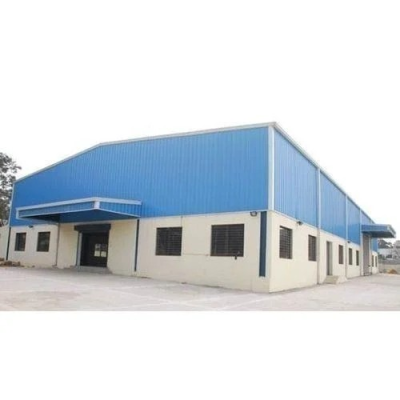
Comprehensive Sourcing Guide
Bolt Connection Steel Structure Shed Sourcing Guide
Buyers evaluating bolt connection steel structure sheds must first recognize that these systems are designed for rapid assembly and high structural integrity, often featuring bolted joints rather than welded connections for field flexibility. The observed product listings indicate a strong emphasis on seismic and wind resistance, with specific models rated for Grade 14 wind loads and Grade 10 earthquake resistance, ensuring stability in diverse climatic zones.
When initiating a search, procurement teams should verify that the supplier offers customization options to match specific site requirements, as the core keyword implies a need for adaptable structural solutions. The available data confirms that these structures can be tailored with various sandwich panel materials, including EPS, Rock Wool, or PU, allowing buyers to select insulation properties that align with their intended warehouse or industrial usage.
Product Scope and Observed Listing Signals
The market for bolt connection steel structure sheds presents a wide price range, typically observed between 20 and 1200 USD, which reflects significant variations in material grade, structural complexity, and included services. Buyers must understand that this variance often correlates with the specific model designation, such as KXD-SBT007 or KXD-462, and whether the quote includes a turnkey solution or merely the raw structural components.
Procurement decisions should also account for the observed minimum order quantities, which range from single units to 1000 pieces, indicating that suppliers cater to both small-scale projects and large industrial deployments. The product scope frequently includes sliding or rolling doors and aluminum alloy windows, suggesting that the final delivered structure is a complete enclosure ready for immediate operational deployment rather than a bare frame.
Technical Specifications to Verify
Technical due diligence requires confirming that the steel structure utilizes high-intensity materials like ASTM A36, Ss400, or Q235B carbon structural steel, which are explicitly listed in the product attributes. Buyers must verify that the surface processing involves galvanization or painting to ensure anti-corrosion properties, as these treatments are critical for extending the life cycle of the structure to the observed 50-year potential.
Engineers should scrutinize the design parameters to ensure the structure can withstand specific wind loads, snow loads, and earthquake forces as defined by the project site. The connection form is consistently identified as bolted, which facilitates easier installation and potential disassembly, while the product origin from Qingdao, China, suggests a supply chain that must be evaluated for logistics efficiency and lead times.
Compliance and Safety Documentation
Compliance verification is paramount, as the supplied facts indicate that reputable suppliers provide certifications such as ISO, CE, SGS, and BV to validate their manufacturing processes and product safety. Buyers should request specific documentation proving that the steel grades and connection methods meet international standards like GB, ASTM, DIN, JIS, and AISI, ensuring the structure is legally compliant for construction in the target region.
Safety documentation must also cover the installation process, where suppliers often provide installation drawings or on-site guidance to mitigate risks during assembly. The presence of a dedicated engineering team and daily quality control measures suggests a robust framework for maintaining safety standards, but buyers must explicitly confirm that these protocols are applied to their specific order before finalizing the contract.
Cost Drivers and Commercial Terms
Cost drivers for bolt connection steel structure sheds are heavily influenced by the choice of sandwich panel materials, such as Rock Wool versus EPS, and the complexity of the custom design required for the specific site. The observed price range suggests that buyers should carefully evaluate whether the lower-cost options include necessary accessories like doors, windows, and specialized fasteners, or if these are line items that significantly increase the final invoice.
Commercial terms should clearly define the packaging method, which is often flat-packed in containers to optimize shipping volume, or customized as requested by the buyer. Procurement teams must also clarify the construction period, which is typically around 60 days, and ensure that the warranty period, ranging from 7 to 40 years, is explicitly stated in the contract to protect against long-term structural failures.
Supplier Qualification and Quality Control
Supplier qualification should focus on verifying the existence of a dedicated engineering team, with observed data indicating teams of around 20 members capable of providing CAD-based design tools and turnkey project management. This level of internal capability is essential for ensuring that the custom design parameters are accurately translated into the final steel structure without costly errors during the fabrication phase.
Quality control mechanisms must be rigorously assessed, as the data highlights daily quality checks and a commitment to producing finished goods that meet strict standards. Buyers should request evidence of the supplier's ability to handle the full lifecycle of the project, from initial design to aftersale service, ensuring that any post-installation issues are addressed promptly and professionally.
Long-Term Procurement Checks
Long-term procurement strategies must prioritize the durability and maintainability of the bolt connection steel structure, given the observed life cycle of up to 50 years. Buyers should establish a maintenance schedule that aligns with the anti-corrosion features and the specific environmental conditions of the installation site to ensure the structure retains its high intensity and structural integrity over decades.
Finally, buyers should verify the supplier's capacity for future expansion or modification, as the customizable nature of these sheds allows for easy adaptation to changing business needs. The availability of a 7 to 40-year warranty provides a safety net, but it is crucial to understand the specific terms and conditions that govern this coverage to ensure it remains valid throughout the operational life of the facility.
FAQs
How is the steel structure shed connected?
The product uses a bolt connection for assembly. This method ensures high intensity and easy installation while providing earthquake resistance and anti-corrosion properties for long-term durability in various environments.
What customization options are available for the shed?
Customization is available to meet specific project needs. Buyers can select from EPS, Rock Wool, Glass Wool, or PU sandwich panels for walls and roofs, along with sliding or rolling door options.
Which certifications does the steel structure hold?
The product holds ISO, SGS, BV, and CE certifications. These standards ensure quality control and compliance with international requirements for structural steel sheds used in warehouse applications across different regions.
Can the shed be installed on site?
Yes, installation support is provided with drawings or guides. The engineering team offers turnkey solutions, and the construction period typically takes around 60 days depending on the specific design requirements.
What is the wind and earthquake resistance grade?
The structure features Grade 14 wind resistance and Grade 10 earthquake resistance. These design parameters ensure safety against wind loads, snow loads, and seismic events for reliable performance in harsh conditions.
How long is the warranty period for the shed?
The warranty period ranges from 7 to 40 years. This coverage reflects the high-quality steel materials and surface treatments like galvanizing or painting used to ensure a long life cycle of 50 years.