Source Bolt-on Carbon Fiber Wheels for Cars, Trucks, and Bikes
Compare 30 listings for Bolt-on Carbon Fiber Wheels featuring aluminum and steel construction. Options include 4WD compatibility, custom colors, and various spoke types like flat or equal diameter designs. Verify certifications such as ISO and CE for quality assurance.
Key considerations
Products List




Forged Wheels 20 21 Inch Aluminum Alloy Wheel Rim Bolt Pattern 5X114.3
$198.00 - $598.00
MOQ: 4 Pieces


Comprehensive Sourcing Guide
Bolt-on Carbon Fiber Wheels Sourcing Guide
Procuring bolt-on carbon fiber wheels requires distinguishing between composite wheel assemblies and the specific fasteners that secure them to the hub. While the supplied data highlights steel and aluminum wheel hubs, the core keyword demands a focus on the interface between the wheel and the axle. Buyers must verify that the fasteners provided are compatible with the high-stress environment of carbon fiber rims, which often require specific torque settings to prevent crushing the composite material. The observed product range includes various wheel types, but the critical procurement decision lies in selecting the correct bolt-on hardware that matches the wheel's specific mounting pattern and load requirements.
Sourcing strategies should prioritize suppliers who offer customization for wheel accessories and specific bolt configurations. The available data indicates that customization is a standard offering, allowing buyers to tailor the connection interface to their specific vehicle or machinery needs. However, the presence of steel and aluminum materials in the general catalog suggests that buyers must explicitly filter for carbon fiber compatibility, as standard steel bolts may not provide the necessary corrosion resistance or weight savings required for high-performance applications. Verification of the connection type, such as common bolts or hexagon heads, is essential before finalizing any order to ensure mechanical integrity.
Product Scope and Observed Listing Signals
The observed market signals reveal a diverse range of wheel components, including hubs, covers, and various fasteners like wheel nuts and bolts. Listings indicate materials ranging from aluminum and steel to carbon steel, with specific models like DIN74361N and MXAP054 appearing in the catalog. Buyers must carefully navigate these listings to isolate products specifically designed for carbon fiber wheels, as the general scope includes heavy-duty applications like tunnel boring machines and stone processing equipment. The presence of "Lowest" price attributes and varied MOQs suggests a competitive market, but the primary signal to watch is the explicit mention of carbon fiber compatibility or specific wheel hub types that support composite rims.
Listing signals also highlight significant variability in packaging and shipping methods, from wooden packages to cartons and pallets. This variability impacts the procurement strategy, as carbon fiber components are sensitive to impact and require robust protection during transit. The data shows that packing can be customized to customer requests, which is a critical factor for buyers transporting delicate composite wheels. Additionally, the observed lead times of 15 to 30 days and the availability of sea, air, or express shipment options allow for flexible planning, but buyers must align these logistics with the specific delivery windows required for their production schedules.
Technical Specifications to Verify
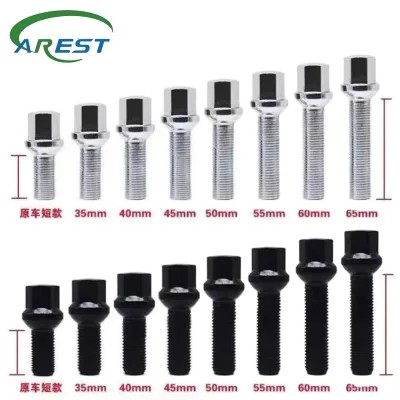
Technical verification must begin with the precise thread specifications and head styles of the fasteners, as the data lists sizes like M12X1.5mm and head styles such as hexagonal. For carbon fiber wheels, the bolt grade and material strength are paramount; while the catalog mentions Grade 8 carbon steel, buyers must confirm if this grade is suitable for the specific load and torque requirements of their carbon fiber application. The connection type, often listed as a common bolt, must be cross-referenced with the wheel hub's mounting pattern to ensure a secure fit. Misalignment in these specifications can lead to catastrophic failure, making detailed technical review a non-negotiable step in the sourcing process.
Beyond the fasteners, the wheel hub specifications and spoke types must be evaluated to ensure compatibility with the bolt-on system. The observed data includes flat spokes and equal diameter spokes, which influence the structural integrity of the wheel assembly. Buyers should verify that the hub model, such as 576825 or NJF039, is designed to work seamlessly with the selected carbon fiber rim. The manufacturing process, noted as brazing in some contexts, may also affect the durability of the connection points. Ensuring that the physical dimensions and structural design of the hub match the wheel's requirements is essential for maintaining safety and performance standards.
Compliance and Safety Documentation
Compliance verification is critical when sourcing components for high-stress applications, as the data lists certifications including ISO, TUV, VIA, DOT, and CE. Buyers must request specific documentation proving that the bolts and wheel hubs meet these standards for their intended use, particularly for automotive or heavy machinery applications. The presence of these certifications suggests a baseline of quality, but the buyer must confirm that the specific batch of carbon fiber wheels and their associated fasteners have been tested and certified under the relevant safety protocols. Without this documentation, the risk of liability and mechanical failure increases significantly.
Safety documentation should also address the condition and application of the products, as the data notes that items are typically new and used in applications ranging from stone processing to tunnel boring. For carbon fiber wheels, safety data sheets (SDS) and torque specifications are vital to prevent damage during installation. The buyer must ensure that the supplier provides clear instructions on the maximum torque limits for the bolts to avoid crushing the carbon fiber material. Additionally, verifying the origin of the products, such as Jiangxi or Zhejiang, China, can help in assessing the regulatory environment and the reliability of the manufacturing processes used to produce these safety-critical components.
Cost Drivers and Commercial Terms
Cost drivers for bolt-on carbon fiber wheels are heavily influenced by the material composition and the level of customization required. The observed data indicates that prices can range from 0 to 598 USD, with MOQs varying from 1 to 10,000 units. Buyers should anticipate higher costs for specialized carbon fiber components compared to standard steel or aluminum parts, especially when custom colors or specific packing requirements are requested. The "Lowest" price attribute in the listings may apply to standard items, so buyers must clarify if the quoted price includes the specialized fasteners needed for carbon fiber compatibility.
Commercial terms such as payment methods and lead times are also significant factors in the total cost of ownership. The data shows that payment is typically accepted via TT or LC, and lead times range from 15 to 30 days. These terms can impact cash flow and project timelines, particularly for large orders with negotiated MOQs. Buyers should negotiate flexible payment terms and clear delivery schedules to mitigate risks associated with supply chain delays. Understanding the full scope of these commercial terms, including shipping options like sea, air, or express, is essential for accurate budgeting and ensuring that the procurement process aligns with the buyer's financial and operational constraints.
Supplier Qualification and Quality Control
Supplier qualification should focus on verifying the manufacturing capabilities and quality control processes, as the data highlights a "High Level" of quality and OEM service acceptance. Buyers must assess the supplier's ability to maintain consistent quality across different production runs, especially for custom orders involving carbon fiber wheels. The presence of specific models and standards in the catalog suggests a mature manufacturing base, but buyers should request evidence of their quality control protocols, such as inspection reports or test results, to ensure that the products meet the required specifications.
Quality control measures must also include verification of the raw materials and the manufacturing process. The data mentions materials like carbon steel and aluminum, as well as processes like brazing, which can affect the final product's integrity. Buyers should ensure that the supplier has strict controls over these processes to prevent defects that could compromise the safety of the wheel assembly. Additionally, the ability to customize packing and shipping methods indicates a supplier's flexibility, but buyers must confirm that these customizations do not compromise the protection of the carbon fiber components during transit.
Long-Term Procurement Checks
Long-term procurement checks should involve regular audits of supplier performance and product consistency to ensure ongoing reliability. Buyers must establish a schedule for reviewing the quality of delivered goods, checking for any deviations in specifications or material properties that could indicate a lapse in quality control. The data suggests that suppliers offer customization and various packing options, but these features must be consistently delivered to maintain the integrity of the supply chain. Regular communication with the supplier regarding any changes in standards or manufacturing processes is essential for adapting to new requirements or regulatory changes.
Sustainability and supply chain resilience are also critical long-term considerations. Buyers should evaluate the supplier's ability to maintain lead times and manage inventory levels, especially given the observed range of 15 to 30 days for delivery. The location of the supplier, such as Ruian or Zhejiang, China, may impact logistics and lead times, so buyers should develop contingency plans for potential disruptions. By maintaining a proactive approach to supplier management and regularly reviewing performance metrics, buyers can ensure a stable and reliable supply of bolt-on carbon fiber wheels for their long-term operational needs.
FAQs
Can Bolt-on Carbon Fiber Wheels be customized to my specifications?
Yes, customization is available for Bolt-on Carbon Fiber Wheels based on buyer requirements. Options typically include colors, packaging preferences, and dimensional specifications. Buyers should confirm design drawings, mounting patterns, and finish requirements before ordering, since customization may affect the quoted price, minimum order quantity, and the standard 30-day lead time.
What is the typical lead time for Bolt-on Carbon Fiber Wheels?
Lead time is commonly around 30 days, though some related wheel hardware products are delivered in 15 days. The final timeline depends on order quantity, customization level, and production scheduling. Buyers should confirm the exact delivery date with the supplier before placing an order, and factor in additional shipping time by sea, air, or express.
What certifications should I look for when sourcing these wheels?
Relevant certifications for wheel and wheel-related products include ISO, TUV, VIA, DOT, and CE. These cover quality management, safety, and market-entry requirements in different regions. Buyers should request valid, current certificates for the specific product model rather than assuming all listed items carry every certification, and verify scope applies to carbon fiber wheel assemblies.
How are Bolt-on Carbon Fiber Wheels packed for shipping?
Common packing options include cartons, wooden packages, wooden packing, or small packing combined with cartons and pallets, and some suppliers pack according to customer requests. Carton packing suits smaller shipments, while wooden packaging offers better protection for heavier items during sea freight. Confirm the packing method early because it affects freight cost, container loading, and product protection in transit.
Can I place a small trial order for Bolt-on Carbon Fiber Wheels?
Yes, minimum order quantities can often be negotiated, and some listings accept orders starting from one piece. A trial order lets you verify quality, fitment, and finish before committing to volume. Keep in mind that very small quantities usually carry a higher unit price, so discuss sample pricing and shipping terms with the supplier in advance.
Which materials are used in wheel products alongside carbon fiber?
Wheel-related products in this category are commonly made from aluminum, steel, or carbon steel, with hexagonal wheel nuts in carbon steel as typical companion hardware. Carbon fiber components are often combined with aluminum or steel hubs and fasteners for strength and mounting reliability. Confirm the exact material grade and construction method for the specific model you intend to purchase.
What payment and shipping terms are commonly available?
Payment terms commonly include T/T and LC, giving buyers flexibility between advance transfer and documentary credit. Shipping can be arranged by sea, air, or express, depending on urgency and order size. Confirm incoterms, freight responsibility, and insurance with the supplier before ordering, since these terms determine total landed cost and risk during international transport.
What is the size range available for wheel products?
Wheel products in this category span from 4 inch to 62 inch, covering small automotive applications through large industrial equipment. Fastener specifications such as M12X1.5mm wheel nuts are also listed. Buyers should match wheel diameter, mounting pattern, and bolt specifications to their vehicle or machine requirements, and confirm exact dimensions with the supplier before ordering.