Source Static Load Chair Testing Equipment for Durability, Safety, and Quality
Compare 27 Static Load Chair Testing Equipment units from verified Chinese manufacturers. These machines support furniture mechanics tests with digital displays, varying load capacities, and customizable OEM/ODM options for diverse seating durability assessments; compare the available evidence and request quotations based on your requirements.
Key considerations
Products List


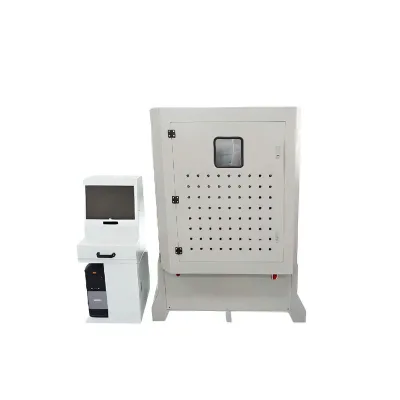
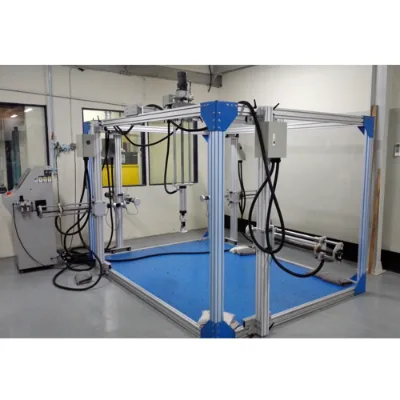
Chair Comprehensive Mechanical Testing Instrument Table and Chair Testing Machine
$199.00 - $4000.00
MOQ: 1 Pieces


Office Chair Five-Star Static Load Tester Office Chair Five-Star Compression Tester
$1000.00 - $3500.00
MOQ: 1 Pieces


High Quality Office Chair Backrest Testing Machine Office Chair Push-back Tester
$1000.00 - $3500.00
MOQ: 1 Pieces


Office Chair Backrest Durability Testing Machine Chair Push Back Fatigue Test Equipment
$1200.00 - $3500.00
MOQ: 1 Pieces


Comprehensive Sourcing Guide
Static Load Chair Testing Equipment Sourcing Guide
Procuring Static Load Chair Testing Equipment requires a precise understanding of mechanical capabilities and control systems to ensure accurate durability assessment. Buyers must evaluate whether the machine supports static loading methods or electronic load variations, as these determine the fidelity of the test results for furniture mechanics. The observed market includes models with varying weight capacities, ranging from lightweight units under 100 kg to heavy-duty systems exceeding 800 kg, which directly impacts installation requirements and floor loading considerations.
Selection also hinges on the specific testing protocols the equipment must support, such as vertical cushion loading or horizontal handrail tests. Different models offer distinct shaft travels and maximum load limits, such as 2000 N for handrails or 5000 N for cushions, necessitating a clear definition of the furniture types to be tested. Buyers should verify if the system includes computer control for precision or digital displays for manual operation, ensuring the interface aligns with their quality assurance team’s operational preferences and data recording needs.
Product Scope and Observed Listing Signals
The current market for Static Load Chair Testing Equipment presents a diverse range of models, identified by codes such as LT-JJ03-C1, HJ-66, and GA-F007, each tailored to specific mechanical testing needs. Listings indicate a price range from approximately 199 to 40,000 USD, reflecting significant variations in complexity, automation level, and load capacity. This wide spectrum allows buyers to select equipment that matches their budget while meeting essential technical requirements for furniture durability assessment, from basic manual testers to advanced computer-controlled systems.
Observed minimum order quantities are consistently listed as one unit, suggesting that suppliers typically operate on a direct-to-buyer model rather than requiring bulk procurement. This structure facilitates easier entry for small to medium-sized testing laboratories or furniture manufacturers who need single units for quality control. The availability of customization support, including OEM and ODM services, indicates that suppliers are willing to adapt standard designs to specific client requirements, offering flexibility in branding and minor functional adjustments to suit unique testing environments.
Technical Specifications to Verify
When evaluating technical specifications, buyers must prioritize the machine’s power source and drive mechanism, as these affect operational stability and maintenance needs. Common configurations include AC220V power sources with electric drive transfer methods, ensuring consistent performance during high-frequency tests that may reach up to 32,000 times. It is crucial to verify the maximum adjustable stroke, which can range from 500 mm to specific shaft travels like 200 mm for vertical loading, to ensure the equipment accommodates the height and dimensions of the chairs or furniture pieces under test.
Load capacity and accuracy grade are equally critical parameters that define the machine’s testing range and reliability. Specifications often cite maximum capacities under 1000 KN and accuracy grades of 0, indicating high precision for critical measurements. Buyers should also confirm the suitable seat height range, typically between 300 and 600 mm, and the maximum diameter of workpieces, which may be up to 700 mm, to guarantee compatibility with their product portfolio. Verifying these dimensions prevents costly mismatches between the testing equipment and the physical attributes of the furniture being evaluated.
Compliance and Safety Documentation
Ensuring that testing equipment meets relevant safety and performance standards is essential for maintaining operational integrity and regulatory compliance. While specific certification statuses vary by supplier, buyers should request documentation confirming that the machine adheres to recognized industry norms for mechanical safety and electrical standards. This includes verifying that the control systems, whether digital or computer-based, provide accurate data logging and fail-safe mechanisms to protect both the operator and the equipment during high-load tests.
Documentation should also cover the testing frequency and load settings, ensuring they align with international furniture durability standards such as EN 1335, where applicable. Buyers must confirm that the machine’s test times, which can be set arbitrarily from 1 to 9,999,999 times, are accurately calibrated and reproducible. Access to comprehensive user manuals and calibration certificates is vital for establishing a reliable quality assurance protocol, allowing laboratories to validate their test results against external benchmarks and internal quality goals.
Cost Drivers and Commercial Terms
The final cost of Static Load Chair Testing Equipment is influenced by several key factors, including the machine’s weight, packing method, and level of automation. Heavier units, such as those weighing 800 kg or more, may incur higher shipping and installation costs due to the need for specialized logistics and reinforced flooring. Additionally, the choice between standard wooden case packing and fumigation-free export wooden boxes can affect customs clearance times and associated fees, particularly for international shipments originating from China.
Commercial terms often include customization options that can impact the overall price, such as OEM branding or specific software integrations. Buyers should clarify whether the listed price includes installation, training, and initial calibration services, as these are critical for immediate operational readiness. Understanding the total cost of ownership, including energy consumption rates like 0.5 kW or 1.5 kW motor power, helps in budgeting for long-term operational expenses alongside the initial capital expenditure.
Supplier Qualification and Quality Control
Selecting a qualified supplier involves verifying their manufacturing capabilities and quality control processes to ensure the equipment meets specified technical requirements. Buyers should inquire about the supplier’s experience in producing furniture testing machines and their ability to provide OEM or ODM services, which indicates flexibility and technical competence. It is advisable to request references or case studies from previous clients to assess the reliability and performance of the equipment in real-world testing environments.
Quality control measures should include pre-shipment inspections and detailed factory acceptance tests to verify that the machine performs within specified tolerances. Buyers must confirm that the supplier provides a comprehensive warranty and after-sales support structure, including access to spare parts and technical assistance. Establishing a clear communication channel for troubleshooting and maintenance ensures that any issues can be resolved promptly, minimizing downtime and maintaining the integrity of the testing laboratory’s operations.
Long-Term Procurement Checks
Long-term procurement success depends on establishing a robust maintenance schedule and periodic performance verification for the testing equipment. Buyers should develop a protocol for regular calibration of load cells and stroke measurements to ensure ongoing accuracy and compliance with testing standards. This includes monitoring the condition of mechanical components such as oil cylinders and handrail shafts, which are subject to wear and tear during high-frequency durability tests.
Additionally, staying informed about updates to furniture testing standards and technological advancements in testing equipment is crucial for maintaining competitive quality assurance practices. Buyers should periodically review their testing requirements to determine if upgrades or additional modules are needed to accommodate new product designs or stricter regulatory demands. Building a long-term relationship with the supplier can facilitate access to technical support, firmware updates, and potential upgrades, ensuring the testing infrastructure remains effective and relevant over time.
FAQs
What is the weight capacity for Static Load Chair Testing Equipment?
The maximum capacity is less than 1000KN, with a workpiece mass scope under 900kg. Some models support a maximum diameter of 700mm. This ensures the machine handles heavy furniture components safely during static load evaluations without exceeding structural limits.
Can the equipment be customized for specific testing needs?
Yes, customization is available with OEM and ODM support. Buyers can request specific configurations to match unique testing protocols. This flexibility allows manufacturers to adapt the machinery for diverse furniture mechanics tests, ensuring precise alignment with their quality control requirements.
How is the power source configured for these machines?
The equipment typically uses an AC220V power source. Some models feature a total power of 0.5kw or 1.5kw. This standard electrical configuration ensures compatibility with common industrial facilities, allowing for reliable operation during extended durability and static load testing sessions.
What are the standard dimensions for the testing machines?
Standard dimensions vary by model, such as 3000*1600*2500mm or 1850*1200*2450mm. These sizes accommodate different testing requirements. Buyers should verify the specific footprint to ensure adequate floor space in their facility for installation and safe operation during mechanical tests.
Is digital display and control available on the equipment?
Yes, many models feature digital displays and computer control systems. This allows for precise monitoring of test parameters like load and stroke. The digital interface enhances accuracy during static load evaluations, providing clear data readouts for quality assurance and compliance reporting.
How is the equipment packed for international shipping?
The machines are packed in wooden cases or fumigation-free standard export wooden boxes. This secure packaging protects the equipment during transit. Buyers should confirm the specific packing method to ensure compliance with import regulations and to prevent damage upon arrival at their facility.