Source Booth Sofa for Cafes, Bars, and Restaurants
Compare 30 Booth Sofa options featuring modern styles, synthetic leather, and fabric materials. Buyers can evaluate fixed or customized designs with varying seat heights and warranty periods for hospitality venues.
Key considerations
Products List


Customized Hotel Leisure Sofa Hotel Furniture Modern Furniture Sofa Booth
$168.00 - $198.00
MOQ: 20 Pieces


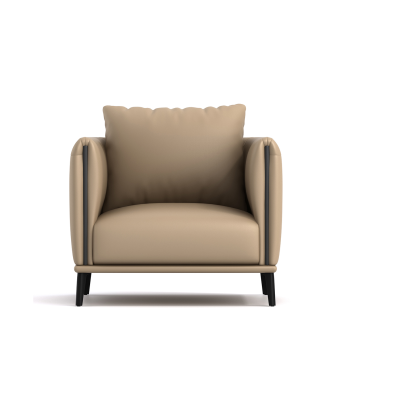

Elegant Restaurant Fastfood Durable 8-10 Seating Booth Sofa with Table
$68.00 - $120.00
MOQ: 10 Meters

Modern Design Booth Seat Sofa for Hotel Restaurant Semi-Circle Sofa Booth
$98.00 - $108.00
MOQ: 10 meter


Classic Double Restaurant Booth and Sofa for Timeless Dining Ambiance
$100.00 - $120.00
MOQ: 10 Meters


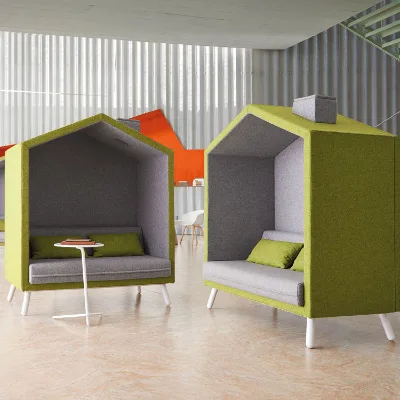
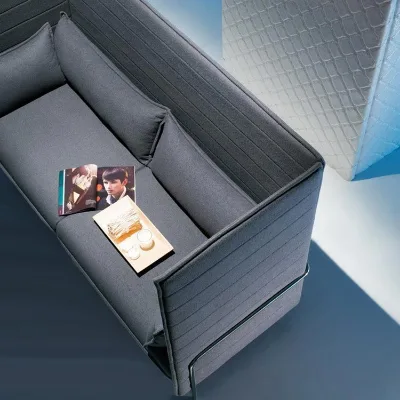


Hot Sales Hotel Dining Bench Booth Sofa Restaurant Sofa Booth Seating
$100.00 - $300.00
MOQ: 10 Pieces
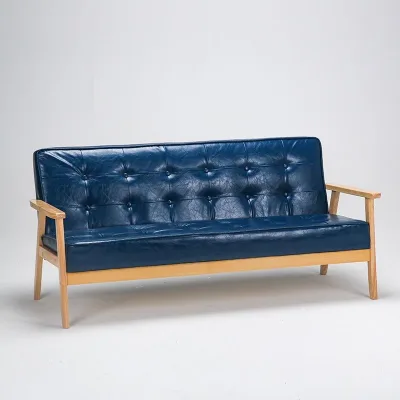


$232.50 - $279.50
MOQ: 30 pieces


Comprehensive Sourcing Guide
Strategic Sourcing Guide for Commercial Booth Sofas
The global market for commercial seating has seen a significant shift toward modular and space-efficient solutions, with the Booth Sofa emerging as a critical asset for hospitality and corporate environments. For procurement professionals, sourcing these units requires a nuanced understanding of technical specifications, material durability, and supply chain reliability. The following guide synthesizes available market data to provide a disciplined approach to acquiring booth sofas that meet rigorous operational standards while managing cost and risk effectively.
Technical Specifications and Dimensional Standards
When evaluating booth sofas, the primary technical differentiator lies in the dimensional consistency and structural integrity. The market data indicates a specific standard dimension of 12060110 cm for certain models, which serves as a baseline for space planning in restaurants and hotels. Buyers must verify that the listed dimensions align with their floor plans, particularly regarding the seat height, which is observed at 45 cm in several high-volume listings. This height is critical for ergonomic comfort and compatibility with standard table heights in dining settings.
Furthermore, the classification of the unit as "Fixed" or "Unfolded" dictates the installation process. Fixed units, such as those described in the data, are designed for permanent installation, offering superior stability compared to movable alternatives. The distinction between "Booth" and "Bench" styles is also vital; while often used interchangeably, a Booth Sofa typically implies a more enclosed, semi-private seating arrangement, whereas a bench may be part of a larger, open configuration. The frame material is predominantly wood, providing a robust skeleton that supports the upholstery and padding. Buyers should confirm the specific wood type and joinery methods to ensure longevity under heavy commercial use.
Material Composition and Durability Factors
The material selection for booth sofas directly impacts both the aesthetic appeal and the lifespan of the furniture. The observed market data highlights three primary material categories: synthetic leather, fabric, and genuine leather. Synthetic leather is frequently cited as a cost-effective alternative that offers high durability and ease of cleaning, making it ideal for high-traffic areas like clubs and steak houses. Fabric options provide a softer, more residential feel but require more rigorous maintenance schedules to prevent staining. Genuine leather, while premium, offers a distinct luxury profile suitable for high-end hotels and private dining rooms.
The padding composition is another critical technical factor. The data consistently points to sponge as the standard padding material. The density and quality of this sponge determine the seat's ability to retain its shape over time. Low-density sponge may compress quickly, leading to customer discomfort and premature replacement. Additionally, the frame material is noted as wood, which must be treated to resist moisture and pests, especially in environments with varying humidity levels. The combination of a wooden frame with high-density sponge and durable upholstery creates a product capable of withstanding the demands of commercial usage.
Compliance, Certification, and Safety Standards
Navigating the regulatory landscape is essential for international procurement. The supplied facts indicate that certain products adhere to ISO9001 standards, which validates the manufacturer's quality management systems. However, buyers must not assume all listed products carry this certification without verification. Specific certifications such as EPA, TECO, and FSC are mentioned in the context of certain suppliers, suggesting a focus on environmental responsibility and sustainable sourcing. The FSC certification, in particular, is crucial for buyers prioritizing sustainable wood sourcing.
Safety compliance is equally important. The data references a "Fire Retardant Standard," though the specific code is listed as "EN" in conjunction with frame material. Buyers must verify that the upholstery and foam meet the specific fire safety regulations of their target export market, whether it be the European EN standards or other regional equivalents. The "regular" standard mentioned for some items suggests that not all products may meet high-end regulatory benchmarks, necessitating a thorough review of the supplier's documentation. Additionally, the presence of OEM and ODM acceptability indicates that suppliers are capable of customizing products to meet specific local compliance requirements, a valuable feature for international buyers.
Cost Drivers and Procurement Economics
Understanding the cost structure of booth sofas is vital for budgeting and negotiation. The observed price range in the market spans from 50 to 1200 USD, a wide variance that reflects differences in material quality, customization levels, and order volume. The Minimum Order Quantity (MOQ) is a significant cost driver, with observed ranges from 1 piece to 100 pieces. Some listings specify an MOQ of 10 meters or 30 pieces, while others allow for single-piece orders. This flexibility allows buyers to test the market with smaller orders before committing to larger volumes.
Lead times are another economic factor, with a standard window of 20-25 days observed for production. This timeline can be influenced by the level of customization required; non-customized units may ship faster, while custom orders involving specific branding or dimensions will require the full production cycle. The packaging method, typically carton-based, also affects shipping costs. Efficient packing reduces damage risk and optimizes container space, directly impacting the landed cost. Buyers should factor in these variables when calculating the total cost of ownership, including shipping, duties, and potential inventory holding costs.
Typical Applications and Usage Scenarios
Booth sofas are versatile solutions designed for a wide array of commercial applications. The data explicitly lists usage in cafes, bars, clubs, restaurants, steak houses, and hotels. This versatility stems from the modular nature of the seating, which can be configured to maximize space efficiency in tight venues. The "Modern" style observed in the market data aligns well with contemporary interior design trends, making these units suitable for trendy urban establishments.
Beyond hospitality, the data notes usage in canteens and office environments. In these settings, the durability and ease of maintenance become paramount. The "Triple" type configuration mentioned suggests options for larger seating arrangements, which are ideal for family dining or group meetings. The "Medium Back" height provides adequate support without obstructing views, a key consideration for social spaces where interaction is desired. Whether for a high-energy club or a quiet office breakroom, the Booth Sofa offers a balance of comfort, style, and functionality that meets diverse operational needs.
Supplier Evaluation and Quality Assurance
Selecting the right supplier requires a rigorous evaluation process that goes beyond price comparison. The data indicates that suppliers offer customization options, including OEM and ODM services, which allows for brand-specific branding and design modifications. Buyers should verify the supplier's ability to deliver on these promises by requesting samples, as the data confirms that samples are available for booth sofas. The warranty period is another critical metric, with observed ranges from 12 months to 3 years. A longer warranty often indicates higher confidence in product quality and durability.
Quality control should be integrated into the procurement process. Buyers must ensure that the supplier adheres to the stated standards, such as ISO9001, and that the products meet the specific material and safety requirements. The "Export Market: Global" attribute suggests that suppliers are experienced in international logistics, but buyers should still verify their track record in their specific region. Checking for consistent quality in previous shipments and reviewing customer feedback can provide insights into the supplier's reliability. Additionally, the "Brand: Uptop" mentioned in the data serves as a reference point for established manufacturers, though buyers should remain open to evaluating other reputable suppliers in the market.
Long-Term Procurement and Lifecycle Management
For long-term success, buyers must consider the lifecycle management of their Booth Sofa inventory. The "12 Months" to "3 Year" warranty periods highlight the importance of after-sales support. Procurement strategies should include establishing clear communication channels with suppliers for maintenance and repair needs. The availability of spare parts and the ease of re-upholstering or replacing components can significantly extend the lifespan of the furniture.
Sustainability is also a growing consideration in long-term procurement. The mention of FSC certification and the use of wood frames suggests that eco-friendly options are available. Buyers should prioritize suppliers who demonstrate a commitment to sustainable practices, as this can enhance brand reputation and align with corporate social responsibility goals. Finally, the flexibility to customize orders allows businesses to adapt their seating arrangements as their operational needs evolve, ensuring that the investment remains relevant and functional over time. By focusing on these long-term factors, buyers can build a resilient supply chain that supports their business growth and operational efficiency.
FAQs
What are the standard dimensions for booth sofas?
The standard dimension observed for booth sofas is 120*60*110 cm. This size serves as a baseline for space planning in restaurants and hotels, though other models may vary slightly in configuration.
Can I order a single Booth Sofa unit?
Yes, some listings allow a Minimum Order Quantity of just 1 piece. However, other suppliers may require orders of 30 pieces or 10 meters, so buyers must verify specific MOQs before purchasing.
What materials are used for Booth Sofa frames?
The frame material is predominantly wood, providing a robust skeleton for the seating. This wood must be treated to resist moisture and pests, especially in environments with varying humidity levels.
How long is the lead time for production?
The standard lead time for production is 20 to 25 days. This timeline can be influenced by the level of customization required, with non-customized units potentially shipping faster.
Which certifications are available for these products?
Certain products adhere to ISO9001 standards and may include EPA, TECO, and FSC certifications. Buyers should verify specific documentation as not all listed products carry these certifications without confirmation.
What is the warranty period for booth sofas?
The warranty period ranges from 12 months to 3 years depending on the supplier. A longer warranty often indicates higher confidence in product quality and durability for commercial use.
Can suppliers provide samples for booth sofas?
Yes, samples are available for booth sofas to help buyers evaluate quality. Buyers should request these samples to verify material composition and padding density before committing to larger volumes.