Source Booty Workout Ankle Resistance Band for Gym, Yoga, and Shaping
Explore 30 verified listings for the Booty Workout Ankle Resistance Band designed for strength training, yoga stretching, and body shaping. Buyers can compare TPE and latex options with adjustable resistance levels and durable designs from China-based manufacturers.
Key considerations
Products List











Comprehensive Sourcing Guide
Strategic Sourcing Guide for Booty Workout Ankle Resistance Bands
Understanding Product Specifications and Material Composition
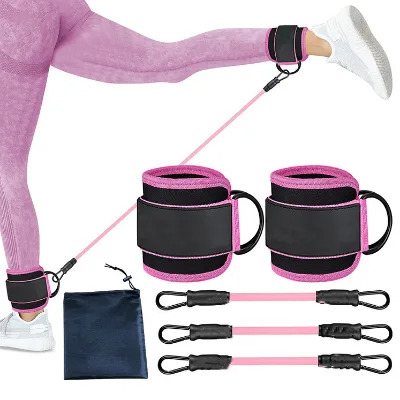
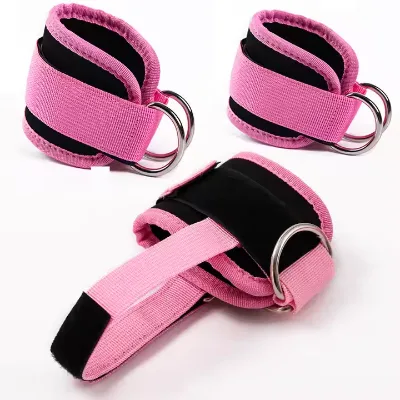
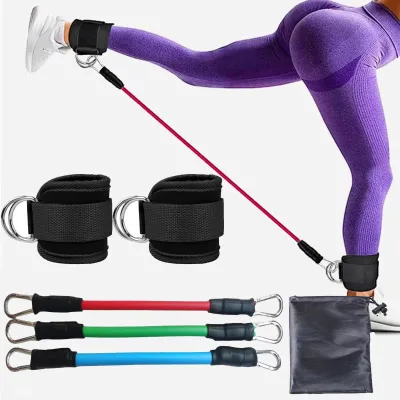
When sourcing booty workout ankle resistance bands, the primary objective is to identify products that balance elasticity, durability, and user comfort. The market offers a diverse range of configurations, but the core technical specifications remain consistent across high-quality units. Buyers must first distinguish between the material composition, as this dictates the product's lifespan and resistance profile. Analysis of current market listings reveals that TPE (Thermoplastic Elastomer) is a prevalent material choice, offering a balance of softness and tensile strength suitable for high-intensity lower body training. Alternatively, some listings specify a blend of Spandex and Polyester, often utilized in the fabric straps that secure the bands to the ankle, ensuring a non-slip fit during dynamic movements.
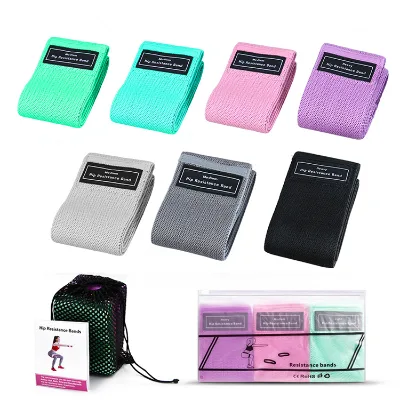
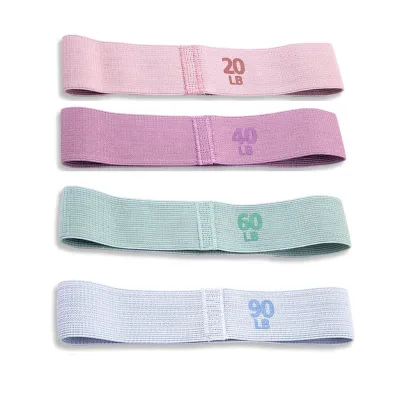
The physical dimensions and resistance levels are critical parameters for procurement. Specifications indicate that resistance bands often come in sets with three distinct levels, typically categorized as light, medium, and heavy. Numerical strength ratings found in the supply chain include 10LB, 20LB, and 30LB increments, allowing for progressive overload in training regimens. The physical size of the bands varies; some models are designed with specific lengths such as 330mm for ankle-specific applications, while others may be part of larger sets with dimensions like 64cm, 74cm, or 84cm depending on the intended fit for Small, Medium, and Large user sizes. The packaging standards also vary, with options ranging from individual color boxes to bulk cartons, and some suppliers offer OPP bags for cost-effective shipping.
| Attribute | Observation A | Observation B | Observation C |
|---|---|---|---|
| Primary Material | TPE | Spandex / Polyester | Polyester Cotton, Latex Wire |
| Resistance Levels | 3 Levels (10LB, 20LB, 30LB) | Medium Resistance | Variable by Set |
| Strap Style | Ankle Strap with Tube | Legs Resistance Bands | Body Building Fitness Equipment |
| Packaging | Color Box | Cartons | OPP Bags or Custom Request |
| Origin Location | China (General) | Hebei, China | Jiangsu, China |
Compliance, Certification, and Safety Verification
In the realm of fitness equipment, particularly items that come into direct contact with skin and endure high tension, compliance and safety verification are paramount. While specific certification names are not universally mandated for all listings, buyers must verify that the materials used meet international safety standards for consumer goods. The presence of TPE and latex wire suggests a need to check for allergen disclosures, as latex can cause reactions in sensitive individuals. Buyers should request Material Safety Data Sheets (MSDS) or specific test reports confirming the absence of harmful substances such as phthalates, heavy metals, or azo dyes, which are common concerns in rubber and plastic manufacturing.
The manufacturing standards listed in the supply chain often reference specific dimensional tolerances, such as "456535" or "M-76 cm," which serve as internal quality benchmarks. However, these are not global safety certifications. Procurement teams must ensure that the supplier adheres to the safety regulations of the destination market, such as the Consumer Product Safety Commission (CPSC) guidelines in the United States or the CE marking requirements in Europe. Verification should extend to the production facility's adherence to labor standards and environmental regulations, especially given that a significant portion of these products originate from manufacturing hubs in China, specifically regions like Hebei and Jiangsu. Buyers should explicitly ask for proof of compliance with the specific safety standards of their target market rather than relying on general origin claims.
Cost Drivers and Pricing Structure Analysis
The pricing structure for booty workout ankle resistance bands is influenced by several variable factors, including material selection, customization complexity, and order volume. The observed price range in the market spans from $0.30 to $9.50 USD per unit. This wide disparity is not merely a reflection of brand value but is heavily driven by the Bill of Materials (BOM) and the level of customization requested. Products utilizing simple TPE or Spandex blends in standard packaging typically occupy the lower end of this spectrum. Conversely, items featuring complex designs, such as "Marbling Print Series" or "Red Orange Leopard Print Series," along with custom branding and specialized packaging, command prices toward the higher end.
Minimum Order Quantity (MOQ) is another significant cost driver. The market data indicates an MOQ range from 1 unit to 3,000 units. For small businesses or startups, the ability to source single items or low-volume batches is crucial, though the unit cost will be higher. As the order volume increases, the per-unit cost typically decreases due to economies of scale in molding and assembly. Suppliers often offer a "Supply Ability" of over 43,000 pieces per day, indicating that large-scale orders can be fulfilled without significant lead time delays. However, buyers must balance the cost savings of bulk ordering against the capital expenditure required for inventory storage. Customization features, such as adding a logo or altering the color scheme, introduce additional setup costs that can impact the final price, even if the base material cost remains constant.
Typical Applications and Functional Versatility
The functional scope of ankle resistance bands extends far beyond simple "booty workouts." While the core keyword suggests glute activation, the product attributes indicate a broader application in strength training, yoga stretching, and body shaping. The "Targeted Resistance" feature allows users to isolate specific muscle groups, making these bands effective for physical therapy, rehabilitation, and athletic conditioning. The "Adjustable and Secure Fit" ensures that the bands remain in place during high-impact movements, such as squats, lunges, and lateral walks, which are essential for building lower body strength.
Furthermore, the versatility of these products makes them suitable for various training environments. They are marketed as "Versatile Training Equipment" for use in gyms, home fitness setups, and outdoor workouts. The "Durable and Long-Lasting" attribute suggests that the bands can withstand repeated stretching and compression cycles, making them ideal for commercial gym environments where equipment undergoes heavy use. The inclusion of "Strength Training/Yoga Stretching/Body Shaping" in the product function highlights their utility for a wide demographic, including women and adults seeking to improve muscle tone and flexibility. The availability of different resistance levels allows for a progressive training approach, where users can start with lighter resistance and advance to heavier bands as their strength improves.
Supplier Evaluation and Sourcing Strategy
Evaluating suppliers for ankle resistance bands requires a rigorous assessment of their production capabilities, customization options, and logistical reliability. The supply chain data reveals that many manufacturers offer OEM (Original Equipment Manufacturer) and ODM (Original Design Manufacturer) services, allowing buyers to create branded products with unique features. The availability of "Customized Logo" and "Customization" options is a key differentiator, enabling brands to differentiate themselves in a crowded market. Buyers should verify the supplier's capacity to handle specific design requests, such as unique color combinations like "blue, red, green" or specific print series.
When selecting a supplier, it is essential to review their sample availability. The market indicates that samples are "Available Anytime," which is a positive indicator for quality verification before committing to large orders. Buyers should request samples to test the elasticity, strap comfort, and overall build quality. Additionally, the "Supply Ability" of 43,165 pieces per day suggests that capable suppliers can handle large volume orders without compromising on delivery timelines. However, buyers must also consider the "Place of Origin," as different regions in China may have varying standards of manufacturing quality. For instance, suppliers from Hebei and Jiangsu are noted in the data, and buyers should investigate the specific factory's reputation and history in the fitness equipment sector.
Quality Control and Long-Term Procurement Considerations
Implementing a robust quality control (QC) protocol is essential for maintaining product integrity and brand reputation. Given the elastic nature of the materials, QC should focus on tensile strength testing, ensuring that the bands do not snap under expected load conditions. Buyers should verify that the "Single gross weight" and "Single package size" match the supplier's specifications to prevent shipping discrepancies. The "Packaging Details" section indicates flexibility, with options for OPP bags or color boxes, but buyers must ensure that the packaging protects the product from damage during transit and storage.
Long-term procurement considerations involve establishing a reliable supply chain that can adapt to fluctuating demand. The "OEM & ODM: Accepted" status suggests that suppliers are willing to collaborate on product development, which can be beneficial for long-term partnerships. Buyers should also consider the "Lead Time" and "MOQ" flexibility when planning inventory. While some suppliers offer low MOQs, larger orders may require longer lead times, which must be factored into the supply chain planning. Finally, buyers should maintain open communication with suppliers regarding any changes in material standards or regulatory requirements to ensure continued compliance and product safety. By focusing on these critical areas, buyers can secure a steady supply of high-quality ankle resistance bands that meet the evolving needs of the fitness market.
FAQs
What materials are used for these resistance bands?
The bands are primarily made from TPE or a blend of Spandex and Polyester. Some sets also utilize Polyester Cotton with Latex Wire for durability. These materials ensure a secure fit and long-lasting elasticity during workouts.
Can I get a customized logo on the product?
Yes, customized logo services are available for this product line. Buyers can request specific branding to differentiate their offerings. This customization is part of the accepted OEM and ODM services provided by the suppliers.
Which resistance levels are available for these bands?
The bands typically come in three distinct levels: 10LB, 20LB, and 30LB. Some listings also categorize them as medium resistance with three levels. This allows users to select the appropriate intensity for their training needs.
How is the product packaged for shipping?
Products are packaged in color boxes or bulk cartons depending on the order. Some suppliers also offer OPP bags or custom packaging upon request. The single package size is approximately 30 by 25 by 5 cm for individual items.
What is the minimum order quantity for these bands?
The minimum order quantity ranges from 1 unit up to 3000 units. This flexibility allows buyers to start with small batches or place large orders. The specific MOQ depends on the supplier and the customization level requested.
Where are these products manufactured?
These products originate from China, specifically from regions like Hebei and Jiangsu. Different models may have specific place of origin details listed. Buyers should verify the exact location with the supplier for logistics planning.
Can I request samples before placing a large order?
Samples are available anytime for quality verification before bulk purchasing. This allows buyers to test the material and resistance levels firsthand. Suppliers typically provide these samples to ensure the product meets your specific requirements.