Source Boom Lift Tyre for Aerial Work Platforms and Lifts
Find 30 verified Boom Lift Tyre options for aerial work platforms, scissor lifts, and telescopic booms. Compare specifications, certifications, and prices from Jiangsu manufacturers offering solid rubber tires with ISO standards.
Key considerations
Products List


27X9-16 Boom Scissor Lift Replacement Solid Tyre for Aerial Work Platforms
$174.80 - $216.50
MOQ: 4 Pieces
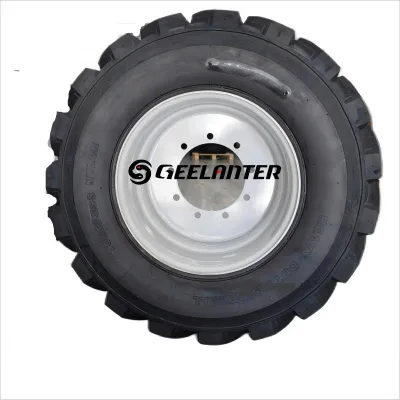


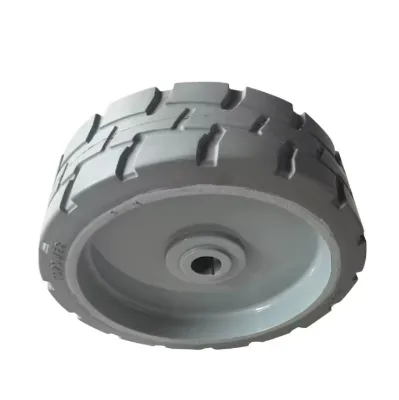
445/65-22.5 445/65-24 Solid Tyres Tire for Genie Boom Lift Manlift Tyre
$813.00 - $839.00
MOQ: 8 pieces


Comprehensive Sourcing Guide
Strategic Sourcing Guide for Boom Lift Tyres
Procuring solid tyres for boom lifts requires a disciplined approach that balances technical compatibility, regulatory compliance, and supply chain reliability. Unlike pneumatic tyres, solid rubber tyres are engineered to eliminate punctures and reduce maintenance downtime in demanding environments such as aerial work platforms and construction sites. This guide synthesizes observed market data and technical attributes to assist procurement professionals in evaluating potential suppliers and selecting the correct product specifications for their fleet.
Technical Specifications and Dimensional Compatibility
The foundation of a successful procurement strategy lies in precise dimensional matching. The market data indicates a variety of specific size configurations, with observed standard dimensions including 36X14-24, 36X14-20, 9-14.5, 15.00-20, and 27X9-16. Buyers must verify that the ordered tyre matches the exact rim diameter and width requirements of their specific boom lift model. For instance, the observed product attributes list a specific model number Tp308b associated with the 36x14-24 size, while other listings reference a 15.00-20 standard.
Beyond dimensions, the internal construction and material composition are critical for load-bearing performance. The observed inventory highlights a "16PR" (16 Ply Rating) hierarchy, indicating a robust construction designed to withstand heavy loads. One specific data point notes a maximum load capacity of 7625kg at a speed of 10km/h, a figure that must be cross-referenced with the operational limits of the equipment. The material is consistently identified as natural rubber or general rubber, often without an inner tube, which simplifies installation and reduces the risk of pressure-related failures. The tread pattern is another variable; observed patterns include the Tp308 and transverse patterns, which influence traction and wear characteristics on different surfaces.
| Specification Category | Observed Market Data | Verification Requirement |
|---|---|---|
| Common Sizes | 36X14-24, 36X14-20, 27X9-16, 9-14.5, 15.00-20 | Match OEM rim specifications exactly. |
| Ply Rating | 16PR | Confirm load rating matches equipment max capacity. |
| Construction | Solid, Without Inner Tube | Verify compatibility with wheel hub design. |
| Tread Pattern | Tp308, Transverse Pattern | Select based on surface traction needs. |
| Color | Black, Black or White | Aesthetic or safety marking requirements. |
Compliance and Certification Verification
In the industrial tyre sector, certification serves as a proxy for manufacturing quality and adherence to safety standards. The observed data reveals a spectrum of certifications held by suppliers, ranging from ISO standards to specific regional approvals. A high-confidence observation notes the presence of ISO9001, ISO14001, and OHSAS18001, which cover quality management, environmental management, and occupational health and safety, respectively. Other listings mention certifications such as ECE, CCC, DOT, and FCC, alongside general ISO and FCC designations.
Buyers must not assume that every listed product possesses every certification. Instead, the procurement process should involve a direct request for current certification documents that correspond to the specific product model being purchased. For example, if the equipment operates in a region requiring DOT (Department of Transportation) compliance, the buyer must verify that the specific batch of tyres holds this approval. Similarly, the presence of ISO14001 indicates an environmental management system, which may be a requirement for corporate sustainability goals. The absence of a specific certification in a product listing does not necessarily disqualify a supplier, but it requires a formal inquiry to confirm if the certification exists but was not listed in the initial product description.
Cost Drivers and Pricing Dynamics
The pricing landscape for boom lift tyres is variable, with observed market ranges spanning from 20 USD to 839 USD per unit. This significant variance is driven by several factors, including the tyre size, the complexity of the tread pattern, the ply rating, and the volume of the order. Smaller or less complex tyres, such as those with a 9-14.5 size, likely fall toward the lower end of the spectrum, while larger, heavy-duty tyres like the 36X14-24 with a 16PR rating command higher prices.
The Minimum Order Quantity (MOQ) is another critical cost driver. The observed MOQ range is between 2 and 50 units, with specific listings noting an MOQ of 10 pieces. Buyers should be aware that ordering below the MOQ may result in higher per-unit costs or the inability to place an order at all. Furthermore, the "Customization" attribute is listed as both "Available" and "Yes" in some contexts, while others are "Non-Customized." Custom orders, which may involve specific branding, unique tread patterns, or tailored dimensions, typically incur additional costs and longer lead times compared to standard stock items.
Typical Applications and Operational Context
Solid boom lift tyres are primarily designed for aerial work platforms, as explicitly stated in the product attributes. Their application extends to sliding loaders and telescopic boom lifts, making them versatile for various material handling and construction tasks. The "All Season" attribute suggests these tyres are engineered to perform consistently across different weather conditions, a crucial feature for outdoor equipment that cannot be easily moved indoors during inclement weather.
The specific use case mentioned in the data includes replacement tyres for "genie Boom Lift Tyre," indicating a strong market presence in the aftermarket replacement sector. The high load capacity of 7625kg at 10km/h underscores their suitability for heavy-duty lifting operations where stability is paramount. The "Nude or Pallet" packaging options and "Sea Transportation or Air" shipping methods highlight the logistical flexibility required to serve global markets. Buyers should consider the operational environment; solid tyres are particularly advantageous in environments with debris, sharp objects, or uneven terrain where pneumatic tyres are prone to damage.
Supplier Evaluation and Manufacturing Capabilities
Evaluating a supplier requires looking beyond the product listing to assess their manufacturing capabilities and responsiveness. The observed data indicates that the place of origin is primarily Jiangsu, China, with specific mentions of Yancheng, Jiangsu. This concentration suggests a specialized industrial hub for rubber products. A key evaluation criterion is the "Visit Factory" attribute, which is listed as "Welcome." This openness to factory visits is a strong indicator of a supplier's confidence in their production processes and quality control measures.
Buyers should prioritize suppliers who offer "Online Support" for after-warranty issues, as this indicates a commitment to long-term customer service. The "Delivery Time" is observed to range from 20 to 30 days, with some specific listings noting a 30-day lead time. This timeframe should be factored into inventory planning to prevent equipment downtime. Additionally, the "Customization" capability allows buyers to tailor products to specific needs, but it requires a clear communication channel to ensure the final product meets the exact specifications.
Quality Control and Long-Term Procurement Considerations
Ensuring consistent quality is essential for maintaining fleet safety and efficiency. The "High Quality" attribute is frequently mentioned, but buyers must define what this means in their specific context. This involves verifying the consistency of the natural rubber material and the integrity of the solid construction. The "Condition" is listed as "New," which is a standard expectation, but buyers should confirm that the tyres are not refurbished or remolded unless explicitly stated.
Long-term procurement considerations include the availability of replacement parts and the scalability of the supply chain. The "Package" options, such as "Nude or Pallet," affect storage and handling costs. For large fleets, palletized shipping may be more efficient. The "Inner Tube: Without Inner Tube" feature simplifies maintenance, but buyers must ensure that the wheel rims are compatible with solid tyres, as some rims are designed specifically for pneumatic tyres.
| Procurement Factor | Strategic Consideration |
|---|---|
| Lead Time | Plan for 20-30 days; factor into inventory buffers. |
| MOQ | Balance between 2-50 units to optimize unit cost. |
| Packaging | Choose Pallet for efficiency or Nude for cost savings. |
| Support | Verify "Online Support" availability for post-sale issues. |
| Customization | Confirm if "Customized" or "Non-Customized" fits the need. |
Final Sourcing Recommendations
When finalizing a procurement decision for boom lift tyres, buyers should adopt a holistic approach that integrates technical verification, compliance checks, and supplier reliability. The observed market data provides a solid baseline for understanding the range of available products, from the 36X14-24 heavy-duty models to the 27X9-16 replacement tyres. However, the absence of specific test results or performance claims in the general listing means that buyers must conduct their own due diligence.
It is imperative to request detailed technical data sheets that confirm the maximum load ratings, ply ratings, and material composition for the specific batch being ordered. Buyers should also verify the validity of certifications like ISO9001 or DOT on a per-order basis, rather than relying on general supplier claims. By leveraging the "Visit Factory" opportunities and engaging with suppliers who offer robust after-warranty support, procurement teams can secure a reliable supply of high-quality solid tyres that ensure the safety and productivity of their aerial work platforms. The combination of precise specification matching and rigorous supplier evaluation will ultimately lead to a more resilient and cost-effective procurement strategy.
FAQs
What certifications do boom lift tyres typically have?
Many listed products hold ISO9001, ISO14001, and OHSAS18001 certifications. Some listings also include ECE, CCC, DOT, and FCC approvals. Buyers should verify specific documents for the exact model ordered.
How long is the delivery time for these tyres?
The standard delivery time ranges from 20 to 30 days. Specific listings confirm a 30-day lead time for certain models. This timeframe should be factored into inventory planning to avoid downtime.
Which sizes are available for aerial work platforms?
Common sizes include 36X14-24, 36X14-20, 27X9-16, 9-14.5, and 15.00-20. Buyers must match these dimensions exactly to their equipment rim specifications for proper fit and safety.
Can I customize the tyre specifications?
Customization is available for some products, while others are non-customized. Custom orders may involve unique tread patterns or dimensions and typically incur higher costs and longer lead times than standard stock items.
What is the maximum load capacity for these tyres?
One observed specification lists a maximum load of 7625kg at 10km/h. The tyres feature a 16PR hierarchy for robust load-bearing performance. Verify this rating against your specific equipment limits.
Where are these tyres manufactured?
The primary place of origin is Jiangsu, China, with specific mentions of Yancheng. This region serves as a specialized industrial hub for rubber products. Buyers can often visit the factories to assess quality.