Source Christian Gifts Cross for Christmas, Holiday, and Souvenir
Explore 30 listings for Christian Gifts Cross including olive wood crosses, metal medals, and alloy keychains. Buyers can compare materials like wood and zinc alloy, techniques such as carving and casting, and applications for holiday decoration and souvenirs.
Key considerations
Products List
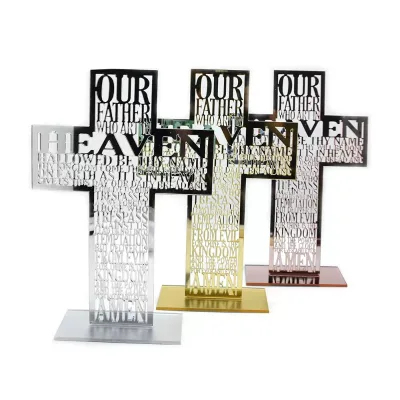
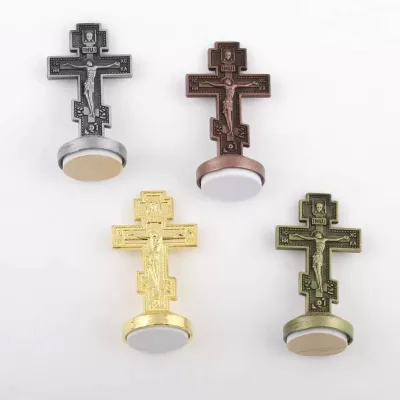
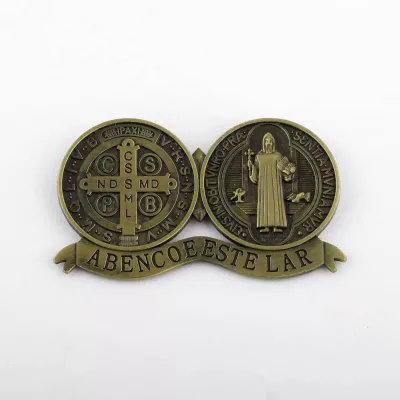
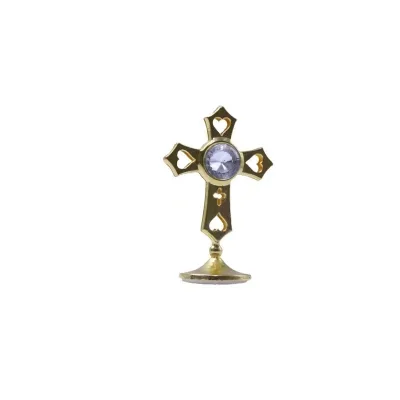







Comprehensive Sourcing Guide
Strategic Sourcing Guide for Christian Cross Gifts
Understanding Product Variants and Material Composition
When sourcing Christian gifts centered on the cross, buyers must first navigate the distinct material categories available in the current market. The supply chain for these religious artifacts is not monolithic; it is segmented primarily by the base material used, which dictates the manufacturing technique, aesthetic finish, and final application. Based on current market observations, two primary material categories dominate the sector: solid wood and metal alloys.
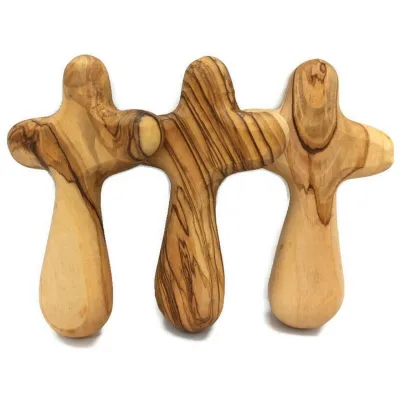
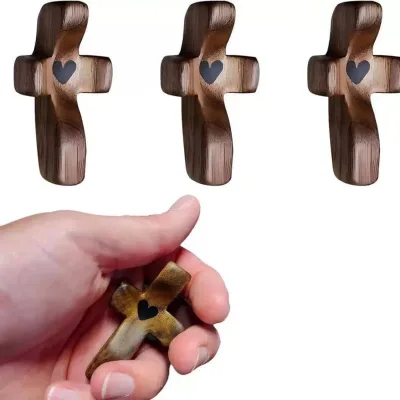
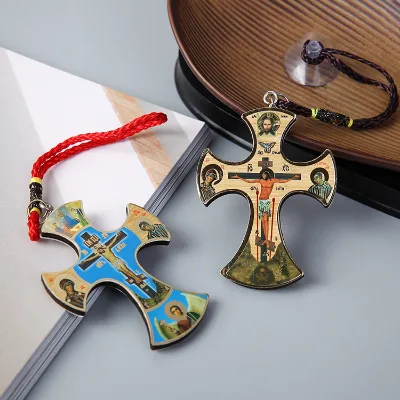
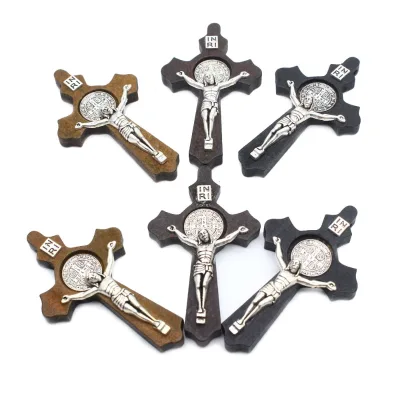
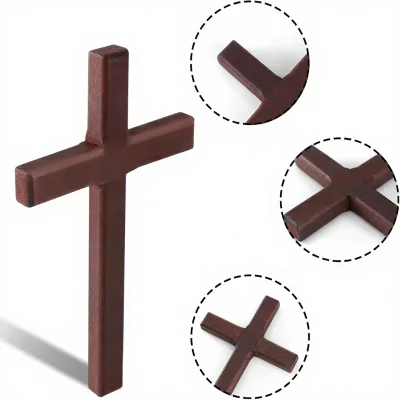
Wooden crosses are frequently crafted from 100% wood, utilizing techniques such as carving to achieve intricate religious imagery. These products often carry attributes like "Eco-friendly" and are associated with specific styles such as "Olive Wood." The dimensional specifications for wooden variants can vary significantly, ranging from small decorative items with a single package size of approximately 12x8.3x3.5 cm to larger wall hangings. The color palette for these items is often natural, described as "Brown" or "As Picture," though some may feature specific finishes. The application for wooden crosses is broad, spanning Christmas decorations, home decor, and general holiday gifts.
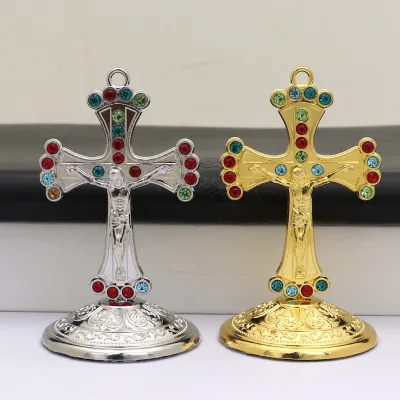
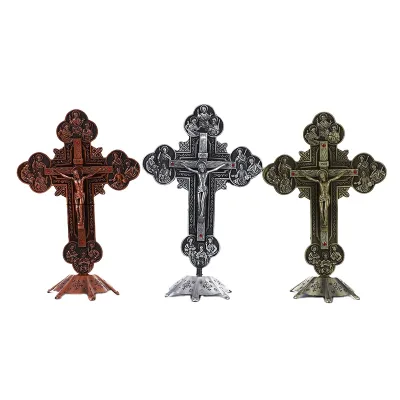
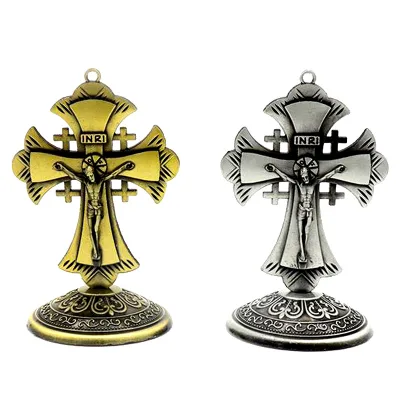
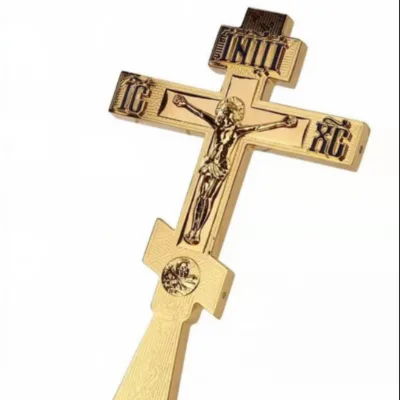
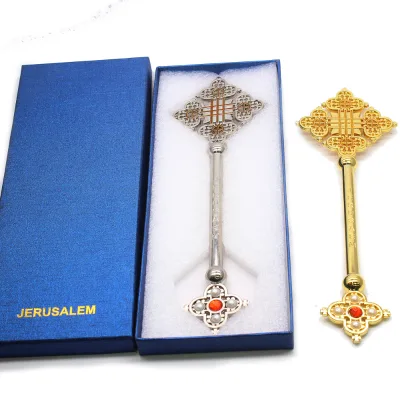
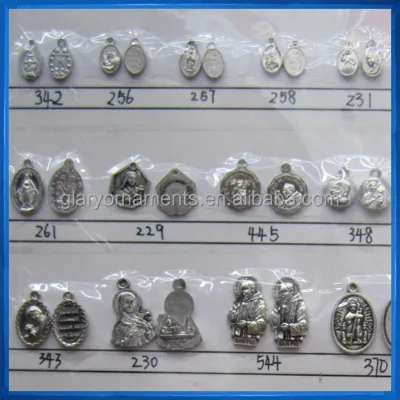
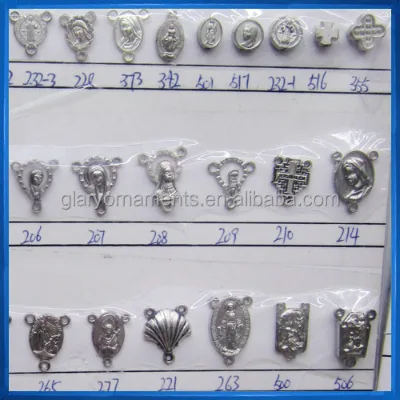
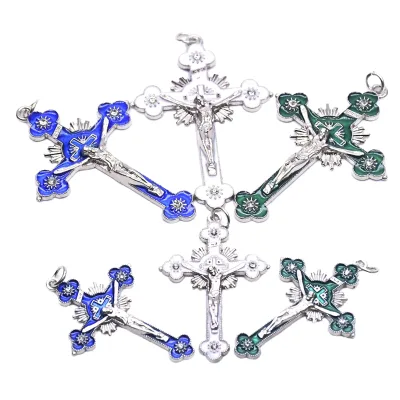
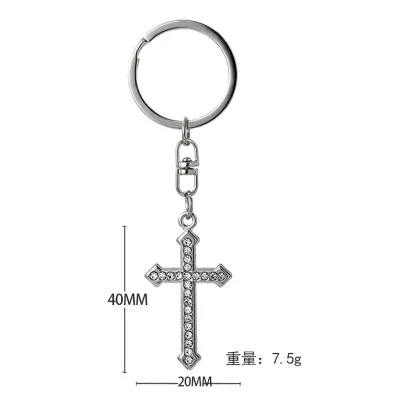
Conversely, the metal segment includes products made from zinc alloy or other metal alloys. These items often employ casting techniques to produce detailed shapes, such as the "Jesus" style or standard cross silhouettes. Metal crosses are frequently plated to achieve finishes in Gold or Silver, offering a different aesthetic appeal compared to the organic look of wood. These items are often categorized as medals or keychains, with weights ranging from approximately 33 grams for heavier alloy pieces to lighter variants. The sizing for metal crosses often follows standard garment or accessory sizing (e.g., L, M) or specific millimeter measurements like 2.6 cm for smaller pendants.
The following table summarizes the key technical distinctions between the primary material types observed in the market:
| Feature | Wooden Cross Variants | Metal Alloy Cross Variants |
|---|---|---|
| Primary Material | 100% Wood (e.g., Olive Wood) | Zinc Alloy / Metal Alloy |
| Manufacturing Technique | Carved | Casting |
| Common Finishes | Natural Brown, As Picture | Gold Plating, Silver Plating |
| Typical Applications | Christmas Decoration, Home Decor | Souvenirs, Holiday Gifts, Keychains |
| Style Attributes | Religious, Eco-friendly | Religious, Jesus Style |
| Shape Variations | Standard Cross, Wall Hanging | Custom Products, Medal Style |
Buyers must verify the specific material composition of any listing, as the term "cross" alone does not guarantee a specific substance. The distinction between a carved wooden piece and a cast metal alloy is critical for inventory planning, as the sourcing requirements, shipping weights, and target demographics differ substantially between these two categories.
Technical Specifications and Dimensional Standards
Precision in technical specifications is essential for B2B procurement, particularly when dealing with religious artifacts where size and weight impact both shipping costs and customer expectations. The market data indicates a wide range of dimensional standards that buyers must account for during the selection process.
For wooden crosses, the single package size is a critical metric for logistics. Observed data points to a compact dimension of 12x8.3x3.5 cm for certain models, which suggests suitability for small gift sets or individual packaging. The gross weight for these items is recorded at approximately 0.070 kg, a factor that influences freight calculations. In contrast, metal alloy crosses often have different sizing conventions. Some listings specify sizes as "L" or "M," while others provide precise measurements such as "About 2.6cm" for smaller decorative pieces. The weight of metal variants can vary, with specific examples noting a weight of 33g, which is heavier than the wooden counterparts but still manageable for bulk shipping.
Packaging specifications also vary by material. Wooden items may be packaged in OPP bags, while larger or more fragile metal pieces might require different protective measures. The single gross weight for smaller metal souvenirs has been observed at 0.020 kg, indicating a significant variance in density and volume per unit. Buyers should not assume uniformity in packaging dimensions; a "One Size" designation for a wooden cross does not imply the same physical footprint as a "Size L" metal medal.
Furthermore, the "Model Number" serves as a unique identifier for these technical specifications. Distinct model numbers, such as HY-D-H22-028 for wooden items and PH-sales03-M05 for metal variants, allow buyers to track specific production runs and ensure consistency in future orders. The "Single package size" for some larger metal items has been noted as 35x35x30 cm, which is significantly larger than the wooden equivalents and requires careful consideration for container loading efficiency.
When evaluating suppliers, buyers should request detailed technical sheets that confirm the exact dimensions, weight, and packaging type for the specific model number. Relying on general descriptions like "One Size" without verifying the actual cubic volume can lead to miscalculations in freight costs and storage requirements. The variability in these technical attributes underscores the need for a rigorous specification review before finalizing any purchase order.
Compliance, Certification, and Environmental Considerations
In the realm of Christian gifts and religious artifacts, compliance and environmental standards are increasingly important to B2B buyers. The market data highlights several attributes related to sustainability and material safety that must be verified.
One of the most prominent attributes observed is "Eco-friendly." This designation suggests that the product may be manufactured using sustainable materials or processes. For wooden crosses, the material is listed as "100% Wood," which aligns with eco-friendly claims if the wood is sourced responsibly. Buyers should verify the origin of the wood and ensure that the "Eco-friendly" label is supported by valid documentation, such as FSC certification or equivalent sustainability standards, rather than relying solely on marketing claims.
The term "enviromental" (noting the specific spelling in the source data) appears as a quality attribute for certain products. This reinforces the need for buyers to investigate the environmental impact of the manufacturing process. For metal crosses, the use of zinc alloy and plating processes raises questions about chemical usage and waste management. Buyers should inquire about the plating materials used (e.g., "Other" plating types) and ensure they meet international safety standards for heavy metals and hazardous substances, particularly if the products are intended for children or general consumer markets.
Regional features also play a role in compliance. Some products are noted as having a "Regional Feature: Europe," which may imply adherence to specific European Union standards regarding product safety and labeling. However, the place of origin for many of these items is listed as "Zhejiang, China." This geographical distinction requires buyers to understand the export regulations and compliance requirements for shipping from China to Europe or other international markets.
Certification checks should extend beyond environmental claims to include product safety. While specific certification names are not provided in the general data, buyers must verify that the products comply with relevant standards for toys, jewelry, or general consumer goods, depending on the intended use. For items marketed as "Holiday Decoration & Gift," compliance with flammability standards for wooden items and toxicity standards for metal plating is essential.
Buyers should request copies of any available test reports or compliance certificates from suppliers. The absence of explicit certification data in the general market observations means that the burden of verification falls on the buyer. Establishing a clear compliance framework with suppliers, including requirements for material safety and environmental impact, is a critical step in mitigating risk and ensuring that the sourced products meet the expectations of the end consumer.
Cost Drivers and Pricing Dynamics
Understanding the cost drivers for Christian cross gifts is vital for effective budget management and margin planning. The observed price range in the market spans from $0.05 to $26.00 USD, a significant variance that reflects differences in material, craftsmanship, and branding.
The primary cost driver is the material composition. Wooden crosses, made from 100% wood, generally occupy a different price tier compared to metal alloy crosses. The cost of raw wood, particularly specialty woods like olive wood, can be higher than standard lumber, influencing the final unit price. Additionally, the "Carved" technique used for wooden items requires skilled labor, which adds to the production cost. In contrast, metal crosses utilize "Casting" techniques, which can be more scalable but may involve higher costs for molds and plating materials, especially for gold or silver finishes.
Branding is another significant factor. Products with established brand names, such as "Hoye Crafts" or "Phonbon," may command a premium over generic or unbranded items. The "Brand Name: no" category indicates a segment of the market focused on unbranded, high-volume commodities, which typically operate on lower margins and higher volume strategies.
Minimum Order Quantity (MOQ) also impacts the effective cost per unit. The observed MOQ range is 1 to 600 units. Suppliers with lower MOQs, such as 50 pieces for metal medals, may charge a higher unit price due to the setup costs associated with smaller production runs. Conversely, suppliers requiring higher MOQs may offer more competitive pricing. Buyers must balance the need for inventory flexibility with the desire for lower unit costs.
Other cost drivers include customization options. The availability of "Customized Logo" services adds value but also increases the cost. The "Printing: Offset Printing" attribute suggests that branding can be applied through various methods, each with its own cost structure. Additionally, the "Single gross weight" and "Single package size" directly influence shipping costs, which are a critical component of the total landed cost.
Buyers should analyze the total cost of ownership, including material, labor, customization, and logistics, rather than focusing solely on the listed unit price. The wide price range indicates that there are options for every budget, but the value proposition depends heavily on the specific requirements of the buyer's market segment.
Supplier Evaluation and Quality Control Protocols
Selecting the right supplier is a critical step in the procurement process for Christian cross gifts. The market data reveals a diverse supplier base with varying capabilities in terms of production, customization, and logistics.
Supplier evaluation should begin with an assessment of their technical capabilities. Buyers must verify that the supplier can consistently produce items that match the observed specifications, such as the "Carved" technique for wood or "Casting" for metal. The "Model Number" system used by suppliers like those producing the HY-D-H22-028 or PH-sales03-M05 models indicates a level of organization and standardization that buyers should look for.
Quality control is paramount, especially given the religious and decorative nature of the products. Buyers should implement a rigorous QC protocol that includes visual inspections for defects in carving or casting, checks for plating consistency, and verification of dimensions. The "Feature: Eco-friendly" and "quality: enviromental" attributes suggest that buyers should also inspect for material consistency and finish quality to ensure the product meets the stated environmental claims.
Sample evaluation is a key part of the supplier selection process. The "Sample time: 3-5 Days" indicates a relatively quick turnaround for samples, allowing buyers to assess product quality before committing to a large order. Buyers should use this sample period to test the product for durability, finish quality, and adherence to the "Shape: Cross" and "Style: Religious" requirements.
Communication and responsiveness are also critical factors. Suppliers that offer "Customized Logo" services must demonstrate the ability to handle design files and execute branding accurately. The "Application" of the product, whether for "Christmas," "Holiday Decoration," or "Souvenir," should be clearly understood by the supplier to ensure the product meets the intended use case.
Buyers should avoid relying on a single supplier and instead maintain a diversified supplier base to mitigate risks. Evaluating suppliers based on their ability to meet technical specifications, provide high-quality samples, and adhere to quality control standards is essential for building a reliable supply chain.
Long-Term Procurement and Market Trends
Long-term procurement of Christian cross gifts requires a strategic approach that considers market trends, seasonal demand, and supply chain resilience. The "Application: Christmas" and "Use: Holiday Decoration & Gift" attributes highlight the seasonal nature of this product category. Buyers must plan their inventory cycles to align with peak demand periods, ensuring that stock levels are sufficient to meet customer needs during the holiday season.
The "Regional Feature: Europe" suggests a strong market presence in European countries, which may influence design preferences and compliance requirements. Buyers targeting this market should stay informed about regional trends and cultural nuances that may affect product acceptance. The "Style: Religious" and "Style: jesus" attributes indicate a steady demand for traditional religious imagery, but buyers should also monitor emerging trends in design and material preferences.
Sustainability is a growing trend in the procurement sector. The "Eco-friendly" and "100% Wood" attributes suggest that environmentally conscious consumers are a significant market segment. Buyers should prioritize suppliers who can demonstrate a commitment to sustainability and offer products that align with these values.
Supply chain resilience is another critical consideration. The "Place of Origin: Zhejiang, China" indicates a concentration of production in a specific region. Buyers should assess the risk of supply chain disruptions and consider diversifying their supplier base to include other regions if possible. The "MOQ: 50pcs" and "Selling Units: Single item" data points suggest that the market supports both bulk and small-batch orders, providing flexibility for buyers to adjust their inventory levels based on demand fluctuations.
In conclusion, successful long-term procurement of Christian cross gifts requires a comprehensive understanding of the market, a commitment to quality and sustainability, and a strategic approach to supplier management. By focusing on these key areas, buyers can build a resilient and profitable supply chain that meets the evolving needs of their customers.
FAQs
What materials are used for Christian Gifts Cross?
Christian cross gifts are primarily made from 100% wood or metal alloys like zinc. Wooden variants often feature olive wood with carved techniques, while metal options utilize casting methods and may include gold or silver plating finishes.
How can I find eco-friendly cross decoration options?
You can identify eco-friendly options by looking for products explicitly labeled as eco-friendly or environmental. These items are typically crafted from 100% wood and may include specific certifications regarding sustainable sourcing practices.
Which model numbers are available for wooden cross products?
Specific model numbers like HY-D-H22-028 are available for wooden cross products. These items generally feature a one-size design with dimensions around 12x8.3x3.5 cm and are suitable for Christmas decoration or home decor applications.
Can I customize the logo on these cross gifts?
Yes, customized logo services are available for many of these cross gifts. Suppliers offer options to add branding to wooden and metal variants, allowing for personalized designs suitable for holiday decorations or souvenir purposes.
What is the typical sample time for these products?
The typical sample time for these products is 3 to 5 days. This timeframe applies to both wooden and metal alloy variants, allowing buyers to quickly evaluate product quality before placing larger orders.
How do I determine the correct size for a cross medal?
Cross medals come in various sizes including L, M, and specific measurements like 2.6 cm. Buyers should verify the single package size and weight, such as 33g for metal alloys, to ensure the correct fit for their needs.
What is the minimum order quantity for metal cross medals?
The minimum order quantity for metal cross medals is typically 50 pieces. Some suppliers may offer lower MOQs starting from 1 unit, but bulk orders often require meeting specific thresholds to secure pricing.