Source Breathable Compression Knee Brace for Sports, Rehab, and Daily Pain Relief
Find and compare 30 Breathable Compression Knee Brace options from verified suppliers. Evaluate materials like polyester, nylon, and spandex, along with features such as anti-slip design and medical certifications, to select the ideal support for athletic performance, rehabilitation therapy, or everyday comfort.
Key considerations
Products List




Breathable Dual Compression Knee Support Brace with Adjustable X Shape Straps
$1.90 - $2.50
MOQ: 100 Pieces


Custom Logo Best Knee Support Compression Sleeve Knee Brace for Knee Pain
$1.68 - $1.79
MOQ: 1000 Pieces


$22.90 - $26.00
MOQ: 50 Pieces


Comprehensive Sourcing Guide
Breathable Compression Knee Brace Sourcing Guide
Sourcing breathable compression knee braces requires a careful balance between therapeutic efficacy, material durability, and commercial viability. These products are primarily designed for adults seeking support during sports activities, rehabilitation, or daily wear to alleviate knee pain. The market offers a diverse range of options, from simple polybag-packed sleeves to more complex orthotic devices with custom branding. Buyers must navigate varying material compositions, such as polyester, nylon, and spandex blends, to find the right balance of elasticity, breathability, and compression strength. Understanding the specific functional requirements, whether for sport protection or medical rehabilitation, is the first step in defining a successful procurement strategy.
The procurement landscape for these items is characterized by significant variability in minimum order quantities (MOQs), pricing structures, and customization options. Listings indicate MOQs ranging from 10 to 1,000 pieces, allowing both small businesses and large distributors to find suitable entry points. Prices observed in the market span a wide range, reflecting differences in material quality, certification levels, and packaging complexity. Furthermore, the availability of OEM and private label services means that buyers can tailor products to their brand identity, but this introduces additional complexity in terms of sample approval, logo placement, and production lead times. A disciplined approach to verifying supplier capabilities and product specifications is essential to mitigate risks associated with quality inconsistencies and supply chain delays.
Product Scope and Observed Listing Signals
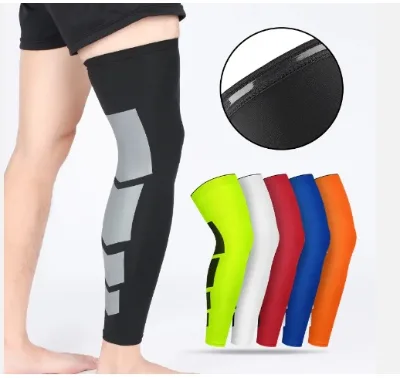
The product scope for breathable compression knee braces encompasses a variety of designs tailored to different user needs and use cases. Observed listings highlight products marketed as "Sports And Knee Pain Comfortable Full Leg Compression Sleeve," indicating a focus on both athletic performance and therapeutic relief. These items are often described with features such as "thickened sponge Anti-Slip" and "Leg Orthosis Brace," suggesting that some models provide enhanced stability and comfort beyond basic compression. The target audience is consistently identified as adults, with many products labeled as unisex, making them suitable for a broad demographic. Seasonal versatility is also a common attribute, with products designed for all seasons, including winter, summer, spring, and autumn, ensuring year-round usability.
Material composition plays a critical role in the performance and comfort of these braces. Common materials identified in the market include polyester, nylon, and spandex, each offering distinct benefits. Polyester and nylon provide durability and moisture-wicking properties, while spandex adds the necessary elasticity for a snug, supportive fit. Some listings also mention rubber components, which may contribute to the structural integrity or grip of the brace. The thickness is generally categorized as medium, balancing support with flexibility. Packaging varies from simple polybags to cartons, with some suppliers offering OEM packaging solutions. These observed signals help buyers narrow down their search based on specific material preferences and packaging requirements.
Technical Specifications to Verify
Verifying technical specifications is crucial to ensuring that the knee braces meet the intended functional requirements. Buyers should pay close attention to the size standards, which can range from "one size fits all" to specific sizing charts including M, L, XL, and XXL. Some products offer adjustable lengths, such as those with a length range of 53.5cm-67cm, providing flexibility for different leg dimensions. The single package size and gross weight are also important logistical details, with observed values like 52X41X2 cm and 0.600 kg per unit. These specifications impact shipping costs and storage requirements, so accurate data is essential for supply chain planning.
Color options and additional features are other key technical aspects to consider. Listings show a variety of colors including black, green, white, blue, red, and orange, allowing for brand alignment or personal preference. Features such as "Anti-Slip" properties and "thickened sponge" padding are highlighted to enhance user comfort and brace stability during movement. Buyers should verify the exact composition of these features, as they directly affect the product's performance and durability. Additionally, the presence of custom logo options and private label acceptance indicates that suppliers are willing to accommodate branding requests, but the technical feasibility of logo placement on different materials and sizes should be confirmed before placing large orders.
Compliance and Safety Documentation
Compliance and safety documentation are paramount when sourcing medical or health-care-related knee braces. Several listings mention certifications such as "Medical CE" and "ISO13485," which are critical for products intended for therapeutic use or sold in regulated markets. The CE mark indicates conformity with health, safety, and environmental protection standards for products sold within the European Economic Area, while ISO13485 is a specific quality management standard for medical devices. Buyers must verify the validity and scope of these certifications, ensuring they cover the specific models being purchased. Relying on low-confidence background information about CE or ISO standards is insufficient; explicit documentation from the supplier is required.
In addition to certifications, buyers should inquire about the product's classification as a health care item or rehabilitation therapy supply. This classification often dictates the level of regulatory scrutiny and the type of documentation needed for import and sale. Properties such as "Rehabilitation Therapy Supplies" suggest that the product may be subject to additional regulatory requirements in certain jurisdictions. It is advisable to request copies of test reports or compliance certificates directly from the supplier to confirm that the products meet the necessary standards. Failure to verify these documents can lead to customs delays, product recalls, or legal liabilities, making thorough due diligence a non-negotiable part of the sourcing process.
Cost Drivers and Commercial Terms
Cost drivers for breathable compression knee braces include material quality, certification status, customization complexity, and order volume. Products with medical certifications like CE and ISO13485 often command higher prices due to the rigorous testing and quality control processes involved. Customization options, such as private labeling and custom logos, add to the production cost and may require higher MOQs. The observed MOQ range of 10 to 1,000 pieces allows for flexibility, but larger orders typically benefit from economies of scale. Buyers should negotiate pricing based on the total volume and the specific customization requirements to achieve the best value.
Commercial terms such as sample time and production time are also significant factors in the procurement process. Sample times typically range from 7 to 12 days, allowing buyers to evaluate product quality before committing to a larger order. Production times can extend from 30 to 35 days, depending on the order size and customization complexity. These lead times must be factored into inventory planning and sales forecasts to avoid stockouts or excess inventory. Additionally, payment terms and shipping arrangements should be clearly defined in the contract. Understanding the total cost of ownership, including shipping, duties, and potential return costs, is essential for accurate budgeting and profitability analysis.
Supplier Qualification and Quality Control
Supplier qualification is a critical step in ensuring the reliability and consistency of the supply chain. Buyers should verify the supplier's origin, with many listings indicating production in China, particularly in regions like Fujian. This geographic concentration can offer advantages in terms of supply chain efficiency and cost competitiveness, but it also requires careful vetting to ensure quality standards are met. Suppliers should be evaluated based on their production capabilities, quality control processes, and ability to meet customization requests. Requesting references or case studies from previous clients can provide insights into the supplier's reliability and performance.
Quality control measures should be established before placing orders to minimize the risk of defects. Buyers should define clear quality standards and inspection criteria, including checks for material integrity, stitching quality, and packaging accuracy. Third-party inspection services can be employed to verify product quality before shipment, providing an additional layer of assurance. It is also important to establish a clear process for handling defects or non-conforming products, including return policies and compensation terms. Regular communication with the supplier and periodic audits can help maintain high quality standards and foster a collaborative relationship. By prioritizing supplier qualification and robust quality control, buyers can mitigate risks and ensure a steady supply of high-quality knee braces.
Long-Term Procurement Checks
Long-term procurement success depends on continuous monitoring and evaluation of supplier performance and market trends. Buyers should regularly review supplier metrics such as on-time delivery rates, product quality consistency, and responsiveness to issues. Establishing key performance indicators (KPIs) and conducting periodic performance reviews can help identify areas for improvement and ensure that suppliers remain aligned with business objectives. Additionally, staying informed about changes in regulatory requirements and market demands is essential for adapting procurement strategies. The healthcare and sports equipment sectors are dynamic, and suppliers must be able to evolve with these changes to remain competitive.
Building a resilient supply chain involves diversifying suppliers and maintaining strong relationships with key partners. While relying on a single supplier may offer short-term cost benefits, it increases vulnerability to supply disruptions. Developing relationships with multiple suppliers in different regions can provide flexibility and reduce risk. Furthermore, investing in collaborative planning and forecasting with suppliers can improve efficiency and reduce lead times. By focusing on long-term partnerships and continuous improvement, buyers can secure a stable supply of high-quality breathable compression knee braces, supporting their business growth and customer satisfaction. Regularly reassessing the procurement strategy and adapting to market changes will ensure sustained success in this competitive category.
FAQs
What materials are used for breathable compression knee braces?
These braces are commonly made from polyester, nylon, spandex, or rubber to ensure breathability and support. The specific material depends on the model, with options like medium thickness available for comfort and durability during various activities.
Can I get a customized logo on these knee braces?
Yes, customized logos are available for most products listed. Buyers can request private label acceptance and OEM services, allowing for branding customization while maintaining the high quality and medical standards required for the product.
What certifications do these knee braces hold?
Many of these products hold Medical CE and ISO13485 certifications to ensure safety and compliance. These standards verify that the items meet specific medical device requirements, making them suitable for health care and rehabilitation therapy supplies.
How long does it take to produce a custom order?
Production time typically ranges from 30 to 35 days after sample approval. Sample time is shorter, usually taking 7 to 12 days, allowing buyers to verify quality before committing to the full manufacturing run.
What is the minimum order quantity for these braces?
The minimum order quantity varies by product, ranging from 500 to 1000 pieces. Some listings specify 500 PCS as the baseline, while others require 1000 PCS, depending on the specific model and customization needs.
Which sizes are available for these knee support braces?
Available sizes include One size fits, M, L, XL, XXL, and M-XL. Some models offer specific length ranges like 53.5cm to 67cm, ensuring a proper fit for different user needs and body types.
Where are these knee braces manufactured?
These products originate from China, with specific manufacturing locations including Fujian. This origin ensures access to established supply chains capable of meeting international standards for medical and sports protection equipment.