Source Silent Practice Cymbals for Drummers, Schools, and Homes
Find 30 Silent Practice Cymbals from Chinese manufacturers. Compare alloy and wooden options with low volume output. Ideal for drummers seeking quiet practice solutions in homes, schools, and studios; compare the available evidence and request quotations based on your requirements.
Key considerations
Products List
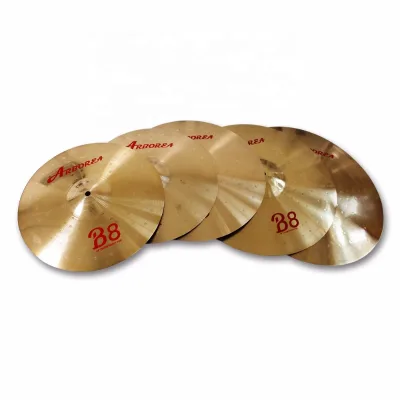
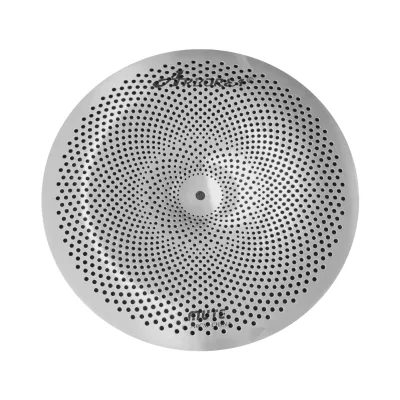
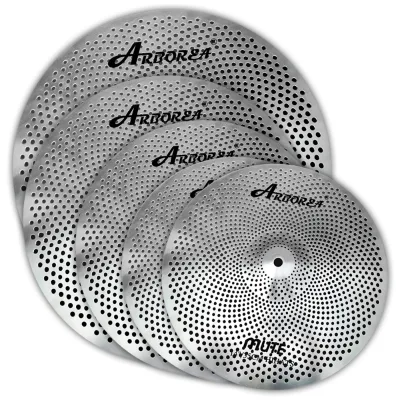




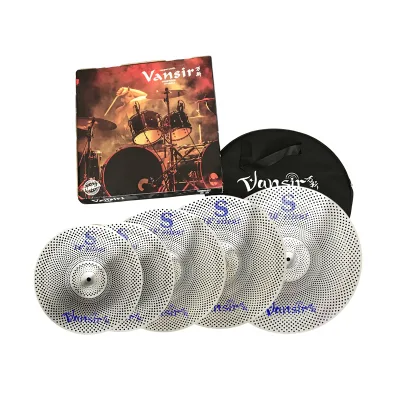
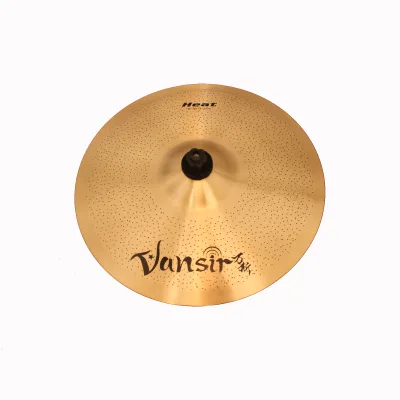
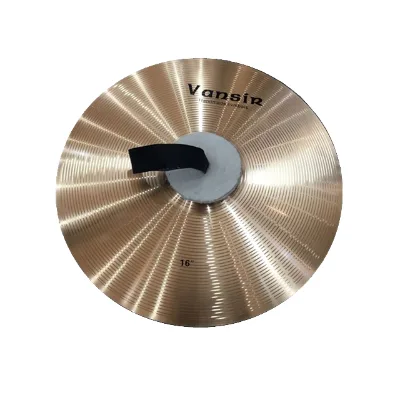
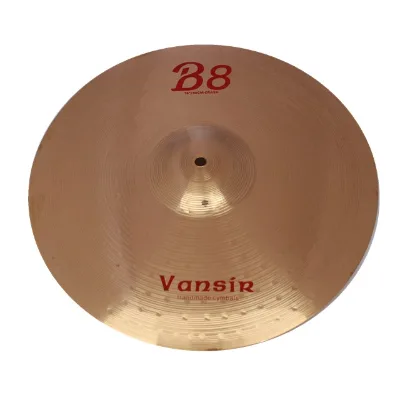
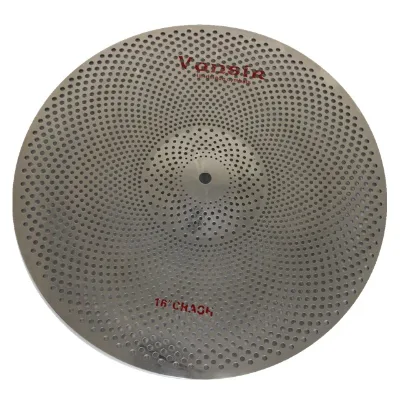


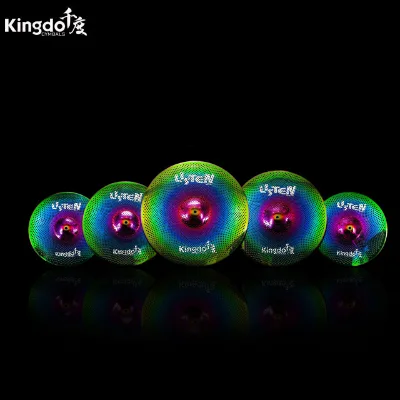
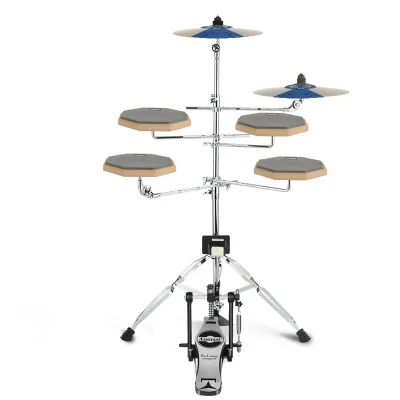
Comprehensive Sourcing Guide
Silent Practice Cymbals Sourcing Guide
Sourcing Silent Practice Cymbals requires a nuanced understanding of the intersection between acoustic percussion hardware and noise-reduction technology. These specialized instruments are designed primarily for drummers who need to maintain practice routines in environments where volume control is critical, such as residential areas, shared studios, or late-night sessions. The core value proposition lies in the ability to replicate the feel and response of traditional cymbals while significantly dampening sound output. Buyers must recognize that "silent" does not mean "mute"; rather, it indicates a substantial reduction in decibel levels, allowing for focused skill development without disturbing others. This category appeals heavily to educational institutions, professional musicians, and hobbyists seeking versatile practice tools.
The procurement landscape for these items is diverse, ranging from dedicated electronic drum pads to hybrid acoustic-silent cymbals that use mesh or rubber surfaces. Suppliers often highlight features like low cost and OEM acceptance, indicating a market driven by volume and customization. Buyers should note that while the primary application is for drummers, the product attributes sometimes overlap with general percussion instruments or even children's toys, necessitating careful filtering of search results. Understanding the specific mechanism of sound reduction—whether through material density, surface texture, or electronic integration—is essential for selecting the right product for your specific use case. This guide provides the framework for evaluating these options effectively.
Product Scope and Observed Listing Signals
Current market listings reveal a wide variance in product definitions, with some items explicitly labeled as "16 inch China Cymbal" or "Practical Cymbals" while others are categorized broadly under percussion or even auxiliary toys. Observed price ranges span from $1.98 to $1000, reflecting the disparity between simple practice pads and high-end hybrid cymbals. Minimum Order Quantities (MOQ) vary significantly, starting from single units for retail samples up to 500 pieces for bulk industrial orders. Buyers must scrutinize these signals to distinguish between genuine silent cymbals and generic percussion accessories. The presence of terms like "Low Volume" and "Sound: Low Volume" serves as a key indicator, but it must be cross-referenced with material specifications to ensure the product meets actual noise-reduction expectations.
Material composition is a critical differentiator in this category. Listings frequently cite materials such as alloy, wood, and composites, with some specifying "Beffa" for hammer components or "Solid Wood" for keyboard structures, which may indicate mixed or misclassified listings. The diameter specifications observed, such as 40 cm or sizes ranging from 10" to 22", suggest that traditional cymbal dimensions are often maintained for familiarity, even when the surface is modified for silence. Buyers should be wary of listings that combine unrelated attributes, such as "House" shape or "European & American" style, which may point to toy-grade products rather than professional-grade practice equipment. Verifying the actual material and construction method is paramount to avoiding mismatches between expectation and delivery.
Technical Specifications to Verify
When evaluating Silent Practice Cymbals, the diameter and thickness are primary technical parameters that influence playability and sound dampening efficiency. Standard sizes like 14", 16", and 18" are common, but buyers must verify if the listed dimensions refer to the physical footprint or the effective playing area. The material of the striking surface is equally important; mesh, rubber, or specialized composite alloys are typical choices for reducing volume. Buyers should request detailed specifications regarding the surface texture and density, as these directly impact the rebound and feel compared to traditional bronze cymbals. Additionally, the mounting hardware compatibility should be confirmed, as silent cymbals often require specific stands or adapters to function correctly with existing drum kits.
The structural integrity and durability of the silent cymbal are crucial for long-term use. Listings may mention "Composites" for shell materials or "Solid Wood" for other components, but the specific grade and treatment of these materials are rarely detailed in standard product pages. Buyers should inquire about the resilience of the silent surface against repeated striking, especially if the cymbal will be used for aggressive playing styles. Furthermore, the presence of OEM services suggests that customization options, such as logo printing or specific size modifications, may be available. However, buyers must clarify the technical implications of these customizations, ensuring that any alterations do not compromise the noise-reduction properties or the structural stability of the instrument.
Compliance and Safety Documentation
Safety and regulatory compliance are non-negotiable aspects of sourcing musical instruments, particularly those that may be used by younger audiences or in educational settings. Listings often cite certifications such as CE and ASTM, which are critical for market access in Europe and North America, respectively. Buyers must verify the validity and scope of these certifications, ensuring they cover the specific product model and material composition. The presence of "CE" indicates conformity with health, safety, and environmental protection standards for products sold within the European Economic Area, while "ASTM" references American Society for Testing and Materials standards, often related to toy safety or material performance. These documents provide assurance that the product has undergone rigorous testing for potential hazards.
Beyond formal certifications, buyers should request detailed material safety data sheets (MSDS) and chemical compliance reports, especially if the cymbal contains rubber, plastic, or treated wood components. These documents confirm that the materials are free from harmful substances like lead, phthalates, or formaldehyde, which is particularly important for products marketed towards children or used in schools. The "Age: 3-8 Years" attribute observed in some listings suggests a potential overlap with toy regulations, which may impose stricter safety requirements than those for adult musical instruments. Buyers must clarify the intended user demographic to ensure the correct compliance framework is applied, avoiding legal liabilities and ensuring the safety of all end-users.
Cost Drivers and Commercial Terms
The cost of Silent Practice Cymbals is influenced by several factors, including material quality, manufacturing complexity, and order volume. Observed price ranges from $1.98 to $1000 highlight the significant variance between basic practice pads and premium hybrid cymbals. Buyers should analyze the cost structure relative to the specified features, such as "Low Cost" claims or "OEM Accepted" services. Higher prices often correlate with better sound dampening efficiency, more durable materials, and superior build quality. Additionally, the supply ability, noted as 2000 pieces per month in some listings, indicates the production capacity of the supplier, which can impact pricing for large orders. Buyers should negotiate volume discounts based on their projected annual requirements.
Commercial terms such as MOQ, sample time, and port of dispatch are critical for planning procurement logistics. MOQs ranging from 1 to 500 pieces allow for flexibility, but buyers must consider the total landed cost, including shipping and customs duties. The sample time of 3-10 days is a key indicator of supplier responsiveness and production efficiency, allowing buyers to evaluate product quality before committing to large orders. The port of dispatch, often Qingdao for Chinese suppliers, affects shipping duration and costs. Buyers should also inquire about packaging details, as the use of high-quality plywood or carton packaging can impact protection during transit and overall shipping volume. Understanding these commercial terms helps in building a realistic budget and supply chain strategy.
Supplier Qualification and Quality Control
Supplier qualification is a vital step in ensuring the reliability and consistency of silent practice cymbal supplies. Buyers should assess the supplier's production capabilities, including their factory size, equipment, and workforce expertise. The "Supply Ability" of 2000 pieces per month suggests a moderate production scale, but buyers should verify if this capacity can be scaled up during peak seasons. Additionally, the acceptance of OEM services indicates a level of manufacturing flexibility, but buyers must ensure that the supplier has the technical expertise to maintain quality standards during customization. Requesting references or case studies from previous clients can provide insights into the supplier's reliability and customer service quality.
Quality control processes are essential for maintaining product consistency and meeting safety standards. Buyers should inquire about the supplier's internal quality control measures, including raw material inspection, in-process checks, and final product testing. The presence of certifications like CE and ASTM suggests that the supplier has established quality management systems, but buyers should request evidence of regular audits and testing protocols. Sampling is a critical part of the quality control process, allowing buyers to physically inspect the product for defects, sound quality, and durability. Buyers should establish clear quality acceptance criteria and communicate them to the supplier before production begins, ensuring that any deviations are identified and addressed promptly.
Long-Term Procurement Checks
Long-term procurement success depends on establishing a robust relationship with suppliers and implementing continuous improvement strategies. Buyers should conduct regular performance reviews, assessing factors such as on-time delivery, product quality, and responsiveness to issues. The "Sample Time" of 3-10 days is a useful metric for evaluating supplier efficiency, but buyers should also track lead times for bulk orders to identify potential bottlenecks. Building a diversified supplier base can mitigate risks associated with single-source dependencies, ensuring continuity of supply in case of disruptions. Buyers should also stay informed about market trends and technological advancements in silent cymbal design, allowing them to adapt their procurement strategies accordingly.
Continuous monitoring of compliance and safety standards is crucial for long-term viability, especially as regulations evolve. Buyers should ensure that their suppliers remain up-to-date with the latest certification requirements and material safety standards. Regular audits and re-testing of products can help maintain compliance and prevent potential recalls or legal issues. Additionally, buyers should foster open communication with suppliers, encouraging feedback and collaboration on product improvements. This collaborative approach can lead to better product designs, cost efficiencies, and enhanced market competitiveness. By prioritizing long-term relationships and continuous improvement, buyers can secure a reliable supply of high-quality Silent Practice Cymbals that meet their evolving needs.
FAQs
What material are these Silent Practice Cymbals made of?
These Silent Practice Cymbals are constructed from alloy materials to ensure durability during use. The product specifications indicate an alloy composition which provides a realistic feel for drummers. This material choice supports the low-volume sound characteristic required for practice environments. The design focuses on providing a practical solution for musicians seeking to reduce noise levels while maintaining performance quality.
Can I get custom branding on these cymbals?
Yes, customization is available for these Silent Practice Cymbals to meet specific branding needs. The supplier accepts OEM services, allowing for tailored product features. Buyers can request specific modifications to align with their brand identity. This flexibility ensures that the percussion instruments can be adapted for various commercial or personal applications while maintaining the core functional attributes of the alloy construction.
What is the minimum order quantity for these cymbals?
The minimum order quantity varies, with observed values ranging from 1 to 500 pieces. Specific listings indicate an MOQ of 100 pieces for certain models. Buyers should verify the exact requirement for their desired quantity. This range allows for both small-scale testing and larger bulk purchases, providing flexibility for different procurement strategies and inventory needs for drummers and retailers.
How long does it take to receive samples?
Sample delivery typically takes between 3 to 10 days after order confirmation. This timeframe allows for the preparation and dispatch of the percussion instruments. Buyers can use this period to evaluate the product quality and sound characteristics. The sample time is consistent with standard manufacturing practices for custom and standard items, ensuring that potential clients can assess the alloy cymbals before committing to larger orders.
Where are these Silent Practice Cymbals manufactured?
These Silent Practice Cymbals are manufactured in Shandong, China. The products are dispatched from the Qingdao port, facilitating international shipping. This location is a known hub for musical instrument production. Buyers can rely on the established supply chain infrastructure in this region to ensure timely delivery and consistent quality for their percussion instrument procurement needs.
What certifications do these cymbals hold?
These Silent Practice Cymbals hold CE and ASTM certifications, ensuring compliance with international standards. These certifications verify the safety and quality of the alloy materials used in construction. Buyers can trust that the products meet specific regulatory requirements for musical instruments. This documentation is essential for importing goods into various markets and ensures that the percussion instruments are suitable for professional and recreational use.