Source Breathable Quick Dry Basketball Shorts for gym, soccer, and training
Compare 30 options of Breathable Quick Dry Basketball Shorts designed for adults. These unisex polyester and spandex garments feature moisture-wicking and anti-UV properties suitable for basketball, soccer, and fitness training with customizable patterns and sizes.
Key considerations
Products List


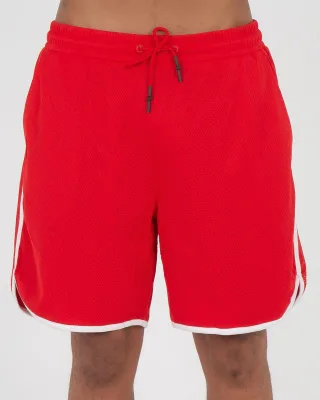


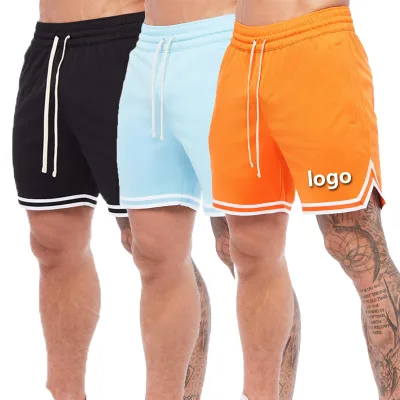


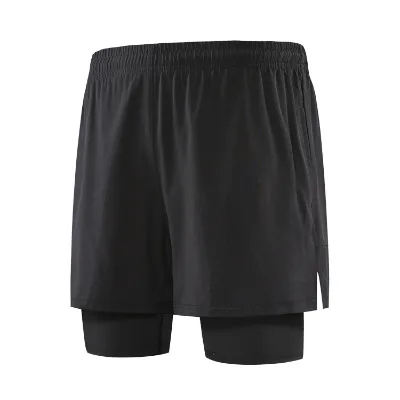


Comprehensive Sourcing Guide
Strategic Sourcing Guide for Breathable Quick-Dry Basketball Shorts
Navigating the global market for athletic apparel requires a precise understanding of material science, supply chain logistics, and compliance frameworks. For buyers specifically targeting breathable quick-dry basketball shorts, the procurement process involves balancing performance attributes with cost efficiency and reliability. The following guide outlines the critical factors for sourcing these items, grounded in observed market data and verified product specifications.
Understanding Material Composition and Performance Attributes
The foundation of any high-performance basketball short lies in its material composition. Market observations indicate that Polyester is the dominant material used in this category, often blended with Spandex or Cotton to achieve specific functional goals. Polyester provides the necessary structural integrity and durability required for high-intensity sports, while its inherent hydrophobic nature facilitates rapid moisture evacuation. When Spandex is introduced into the blend, it offers the essential elasticity needed for the dynamic range of motion required in basketball, such as jumping, sprinting, and lateral cuts.
Buyers must verify that the fabric possesses specific functional attributes beyond simple material identification. The most critical features observed in reliable listings include Quick-Drying, Moisture-Wicking, and Breathability. These are not merely marketing terms but technical requirements that prevent the garment from becoming heavy with sweat, which can impede performance and cause discomfort. Additionally, many suppliers offer options with Anti-UV protection, a valuable feature for outdoor basketball courts. The fabric type is often described as "Worsted" or generic athletic knit, but the key differentiator is the treatment applied to the fibers to ensure they remain breathable and quick-drying even after repeated wash cycles.
Technical Specifications and Sizing Standards
When evaluating product listings, technical specifications provide the blueprint for production and fit. A common observation in the current market is the availability of "Any" size or "Free Size" options, which simplifies inventory management for some buyers but may limit fit precision for others. More standardized listings offer a clear size progression: M, L, XL, XXL, and XXXL. Buyers should note that sizing can vary significantly between suppliers, making it imperative to request detailed size charts rather than relying on generic labels.
The construction of the shorts also includes specific design elements that impact functionality. The closure type is frequently an Elastic Waist, often accompanied by a drawstring for adjustable fit. Decoration features such as Pockets are standard, providing utility for players who need to carry small items during training or games. The pattern options vary widely, ranging from Pure Colour and Solid designs to Patterned and Hot Shorts styles. Some suppliers highlight customization capabilities, allowing buyers to specify logo positions, typically on the front, and to request custom patterns or colors. The model numbers associated with these products, such as "SS," "SP," or specific numeric codes like "2024408," serve as unique identifiers for tracking specific production runs and design iterations.
Compliance, Certifications, and Quality Verification
In the B2B procurement of athletic wear, compliance and certification are paramount for ensuring product safety and ethical manufacturing. While some background information suggests the existence of standards like ISO 9001 or OEKO-TEX, buyers must treat these as verification targets rather than guaranteed attributes of every listed product. The presence of a certification should be confirmed through direct supplier documentation before finalizing an order. Similarly, social compliance certifications like BSCI are often relevant for brands with strict ethical sourcing policies, but their absence in a listing does not necessarily indicate non-compliance; it simply means the specific listing did not highlight it.
Buyers should prioritize verifying the product standard and weight specifications. Observed data indicates product standards ranging from specific dimensions like 53x50x36 cm for packaging to weight specifications such as 0.25kg to 0.5kg per unit. These metrics are crucial for calculating shipping costs and determining the feasibility of air freight versus sea freight. The packaging standard is also a critical quality indicator; common practices include individual poly-bags (often 30cm x 20cm) combined with master cartons. Ensuring that the packaging protects the shorts from moisture and damage during transit is essential, especially given the quick-dry nature of the fabric which can be susceptible to mold if stored in damp conditions.
Cost Drivers and Pricing Dynamics
The pricing structure for breathable quick-dry basketball shorts is influenced by several variables, including material quality, customization level, and order volume. The observed price range in the market spans from $2.60 to $22.80 USD. This wide disparity reflects the difference between basic, unbranded items and premium, highly customized solutions. The lower end of the spectrum typically corresponds to standard polyester blends with minimal customization and high-volume production. Conversely, the higher price points often account for complex patterns, specialized fabric treatments like Anti-UV or Eco-Friendly certifications, and lower minimum order quantities (MOQ).
MOQ is a significant cost driver in this sector. While some suppliers accept small orders starting at just 1 piece, the standard MOQ observed is often around 10 pieces. However, other listings indicate MOQs up to 500 pieces. Buyers must align their order volume with the supplier's capacity to negotiate favorable unit prices. It is important to note that while small orders are accepted, the per-unit cost will inevitably be higher due to the setup costs associated with customization and production runs. Understanding the relationship between volume and price is essential for budgeting, as the cost per unit can fluctuate dramatically based on whether the buyer opts for a standard "Pure Colour" design or a fully customized "Patterned" solution.
Supplier Evaluation and Logistics Planning
Selecting the right supplier requires a thorough evaluation of their operational capabilities, particularly regarding lead times and shipping methods. The typical delivery time for these products ranges from 2 to 3 weeks for production, with sample times averaging between 1 to 7 days. This timeline is critical for buyers planning inventory for upcoming basketball seasons or promotional events. Buyers should verify if the supplier can meet these timelines consistently, as delays can disrupt supply chains and impact sales.
Shipping logistics are another vital consideration. The market supports a variety of shipping methods, including DHL, EMS, UPS, FedEx, as well as sea and air freight. The choice of shipping method depends on the urgency of the order and the total weight of the shipment. For lightweight items like shorts, air freight might be cost-effective for small batches, while sea freight is generally more economical for large orders. The origin of the products is predominantly China, with specific hubs like Guangzhou identified as key manufacturing locations. Buyers should factor in the lead time for international shipping when calculating the total time from order placement to delivery. Additionally, the supply type is often listed as OEM service, indicating that suppliers are equipped to handle custom branding and design requirements, which is a key factor for private label buyers.
Typical Applications and Market Segmentation
Breathable quick-dry basketball shorts are designed for a wide array of athletic applications, extending beyond just competitive basketball. The observed usage categories include Ball Sports, Soccer, Fitness, Rugby/Football, Gym, Basketball, Training, Running, Yoga, Track and Field, Water Sports, and Equestrian activities. This versatility makes these shorts a staple in the sportswear inventory for retailers targeting multi-sport athletes. The fabric's ability to wick moisture and dry quickly makes it suitable for high-intensity environments where sweat management is critical.
The target demographic for these products is primarily adults, with a unisex appeal that allows for broad market coverage. The styles available, such as Mens Jogging Suits and Mens Jogging Pants, suggest that these shorts are often part of a coordinated athletic set, though they can also be purchased as standalone items. The "Hot Shorts" pattern and "Solid" pattern types cater to different aesthetic preferences, allowing buyers to stock a diverse range of styles to meet varying consumer tastes. Understanding these applications helps buyers position their inventory effectively, ensuring they meet the needs of both professional athletes and casual fitness enthusiasts.
Long-Term Procurement and Quality Control Strategies
Establishing a long-term procurement strategy for breathable quick-dry basketball shorts involves more than just securing a single order. It requires building a relationship with suppliers who can maintain consistent quality over time. Quality control should begin at the design stage, where specifications for fabric weight, stitching, and color fastness are clearly defined. Buyers should insist on pre-production samples to verify that the "Quick Dry" and "Breathable" claims are met in practice, not just on paper.
Sustainability is an emerging trend in the industry, with some suppliers highlighting "Eco-Friendly" and "Sustainable" attributes. While these claims should be verified through third-party testing, incorporating sustainable materials into the product line can enhance brand value and appeal to environmentally conscious consumers. Furthermore, maintaining a buffer stock of popular sizes and colors can mitigate the risk of supply chain disruptions. Regular communication with suppliers regarding production updates and potential delays is essential for managing inventory levels effectively. By focusing on these long-term considerations, buyers can ensure a steady supply of high-quality basketball shorts that meet the evolving demands of the market.
FAQs
What materials are used for Breathable Quick Dry Basketball Shorts?
Polyester is the dominant material, often blended with Spandex or Cotton. This combination ensures structural integrity and rapid moisture evacuation while providing the elasticity needed for dynamic movements like jumping and sprinting.
Can I order small quantities of these shorts?
Yes, small orders are accepted with a standard Minimum Order Quantity of 10 pieces. Some suppliers may allow orders as low as 1 piece, though unit costs will be higher due to setup expenses.
How long does it take to receive samples?
Sample delivery typically takes between 1 to 7 days depending on the supplier. Production lead time for bulk orders generally ranges from 2 to 3 weeks after sample approval.
Which features define high-performance basketball shorts?
Key features include Quick-Drying, Moisture-Wicking, and Breathability to manage sweat. Additional attributes often observed are Anti-UV protection, Windbreak capabilities, and Anti-static properties for enhanced comfort.
What customization options are available for these shorts?
Customization is available for patterns, colors, and logo placement, typically on the front. Buyers can specify materials like Polyester or Cotton blends and request unique sizes ranging from M to XXXL.
Where are these shorts typically manufactured?
Products originate primarily from China, with Guangzhou identified as a key manufacturing hub. Buyers should verify specific factory locations when evaluating suppliers for quality and logistics planning.