Source Breathable Solid Color Denim Pants for kids, teens, and adults
Find Breathable Solid Color Denim Pants from 30 verified suppliers. Compare features like woven or knitted techniques, seasonal suitability, and customization options to match your specific sourcing needs.
Key considerations
Products List


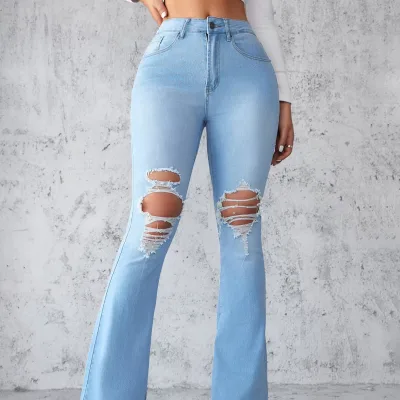

Fashionable Women Denim Pants with Durable Anti Pilling and Washable Design
$15.80 - $16.80
MOQ: 100 Pieces


Women's Lyocell Cotton Blend Straight Leg Casual Denim Pants (CFWSW26006)
$14.00 - $18.00
MOQ: 10 Pieces
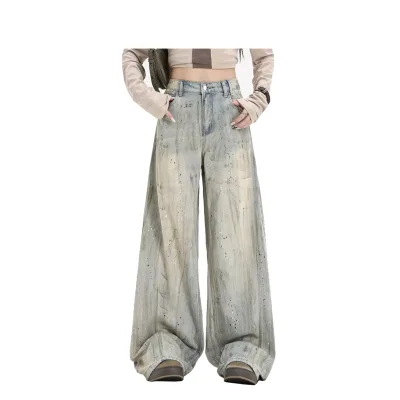


Comprehensive Sourcing Guide
Strategic Sourcing Guide for Breathable Solid Color Denim Pants
Procuring Breathable Solid Color Denim Pants requires a nuanced understanding of the intersection between traditional denim aesthetics and modern functional requirements. The core keyword implies a garment that maintains the visual integrity of solid-colored denim while integrating ventilation features suitable for warmer climates or active wear. In the current B2B landscape, buyers must navigate a complex supply chain where product attributes vary significantly even within the same category. This guide provides a disciplined approach to sourcing, relying on verified product facts and industry standards to ensure procurement decisions are grounded in reality rather than marketing speculation.
Technical Specifications and Material Composition
The foundation of any successful denim procurement lies in the precise definition of technical specifications. When targeting breathable solid color denim, the material composition is the primary determinant of performance. The supplied product data indicates a variety of material profiles available in the market, ranging from "Polyester Cotton Denim" to "Silk Denim." These variations suggest that the term "denim" in a B2B context can encompass different weave structures and fiber blends. For a breathable product, the presence of cotton is often critical for moisture absorption, while polyester may be introduced for durability and shape retention.
Weaving techniques further define the fabric's breathability. The observed data lists "Woven" as a primary technique, with specific processes including "Striped or Checked" and "Jacquard." However, for a solid color product, the weave density and the specific interlacing pattern are more relevant than the visual pattern itself. The data also notes a "knitted" weaving method in certain contexts, which presents a distinct alternative to traditional woven denim. Knitted denim often offers superior stretch and airflow, making it a viable candidate for the "breathable" requirement, though it may differ in the classic denim hand-feel.
Color consistency is another critical specification. The market data references "Dyed Color: White" and "Dyed Color: Duotone," alongside a general "Colour: Blue." For a solid color requirement, the buyer must verify the dyeing process to ensure uniformity. The "Water Washing" craft mentioned in the data suggests a post-production treatment that can affect the final color depth and texture. Buyers should request physical swatches to confirm that the "solid" appearance is consistent across the entire garment and that the breathability features do not compromise the color integrity.
Design Attributes and Functional Features
Beyond the fabric, the design attributes of the pants play a pivotal role in their functionality and market appeal. The product data highlights several design elements that directly impact the "breathable" claim. The "Feature: Ventilation" attribute is a direct indicator of airflow management, likely achieved through specific cut patterns, mesh linings, or strategic perforations. This feature is particularly relevant for the "Spring / Autumn" and "Summer" seasons identified in the data, suggesting that these products are engineered for transitional or warm weather.
Fit and style are equally important. The data lists a wide range of styles, including "Loose," "Skinny," and "Urban Leisure." A "Loose" style with a "Regular Sleeve" (though sleeves are typically for tops, this may indicate a general cut style) or a relaxed fit often enhances breathability by allowing air to circulate between the fabric and the skin. Conversely, "Skinny" styles with "High Waist" or "Low Waist" configurations may offer a different aesthetic but could restrict airflow if the fabric lacks inherent stretch or ventilation. The "Board Shape" and "Length" specifications, such as "Long Pants" or "Trousers," must be aligned with the intended use case. For instance, "Long Pants" in a "Thickened" fabric might be less suitable for summer ventilation compared to lighter weight options, despite the "Thickened" attribute potentially indicating durability rather than insulation.
The "Decorative Method" also influences the final product. Options like "Spliced" or "Nail Bead" add visual interest but can impact the fabric's surface area and airflow. Buyers must evaluate whether these decorative elements interfere with the breathability features or if they are integrated in a way that enhances the garment's overall performance. The "Popular Elements" such as "Wash and Age" suggest a distressed look, which can sometimes involve removing fabric layers to create a more open, breathable texture.
Seasonal Suitability and Application Scenarios
Understanding the seasonal context is essential for matching the right product to the right market. The supplied facts explicitly categorize products for "Spring / Autumn," "Summer," and a broader range including "Autumn, Spring, Summer, Winter." This variability indicates that the term "breathable solid color denim" is not monolithic; it applies to different performance tiers depending on the target season.
For summer applications, the priority is maximum airflow and moisture management. Products with the "Ventilation" feature and "Summer" season tags are the primary candidates. These items likely utilize lighter weight fabrics, such as the "Polyester Cotton Denim" mentioned, which balances the coolness of cotton with the quick-drying properties of polyester. The "Free Size" specification observed in the data suggests a universal fit strategy, which can be advantageous for mass-market summer collections where sizing complexity is a logistical burden.
In contrast, products intended for "Spring / Autumn" or "Winter" may prioritize warmth and durability over pure breathability. The "Thickened" attribute found in the data points to a heavier fabric construction, which might be less breathable but more suitable for cooler weather. However, the "Urban Leisure" style type suggests a versatile application where these pants could be worn in transitional seasons. Buyers must carefully cross-reference the "Season" attribute with the "Thickness and Thinness" specification to ensure the product meets the specific climatic needs of their target region.
The target demographic also influences application. The data specifies an "Age: 7-10 Years" and "Gender: Girl," alongside "Unisex" options. This indicates that breathable denim pants are a significant category in children's wear, where comfort and ease of movement are paramount. For this demographic, the "Ventilation" feature is not just a luxury but a necessity to prevent overheating during active play. The "Unisex" attribute expands the potential market to include adult casual wear, where the "Urban Leisure" style fits well with modern streetwear trends.
Cost Drivers and Supply Chain Variables
The cost of Breathable Solid Color Denim Pants is influenced by a complex matrix of factors, including material composition, production techniques, and supply chain logistics. The observed price range of $0.7 to $27.69 USD reflects the vast disparity between basic, mass-produced items and high-end, specialized garments. This wide range underscores the importance of defining clear specifications before engaging with suppliers.
Material costs are a primary driver. "Silk Denim" and "Jacquard" weaving processes generally command higher prices due to the complexity of production and the cost of raw materials. In contrast, standard "Polyester Cotton Denim" with a "Woven" technique may be more cost-effective. The "Weaving Process" also impacts cost; "Jacquard" weaving requires specialized machinery and setup, whereas standard "Striped or Checked" processes are more common and economical.
Packaging and shipping standards further affect the final landed cost. The data lists various packaging methods, including "Brand Packaging+Regular Packaging," "Sack," and "Bag." The choice of packaging can significantly impact the volume and weight of the shipment. For example, a "Sack" packaging might be more compact and cost-effective for bulk shipping compared to individual "Brand Packaging." The "Standard" weight and volume metrics, such as "0.30KG/pc" or "0.05cbm," are critical for calculating freight costs. Buyers must verify these figures against their specific shipping requirements to avoid unexpected expenses.
Lead times and customization capabilities also play a role in cost. The "7_days_sample_order_lead_time: Support" indicates a flexible supply chain capable of rapid prototyping. However, customization options like "Customization: Available" may incur additional setup fees or longer production cycles. The "Supply Type: OEM service" suggests that many suppliers are equipped to handle private labeling, which can add value but also complexity to the procurement process.
Supplier Evaluation and Quality Assurance
Evaluating suppliers for breathable denim pants requires a rigorous approach to quality assurance and compliance. The origin of the products is consistently listed as "China, Guangdong, Guangzhou," a major hub for textile manufacturing. While this region offers access to a vast network of suppliers, it also necessitates thorough due diligence to ensure quality consistency.
Buyers should prioritize suppliers who can demonstrate transparency in their production processes. The "Craft: Water Washing" and "Decorative Method" details suggest that post-production treatments are common. It is essential to verify that these treatments are applied consistently and do not degrade the fabric's breathability or structural integrity. The "Standard" weight and volume specifications should be used as benchmarks for quality control. Any deviation from the stated "0.30KG/pc" or "0.05cbm" could indicate quality issues or packaging inefficiencies.
Compliance and certification checks are critical, even though specific certification data in the supplied facts is limited. The background information mentions "GOTS," "OEKO-TEX," and "ISO 9001" as potential standards, but these should not be assumed without verification. Buyers must request valid certificates from suppliers to confirm that the denim is free from harmful substances and that the manufacturing process meets environmental and social standards. This is particularly important for products targeting children, as indicated by the "Age: 7-10 Years" attribute.
Quality control should also focus on the "Ventilation" feature. Buyers should inspect samples to ensure that the ventilation mechanisms are functional and durable. This may involve testing the fabric's airflow properties and checking for any defects in the weaving or cutting that could compromise breathability. The "Pattern Type: Solid" and "Dyed Color" consistency must be verified across the entire production batch to ensure brand consistency.
Long-Term Procurement and Market Trends
Sourcing Breathable Solid Color Denim Pants is not just a one-time transaction but a strategic decision that impacts long-term brand positioning. The "Urban Leisure" style and "Unisex" gender attributes suggest a growing trend towards versatile, comfortable clothing that bridges the gap between casual and active wear. As consumers increasingly prioritize comfort and functionality, the demand for breathable denim is likely to rise.
Buyers should consider the scalability of their supply chain. The "MOQ range: 1-500" indicates that many suppliers are willing to accommodate small orders, which is beneficial for testing new designs or entering new markets. However, for long-term procurement, establishing relationships with suppliers who can handle larger volumes at competitive prices is essential. The "Customization: Available" attribute offers flexibility for future product iterations, allowing buyers to adapt to changing market trends without significant disruption.
Market trends also point towards a greater emphasis on sustainability. While specific certification data is limited, the "GOTS" and "OEKO-TEX" standards mentioned in the background suggest that eco-friendly materials and processes are becoming more relevant. Buyers should proactively seek out suppliers who are investing in sustainable practices, as this can enhance brand reputation and meet the growing consumer demand for ethical fashion.
In conclusion, sourcing Breathable Solid Color Denim Pants requires a meticulous approach that balances technical specifications, design attributes, and supply chain logistics. By leveraging the available product facts and adhering to rigorous quality control standards, buyers can secure high-quality products that meet the evolving needs of the market. The key lies in understanding the nuances of the denim category and making informed decisions based on verified data rather than assumptions.
FAQs
Can I find Breathable Solid Color Denim Pants with ventilation features?
Yes, ventilation features are available in the product data for Breathable Solid Color Denim Pants. These items are suitable for Spring, Autumn, and Summer seasons, ensuring airflow for active wear or warmer climates while maintaining a solid color appearance.
What material options exist for Breathable Solid Color Denim Pants?
Available materials include Polyester Cotton Denim and Silk Denim for Breathable Solid Color Denim Pants. These blends balance durability with comfort, and some options feature specific weaving processes like Jacquard or standard woven techniques to enhance fabric performance.
Which customization services are offered for Breathable Solid Color Denim Pants?
Customization is available for Breathable Solid Color Denim Pants through OEM services. Buyers can request specific styles, colors, or packaging variations, with sample orders supported within a seven-day lead time to facilitate rapid prototyping and design adjustments.
How do MOQ and pricing vary for Breathable Solid Color Denim Pants?
The minimum order quantity ranges from 1 to 500 units for Breathable Solid Color Denim Pants. Prices observed in the market span from 0.7 to 27.69 USD, reflecting differences in material quality, weaving complexity, and specific design attributes like nail beads or splicing.
What are the standard packaging and weight specifications for Breathable Solid Color Denim Pants?
Packaging options include Brand Packaging, Regular Packaging, Sacks, or Bags for Breathable Solid Color Denim Pants. Individual product weights vary, with examples showing standards of 0.30KG per piece or 0.19KG per piece, depending on the specific model and fabric thickness.
Can I source Breathable Solid Color Denim Pants from Guangzhou factories?
Yes, products originate from China, specifically Guangdong, Guangzhou, for Breathable Solid Color Denim Pants. This region is a major manufacturing hub offering access to various weaving techniques and styles, including loose fits, skinny cuts, and urban leisure designs suitable for different demographics.