Source Buoyant ROV Cable for underwater drones, ROVs, and sensors
Find 30 listings for Buoyant ROV Cable designed for underwater applications. Buyers can compare specifications including conductor materials, insulation types, and voltage ratings from verified suppliers in China.
Key considerations
Products List
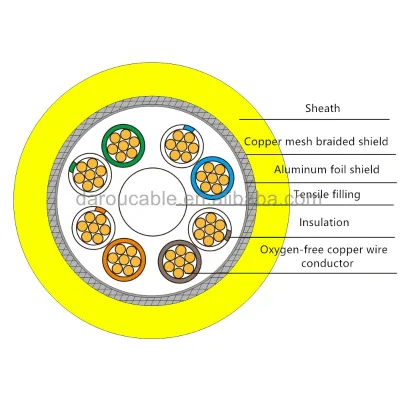
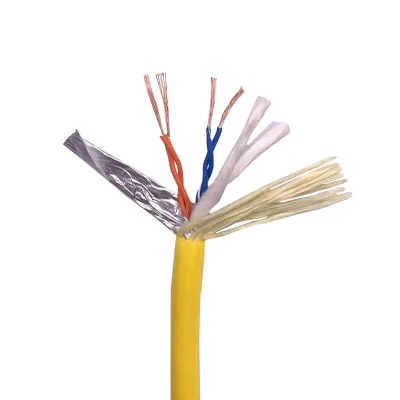
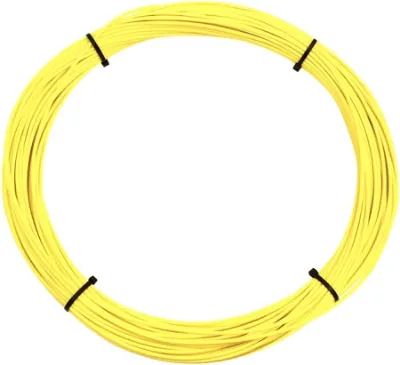
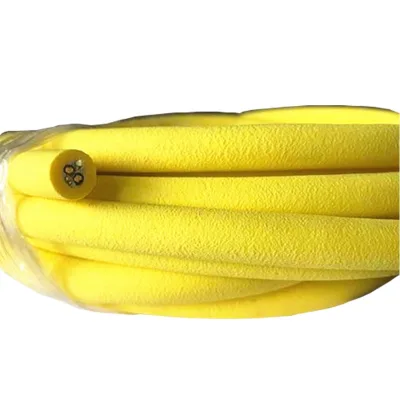
hot sale zero buoyancy underwater tether rov drones cable 1000 meters rov
$0.20 - $0.60
MOQ: 100 meters
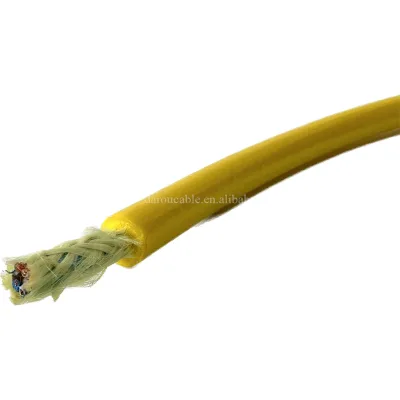
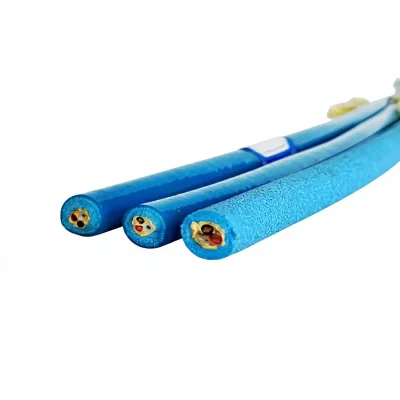


Zero Buoyancy Multi-Core Cable Rov Underwater Robot Anti Seawater Float Cable
$0.10 - $10.00
MOQ: 1000 Meters


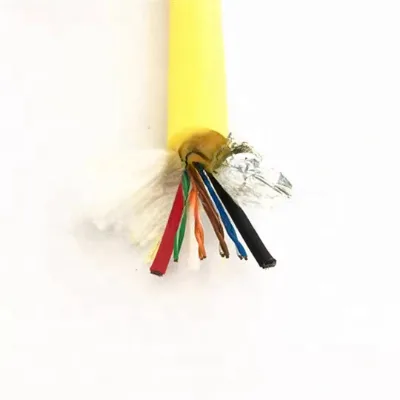
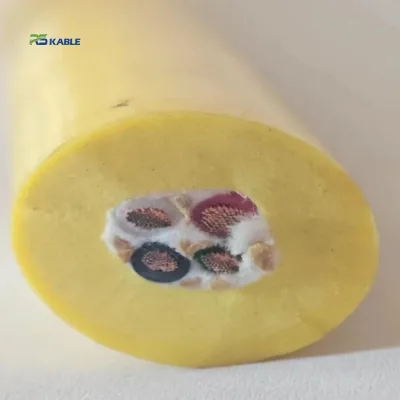
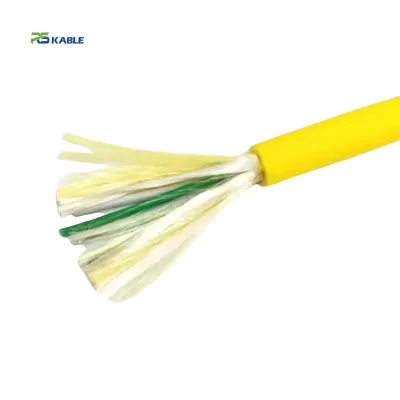
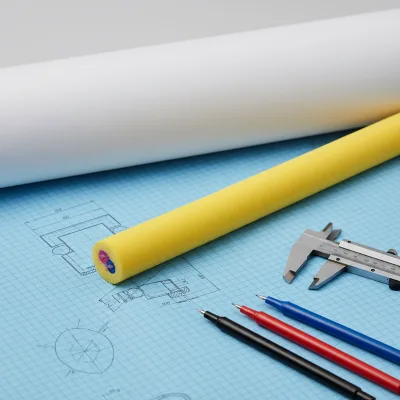
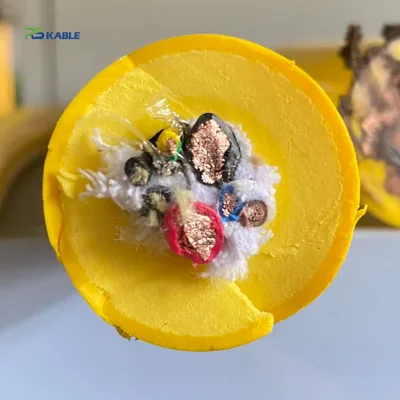
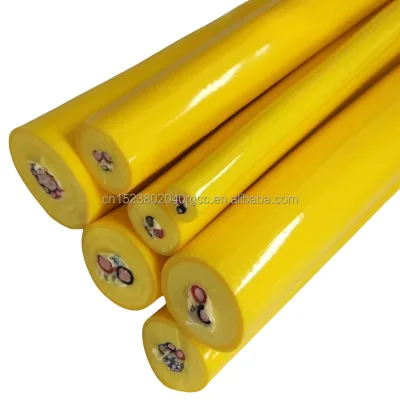


New Gray 3*1mm2 Rov Floating Cable for Rov Cleaning Swimming Pool Cable
$0.68 - $10.80
MOQ: 100 Meters
Comprehensive Sourcing Guide
Strategic Sourcing Guide for Buoyant ROV Cable Procurement
Understanding the Technical Landscape of ROV Tether Cables
When sourcing buoyant ROV (Remotely Operated Vehicle) cables, buyers must first distinguish between general underwater cabling and specialized tether solutions designed for specific buoyancy profiles. The market offers a diverse array of products ranging from standard insulated wires to complex multi-core tethers. Based on observed product attributes, the core construction typically involves a copper conductor, which serves as the primary medium for power and data transmission. The conductor material is frequently specified as copper or copper core, with conductor types often being stranded to enhance flexibility and resistance to fatigue during deployment.
The insulation and jacketing materials are critical determinants of performance. In the current market, buyers encounter a variety of insulation materials, including TPE (Thermoplastic Elastomer), PE (Polyethylene), and TPU (Thermoplastic Polyurethane). The jacket material is predominantly PUR (Polyurethane), chosen for its exceptional resistance to abrasion, chemicals, and the harsh marine environment. These materials directly influence the cable's buoyancy characteristics. While some products are explicitly labeled as "Zero Buoyancy," others may be engineered for positive buoyancy, though the specific density values are not universally standardized in public listings. Buyers must verify the exact density requirements for their specific ROV deployment depth and tension calculations.
The physical specifications of these cables vary significantly. Observed data indicates a diameter range spanning from 0.1mm to 50mm, accommodating everything from delicate sensor lines to heavy-duty power tethers. The number of cores is another variable; listings show configurations such as 8-core cables, which are common for data-intensive applications, alongside options labeled as "Other" to accommodate custom requirements. The single wire size can range from 0.1mm to 0.3mm, while the overall cable size might be specified in AWG (American Wire Gauge) standards, such as 2 AWG, 8 AWG, 12 AWG, or 18 AWG. The shape is consistently round, facilitating easier handling and spooling.
Electrical Ratings and Operational Limits
Electrical performance is a non-negotiable aspect of ROV cable procurement. The rated voltage for these cables exhibits a wide spectrum in the market, with listings citing values such as 250 V, 300 V, 450 V, 500 V, 600 V, and even up to 750 kV. This disparity suggests that buyers must carefully match the cable's voltage rating to the specific power and signal requirements of their ROV system. A cable rated for 300/500V nominal voltage is common for standard control and low-power data transmission, whereas higher voltage ratings may be necessary for deep-sea power delivery or specialized high-voltage instrumentation.
Temperature tolerance is equally critical for underwater operations. The working temperature range for many observed products spans from -40°C to 125°C, ensuring functionality in extreme cold at depth and potential heat generation during operation. However, some product attributes list a rated temperature of -40°C to 90°C. This variation highlights the importance of verifying the specific thermal limits of the insulation and jacket materials against the operational environment. The insulation materials, such as TPE or TPU, must maintain their dielectric properties and mechanical integrity across this temperature spectrum.
Color coding is another specification that aids in identification and installation. Available colors include black, red, blue, yellow, and white, allowing for clear differentiation between power, ground, and data lines within a multi-core cable. The ability to customize or select specific color combinations is often a requirement for complex ROV setups where signal integrity and safety are paramount.
Compliance, Certification, and Reference Standards
In the industrial and marine sectors, compliance with international standards is a prerequisite for procurement. The reference standard IEC 228 is explicitly mentioned in product attributes, which governs the conductors of insulated cables. This standard ensures that the copper conductors meet specific requirements for conductivity, stranding, and dimensional tolerances. Buyers should verify that the supplier's quality management system aligns with this standard to ensure consistent product performance.
Certification plays a vital role in validating the safety and quality of the cable. Observed listings frequently cite CE, RoHS, and ISO9001 certifications. The CE mark indicates conformity with health, safety, and environmental protection standards for products sold within the European Economic Area. RoHS (Restriction of Hazardous Substances) compliance ensures that the cable is free from specific hazardous materials, which is crucial for environmental safety and regulatory adherence. ISO9001 certification demonstrates that the manufacturer has a robust quality management system in place, though it does not guarantee the specific performance of the cable itself without further testing.
Buyers must be cautious when interpreting these certifications. While they are listed as attributes, they represent the manufacturer's claims rather than a universal guarantee for every SKU. It is essential to request valid certification documents and verify their scope. The absence of specific marine or underwater testing certifications in the general listing does not preclude the product's suitability, but it necessitates a deeper inquiry into the supplier's testing protocols for underwater applications.
Cost Drivers and Procurement Parameters
The cost of ROV cables is influenced by several factors, including material composition, conductor size, and the complexity of the jacketing. The observed price range in the market spans from $0.01 to $11.28 USD, a wide variance that likely reflects differences in cable length, core count, and material quality. However, unit pricing is often misleading without context; the Minimum Order Quantity (MOQ) is a significant cost driver. Listings show MOQs ranging from 100 meters to 1000 meters, with some specific products requiring a minimum of 200 meters.
The MOQ requirement can significantly impact the total procurement cost for smaller projects. Buyers with lower volume needs may face higher per-unit costs or may need to negotiate with suppliers who offer smaller batch sizes. Additionally, the selling unit is often listed as a "single item," which can refer to a specific length or a complete spool. The single package size varies, with some listings indicating dimensions of 40x40x30 cm and others as small as 0.04x0.04x0.04 cm, affecting shipping and logistics costs.
Lead times and location are also critical cost factors. Most observed products originate from China, with specific mentions of Shanghai as a place of origin. While this provides access to a vast manufacturing base, buyers must account for shipping times and potential supply chain disruptions. The single gross weight of the product, ranging from 0.4 kg to 10.000 kg, further influences freight costs. Buyers should calculate the total landed cost, including duties and shipping, rather than focusing solely on the unit price.
Supplier Evaluation and Quality Assurance
Evaluating a supplier for ROV cable procurement requires a multi-faceted approach. The brand name "Darou" appears in the product listings, but buyers should not rely on brand recognition alone. Instead, they should assess the supplier's technical capabilities, production capacity, and track record in the underwater cable sector. The presence of a "free sample" attribute in some listings is a positive indicator, allowing buyers to physically inspect the cable's flexibility, jacket quality, and conductor integrity before committing to a large order.
Quality control should be a central part of the evaluation process. Buyers must inquire about the supplier's internal testing procedures, particularly regarding dielectric strength, tensile strength, and water absorption. While specific test results are not provided in the general listings, a reputable supplier should be able to provide third-party test reports or in-house quality assurance data. The consistency of the product attributes, such as the diameter and insulation material, across different batches is a key indicator of manufacturing quality.
The supplier's ability to provide customization is another important factor. While standard products like the "DR-ROVS" or "DRPUR" models are available, many ROV projects require custom configurations. Buyers should verify if the supplier can accommodate requests for specific core counts, jacket materials, or buoyancy profiles. The "Other" designation for the number of cores suggests that customization is possible, but it requires clear communication of requirements.
Applications and Long-Term Procurement Strategy
The primary application for these cables is underwater operations, specifically for ROVs. The "Zero Buoyancy Underwater ROV Tether Cable" and "ROV Underwater Cable" designations highlight their intended use in subsea environments. These cables are essential for providing power, control signals, and data transmission between the surface vessel and the underwater vehicle. The robust construction, featuring PUR jackets and stranded copper conductors, is designed to withstand the mechanical stresses of deployment and retrieval.
Beyond standard ROV operations, these cables may find applications in industrial electronics and general cable systems. The versatility of the materials, such as TPE and TPU, allows them to be used in various environments where flexibility and durability are required. However, buyers must ensure that the cable's specific ratings match the operational demands of their application. For instance, a cable designed for shallow water may not be suitable for deep-sea applications without additional pressure testing.
Long-term procurement considerations involve building a sustainable relationship with the supplier. Consistency in product quality, reliable lead times, and responsive customer support are crucial for maintaining operational continuity. Buyers should consider the total cost of ownership, including maintenance and replacement costs, rather than just the initial purchase price. Establishing a clear specification sheet and maintaining open communication with the supplier can help mitigate risks associated with product variability.
Comparison of Key Product Attributes
To assist in the decision-making process, the following table summarizes the key attributes observed in the market for ROV cables. This comparison highlights the variability in specifications that buyers must navigate.
| Attribute Category | Observed Specifications | Key Considerations for Buyers |
|---|---|---|
| Conductor Material | Copper, Copper Core | Verify conductivity and stranding type for flexibility. |
| Insulation Material | TPE, PE, TPU | Check dielectric properties and temperature resistance. |
| Jacket Material | PUR | Essential for abrasion and chemical resistance. |
| Rated Voltage | 250V, 300V, 450V, 500V, 600V, 750kV | Match voltage rating to system requirements. |
| Temperature Range | -40°C to 90°C, -40°C to 125°C | Ensure compatibility with operational depth and environment. |
| Diameter | 0.1mm - 50mm, 2 AWG - 18 AWG | Select based on current carrying capacity and flexibility. |
| Number of Cores | 8-core, Other | Confirm core count for data/power needs. |
| Certifications | CE, RoHS, ISO9001 | Verify validity and scope of certifications. |
| MOQ | 100m, 200m, 1000m | Plan order volume to meet minimum requirements. |
| Place of Origin | China, Shanghai | Account for logistics and lead times. |
This structured approach to sourcing ensures that buyers can make informed decisions based on verified data and industry best practices, minimizing the risk of procurement errors in critical underwater applications.
FAQs
What materials are used for insulation in buoyant ROV cables?
Insulation materials typically include TPE, PE, and TPU. These materials ensure dielectric strength and flexibility for underwater operations, with TPE and TPU offering resistance to harsh marine environments.
Which certifications should I verify for underwater ROV cables?
Look for CE, RoHS, and ISO9001 certifications. These indicate compliance with safety standards and quality management systems, though buyers must request valid documents to confirm specific product scope.
How does the working temperature range affect cable selection?
Cables generally operate between -40°C and 125°C. This range ensures functionality in extreme cold and heat, but some products may be rated only up to 90°C, requiring careful verification.
Can I find ROV cables with specific core counts like 8-core?
Yes, 8-core configurations are available for data-intensive applications. Custom options labeled as Other also exist, allowing buyers to request specific conductor numbers tailored to their ROV system needs.
What is the typical minimum order quantity for these cables?
Minimum order quantities range from 100 to 1000 meters. Some specific listings require a minimum of 200 meters, which significantly impacts total procurement costs for smaller projects.
Which jacket material offers the best abrasion resistance?
PUR (Polyurethane) is the predominant jacket material used. It provides exceptional resistance to abrasion, chemicals, and the harsh marine environment, making it ideal for ROV tether applications.
Where are these ROV cables typically manufactured?
Most products originate from China, with specific mentions of Shanghai. Buyers must account for shipping times and logistics costs associated with this manufacturing location when planning procurement.