Source Burlap Polka Dot Drawstring Bag for Gift, Shopping, and Storage
Compare 30 Burlap Polka Dot Drawstring Bag options from suppliers in Shaanxi, China. Buyers can review sizes, materials like jute and canvas, and customization support for gift, shopping, and storage uses.
Key considerations
Products List



Comprehensive Sourcing Guide
Strategic Sourcing Guide for Burlap Polka Dot Drawstring Bags
Understanding Product Specifications and Material Composition
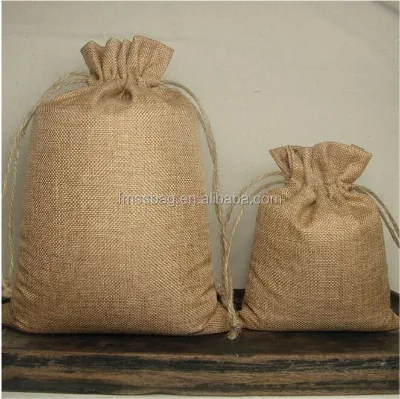
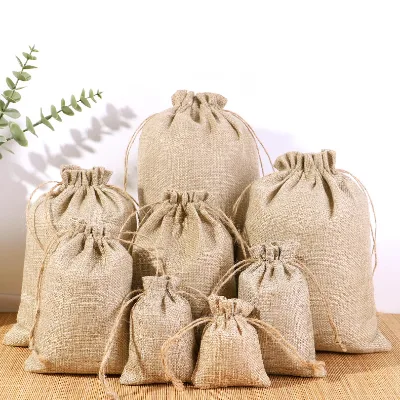
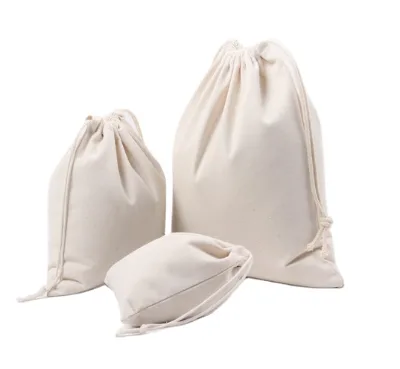
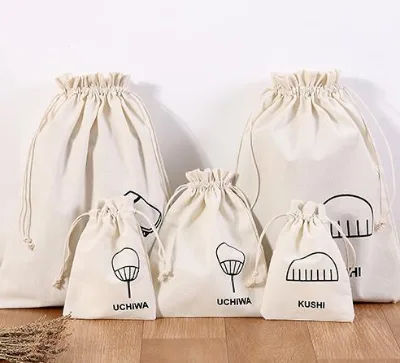
When sourcing a Burlap Polka Dot Drawstring Bag, the buyer must first establish a clear understanding of the physical attributes that define this specific product category. The core material composition is a critical differentiator, as the supply chain often lists multiple fabric options including canvas, linen, jute, cotton fabric, non-woven, nylon, polyester, PP, PVC, satin, velvet, calico, mesh, and silk. For a product explicitly identified as a "burlap bag" or "jute" item, the primary material is typically a coarse, woven fabric derived from jute fibers, often blended with linen or canvas to enhance durability. The specific "polka dot" aesthetic implies a printed or woven pattern, which falls under pattern types such as "Letter," "Printed," "Plain," "Cartoon," "Screen printing," "Striped," "Solid," "Character," "Panelled," "Geometric," "Leopard," "DOT," "Blank," or "Animal print."
The structural design is consistently defined by a drawstring closure system. This mechanism is described variously as "Drawstring," "String," "Rope," or "Resin mesh," and is essential for the bag's function as a pouch or tote. The size specifications vary significantly across listings, ranging from "Small (20-30cm)" to fully "customized" dimensions. A typical single package size observed in the market is approximately 30x20x2 cm, with a single gross weight often cited around 0.2 kg, though some entries list 0.0 kg, indicating that weight data may be inconsistent or dependent on specific customization. The style is frequently categorized as "Fashion," "Round," "Vintage," or "Bohemian," suggesting a versatile aesthetic suitable for both functional storage and promotional use.
Compliance Verification and Certification Standards
In the B2B procurement of textile products, verifying compliance with international standards is non-negotiable, particularly when the product is intended for gifting, food packaging, or cosmetic storage. The supply base for these bags often claims adherence to a wide array of certifications. Buyers must specifically verify the presence of "CE," "GRS" (Global Recycled Standard), "GOTS" (Global Organic Textile Standard), "ROHS," "FSC" (Forest Stewardship Council), "SEEDLING," "AZO-FREE," "OK-BIOBASED," "SASO," "DIN CERTCO," "OK COMPOST," "EMC," "BPI," "OK COMPOST HOME," and "OEKO-TEX STANDARD 100." These certifications address different aspects of the product lifecycle, from the chemical safety of the dyes used for the polka dot pattern to the sustainability of the jute or linen sourcing.
Management certifications are equally important for assessing the ethical and operational integrity of the supplier. Key standards to look for include "ISO," "BSCI," "SEDEX," "SA8000," "BRC," and "WCA." These documents validate the supplier's commitment to social responsibility, labor practices, and quality management systems. For a product labeled as "Eco-friendly," "Recyclable," "Biodegradable," or "Reusable," the buyer should demand proof of these specific claims through the relevant certification bodies. The "AZO-FREE" and "OEKO-TEX STANDARD 100" certifications are particularly critical for ensuring that the polka dot printing process does not involve harmful azo dyes, which is a common concern in textile manufacturing.
Cost Drivers and Pricing Dynamics
The pricing structure for burlap drawstring bags is influenced by several variable factors, including material quality, customization complexity, and order volume. The observed market price range for these items is extremely broad, spanning from $0.01 to $3.00 USD. This variance is not indicative of a single market rate but rather reflects the difference between generic, unbranded items and highly customized, certified products. The Minimum Order Quantity (MOQ) is a significant cost driver, with observed ranges from 3 units to 5,000 units. A specific high-confidence fact indicates an MOQ of 300 pieces for certain listings, while others may require 3,000 pieces.
Buyers must understand that the unit price is inversely related to the order volume. For small orders near the lower MOQ limit, the cost per unit will likely be at the higher end of the observed spectrum. Conversely, large-volume orders can drive the price down significantly. Additional cost factors include the "customized support" for OEM (Original Equipment Manufacturer) services, which may involve setup fees for screen printing or heat transfer processes used to apply the polka dot pattern. The choice of closure type, such as a standard rope versus a more complex "Resin mesh" or "Shoulder strap" system, also impacts the final cost. Payment terms, which typically include "PayPal," "T/T," and "Western Union," may also influence the final transaction cost depending on the risk profile and currency exchange rates involved.
Typical Applications and Functional Versatility
The functional utility of a Burlap Polka Dot Drawstring Bag extends far beyond simple storage, making it a versatile tool for various commercial and personal applications. The product attributes list a comprehensive range of uses, including "Gift Bag," "Daily Use," "Shopping Bag," "Beach bag," "Shoe bag," "Travel bag," "Wine bag," "Storage," "Packaging," "Jewelry," "Dust," "Promote gift," "Cosmetic," "Watch," "Ring," "Socks," "Handbag," "Craft," "Gemstone," "Necklace," and "Bracelet." This diversity allows the product to serve as a primary packaging solution for retail brands, a promotional giveaway for corporate events, or a functional accessory for outdoor activities.
The "Vintage" and "Bohemian" styles mentioned in the product attributes align well with the "Promotion," "Gift," and "Advertising" usage categories. The bag's ability to be customized with specific colors and patterns makes it ideal for branding. The "Interior" features, such as "Interior slot pocket," "Interior zipper pocket," "Cell phone pocket," and "Computer interlayer," suggest that while the exterior is rustic, the interior can be engineered for modern utility. The "Feature" list includes "Waterproof," "Water resistant," "Durable," and "Portable," which are essential for applications involving travel or outdoor use. However, buyers should verify these claims, as the natural jute material is inherently susceptible to moisture unless treated with specific coatings or linings like "Oxford," "Canva," "PVC," "Mesh," or "Organic cotton."
Supplier Evaluation and Origin Analysis
When evaluating potential suppliers for burlap drawstring bags, the "Place of Origin" is a primary indicator of supply chain characteristics. The majority of high-confidence data points to "Shaanxi, China (Mainland)" as the production hub, with some general references to "China." Shaanxi is a known region for textile and agricultural processing, which is relevant for jute and linen production. Buyers should verify the specific factory location within this region to assess logistics capabilities and labor standards.
Supplier evaluation should also focus on the "Sample time," which is observed to be between 1 and 7 days. This metric is crucial for determining the speed of the prototyping phase, especially for custom designs like polka dot patterns. The "Packing" method, listed as "Pp Bags Packing" or "Carton Box," indicates how the supplier prepares the goods for shipment, which affects the risk of damage during transit. Furthermore, the "Single volume" and "Single gross weight" data, while sometimes inconsistent (e.g., 0 cm³ or 0.0 kg), provide a baseline for calculating shipping costs. Buyers should request actual shipping quotes based on the specific dimensions and weight of their customized order rather than relying on generic data points. The "Style" options, ranging from "Normcore/minimalist" to "Luxury" and "National," indicate the supplier's design flexibility, which is essential for brands seeking a unique aesthetic.
Quality Control and Long-Term Procurement Considerations
Implementing a robust quality control (QC) protocol is essential for maintaining the integrity of the Burlap Polka Dot Drawstring Bag supply chain. Key inspection points include the consistency of the "Drawstring" closure, the durability of the "Screen printing" or "Heat transfer" used for the polka dot pattern, and the structural integrity of the "Canvas linen burlap" material. Buyers should verify the "Feature" claims such as "Washable," "Soft," and "Shock resistant" through physical testing. The "Lining Material," which can be "Oxford," "Canva," "PVC," "Mesh," "Organic cotton," or others, must be inspected for proper attachment and seam strength.
For long-term procurement, establishing a clear communication channel regarding "Customized support" is vital. The ability to adjust "Color" (ranging from "Black," "White," "Brown," "Blue" to "Customized Color") and "Pattern Type" allows for continuous product evolution. Buyers should also consider the "Management Certification" status of the supplier, as certifications like "BSCI" and "SA8000" ensure that the supply chain remains ethical and compliant with changing global labor laws. The "Payment Terms" flexibility, including "T/T" and "Western Union," should be negotiated to balance cash flow needs with supplier security. Finally, the "Lead time" and "Sample time" should be documented in the contract to ensure that production schedules align with market demands, preventing delays in product launches or promotional campaigns. By rigorously applying these quality and strategic checks, buyers can secure a reliable supply of high-quality burlap polka dot drawstring bags that meet both functional and aesthetic requirements.
FAQs
What material is used for burlap polka dot drawstring bags?
The primary material is typically jute, often blended with linen or canvas. Listings also indicate options including cotton fabric, non-woven, and various synthetic blends like polyester or nylon for specific durability needs.
What is the minimum order quantity for these bags?
The minimum order quantity varies by supplier, with observed ranges from 3 to 5,000 pieces. Specific high-confidence data points indicate an MOQ of 300 pieces for some listings and 3,000 pieces for others.
Can buyers request custom colors and patterns for these bags?
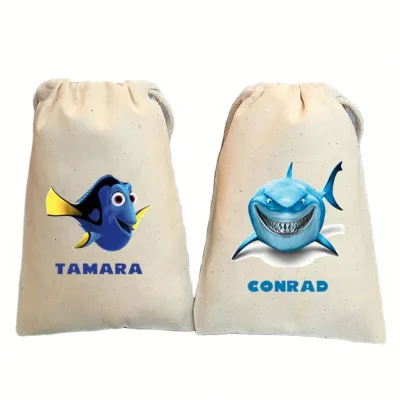
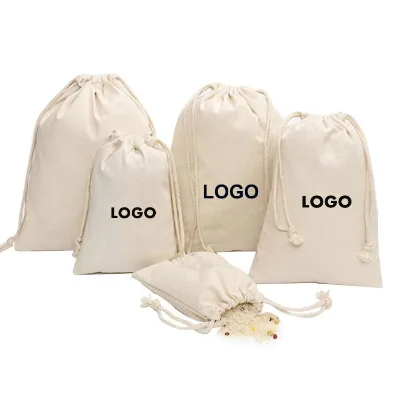
Yes, customized support including OEM services is available for color and pattern. Buyers can select from multiple colors like brown or black, or request specific designs such as polka dots using screen printing or heat transfer.
Which certifications are commonly available for these textile products?
Common certifications include GRS, GOTS, OEKO-TEX STANDARD 100, and FSC for material safety. Management certifications like ISO, BSCI, and SA8000 are also frequently cited to ensure ethical labor practices and quality management.
How long does it take to receive a sample of the bag?
Sample time typically ranges from 1 to 7 days depending on the supplier. This duration allows for the creation of prototypes with specific customizations like the drawstring closure or printed polka dot patterns before bulk production.
Where are these burlap bags primarily manufactured?
The majority of high-confidence data points to Shaanxi, China (Mainland) as the place of origin. Some general listings simply state China, but the specific region is known for textile and agricultural processing relevant to jute.
What payment terms are accepted for purchasing these bags?
Accepted payment terms typically include PayPal, T/T, and Western Union. These options provide flexibility for international transactions, though specific terms may vary based on the supplier's risk profile and the order volume.