Source Bus 2 2024 Fuel Filter for Oil-Water Separation, Air Filtration, and Industry Machinery
Explore 30 listings for the Bus 2 2024 Fuel Filter designed for solid-liquid separation and oil impurities. Buyers can compare specifications like filtration accuracy and mechanical principles from suppliers in China with varying delivery times and customization options.
Key considerations
Products List
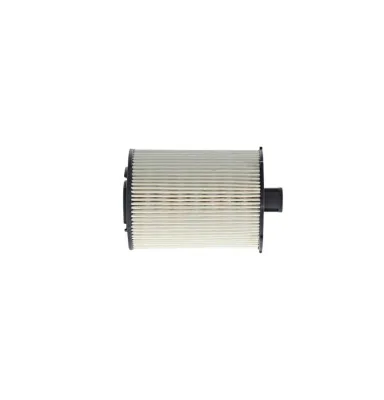


Bf9882 Diesel Fuel Filter Water Separator Filter for Truck and Bus Engine
$12.00 - $20.00
MOQ: 2 Pieces

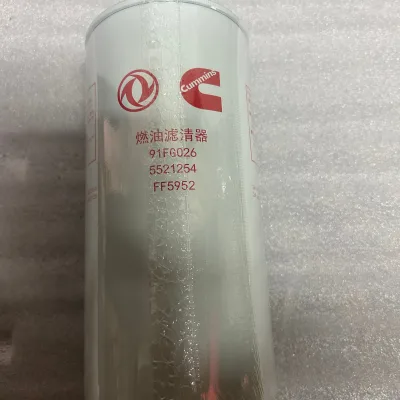


Comprehensive Sourcing Guide
Strategic Sourcing Guide for 2024 Bus Fuel Filter Procurement
The procurement of fuel filters for 2024 bus fleets represents a critical operational decision that directly impacts engine longevity, fuel efficiency, and regulatory compliance. As the automotive industry shifts toward stricter emission standards and more complex filtration requirements, buyers must navigate a landscape defined by diverse technical specifications and varying supplier capabilities. This guide provides a structured approach to sourcing fuel filters, grounded in verified product attributes and industry standards, ensuring that procurement teams can make informed decisions without relying on unverified market claims. The focus remains on understanding the specific mechanical principles, material compositions, and certification requirements that define high-performance filtration solutions for heavy-duty transportation.
Technical Specifications and Mechanical Principles
When evaluating fuel filters for bus applications, the primary distinction lies in the mechanical principle employed by the filtration system. The market offers solutions ranging from pressure filtration to adsorption-based mechanisms. Pressure filtration is a dominant method where the filter element physically separates solid-liquid impurities and oil impurities from the fuel stream by forcing the fluid through a porous medium. This method is particularly effective for removing particulate matter that could clog injectors or damage high-pressure pumps. Conversely, some advanced units utilize adsorption principles, which rely on chemical or physical attraction to capture specific contaminants, often used in conjunction with other filtration stages.
The structural design of the filter is equally significant. Buyers should distinguish between fixed-structure units and cartridge filters. Fixed structures often imply a permanent housing design where the filter element is replaced, whereas cartridge filters suggest a modular approach where the core can be swapped within a standardized casing. The body material is a critical factor in durability; steel bodies are common for their resistance to high pressure and corrosion, while filter paper and paper cores serve as the primary filtration medium for trapping microscopic particles. For applications requiring higher purity, such as those involving air or cabin environments, Hepa-grade filtration materials may be specified, though their direct application in fuel systems depends on the specific contamination profile.
| Feature | Pressure Filtration | Adsorption Principle |
|---|---|---|
| Primary Mechanism | Physical separation of solids | Chemical/Physical attraction |
| Typical Application | Solid-liquid separation, oil impurities | Specific contaminant removal |
| Structure Type | Fixed or Cartridge | Varies by design |
| Material Focus | Steel, Filter Paper | Paper Core, Metal |
Compliance and Certification Verification
In the heavy-duty transportation sector, certification is not merely a formality but a prerequisite for ensuring that components meet international safety and quality benchmarks. The most prominent certification observed in the supply chain is the IATF 16949, which is specifically tailored for the automotive industry. This standard, often paired with ISO 9001, indicates that the manufacturer has a robust quality management system capable of maintaining consistent product quality. Buyers must verify that the specific fuel filter model they intend to purchase carries this certification, as it validates the supplier's ability to manage risks and ensure traceability throughout the production process.
While some background data mentions CE certification, it should be treated as a general market indicator rather than a guaranteed attribute for every listed product. Procurement teams should explicitly request proof of certification for the specific batch or model number, such as FF167, FF113, or TF-1159, rather than assuming blanket compliance. The certification status should be cross-referenced with the product's intended application; for instance, filters designated for hoisting machinery or general industry use may have different certification requirements compared to those designed for bus fuel systems. The "OEM Quality" designation often appears in product descriptions, suggesting that the component meets the original equipment manufacturer's specifications, but this should be confirmed through documentation rather than assumed.
Cost Drivers and Pricing Variables
The pricing of bus fuel filters is influenced by a complex interplay of factors, including material costs, customization requirements, and logistical arrangements. The observed price range in the market spans from $1 to $100,000, a vast disparity that reflects the difference between simple paper-core elements and complex, automated separation systems. For standard fuel filters, the cost is primarily driven by the material composition, such as the use of steel versus alternative alloys, and the filtration accuracy, which can reach up to 99.9% for high-performance units.
Customization is a significant cost driver. Many suppliers offer OEM and ODM services, allowing buyers to specify dimensions, packing requirements, and standard compliance. When a buyer requests a filter to be packed according to specific customer requirements rather than standard export cartons, or when they demand a non-standard model number, the unit price typically increases. Additionally, the payment terms, such as T/T or L/C, and the Incoterms selected (EXW, FOB, CFR, CNF, CIF) will affect the final landed cost. Buyers must also consider the Minimum Order Quantity (MOQ), which can range from 1 to 500 units depending on the supplier, with some specific models requiring a minimum of 1000 pieces. Understanding these variables is essential for accurate budgeting and total cost of ownership analysis.
Typical Applications and Operational Context
Fuel filters for buses are designed to handle a variety of operational environments, from standard road transport to specialized industrial applications. The primary usage involves solid-liquid separation and the removal of oil impurities, ensuring that the fuel delivered to the engine is free of debris that could cause wear. Some advanced units are also designed for oil-water separation, a critical function in environments where water contamination is a risk. The applicability extends beyond just the fuel system; certain filters are dual-purpose, serving as cabin filters, air filters, or fuel filters depending on the configuration.
The application context dictates the required performance level. For example, filters used in hoisting machinery or general industry settings may have different flow rates and pressure tolerances compared to those in a 2024 bus fleet. The "Application" field in product specifications often lists "Liquid" or "Air," indicating the medium the filter is designed to process. In the context of a bus, the filter must handle high-volume fuel flow while maintaining a high filtration accuracy to protect sensitive injection systems. The "Performance" attribute, described as "Sophisticated Filters" or "Automatic," suggests that some units may include automated cleaning or monitoring features, which are beneficial for maintaining uptime in long-haul operations.
Supplier Evaluation and Service Capabilities
Selecting a reliable supplier requires a thorough evaluation of their service capabilities, particularly regarding customization and delivery logistics. The majority of suppliers in this sector offer OEM and ODM services, meaning they can manufacture filters based on the buyer's specific drawings or requirements. This flexibility is crucial for bus operators who may need filters that match legacy vehicle models or specific new fleet configurations. The "Service" attribute confirms that suppliers are equipped to handle these bespoke requests, but buyers should verify the extent of this capability during the negotiation phase.
Delivery time is another critical factor in supplier evaluation. The standard lead time for many products is approximately 30 days after the receipt of a deposit, though some suppliers offer expedited services with lead times as short as 15 workdays. However, for larger quantities or custom orders, the delivery time may extend to within 30 to 45 days. Buyers must align their procurement schedules with these lead times to avoid operational disruptions. The loading port, often listed as Tianjin Port, China, is a key logistical detail that affects shipping costs and transit times. Understanding the supplier's capacity to meet these timelines and their flexibility in handling different packing requirements, such as standard boxes or custom export cartons, is essential for a successful partnership.
Quality Control and Long-Term Procurement Considerations
Ensuring the quality of fuel filters is paramount for the safety and efficiency of bus operations. Quality control measures should include verification of the filtration accuracy, which is often cited as 99.9% for high-grade products. Buyers should also inspect the physical attributes of the filter, such as the body material (steel) and the core material (paper or metal), to ensure they meet the durability requirements of the intended application. The "Quality" attribute, often described as "OEM Quality," serves as a baseline indicator, but it should be supported by third-party test results or certification documents.
For long-term procurement, buyers should consider the standardization of parts and the availability of spare components. The product standard is sometimes listed as "According to Customer's Requirement," which implies a need for clear communication regarding dimensional and performance standards. Maintaining a consistent supply chain with suppliers who adhere to strict quality management systems, such as ISO 9001, helps mitigate the risk of quality fluctuations. Additionally, the ability of the supplier to provide consistent packaging, such as standard cartons or custom requirements, ensures that the filters arrive in optimal condition. By focusing on these long-term considerations, bus operators can secure a reliable supply of high-quality fuel filters that support the longevity and performance of their fleet.
FAQs
What certifications do bus fuel filters typically have?
Many bus fuel filters carry IATF 16949 and ISO 9001 certifications to ensure automotive quality standards. Some products may also be marked as OEM Quality, but specific batch verification is required rather than assuming blanket compliance for all models.
How long is the delivery time for these filters?
Standard delivery time is typically 30 days after receiving the deposit. For larger quantities or custom orders, the lead time may extend to within 30 to 45 days depending on the specific quantity ordered by the buyer.
Which mechanical principles are used in bus fuel filtration?
Filters primarily use pressure filtration to separate solid-liquid impurities and oil impurities from the fuel stream. Some advanced units utilize adsorption principles to capture specific contaminants, often serving as part of a multi-stage filtration system.
Can suppliers customize the packaging and specifications?
Yes, suppliers offer OEM and ODM services allowing for customized packaging and standards according to customer requirements. Buyers can specify dimensions and packing methods, though this customization may influence the final unit price and lead time.
What is the minimum order quantity for these filters?
The minimum order quantity ranges from 1 to 500 units depending on the supplier and product model. Some specific models require a higher minimum, such as 1000 pieces, so buyers must verify the MOQ for their selected item.
What materials are used for the filter body and core?
Filter bodies are commonly made of steel for durability and resistance to high pressure. The filtration core typically uses filter paper or paper cores, while some applications may specify metal materials or Hepa grade filtration for specific purity needs.