Source Candy Sublimation Toiletry Bag for Travel, Home, and Camping
Find 30 options for the Candy Sublimation Toiletry Bag, featuring cotton and polyester materials with custom printing. Compare specs for household, professional, and travel uses, with MOQs from 5 to 3000 pieces and lead times up to 45 days; compare the available evidence and request quotations based on your requirements.
Updated
Key considerations
Products List


Multifunctional Makeup Portable Travel Toiletry Bag Waterproof Mask Storage Bag
$0.32 - $0.55
MOQ: 100 Pieces


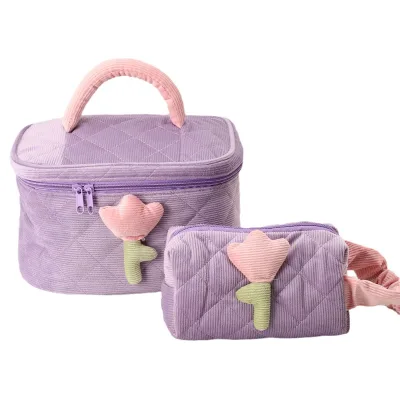
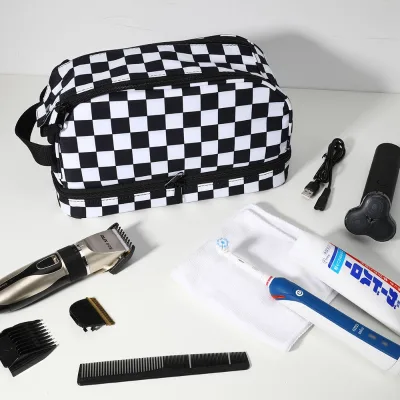
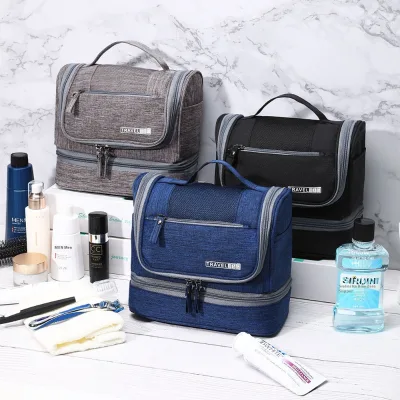


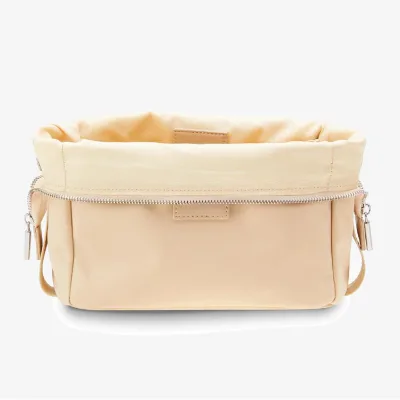
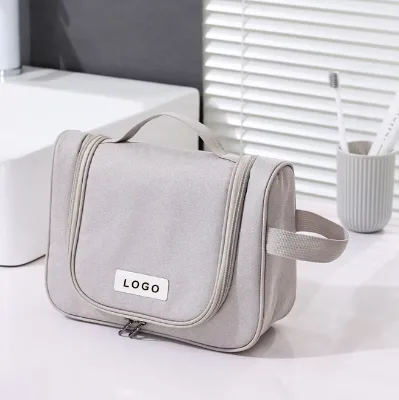


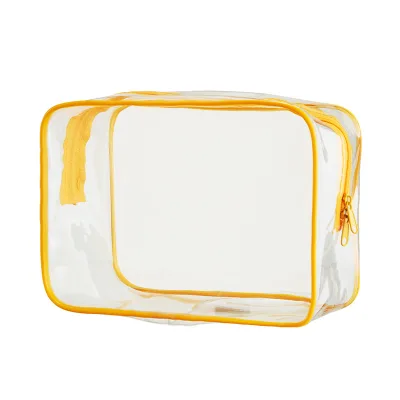
Fashion Custom Transparent PVC Waterproof Organizer Toiletry Cosmetic Bag
$0.82 - $1.28
MOQ: 500 Pieces

Comprehensive Sourcing Guide
Candy Sublimation Toiletry Bag Sourcing Guide
The Candy Sublimation Toiletry Bag represents a specialized category of travel accessories where vibrant, custom-printed designs are applied to durable fabric substrates. Based on observed market data, these items are frequently constructed from materials like cotton, polyester, or microfiber, offering a balance between aesthetic appeal and functional durability for daily use. Buyers should note that while the core product is defined as a toiletry or cosmetic bag, the observed listings also include broader categories such as beach bags, indicating that design flexibility often extends to the product's intended structural form.
Procurement decisions must account for the specific customization capabilities observed in the supply chain, where printing methods like silk screen, heat transfer, and embossing are standard. The product attributes indicate a strong focus on the "Creative" style and "Custom" material options, allowing buyers to tailor the bag's appearance to specific brand identities or promotional themes. However, the variation in observed specifications, such as different model numbers and dimensions, suggests that buyers must rigorously verify the exact physical attributes of the sublimated product before finalizing orders to ensure alignment with their packaging and retail requirements.
Product Scope and Observed Listing Signals
The observed product scope reveals a diverse range of applications, including household storage, professional use, and camping or traveling scenarios. While the core keyword focuses on sublimation, the available data shows that these bags are often marketed with specific features like waterproofing and medium-soft hardness, which are critical for protecting contents during transit. The gender classification varies between unisex and female-specific designs, suggesting that marketing strategies should be tailored to the target demographic, as the physical attributes like color and shape (e.g., vertical square) differ significantly across listings.
Listing signals indicate a high degree of variability in minimum order quantities (MOQ), ranging from 100 pieces to 3000 pieces depending on the supplier and specific product configuration. This variance implies that buyers with smaller initial orders may face higher per-unit costs or limited customization options compared to those capable of meeting larger volume thresholds. Furthermore, the presence of specific packing standards, such as box packaging or bulk cartons measuring 40x30x50cm, highlights the need for buyers to calculate logistics costs carefully, as the physical dimensions of the packed goods directly impact shipping efficiency and storage requirements.
Technical Specifications to Verify
Buyers must meticulously verify the physical dimensions and material composition, as observed listings show significant discrepancies in size specifications, ranging from 23x8x15cm to 24x11x21cm. The material composition is equally critical, with options including cotton, polyester, and microfiber, each offering distinct performance characteristics regarding durability and print quality. Since the product standard is often listed as "custom," relying on generic specifications is risky; instead, procurement teams should request physical samples to confirm that the sublimation process adheres to the desired color vibrancy and that the fabric weight meets the intended usage requirements for travel or daily carry.
Closure mechanisms and structural features also require strict verification, as the observed data points to zipper closures and single-open designs as common configurations. The hardness rating of "medium soft" suggests a specific tactile experience that may not be suitable for all use cases, particularly if rigid protection is needed for fragile toiletry items. Additionally, the lead time for samples and bulk production varies, with some suppliers offering sample times within 10 days and bulk times up to 30 days, necessitating a clear timeline for the buyer to manage inventory replenishment and avoid stockouts during peak travel seasons.
Compliance and Safety Documentation
While the supplied facts do not explicitly list specific safety certifications, the nature of sublimation printing and textile manufacturing implies that buyers must verify compliance with relevant chemical and safety standards for consumer goods. The use of dyes and inks for sublimation requires assurance that the materials are non-toxic and safe for skin contact, especially given the product's intended use in household and travel environments where it may come into direct contact with personal items. Buyers should request documentation confirming that the printing process and raw materials meet international safety regulations, such as REACH or CPSIA, to mitigate liability risks associated with chemical exposure.
Documentation regarding the origin of the product is equally vital, as the observed data indicates production primarily in China, with specific mentions of Fujian and Xiamen as places of origin. Verifying the supply chain transparency ensures that the manufacturing facilities adhere to ethical labor practices and environmental regulations, which is increasingly important for B2B buyers in Western markets. Although specific certification names are not provided in the context, the absence of such data in listings serves as a red flag, prompting buyers to explicitly demand proof of compliance before committing to large-scale orders to ensure the products can be legally imported and sold in their target markets.
Cost Drivers and Commercial Terms
The commercial landscape for these bags is defined by a payment structure that typically requires a 30% deposit followed by a 70% balance payment before shipping. This term structure places a significant cash flow burden on the buyer, who must secure funding for the majority of the order value prior to receiving the goods. The observed price range of 0.32 to 10.87 USD suggests a wide disparity in unit costs, likely driven by factors such as material quality, customization complexity, and order volume. Buyers must analyze the cost drivers carefully, as the lower end of the price spectrum may correspond to basic polyester options, while the higher end likely reflects premium materials like microfiber or complex custom printing techniques.
Lead times and production capacity are additional cost drivers that influence the total landed cost of the product. The observed bulk production times range from 15 to 30 days, with some suppliers indicating lead times up to 45 days, which can impact the buyer's ability to meet seasonal demand. Delays in production can lead to increased storage costs or missed sales opportunities, making it essential for buyers to negotiate realistic timelines and include penalty clauses for late delivery in their contracts. Furthermore, the MOQ requirements, which can be as high as 3000 pieces, may force smaller buyers to consolidate orders or accept higher per-unit costs, directly affecting the overall profitability of the procurement strategy.
Supplier Qualification and Quality Control
Supplier qualification should begin with a thorough assessment of their customization capabilities, as the observed data confirms that most suppliers offer custom printing and material options. Buyers must verify the supplier's ability to execute specific design requirements, such as silk screen or heat transfer printing, by reviewing their portfolio of previous work and requesting detailed technical specifications for their production equipment. The presence of OEM acceptance indicates that suppliers are willing to work with private labels, but buyers should confirm the supplier's capacity to maintain consistency across large batches, ensuring that the sublimation quality remains uniform from the first unit to the last.
Quality control protocols must be established to address the variability observed in product attributes like color, shape, and hardness. Since the product standard is often listed as "custom," there is a risk of deviation from the buyer's expectations if not strictly monitored. Implementing a rigorous inspection process, including pre-production sample approval and during-production checks, is essential to catch defects early. Buyers should also verify the supplier's packing standards, as inconsistent packaging can lead to damage during transit, and ensure that the supplier has a clear process for handling returns or replacements in case the delivered goods do not meet the agreed-upon specifications.
Long-Term Procurement Checks
Sustaining a successful procurement relationship requires regular audits of the supplier's ability to maintain consistent lead times and quality standards over the long term. The observed variation in sample times and bulk production durations suggests that capacity fluctuations are common, so buyers should establish a system for monitoring production schedules and communicating proactively about potential delays. Building a buffer into the supply chain timeline is crucial to accommodate these variations, ensuring that inventory levels remain sufficient to meet customer demand without relying on expedited shipping, which can erode profit margins.
Continuous evaluation of the product's market performance and customer feedback is also necessary to validate the long-term viability of the Candy Sublimation Toiletry Bag line. Buyers should track metrics such as return rates, customer satisfaction regarding print durability and material feel, and the effectiveness of the product in its intended applications like camping or daily use. If the product fails to meet expectations in the market, the buyer must be prepared to pivot to alternative materials or designs, leveraging the supplier's customization capabilities to adapt quickly to changing consumer preferences and maintain a competitive edge in the toiletry bag sector.
FAQs
Can I customize the logo on the Candy Sublimation Toiletry Bag?
Yes, custom logos are accepted for these bags. You can choose from silk screen, heat transfer, or embossed printing methods. This customization allows you to brand the product effectively for your specific business needs or promotional campaigns.
What is the minimum order quantity for these bags?
The minimum order quantity varies by product type. For the cosmetic bag model, the MOQ is 100 pieces. For the beach bag and toiletry bag options, the MOQ is set at 500 pieces. Please check the specific model requirements before ordering.
How long does production take for bulk orders?
Bulk production times depend on the specific item selected. The cosmetic bag typically requires 15 to 20 days for production. The beach bag option has a longer lead time of 25 to 30 days. Plan your sourcing schedule accordingly.
What materials are used for these toiletry bags?
Different models use various materials to suit different needs. One option is made from cotton, while another uses polyester. A third variant is crafted from microfiber. These materials offer different textures and durability levels for household or travel use.
Where are these bags manufactured?
These products originate from China. Specific manufacturing locations include Fujian and Xiamen. This regional sourcing allows for efficient production and logistics. Buyers can verify the exact place of origin for each specific product model during the inquiry process.
What payment terms are required for these orders?
The standard payment term requires a 30% deposit to initiate production. The remaining 70% balance must be paid before shipping. This structure ensures commitment from both parties. Please arrange the balance payment promptly to avoid shipping delays.