Source Eco Friendly Canvas Backpack for Travel, Outdoor, Daily
Source Eco Friendly Canvas Backpack options from 30 verified listings. Compare features like waterproofing, zipper closures, and soft handle straps. View pricing from $0.22 to $14.36 with MOQs starting at 50 units for bulk procurement; compare the available evidence and request quotations based on your requirements.
Updated
Key considerations
Products List
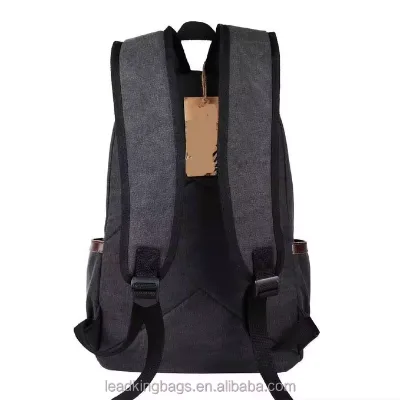
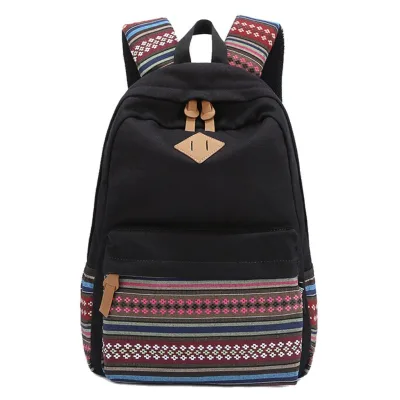
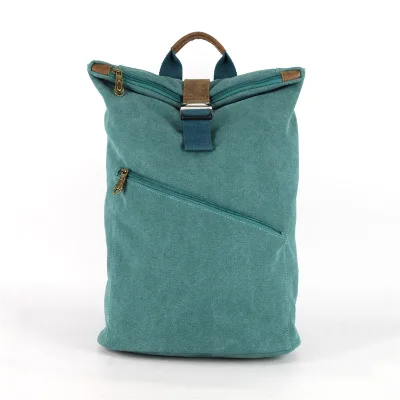
Teenager unisex casual daypack fashion pack canvas laptop school backpack
$4.099 - $8.1981
MOQ: 500 sets


$3.20 - $6.00
MOQ: 1000 Pieces


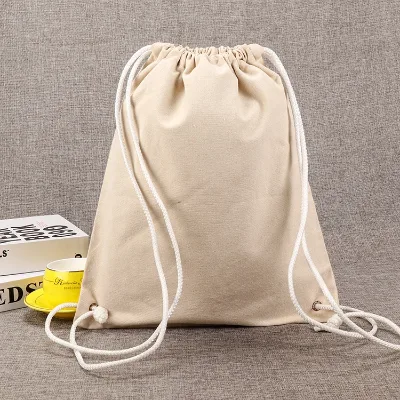


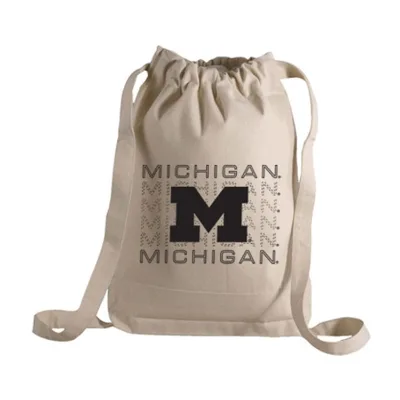
Versatile Drawstring Canvas Backpack for Sports and Travel Enthusiasts
$10.15 - $14.36
MOQ: 500 Pieces


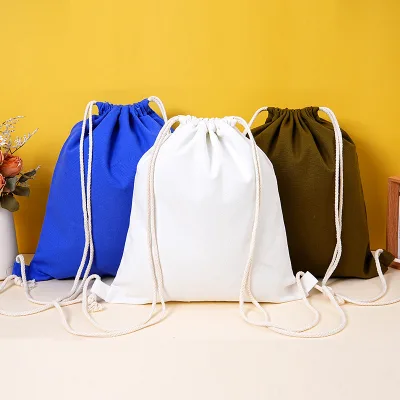

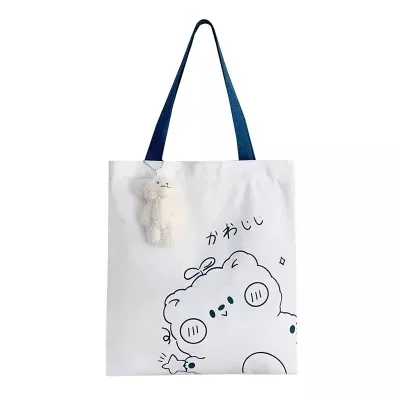
Thickened Environmentally Friendly Canvas Bag
$1.80 - $2.22
MOQ: 300 Pieces
WeIVan (Hangzhou) International Import and Export Trading Co., Ltd.




Comprehensive Sourcing Guide
Eco Friendly Canvas Backpack Sourcing Guide
Procuring eco-friendly canvas backpacks requires a disciplined approach to balancing sustainability claims with functional durability and commercial viability. Buyers must navigate a market where "eco-friendly" is often a marketing term rather than a certified standard, necessitating rigorous verification of material origins and manufacturing processes. The core keyword highlights a specific niche where natural fibers meet modern utility, appealing to brands focused on ethical sourcing and environmental responsibility. This guide provides a structured framework for evaluating suppliers, ensuring that the final product aligns with both corporate sustainability goals and practical performance requirements.
Successful sourcing begins with understanding the distinction between generic canvas products and those explicitly designed with environmental considerations. While many suppliers offer canvas bags, only a subset provides verifiable eco-friendly attributes, such as organic cotton blends or recycled polyester linings. Buyers should prioritize suppliers who transparently disclose their supply chain practices and material certifications. This foundational step ensures that the procurement strategy supports genuine sustainability efforts rather than superficial greenwashing, ultimately protecting brand reputation and meeting the expectations of environmentally conscious consumers.
Product Scope and Observed Listing Signals
The observed market signals indicate a diverse range of canvas backpacks with varying specifications, primarily originating from China, with specific mentions of Fujian as a production hub. Listings reveal a price range of $0.22 to $14.36 USD, suggesting significant variation in quality, material composition, and order volume. Minimum Order Quantities (MOQs) typically range from 50 to 1,000 units, with some suppliers requiring up to 10,000 pieces for customized eco-friendly options. These signals help buyers segment suppliers based on their capacity to handle small-batch experimental orders versus large-scale commercial deployments, allowing for more strategic vendor selection.
Product attributes observed include solid patterns, zipper closures, and unisex designs, with specific models like LKBAP001 and LKSLB001 indicating standardized production lines. Materials cited range from pure canvas to polyester blends, with some listings explicitly noting waterproof features and soft handle straps. Interior compartments and arcuate shoulder straps are common functional elements, catering to daily use, travel, and outdoor activities. Buyers should carefully cross-reference these observed attributes with their specific product requirements, as the term "eco-friendly" does not automatically imply specific material compositions or structural features without further verification.
Technical Specifications to Verify
Verifying technical specifications is critical to ensuring that the canvas backpacks meet functional expectations while adhering to sustainability claims. Buyers should confirm the exact material composition, distinguishing between pure canvas, cotton blends, and polyester linings, as these impact both durability and environmental footprint. Specifications such as model numbers (e.g., LKBAP001, LKSLB001) and capacity ratings (below 30 liters, medium, or super capacity) must be aligned with intended use cases, whether for daily commuting, travel, or outdoor sports. Detailed verification of strap types, closure mechanisms, and interior organization features ensures the product delivers the expected user experience.
Additional technical checks should focus on customization capabilities, including logo placement, color options, and size adjustments. Listings indicate that many suppliers offer customized standards and logos, with delivery times ranging from 30 to 35 days. Buyers must clarify whether "eco-friendly" claims are supported by specific material certifications or if they refer to general production practices. Verifying the presence of drawbars, which are noted as absent in some listings, and confirming the quality of zippers and stitching is essential for long-term product reliability. These technical details form the basis for defining precise product requirements in supplier contracts.
Compliance and Safety Documentation
Compliance and safety documentation are paramount when sourcing eco-friendly products, as regulatory requirements vary significantly across markets. Buyers should request evidence of certifications such as GOTS or OEKO-TEX, although these are noted as low-confidence background information and require direct verification from suppliers. Ensuring that materials are free from harmful chemicals and meet local safety standards is crucial for market access and consumer trust. Documentation should cover not only the final product but also the supply chain, including the sourcing of raw materials and the manufacturing processes employed.
Suppliers may claim best quality and eco-friendly status, but these assertions must be backed by third-party test reports and audit results. Buyers should inquire about the specific standards applied, such as custom or standardized industry benchmarks, and verify that these align with destination market regulations. Transparency in documentation helps mitigate risks associated with non-compliance, including potential recalls or legal liabilities. Establishing a clear requirement for comprehensive compliance documentation early in the sourcing process ensures that all products meet the necessary safety and environmental criteria before production begins.
Cost Drivers and Commercial Terms
Cost drivers for eco-friendly canvas backpacks include material selection, customization complexity, and order volume. The observed price range of $0.22 to $14.36 USD reflects these variables, with higher prices typically associated with premium materials, intricate designs, and smaller order quantities. MOQs ranging from 50 to 10,000 pieces significantly impact unit costs, with larger volumes generally yielding lower per-unit prices. Buyers must balance the desire for customization and sustainability with the economic benefits of scale, ensuring that the total cost of ownership aligns with budget constraints and profit margins.
Commercial terms such as delivery times, payment conditions, and packaging requirements also influence overall costs. Listings indicate delivery times of 30 to 35 days, which must be factored into inventory planning and supply chain logistics. Packaging details, such as 10 pieces per PP bag, affect shipping efficiency and product protection. Buyers should negotiate clear terms regarding quality assurance, returns, and liability to protect against potential disruptions. Understanding these commercial dynamics enables more accurate cost forecasting and strengthens negotiation positions with suppliers, leading to more favorable procurement outcomes.
Supplier Qualification and Quality Control
Supplier qualification involves a thorough assessment of manufacturing capabilities, quality control systems, and ethical practices. Buyers should verify the supplier's location, with Fujian, China, being a noted production hub, and assess their experience in producing eco-friendly canvas products. Quality control measures, including in-process inspections and final product audits, are essential to ensure consistency and adherence to specifications. Suppliers claiming best quality and eco-friendly status should provide evidence of their quality management systems and environmental policies, such as waste reduction and energy efficiency initiatives.
Establishing a robust quality control protocol is critical for maintaining product standards across production batches. Buyers should define clear acceptance criteria for materials, stitching, and functional components, and conduct regular inspections during production. Communication with suppliers regarding any deviations or issues must be prompt and documented to facilitate corrective actions. Building a long-term relationship with qualified suppliers fosters trust and collaboration, enabling continuous improvement in product quality and sustainability performance. This proactive approach minimizes risks and ensures that the final products meet the highest standards of excellence.
Long-Term Procurement Checks
Long-term procurement checks focus on sustaining supplier performance and adapting to evolving market demands. Regular reviews of supplier compliance, quality metrics, and delivery reliability are necessary to maintain a high-performing supply chain. Buyers should monitor changes in material availability, regulatory requirements, and sustainability trends to ensure ongoing alignment with corporate goals. Continuous engagement with suppliers encourages innovation and improvement, fostering a partnership that benefits both parties. This strategic approach ensures that the sourcing process remains agile and responsive to market dynamics.
Evaluating the long-term viability of eco-friendly claims is essential for maintaining brand integrity. Buyers should periodically reassess the authenticity of sustainability certifications and material sources, ensuring that they remain valid and relevant. Tracking performance data, such as defect rates and customer feedback, provides valuable insights for future procurement decisions. By implementing a structured framework for long-term checks, buyers can mitigate risks, optimize costs, and drive continuous improvement in their sourcing practices. This disciplined approach supports sustainable growth and reinforces the company's commitment to environmental responsibility.
FAQs
What materials are used for eco friendly canvas backpacks?
These backpacks typically use canvas as the primary outer material, often combined with polyester for the lining and main structure. Some models feature soft handles and arcuate shoulder straps for comfort. The fabric is selected for durability and a solid color finish, ensuring a versatile look suitable for daily use, outdoor activities, and travel without compromising on style or function.
Can I customize the logo on these canvas backpacks?
Yes, customized logos are available for these canvas backpacks. Suppliers offer custom standard options to meet specific branding needs. You can request personalized designs to be applied to the bag, ensuring your brand identity is prominently displayed. This customization service allows businesses to create unique promotional items or branded merchandise that aligns with their corporate identity and marketing goals.
What is the typical delivery time for these backpacks?
The typical delivery time for these backpacks ranges from 30 to 35 days. This lead time accounts for production, quality checks, and packaging processes. Buyers should plan their inventory accordingly to ensure timely arrival for seasonal demands or specific events. The timeframe may vary slightly based on order volume and specific customization requirements requested by the purchaser.
Are these backpacks suitable for outdoor and travel use?
Yes, these backpacks are designed for traveling, outdoor activities, and daily use. They feature waterproof properties and light weight construction, making them practical for various environments. The solid color patterns and durable canvas material ensure longevity. With capacities ranging from below 30 liters to medium sizes, they offer versatile storage solutions for different travel and outdoor needs.
What is the minimum order quantity for these backpacks?
The minimum order quantity varies by supplier, with observed ranges from 50 to 1000 pieces. Some suppliers may require higher MOQs, such as 500 or 10000 pieces, depending on the product model and customization level. Buyers should check specific supplier listings for exact MOQ requirements to ensure their order volume meets the manufacturer's production thresholds and pricing tiers.
What capacity options are available for these canvas backpacks?
Capacity options include below 30 liters, medium, and super capacity sizes. These variations allow buyers to select the appropriate storage volume for their specific needs. Whether for daily commuting, short trips, or extended outdoor adventures, the range of capacities ensures there is a suitable model. The interior compartments are designed to organize items efficiently within the chosen size constraint.