Source Puffer Cute Tote Bag for Travel, Shopping, and Daily Use
Explore 30 listings for the Puffer Cute Tote Bag with options in PU, canvas, and polyester materials. Buyers can compare sizes, customization features, and production times to find the right supplier for their needs; compare the available evidence and request quotations based on your requirements.
Updated
Key considerations
Products List






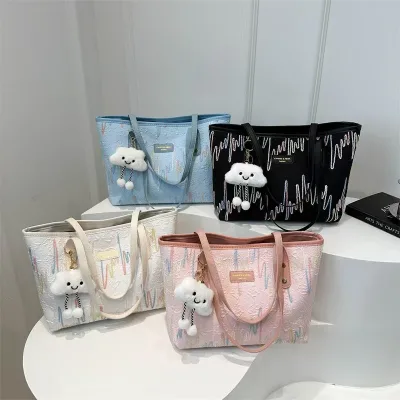
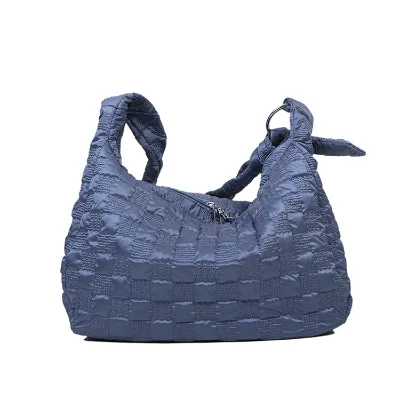


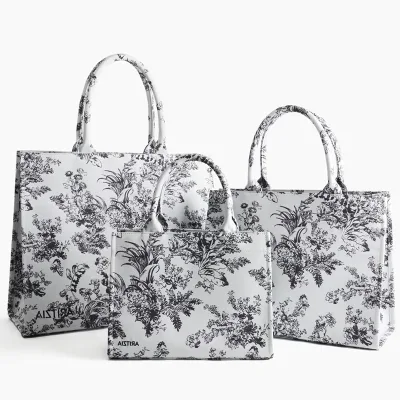
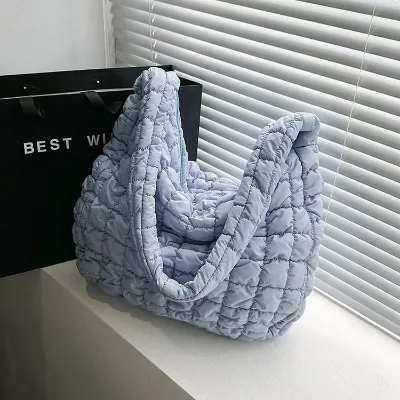
Comprehensive Sourcing Guide
Puffer Cute Tote Bag Sourcing Guide
Sourcing puffer cute tote bags requires a nuanced understanding of hybrid material construction, blending the structural integrity of canvas or PU with the volumetric appeal of puffy, polyester-infused panels. Buyers must navigate a diverse supplier landscape where product attributes vary significantly, from soft to medium-soft hardness levels and varying waterproof capabilities. The observed market signals indicate a strong emphasis on customization, with many suppliers offering tailored sizes, colors, and logo placements to meet specific brand identities. This flexibility is crucial for retailers aiming to differentiate their offerings in a crowded accessory market, where unique textures and playful designs drive consumer engagement.
Procurement teams should prioritize suppliers who demonstrate clear transparency in their material compositions and production timelines. The available data highlights a wide range of models, such as the KS-24042201 and B999000352, each with distinct specifications regarding lining materials, shoulder strap compositions, and overall dimensions. Understanding these variations is essential for aligning product features with target customer expectations, whether the goal is daily utility or fashion-forward statement pieces. By focusing on verified attributes like texture, style, and functional capacity, buyers can mitigate the risk of receiving products that do not match their quality standards or aesthetic requirements.
Product Scope and Observed Listing Signals
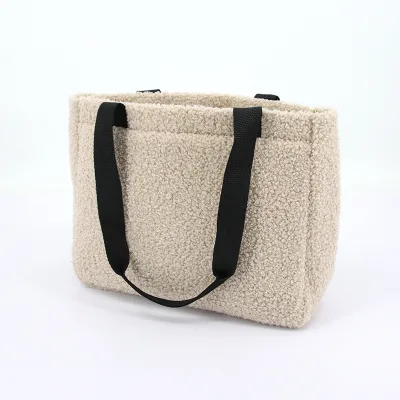
The current market for puffer tote bags exhibits a broad spectrum of design interpretations, ranging from simple, everyday carry options to more elaborate, handled styles with distinct textural contrasts. Listings frequently highlight attributes such as "puffy," "fluffy," and "tote bag" styles, often incorporating PU or canvas textures to create visual interest. The observed product range includes specific models like SU-SHB-239 and ly-zwp300, which showcase diverse approaches to material integration, including polyester-cotton linings and fabric interiors. These variations suggest that buyers should not assume uniformity across all listings, as each supplier may offer unique combinations of outer materials, strap types, and internal configurations that impact both aesthetics and durability.
Commercial signals indicate a high degree of customization availability, with many suppliers accepting custom logos, colors, and design prints. This flexibility is particularly relevant for brands seeking to create cohesive merchandise lines or promotional items that align with specific marketing campaigns. The presence of attributes like "customized designs" and "custom logo accepted" underscores the importance of clear communication during the sourcing process. Buyers must ensure that their design specifications are accurately translated into production requirements, as the final product’s appearance and functionality are heavily dependent on these initial customization decisions.
Technical Specifications to Verify
Verifying technical specifications is critical to ensuring that the puffer tote bags meet functional and aesthetic expectations. Key attributes to confirm include the hardness level, which can range from soft to medium soft, affecting the bag’s structural stability and user comfort. Additionally, the waterproof status varies, with some products explicitly labeled as waterproof while others are non-waterproof, necessitating careful selection based on intended use cases. Buyers should also scrutinize the material composition, particularly the lining, which may consist of polyester, polyester-cotton blends, or fabric, as these materials influence breathability, durability, and ease of cleaning.
Dimensional accuracy is another vital aspect, with observed sizes ranging from 21168 cm to 322612 cm, and some suppliers offering custom sizing options. The shoulder strap material, whether canvas or PU, impacts both the bag’s weight distribution and overall aesthetic coherence. Furthermore, the packaging method, often described as OPP bags or one bag in one OPP bag, affects storage efficiency and product protection during transit. Buyers must verify these specifications against their internal quality standards to avoid discrepancies between ordered samples and bulk production, ensuring that the final products align with their brand’s quality expectations.
Compliance and Safety Documentation
While specific certification statuses are not explicitly detailed in the provided context, buyers must proactively request relevant compliance documentation from suppliers to ensure adherence to international safety and quality standards. This includes verifying that materials used, such as PU, canvas, and polyester linings, meet regulatory requirements for chemical safety and durability, particularly if the products are intended for markets with strict environmental or consumer protection laws. Buyers should inquire about any third-party testing results that confirm the absence of harmful substances and the integrity of the product’s construction, ensuring that the puffer tote bags are safe for end-users.
Additionally, suppliers should provide clear information regarding their production standards and quality control processes. This includes details on how they manage customization requests, such as logo printing and color matching, to ensure consistency across large orders. Buyers should also verify the supplier’s ability to provide accurate product origin information, as indicated by the Guangdong, China origin for some models, which may impact shipping logistics and tariff considerations. By establishing a robust compliance framework, buyers can mitigate risks associated with regulatory non-compliance and ensure that their products meet all necessary legal and ethical standards.
Cost Drivers and Commercial Terms
Understanding the cost drivers for puffer tote bags involves analyzing the interplay between material selection, customization complexity, and production volume. The observed price range of 0.2-18.12 USD reflects significant variation based on factors such as the type of outer material, the intricacy of the puffy design, and the level of customization required. Buyers should consider how these variables impact the final unit cost, particularly when opting for custom colors, logos, or unique sizes, which may incur additional setup fees or higher material costs. The minimum order quantity (MOQ) ranges from 50 to 1000 units, influencing the economies of scale and overall procurement budget.
Commercial terms also include sample times and production lead times, which are critical for supply chain planning. Sample times typically range from 5-7 days, allowing buyers to evaluate product quality before committing to bulk orders. Production times, however, can extend from 45-55 days, requiring careful scheduling to align with market demand and inventory needs. Buyers should negotiate clear terms regarding payment schedules, shipping responsibilities, and return policies to ensure a smooth procurement process. By understanding these commercial dynamics, buyers can optimize their sourcing strategy to balance cost efficiency with timely delivery.
Supplier Qualification and Quality Control
Supplier qualification is a pivotal step in sourcing puffer tote bags, requiring a thorough assessment of their manufacturing capabilities and quality assurance practices. Buyers should evaluate suppliers based on their ability to consistently produce products that meet specified technical attributes, such as texture, hardness, and material composition. This includes verifying their experience with customization processes, including logo printing and color matching, to ensure that the final products align with brand standards. Suppliers with a proven track record of delivering high-quality, customized products are more likely to meet the buyer’s expectations and maintain long-term reliability.
Quality control measures should be clearly defined and enforced throughout the production process. Buyers should request detailed quality control plans that outline inspection points, testing procedures, and acceptance criteria for both raw materials and finished goods. This includes verifying the integrity of the puffy panels, the durability of the shoulder straps, and the accuracy of the dimensions. By implementing rigorous quality control protocols, buyers can minimize the risk of defects and ensure that the puffer tote bags meet their quality standards. Regular communication with suppliers and periodic audits can further enhance quality assurance and foster a collaborative partnership.
Long-Term Procurement Checks
Long-term procurement success with puffer tote bags depends on establishing ongoing performance metrics and continuous improvement mechanisms. Buyers should monitor key performance indicators such as on-time delivery rates, defect rates, and customer feedback to assess supplier reliability and product quality over time. This data-driven approach allows buyers to identify trends, address recurring issues, and make informed decisions about supplier relationships. By maintaining a proactive stance on performance management, buyers can ensure that their sourcing strategy remains aligned with their business objectives and market demands.
Additionally, buyers should stay informed about market trends and consumer preferences to anticipate changes in product design and material requirements. This includes monitoring shifts in popular styles, such as the increasing demand for customizable and eco-friendly options, and adjusting sourcing strategies accordingly. Regularly reviewing and updating supplier contracts to reflect current market conditions and regulatory requirements is also essential for maintaining a competitive edge. By fostering a dynamic and responsive procurement process, buyers can sustain long-term success in the puffer tote bag market and deliver value to their customers.
FAQs
What materials are used for puffer cute tote bags?
These bags typically use PU or canvas textures with polyester or polyester-cotton linings. Some models feature puffy polyester materials for a fluffy look. The shoulder straps may be made of canvas or PU to match the body. Buyers can often request custom materials to suit specific design preferences or durability needs.
Can I customize the logo and colors on these bags?
Yes, customization is available for logos, colors, and designs. Suppliers accept custom logos and allow buyers to choose specific colors. Printing options include customized designs and letter patterns. This flexibility ensures the final product aligns with your brand identity or specific aesthetic requirements for the target market.
What are the standard sizes for these tote bags?
Standard sizes include 21*16*8 cm, 27*21*11 cm, 28*20*10 cm, and 32*26*12 cm. Some models offer custom sizes to fit specific storage needs. The bags are designed for daily life usage and storage. Buyers should verify the exact dimensions required for their inventory or product specifications before placing orders.
How long does production take for custom orders?
Production time typically ranges from 45 to 55 days for custom orders. Sample preparation takes 5 to 7 days. These timelines apply to customized products originating from China. Buyers should plan their inventory and shipping schedules accordingly to account for the manufacturing duration and ensure timely delivery to their destination markets.
Are these bags waterproof and washable?
Waterproof status varies by model; some are waterproof while others are non-waterproof. Generally, these bags cannot be washed with water. The materials like PU and canvas require careful maintenance. Buyers should check the specific product attributes for waterproof claims and follow care instructions to preserve the bag's texture and structure over time.
What is the minimum order quantity for these bags?
The minimum order quantity ranges from 50 to 1000 pieces depending on the supplier and customization level. Standard packaging includes OPP bags. Buyers should confirm the specific MOQ with their chosen manufacturer. Lower MOQs may be available for simpler designs, while complex customizations might require higher quantities to ensure production efficiency.