Source Car Headlight Ballast for OEM, Aftermarket, and Repair
Compare 30 verified Car Headlight Ballast options from Chinese manufacturers. Buyers can evaluate specifications like voltage, certifications, and warranty periods to find suitable HID xenon bulb components for various vehicle applications; compare the available evidence and request quotations based on your requirements.
Key considerations
Products List


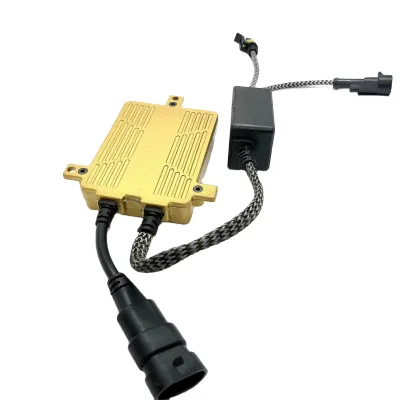
12V 35W D1s D1r D3s D3r HID Headlamp Ballast Light Control Module Car Xenon HID Ballast
$19.00 - $21.00
MOQ: 10 Pieces

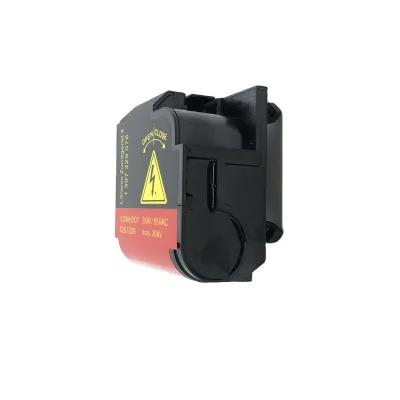
Car Xenon HID Headlight Ballast W3t10471 W3t14371 X6t02981 Fit for Acura Tl Tl-S Xenon
$19.00 - $21.00
MOQ: 10 Pieces

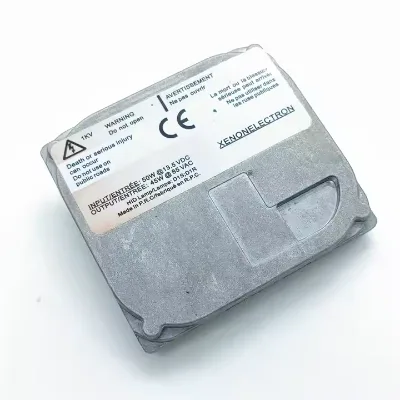
Automotive Control Unit 35W Ballast 130732931201 D1s D1r Xenon Headlight Ballast
$17.00 - $20.00
MOQ: 10 Pieces


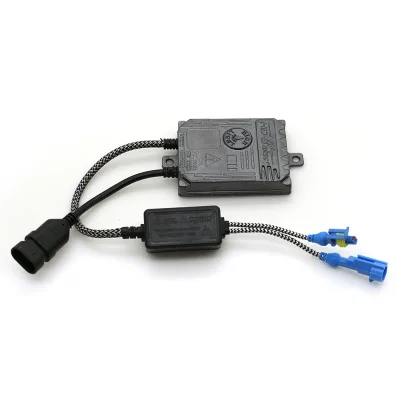
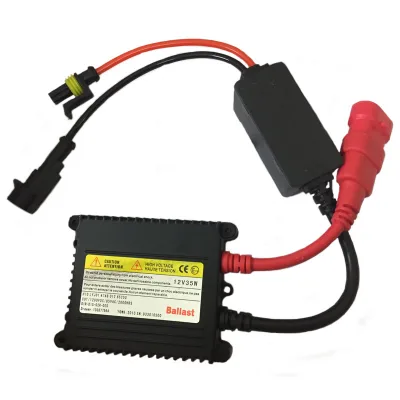
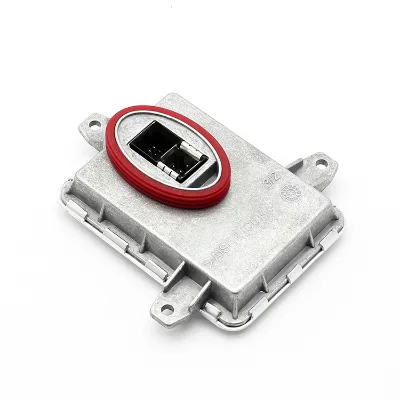

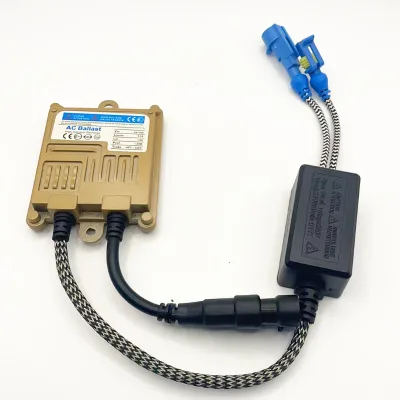


Comprehensive Sourcing Guide
Car Headlight Ballast Sourcing Guide
Sourcing car headlight ballasts requires a precise understanding of the electrical components that regulate power to HID xenon bulbs. These devices are critical for ensuring stable illumination and preventing voltage spikes that can damage the bulb or vehicle wiring. Buyers must distinguish between generic aftermarket parts and OEM-specific replacements, as fitment and performance vary significantly across different vehicle models. The market offers a wide range of options, from basic units to advanced models with integrated projector lenses and specific mounting standards.
Procurement decisions should be driven by the specific technical requirements of the target vehicle fleet. Key variables include the bulb type, such as D1s, D1r, D2s, or D2r, which dictate the ballast’s ignition and operating parameters. Additionally, the physical form factor, whether it is a compact unit or part of a larger assembly, influences installation complexity. Buyers must also consider the material construction, often aluminum alloy for heat dissipation, and the warranty terms provided by the supplier to mitigate long-term risk.
Product Scope and Observed Listing Signals
The current market landscape for car headlight ballasts reveals a diverse array of product configurations tailored to different automotive needs. Listings frequently highlight specific models like LW-D1/3 variants, which correspond to distinct standards such as M1, A2, M2, and H1. These designations often relate to the mounting interface or electrical connector type, ensuring compatibility with specific vehicle architectures. The presence of OEM numbers, such as 8K0941597 or 130732931201, indicates that many suppliers offer direct replacements for original equipment manufacturer parts, which is crucial for maintaining vehicle integrity and warranty compliance.
Observations also show a strong emphasis on customization and original equipment manufacturer (OEM) services. Suppliers often provide options for white box packaging or custom branding, catering to both retail distributors and private label buyers. The inclusion of features like front position lamp functionality or integrated projector lenses suggests a trend toward all-in-one lighting solutions. Furthermore, the availability of different base types, such as H5W, and specific fitted bulb requirements highlights the need for buyers to verify exact component matches before placing orders to avoid installation failures.
Technical Specifications to Verify
Verifying technical specifications is paramount to ensuring the ballast functions correctly within the vehicle’s electrical system. Buyers must confirm the voltage rating, typically 12V for standard passenger vehicles, to prevent compatibility issues with the car’s power supply. The power output, often cited as 35W for HID systems, is another critical parameter that affects brightness and energy consumption. Additionally, the material composition, frequently aluminum alloy or metal aluminum, plays a significant role in heat management, which is essential for the longevity of the ballast and the connected xenon bulb.
Other technical details include the waterproof rating, with IP67 being a common standard for automotive components exposed to harsh environments. The lifespan of the unit, often specified as 30,000 hours, provides an estimate of durability under normal operating conditions. Buyers should also check the installation fitment, with many suppliers claiming 100% fit for specific models, and verify the single package dimensions to plan for storage and shipping logistics. The keyword associations, such as "xenon ballast hid headlight control," can help in identifying the correct product category during supplier searches.
Compliance and Safety Documentation
Compliance with regional and international safety standards is non-negotiable for automotive lighting components. Buyers must ensure that the ballasts carry the necessary certifications for their target markets, such as CE and E-Mark for Europe, or CCC and DOT for China and the United States, respectively. Other relevant certifications may include GOST, SONCAP, PVOC, NRCS, GCC, and ARAI, depending on the destination country. These certifications indicate that the product has undergone rigorous testing for electrical safety, electromagnetic compatibility, and environmental impact.
In addition to product-specific certifications, suppliers should possess quality management system certifications like ISO9001 and SGS approval. These credentials demonstrate that the manufacturer adheres to established quality control processes, reducing the risk of defects in the final product. Buyers should request copies of these certificates and verify their validity with the issuing bodies. The presence of these documents not only ensures legal compliance but also provides confidence in the supplier’s ability to maintain consistent product quality across large orders.
Cost Drivers and Commercial Terms
Several factors influence the total cost of ownership for car headlight ballasts, including material costs, manufacturing complexity, and order volume. The use of high-quality materials like aluminum alloy and the integration of advanced features such as projector lenses can increase the unit price. Buyers should also consider the warranty period, which typically ranges from 12 to 24 months, as longer warranties may indicate higher quality but could also affect the initial purchase price. Customization options, such as private labeling or specific packaging, may incur additional fees.
Commercial terms, including minimum order quantities (MOQ) and lead times, are critical for supply chain planning. MOQs can vary widely, from small batches for testing to large volumes for mass production. Lead times, often around 15 days for standard orders, should be factored into inventory management strategies. Buyers should negotiate clear payment terms and shipping conditions to avoid unexpected costs. Understanding these commercial dynamics helps in budgeting accurately and ensuring timely delivery to meet market demand.
Supplier Qualification and Quality Control
Evaluating supplier qualification is essential to mitigate risks associated with poor quality or unreliable delivery. Buyers should assess the supplier’s production capabilities, including their facility size, equipment, and workforce expertise. The place of origin, such as Guangdong, China, can provide insights into the local supply chain ecosystem and manufacturing maturity. Suppliers with a strong track record in OEM and ODM services are often more reliable, as they have experience meeting diverse customer requirements and maintaining high standards.
Quality control measures should be clearly defined and enforced throughout the production process. Buyers should inquire about the supplier’s inspection protocols, including incoming material checks, in-process monitoring, and final product testing. The ability to provide test reports or third-party verification can further validate the product’s quality. Establishing a clear communication channel for addressing defects or discrepancies is also crucial. By prioritizing suppliers with robust quality control systems, buyers can ensure consistent product performance and reduce the likelihood of post-sale issues.
Long-Term Procurement Checks
Long-term procurement success depends on continuous monitoring of supplier performance and product reliability. Buyers should establish key performance indicators (KPIs) to track metrics such as defect rates, delivery punctuality, and customer feedback. Regular audits of the supplier’s quality management system can help identify areas for improvement and ensure ongoing compliance with standards. Maintaining open communication with the supplier allows for timely resolution of issues and fosters a collaborative relationship that benefits both parties.
Additionally, buyers should stay informed about changes in automotive technology and regulatory requirements that may impact the ballast market. As vehicles evolve, the demand for specific ballast models may shift, requiring flexibility in sourcing strategies. Building a diversified supplier base can reduce dependency on a single source and provide options in case of supply chain disruptions. By implementing these long-term checks, buyers can ensure a stable and efficient procurement process that supports their business goals and customer satisfaction.
FAQs
What certifications do these car headlight ballasts have?
These car headlight ballasts hold CE, E-Mark, and RoHS certifications. Some models also include CCC, DOT, GOST, and SONCAP approvals. This ensures compliance with international safety and environmental standards for automotive lighting components used in various global markets.
Can I customize the Car Headlight Ballast packaging?
Yes, customization is available for these car headlight ballasts. Standard options include white box or carton and pallet packing. Buyers can request specific packaging configurations to meet their logistical needs or branding requirements during the procurement process.
What is the warranty period for the ballast?
The warranty period for these car headlight ballasts ranges from 12 to 24 months. This coverage protects buyers against manufacturing defects. The specific duration depends on the model selected, providing reliable after-sales support for automotive lighting installations.
How long is the delivery time for orders?
The delivery time for these car headlight ballasts is typically 15 days. This lead time applies to standard orders. Buyers should confirm specific schedules with suppliers to ensure timely receipt of goods for their automotive parts inventory management.
What is the lifespan of the LED components?
The LED components in these car headlight ballasts have a lifespan of 30,000 hours. This durability ensures long-term performance for vehicle lighting systems. The extended operational life reduces maintenance frequency and provides consistent illumination quality for drivers.
Are these ballasts waterproof for outdoor use?
Yes, these car headlight ballasts feature IP67 waterproof ratings. This specification ensures resistance to dust and water immersion. The robust design protects internal electronic components from moisture, making them suitable for various weather conditions encountered during vehicle operation.